

Posted by Mike
on September 06, 2026

Key Takeaways
Choosing a personal lubricant is mostly a matter of matching the formula to your body, activity, and preferences. A few practical checks can make intimate care more comfortable and predictable.
- Water-based formulas are versatile and usually easy to wash away.
- Silicone-based formulas may provide longer-lasting glide in some settings.
- Always check condom and sex-toy compatibility on the product label.
- Apply a small amount first, then add more as needed.
- Stop using a lubricant if irritation, burning, or a rash develops.
Understanding K-Y personal lubricants
Personal lubricant is designed to supplement natural moisture and reduce friction during intimate activity. The right product should feel comfortable rather than distracting, and it should suit the intended use. Formula texture, ingredients, cleanup, and compatibility all matter. For a broader overview of choosing and safely using personal lubricants, consider how each of these factors fits your own needs.
What K-Y lubricant is designed to do
K-Y lubricant is used to add moisture and help reduce friction during sexual activity. It can be applied when natural lubrication is not enough or when someone simply prefers additional glide. Lubricant does not replace condoms, contraception, or protection against sexually transmitted infections. It is a comfort product, not a method of preventing pregnancy or infection.
Differences between K-Y lubricant formulas
Different formulas can vary in thickness, feel, ingredients, and how long they remain slippery. A thicker jelly may feel different from a more fluid lubricant, while a silicone-based product may behave differently from a water-based one. Read the individual package rather than assuming every product under one name has identical properties. Your own comfort matters most when comparing texture and sensation.
Water-based versus silicone-based options
Water-based lubricants are often convenient for everyday use because they can be rinsed away with water and are commonly compatible with many condoms. They may dry during extended activity and can sometimes be refreshed or reapplied. Silicone-based lubricants generally last longer on wet skin, but they require more careful cleanup and label checking, especially when silicone sex toys are involved.
How lubrication can improve comfort and reduce friction
Friction can contribute to soreness, discomfort, and small skin irritations, particularly when activity lasts longer or natural moisture changes. Adding lubricant can make movement feel smoother and help people pause less often to manage discomfort. It should not mask persistent pain, however. Pain that continues despite adequate lubrication deserves attention from a qualified healthcare professional.
Choosing the right K-Y formula
The best choice depends on where the lubricant will be used, how long you want it to last, and which ingredients your body tolerates. Think about cleanup as well as sensation: a formula that feels excellent but is difficult to remove may be inconvenient for regular use. Product labels provide the final word on intended use and compatibility.
When a water-based lubricant is the practical choice
Water-based lubricant is a useful starting point for people who want a versatile formula that is generally easy to clean. It can be suitable for many kinds of intimate activity, including use with condoms, when the label confirms compatibility. Because it may lose slipperiness as it dries, keep a little extra nearby for reapplication rather than applying a large amount all at once.
When a silicone-based lubricant may last longer
Silicone-based lubricant may be preferable when you want glide that remains on the skin longer, including during activity involving water. It is not automatically the best match for every toy or body area, so check the packaging first. A small trial amount can help you understand the feel before using more.
Fragrance-free and sensitive-skin considerations
If your skin is reactive, a fragrance-free formula with a short, familiar ingredient list may be easier to evaluate. “Natural” does not automatically mean irritation-free, and botanical ingredients can still bother some people. Choose cautiously, avoid products with additives you already know cause problems, and consider discussing repeated sensitivity with a clinician.
Checking ingredients for personal preferences
Read the ingredient list before buying, especially if you have known allergies or sensitivities. It can also help to compare whether a product contains fragrance, warming or cooling additives, sweeteners, preservatives, or other ingredients you prefer to avoid. The table below offers a simple way to frame the choice without treating one base as universally superior.
| Formula type | Typical advantage | Practical consideration |
|---|---|---|
| Water-based | Versatile and easy to rinse away | May need reapplication as it dries |
| Silicone-based | Often provides longer-lasting glide | Check compatibility with silicone toys |
| Oil-based | Rich, lasting feel in some uses | May damage latex condoms |
Use the table as a starting point, then follow the specific product label. Compatibility and personal tolerance are more useful decision points than a general ranking.
Using personal lubricant safely
Safe use is simple but benefits from a little preparation. Start with clean hands, use a modest amount, and pay attention to how the product feels. Lubricant should make activity more comfortable, not create stinging or numbness. A guide to effective lubricant application can be useful when you are comparing reapplication, cleanup, and intended use.
How much lubricant to apply
Begin with a small amount, spread it over the area where extra glide is needed, and add more gradually. There is no universal “correct” quantity because bodies, formulas, and activities vary. Using less at first also makes it easier to notice whether the texture or ingredients feel comfortable.
When to reapply during sexual activity
Reapply when the lubricant begins to feel tacky, dry, or less slippery. This can happen sooner with water-based formulas, particularly during longer activity or after contact with fabric. Pause as needed, add a little more, and avoid continuing through friction or discomfort simply because lubricant was applied earlier.
Applying lubricant to skin, condoms, and sex toys
Follow the package directions for where the product can be used. Lubricant may be applied to skin or to the outside of a condom, while sex-toy use requires checking both the lubricant and toy materials. Applying a small amount first helps prevent excess mess and gives you a chance to assess the feel.
For a routine that keeps application practical, consider these steps:
- Wash and dry your hands before handling the product.
- Check the label for intended body areas and material compatibility.
- Apply a small amount and spread it evenly.
- Add more if friction returns or the formula begins to dry.
After using these steps, clean the bottle or tube opening if needed and close it promptly. Keeping the container clean reduces the chance of transferring residue back into the product.
Cleaning up after use
Water-based lubricant can often be rinsed away with warm water, while silicone-based products may need more washing and a little patience. Use gentle cleansing rather than harsh scrubbing on sensitive skin. Clean sex toys according to their material and manufacturer instructions, since the lubricant and toy may have different care requirements.
Lubricant and condom compatibility
Compatibility should be checked before intimate activity, not guessed from texture alone. The condom material, lubricant base, and intended use all affect the decision. If the package gives specific instructions, follow those instructions even when a general rule suggests the products should work together.
Using K-Y lubricant with latex condoms
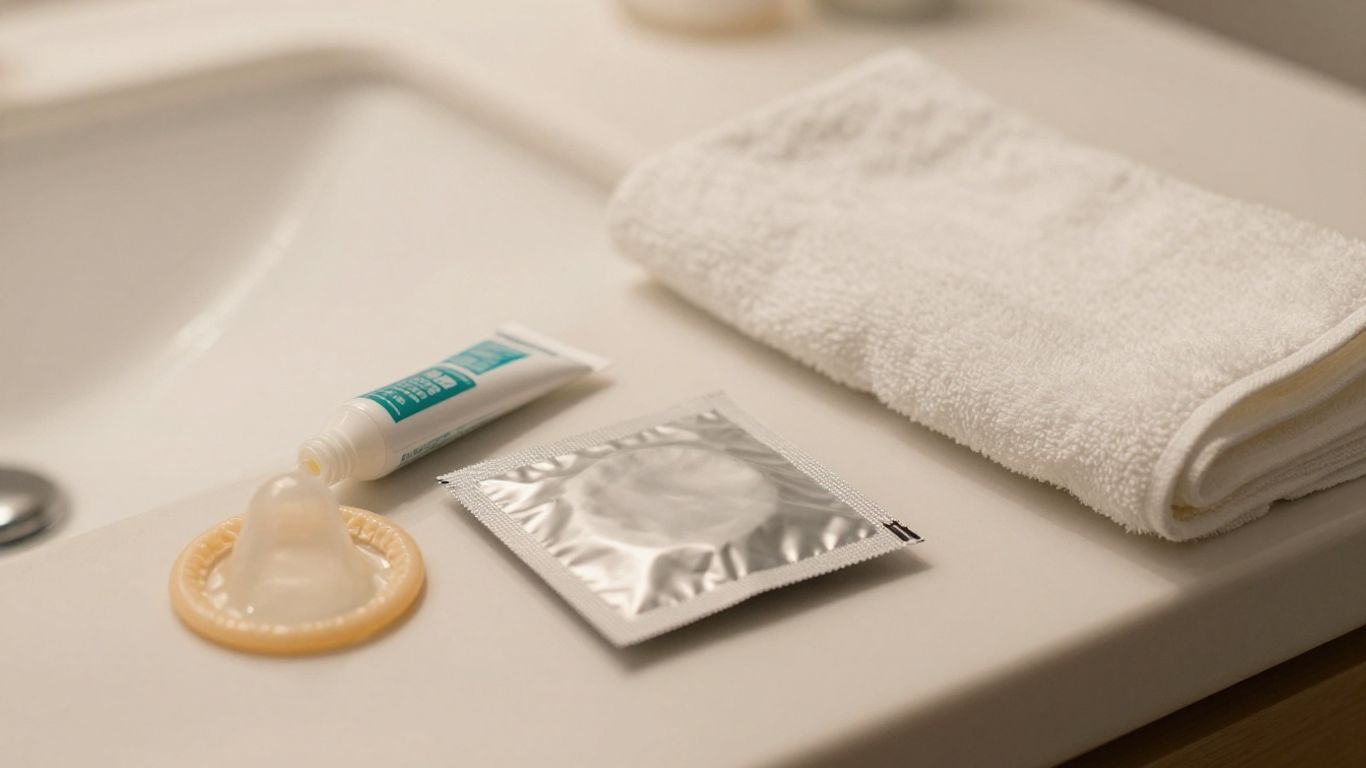
Many water-based lubricants are designed for use with latex condoms, but the individual label should confirm that pairing. Apply lubricant to the outside of the condom after it has been put on, or use it as directed by the manufacturer. Avoid products that contain oils unless the label clearly states they are suitable for the condom material.
Why oil-based products can damage latex
Oil can weaken latex and increase the chance that a condom will break or slip. This includes some household oils, petroleum-based products, and oil-rich body products. If latex protection is part of your plan, choose a lubricant specifically labeled as compatible rather than relying on a familiar texture.
Checking compatibility with polyurethane condoms
Polyurethane and other non-latex condoms may have different compatibility guidance from latex products. Read the condom package and lubricant label together, especially when using a silicone-based or oil-based formula. When the information is unclear, choose a product with explicit compatibility instructions or ask a pharmacist or healthcare professional.
Choosing lubricant for different sexual activities
The amount and texture that feel comfortable can vary by activity. A thicker product may be preferred by some people, while others may want a lighter feel or a formula that remains slippery longer. For any activity, use enough lubricant to reduce friction, follow the product’s intended-use directions, and stop if pain develops.
Avoiding irritation and discomfort
A lubricant should feel neutral or comfortable on the body. Sensitivity can appear immediately or after repeated use, so pay attention to changes rather than assuming discomfort is part of the experience. If irritation keeps returning, changing formulas may help, but persistent symptoms should be assessed medically.
Common signs of sensitivity or irritation
Possible signs include burning, itching, redness, swelling, tenderness, unusual dryness, or a rash. Discomfort can also come from friction, an infection, condom materials, or another product used at the same time. Note when symptoms began and what products touched the area, since that information can help identify a pattern.
Ingredients that may bother some users
Fragrance, flavoring, warming or cooling agents, and certain preservatives may be irritating for some people. Glycerin or other ingredients can also be a personal concern depending on an individual’s history and the intended use. Ingredient lists are useful, but they cannot predict every reaction; a formula that works well for one person may not suit another.
What to do if burning, itching, or rash occurs
Stop using the product and gently rinse the area with water if burning, itching, or a rash appears. Avoid adding other scented or medicated products until you understand what caused the reaction. If symptoms are severe, spread, or fail to settle, contact a healthcare professional rather than trying repeated product swaps.
When to stop using a product and seek medical advice
Stop using a lubricant when discomfort is significant, recurrent, or accompanied by swelling, sores, unusual discharge, bleeding, or pain. Seek prompt medical care for severe symptoms or signs of an allergic reaction. A clinician can help distinguish irritation from infection or another condition that needs treatment.
Storing and evaluating K-Y lubricant
Proper storage helps preserve the product’s intended texture and cleanliness. Keep the container closed, avoid sharing it, and prevent the opening from touching skin or other surfaces unnecessarily. Storage guidance can vary by formula, so the package remains the most reliable source for temperature and shelf-life instructions.
Checking the expiration date and packaging
Look for the expiration date, lot information, and any tamper-evident seal before use. Do not use a product if the seal is broken when purchased, the container is cracked, or the cap no longer closes securely. Packaging damage can expose the formula to contamination or cause leakage.
Keeping lubricant at an appropriate temperature
Store lubricant in a cool, dry place away from direct sunlight and excessive heat. Avoid leaving it in a hot car or beside a heater, since temperature swings can affect texture and packaging. Do not freeze it unless the manufacturer specifically says that freezing is acceptable.
Recognizing changes in texture, color, or smell
Discard lubricant if it develops an unusual smell, color change, separation, clumping, or a texture that differs noticeably from when it was new. A small change may reflect age or heat exposure, but there is no benefit in taking a chance with a product used on sensitive tissue. When uncertain, replace it.
When to replace an opened bottle or tube
Replace an opened container at the expiration date or sooner if it has been stored poorly, contaminated, or used past its recommended period after opening. Do not dilute an old product with water to restore its texture, since that can affect cleanliness and formula stability. A fresh container is the safer choice when the product’s condition is questionable.
Conclusion
A comfortable lubricant choice comes down to formula, ingredients, intended use, compatibility, and how your body responds. Start with a small amount, reapply when needed, store the product carefully, and treat irritation as a reason to stop rather than push through it.
Frequently Asked Questions
What is personal lubricant used for?
Personal lubricant adds moisture and reduces friction during intimate activity. It can improve comfort when natural lubrication is not enough, but it does not prevent pregnancy or sexually transmitted infections.
Is water-based lubricant easy to clean?
Water-based lubricant is generally easy to rinse away with warm water. It may dry sooner than some other formulas, so reapplication can be useful during longer activity.
Can lubricant be used with condoms?
Many lubricants are compatible with condoms, but compatibility depends on the lubricant base and condom material. Check both labels before use, especially when considering oil-based products.
How much lubricant should someone use?
Start with a small amount and add more as needed. The right quantity depends on the formula, the activity, and personal comfort.
What should someone do if lubricant burns?
Stop using it and gently rinse the area with water. Seek medical advice if symptoms are severe, persistent, or accompanied by swelling, sores, unusual discharge, or significant pain.
How should personal lubricant be stored?
Keep it closed in a cool, dry place away from direct sunlight and heat. Check the expiration date and discard the product if its texture, color, or smell changes.
Can personal lubricant be used with sex toys?
Some lubricants can be used with sex toys, but compatibility depends on the materials involved. Check the lubricant label and the toy manufacturer’s care instructions before combining them.





































































