

Posted by Mike
on October 13, 2026

Key Takeaways
A quick check of local stock and a careful label review can make choosing a personal lubricant simpler. Use the formula and compatibility guidance below to narrow your options.
- Check your local store’s website or app, then call if current stock is unclear.
- Compare water-, silicone-, and oil-based formulas for feel, cleanup, and intended use.
- Read ingredient and compatibility details, especially if you have sensitive skin or use condoms or toys.
- Compare package size and price by volume, and check expiration dates.
- Start with a small amount and stop if irritation occurs; seek advice for persistent discomfort.
Check whether your Publix carries personal lubricant
Availability can vary, so begin with the store you plan to visit rather than assuming every location has the same selection. An online search may help you identify products or departments, but it may not reflect the shelf at that moment. If you are planning a specific purchase, a quick call can save an unnecessary trip.
Search the store’s website or app
Search for “personal lubricant” on the store’s website or app, and check whether results appear to be available at your selected location. Product listings can help you get a sense of the options, but online information may not always show what is on the shelf right now. For a broader overview of formula types and availability checks, see this Publix lubricant guide.
Contact your local store about current stock
If the online listing is unclear, call the store and ask whether personal lubricant is currently in stock and where it is located. You can ask about a particular formula or package size without needing to explain why you are shopping for it. Stock can change between the time you call and the time you arrive, so treat the answer as a useful snapshot rather than a guarantee.
Understand why selection may vary by location
A store’s assortment can differ from another location’s, and the products available may change over time. A particular formula, size, or brand may not be carried everywhere. If you have a specific preference, check the label and local availability rather than counting on a product being stocked at every store.
Compare common types of personal lubricant
The base formula affects how a lubricant feels, how long it provides glide, and how easily it washes away. There is no single type that suits everyone, so it helps to think about your intended use and any products you plan to use with it. A comparison can narrow the choice, while the package label remains the best guide for a specific item.
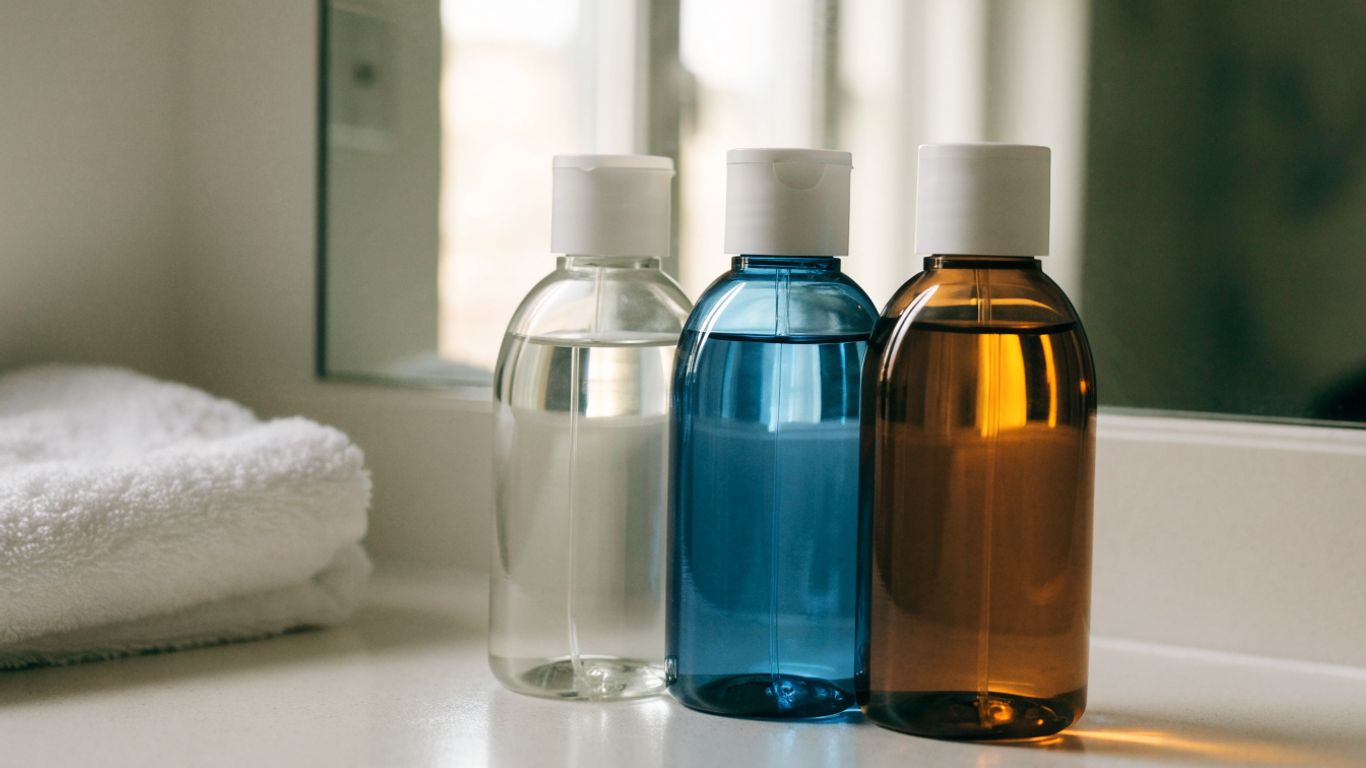
Consider water-based lubricant for versatility
Water-based formulas are often a practical starting point because they are generally easy to clean up. Arousellube offers water-based, edible personal lubricants made with natural ingredients; that description can help illustrate how formula type and ingredient profile are separate details to consider. Check the product’s own label for its specific use and compatibility information.
Look at silicone-based formulas for longer-lasting glide
Silicone-based lubricants can provide glide that lasts longer than many water-based options, though cleanup and compatibility still deserve a look. The table below summarizes broad differences among common base types; products can vary, so use it as a starting point rather than a substitute for package directions.
| Formula type | General feel and cleanup | A useful label check |
|---|---|---|
| Water-based | Often easy to rinse away | Whether reapplication may be needed |
| Silicone-based | Often longer-lasting glide | Compatibility with toys and surfaces |
| Oil-based | Can feel rich and stay in place | Condom compatibility and cleanup |
In practice, the best fit depends on where and how you intend to use the product. Read the label for the exact formula’s directions and limitations before buying.
Check whether oil-based products suit your needs
Oil-based products may feel different from water- or silicone-based options and can be harder to wash off fabrics. Most importantly, oil can weaken latex condoms, so check the condom and lubricant instructions before combining products. If condom use is part of your plans, choose a formula specifically labeled as compatible with that condom material.
Match the formula to your body and products
A comfortable choice depends on more than the base ingredient. Skin sensitivity, condom material, and toy material can all affect which products are suitable for you. Read the package details for the exact item instead of relying on a general description of its formula type.
Review ingredients if you have sensitive skin
If your skin is sensitive, scan the ingredient list and avoid ingredients you already know cause a reaction. Fragrance, flavor, or warming sensations may not suit everyone, and a “natural” description alone cannot tell you how your skin will respond. Arousellube offers water-based, edible personal lubricants made with natural ingredients, but shoppers should still check the specific product label for full ingredient information.
Check compatibility with condoms
Condom compatibility depends on the condom material and the lubricant’s base. Oil-based products can weaken latex, while water-based and silicone-based lubricants are commonly used with latex condoms; always follow the package directions for both items. If you are unsure, choose a lubricant whose label clearly confirms compatibility with your condom type.
Confirm compatibility with sex toys
Some lubricant ingredients may affect certain toy materials, so check the instructions for both the lubricant and the toy. When the guidance is not clear, look for a product explicitly labeled as suitable for that material or contact the manufacturer. Keep the decision simple by checking these details before use:
- Identify the toy’s material in its packaging or care instructions.
- Read the lubricant label for toy-compatibility guidance.
- Follow any cleaning and storage directions for both products.
These checks can help you avoid an unwanted material reaction and make cleanup easier. If the labels do not answer your question, do not assume compatibility.
Find personal lubricant at the store
Once you are in the store, the product may be shelved with sexual wellness or family planning items, though layouts can differ. If you do not see it right away, asking for directions is a straightforward option. You can keep the request brief and specific, which may make the trip feel more comfortable.

Check the sexual wellness or family planning section
Look around the sexual wellness, family planning, or personal care area, where stores may place related products. Shelving can vary, and the item may be grouped differently than you expect. A quick scan of nearby shelves is often enough to locate it without searching the whole store.
Ask a pharmacy team member for directions
If the product is not easy to find, ask a pharmacy team member or another store associate where personal lubricant is stocked. You do not need to share personal details; a simple request for the aisle or section is enough. A team member may be able to direct you even if the product is not located beside the pharmacy counter.
Protect your privacy while shopping
Shopping for an intimate essential can be ordinary and private at the same time. If you prefer, check availability before you go, shop at a quieter time, or use a basket with other household items. Arousellube’s water-based, edible personal lubricants are designed to enhance pleasure and intimacy; whichever product you consider, make your choice based on its label and your needs rather than pressure to buy quickly.
Compare labels, sizes, and prices
Packages can look similar while describing different formulas, amounts, or directions for use. Take a moment to compare the label rather than choosing by appearance alone. The details can help you judge whether a product suits your needs and offers reasonable value.
Check package details and expiration dates
Read the directions, ingredients, intended use, and compatibility notes before buying. Check the expiration date and avoid packages that are damaged or difficult to read. If a product has a seal or storage instructions, confirm that the package is intact and that you can follow its care guidance after opening.
Compare cost by volume
A larger bottle may cost more at checkout but less per unit of volume, so compare the amount as well as the shelf price. The simple table below can help organize the comparison when you are looking at more than one package.
| Package price | Volume | Approximate cost per unit |
|---|---|---|
| $8 | 2 oz | $4 per oz |
| $12 | 4 oz | $3 per oz |
| $15 | 6 oz | $2.50 per oz |
These example figures are for illustrating the calculation, not current store prices. Divide the price by the package volume to compare products on the same basis, then make sure the formula and directions also fit what you want.
Look for fragrance-free or specialty formulas
If you prefer to avoid added fragrance, look for a fragrance-free label and read the ingredient list to confirm what the product contains. Specialty descriptions can refer to different sensations or uses, so check what they mean on the package instead of assuming they will feel a certain way. Arousellube’s water-based, edible personal lubricants are made with natural ingredients, but that does not replace checking the ingredients and directions for any specific product you choose.
Use personal lubricant with care
Follow the product’s directions, and give yourself time to notice how it feels. A small amount is usually enough to begin, and you can add more if needed. If discomfort persists or a reaction develops, stop using the product and consider asking a healthcare professional for guidance.
Start with a small amount and add more as needed
Apply a small amount first, then add more gradually if you want additional glide. This makes it easier to find a comfortable amount without using more than necessary. Reapply according to the package directions if the lubricant begins to feel less effective.
Stop using a product if irritation occurs
Stop using the lubricant if you notice burning, itching, swelling, or other irritation. If it is comfortable to do so, rinse the area with water and avoid applying more of the product. Seek medical advice if the reaction is severe or does not settle.
Ask a healthcare professional about persistent discomfort
Lubricant may help with friction, but recurring dryness or pain can have causes that need attention beyond choosing a different product. A healthcare professional can help assess persistent discomfort and discuss appropriate next steps. Do not keep using a product that causes irritation while waiting for symptoms to pass.
Conclusion
Finding personal lubricant at Publix starts with checking local stock, then choosing a formula whose ingredients and compatibility details suit your body and products. Compare labels and package value, and use the lubricant as directed. If discomfort continues, a healthcare professional can help you decide what to do next.
Frequently Asked Questions
Which type of personal lubricant is easiest to clean up?
Water-based formulas are generally easy to rinse away, though cleanup can vary by product. Follow the package directions for the specific lubricant.
Can oil-based lubricant be used with latex condoms?
Oil-based lubricants can weaken latex condoms. Check both product labels and use a lubricant labeled as compatible with your condom material.
Is silicone-based lubricant suitable for every sex toy?
Not necessarily. Compatibility can depend on the toy’s material, so check the care instructions for the toy and the lubricant label before use.
What should I look for if I have sensitive skin?
Read the ingredient list and avoid ingredients you know irritate your skin. Fragrance-free options may be worth considering, but check the full label rather than relying on a front-of-package description.
How much personal lubricant should I use?
Start with a small amount and add more if needed, following the product’s directions. Reapply as instructed if the glide decreases.
How can I compare the value of different package sizes?
Divide each package’s price by its volume to estimate the cost per unit. Then compare the formulas and directions as well as the price.
When should I ask a healthcare professional about discomfort?
Seek professional advice if dryness or pain is persistent, or if irritation does not improve after you stop using the product. A clinician can help assess possible causes and next steps.





































































