

Posted by Mike
on September 01, 2026

Key Takeaways
Choosing a personal lubricant is mostly a matter of matching the formula to your body, activity, and barrier method.
- Check the lubricant’s base, ingredients, expiration date, and compatibility information.
- Water-based formulas are versatile, while silicone-based options usually last longer.
- Oil-based products can damage latex condoms and may be harder to clean up.
- Fragrance-free, body-safe formulas may be a better starting point for sensitive skin.
- Stop using any lubricant that causes burning, itching, swelling, or persistent discomfort.
What to know about buying personal lubricant at Publix
Finding a publix personal lubricant can be straightforward, but the exact selection depends on the store and your preferred shopping method. Start by considering what you need the product to do rather than choosing based only on price or packaging. Labels can answer many practical questions, including the lubricant’s base, ingredients, and condom compatibility. A little preparation also makes it easier to ask for help discreetly if you need it.
Where personal lubricants may be located in the store
Personal lubricants are commonly placed in the personal-care, family-planning, or sexual-wellness area of a pharmacy or grocery store. The precise shelf may differ, so checking the store directory or asking an associate can save time. Some products may also appear through the retailer’s pickup or delivery catalog.
For a broader overview of navigating the aisle and comparing bases, see this Publix lubricant buying guide. It can be useful before visiting a store, especially if you are comparing water, silicone, and oil formulas.
How product selection can vary by Publix location
One location may carry a small selection while another has more sizes or formulas. Inventory can change with demand, seasonal promotions, and whether you are viewing products for pickup, delivery, or in-store shopping. Online availability is not always a promise that an item is currently on the shelf, so confirm the selected location before making a special trip.
A product page may show a price, size, and availability for a chosen store. For example, one online listing describes a 4-ounce water-based product and provides directions, ingredients, warnings, and latex-condom compatibility; treat those details as label information to verify for the item you are considering.
What to check on the label before buying
Read the front and back of the package, not just the product name. Look for the base, intended use, directions, warnings, expiration information, and any statement about condoms or sex toys. The label is your first safety check, particularly when you have allergies, sensitive skin, or a history of irritation.
A quick comparison can make the decision less abstract:
| Label detail | Why it matters | What to look for |
|---|---|---|
| Base | Affects feel, cleanup, and compatibility | Water, silicone, or oil |
| Ingredients | May reveal potential irritants | Fragrance, warming agents, glycerin, or preservatives |
| Barrier guidance | Helps protect condom integrity | Specific compatibility statement |
| Directions and warnings | Sets safe-use boundaries | Application instructions and stop-use advice |
After reading the label, choose the simplest formula that meets your needs. If a claim is vague or compatibility is not stated, look for manufacturer guidance rather than guessing.
When to ask a pharmacist or store associate for help
A pharmacist can help you interpret warnings, allergies, or questions related to recurring dryness, medications, or a diagnosed condition. A store associate can usually help locate products or check inventory, but they may not be able to give individualized medical advice. You can keep the question simple: ask where personal lubricants are located or whether a particular item is in stock.
Types of personal lubricant you may find
Personal lubricants differ mainly by their base and added ingredients. Water-based products are often easy to rinse away, silicone-based products tend to provide longer-lasting glide, and oil-based products require more attention to barrier compatibility. Warming, cooling, and tingling formulas add sensation but may not suit everyone.
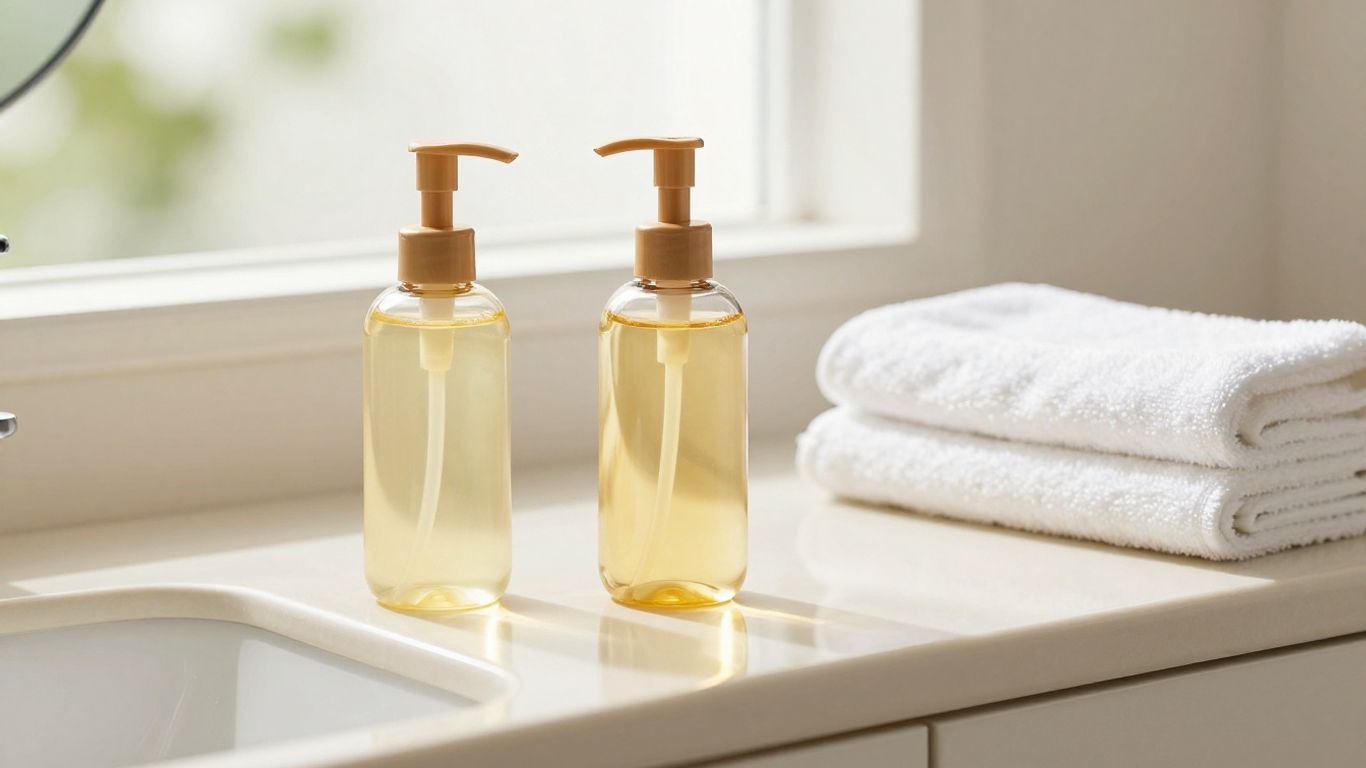
Water-based lubricants for everyday versatility
Water-based lubricant is a practical starting point for many people because it is generally easy to clean and can work for a range of intimate uses. It may need to be reapplied if it dries during use. Arousellube offers water-based, edible personal lubricants made with natural ingredients and designed to enhance pleasure and intimacy.
Texture still matters within this category. For help comparing feel, ingredients, and versatility, read this guide to choosing a water-based lubricant. The most comfortable option is the one that feels good without leaving you distracted by stickiness or dryness.
Silicone-based lubricants for longer-lasting use
Silicone-based formulas often remain slippery longer than water-based products, which can be useful when frequent reapplication is inconvenient. They may also be suitable for use in water, depending on the label. Cleanup can take more soap and water, and compatibility with silicone sex toys must be checked carefully.
Do not assume that every silicone product works with every toy or barrier. Follow the lubricant and toy manufacturer’s instructions, and test combinations cautiously when the material guidance is unclear.
Oil-based products and their limitations
Oil-based lubricants can feel rich and persistent, but they are not a universal choice. Many oils can weaken latex, increasing the chance that a latex condom will break. Oils can also stain fabric and may be more difficult to wash away than water-based formulas.
If you are considering an oil formula, review this explanation of oil lubricant safety before buying. It covers the practical tradeoffs around texture, cleanup, ingredients, and barrier use.
Lubricants with added warming, cooling, or tingling effects
Sensory additives can change the experience, but stronger sensation is not automatically better. Warming, cooling, tingling, fragrance, or flavor ingredients may bother sensitive skin or mucous membranes. If you are trying lubricant for the first time, a plain formula is often easier to evaluate.
Stop if the sensation feels like burning rather than mild warmth or tingling. Never use a product on broken or irritated skin, and do not allow marketing language to replace the directions and warnings on the package.
How to choose a Publix personal lubricant
The right product depends on intended use, personal preference, skin sensitivity, and the barrier or toy involved. There is no single texture or base that suits everyone. Begin with the situation you want to make more comfortable, then narrow the choice using the label. Arousellube offers water-based, edible personal lubricants made with natural ingredients for people seeking an intimate essential designed to enhance pleasure and intimacy.
Matching the lubricant to your intended use
Think about whether you want everyday versatility, longer-lasting glide, easier cleanup, or a formula for a particular type of intimacy. If you use latex condoms, compatibility should be a deciding factor rather than an afterthought. If dryness is persistent, lubricant may improve comfort during intimacy but does not explain or treat every possible cause.
A practical buying guide can help you compare lubricants by intended use, including differences in longevity, cleanup, sensitivity, and compatibility. Keep the choice focused on comfort and safety instead of buying the most heavily promoted option.
Choosing between different textures and consistencies
Some lubricants feel thin and fluid, while others are thicker or more gel-like. A thinner formula may spread quickly, whereas a thicker one may feel more substantial and stay where it is applied. Personal preference, the amount of friction, and whether you need to reapply all influence which texture feels right.
If possible, start with a smaller bottle. That lets you learn whether the product feels slippery, sticky, drying, or comfortable before committing to a larger size.
Identifying fragrance-free and sensitive-skin formulas
Fragrance-free packaging may be preferable when your skin reacts easily, although “natural” does not automatically mean irritation-free. Read the entire ingredient list and be cautious with flavors, essential oils, warming agents, and other extras if you have experienced discomfort before. A patch test on external skin can provide an early warning, but it cannot guarantee that a product will be comfortable for internal use.
Arousellube offers water-based, edible personal lubricants made with natural ingredients, but any product should still be checked against your own sensitivities and the package directions. If you have a known allergy, compare ingredients carefully rather than relying on a general quality claim.
Considering bottle size, packaging, and convenience
A smaller bottle may be convenient for occasional use or travel, while a larger package can be practical when you already know the formula works for you. Look for a cap that closes securely and a bottle that can be handled without creating unnecessary spills. Pickup or delivery may also be useful if privacy matters.
Keep the product easy to reach but out of children’s access. Packaging convenience is helpful, but it should never outweigh clear labeling, intact seals, or a visible expiration date.
Ingredient and compatibility considerations
Ingredients and material compatibility deserve as much attention as texture. A lubricant can feel pleasant and still be a poor match for a condom, toy, or sensitive body. Check the product’s directions every time you change formulas. When information is missing, choose a product with clearer manufacturer guidance instead of making assumptions.
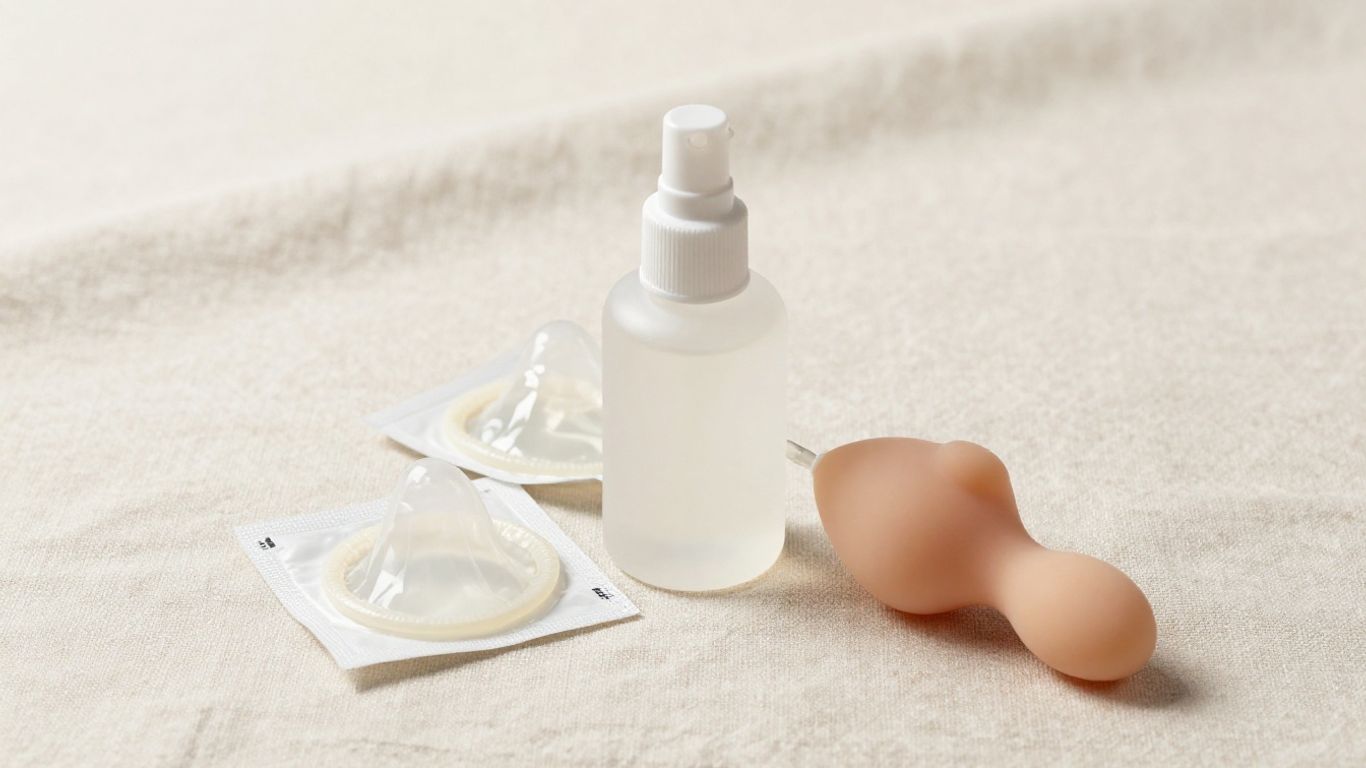
Ingredients that may cause irritation for some people
Some people react to fragrance, flavoring, warming compounds, preservatives, or certain humectants. Glycerin and parabens are not automatically harmful to everyone, but they may be concerns for someone with a personal sensitivity or a history of recurrent irritation. A shorter, transparent ingredient list can make troubleshooting easier.
This ingredient-focused lubricant guide offers a useful framework for reading labels and weighing comfort, additives, and performance. If symptoms continue, stop experimenting with products and speak with a healthcare professional.
Lubricant compatibility with latex condoms
Oil-based products can weaken latex, so they should not be paired with latex condoms unless the manufacturer explicitly says otherwise. Water-based and many silicone-based lubricants are commonly used with latex, but the package statement is the final reference for a specific product. Compatibility guidance may differ for other barrier materials.
Do not use a lubricant simply because its texture seems suitable. Check the exact wording on the package, and replace a condom if it has been exposed to a product that may compromise it.
Using lubricant with sex toys
Toy material matters. Water-based lubricant is often a versatile choice, while silicone-based lubricant may not be recommended with silicone toys because it can affect the toy’s surface. The toy manufacturer’s instructions should be read alongside the lubricant label.
When uncertain, use a small amount in an inconspicuous area of the toy or choose a clearly compatible formula. Wash the toy according to its care instructions after use, and do not share toys without appropriate cleaning or barrier protection.
Why pH and osmolality can matter for vaginal comfort
The vagina has a natural environment that can be affected by products placed inside it. pH and osmolality are technical label details that may help people compare formulas, particularly when vaginal comfort or recurring irritation is a concern. Not every package provides complete information, so ask a clinician or manufacturer when the details are important to you.
Be cautious about homemade mixtures. This pH and osmolality explainer provides additional context on why transparent formulation information can matter. Persistent dryness, pain, unusual discharge, or burning deserves medical attention rather than repeated product trials.
How to use personal lubricant safely
Using lubricant safely is less about applying a large amount and more about paying attention to your body and the product directions. Start with clean hands and a modest amount, then add more as needed. Keep lubricant away from the eyes and do not use it on damaged skin. Safe habits also include checking the package each time you open a new bottle.
Applying the right amount and adding more when needed
Apply a small amount to the external area, barrier, or toy as directed. Add more when friction returns; there is no benefit to tolerating discomfort. If the product becomes sticky or dries, reapplication may be more comfortable than continuing without it.
Spread the lubricant gradually to avoid spills, especially with thin water-based formulas. Wipe away excess afterward and wash the area according to your usual routine.
Testing a new product before full use
A small external patch test can help identify an obvious skin reaction before full use. Place a little product on an area of intact skin and watch for itching, redness, swelling, or burning over the period recommended by a clinician or the product instructions. This is a screening step, not proof that the formula will suit every kind of use.
Before trying a new lubricant, confirm these basics:
- The seal and packaging are intact.
- The expiration date has not passed.
- The ingredient list does not contain a known allergen.
- The lubricant matches your condom and toy materials.
These checks take only a moment and can prevent an avoidable reaction or compatibility problem. If anything seems unusual, choose another product or ask a pharmacist for guidance.
Storing lubricant properly and checking expiration dates
Follow the storage range printed on the label and keep the cap closed between uses. Avoid leaving the bottle in a hot car, direct sunlight, or a damp place where the packaging may deteriorate. Changes in smell, color, or consistency are reasons to discard a product even if the printed date has not passed.
Do not transfer lubricant into an unmarked container. Keeping the original packaging preserves directions, ingredients, warnings, and the expiration information you may need later.
When to stop using a lubricant
Stop immediately if you experience burning, itching, swelling, rash, pain, or unusual discharge. Rinse away the product if appropriate, and seek medical advice when symptoms are severe, persistent, or accompanied by other concerns. Recurrent dryness or discomfort may have a cause that lubricant alone cannot address.
A product that worked once is not necessarily right after symptoms appear. Give your body time to recover and ask a healthcare professional before trying another formula.
Alternatives if Publix does not have the right product
If the shelf is empty or the available formulas do not suit you, there are sensible next steps. Check inventory before traveling, compare labels rather than relying on brand familiarity, and buy from a source that provides clear product information. Privacy, return policies, and delivery packaging can matter too. The goal is not simply to find any lubricant, but to find one that matches your body and intended use.
Checking another Publix location or the online store
A different location may carry another size or formula, and the online store may show pickup or delivery options for a selected address. Availability can change quickly, so confirm the store and review the current product details before ordering. Keep in mind that online listings and in-store stock may not update at exactly the same time.
Comparing pharmacy, grocery, and specialty retailers
A pharmacy may offer access to a pharmacist, while a grocery store may be convenient for routine shopping. Specialty retailers may provide more detailed ingredient and material information. Wherever you shop, compare the base, warnings, expiration date, and compatibility statement instead of assuming that a higher price means a better match.
For additional perspective on selecting a formula, this personal lubricant buying guide discusses bases, viscosity, pH, and compatibility in one place. Those criteria remain useful regardless of where you buy.
Choosing a reputable online option
Look for a complete ingredient list, clear directions, manufacturer contact information, and packaging that protects privacy without hiding essential product details. Avoid listings that make medical promises, omit compatibility information, or appear to be counterfeit. Read the retailer’s shipping and return terms before placing an order.
A website’s wider quality signals can also be informative: review its Privacy Policy, check whether health information is coherent, and be wary of pages that seem unrelated or make exaggerated promises. A dairy-free diet guide, for example, is not a substitute for lubricant safety information; topical product guidance should remain specific to the product.
When a healthcare professional can recommend a product
A clinician can help when dryness is new, persistent, painful, or associated with bleeding, discharge, infection symptoms, pregnancy, breastfeeding, or a known skin condition. They may also help you interpret pH, osmolality, allergies, or medication-related changes. Bring the product package or a photo of its ingredient list to the appointment.
Be selective about online advice. A skincare routine guide, a Valentine’s Day campaign, or a Werkbank-System page may belong to a broader website, but none replaces individualized sexual-health guidance. Choose medical information that directly addresses your symptoms and circumstances.
Conclusion
The best personal lubricant is the one whose ingredients, texture, intended use, and compatibility fit your body and routine. Read the label, start with a modest amount, test cautiously, and stop when discomfort appears. With those habits, shopping at Publix or another retailer becomes a calmer, more informed part of caring for your intimate comfort.
Frequently Asked Questions
Where can I usually find personal lubricant at Publix?
It is often located in the personal-care, family-planning, or sexual-wellness area, though shelf placement varies. Store directories, online inventory, or an associate can help you locate it.
Is water-based lubricant a good first choice?
Water-based lubricant is often a versatile starting point because it is generally easy to clean and commonly compatible with many barriers and toys. Always confirm the specific product label.
Can I use oil-based lubricant with latex condoms?
Usually not. Oil can weaken latex, so choose a product specifically identified as compatible with your barrier material.
How do I know whether a lubricant is suitable for sensitive skin?
Look for clear ingredients and consider a fragrance-free formula without unnecessary sensory additives. A small external patch test may help identify an obvious reaction.
Can personal lubricant cause irritation?
Yes. Fragrance, flavoring, warming agents, preservatives, or other ingredients may bother some people. Stop using the product if you notice burning, itching, swelling, rash, or pain.
How long does personal lubricant last after opening?
Follow the package directions and expiration date, and store the product as instructed. Discard it if its smell, color, or consistency changes unexpectedly.
When should I talk with a healthcare professional about dryness?
Seek advice for persistent, painful, or recurring dryness, or when symptoms include unusual discharge, bleeding, burning, or signs of infection. Lubricant can improve comfort but may not address the underlying cause.





































































