

Posted by Mike
on September 04, 2026

Key Takeaways
Choosing a sex lubricant for sensitive skin is less about finding the most elaborate formula and more about matching a simple, compatible product to your body and intended use.
- Start with a short, transparent ingredient list and avoid additives that commonly sting or cause irritation.
- Consider water-based, silicone-based, oil-based, or hybrid formulas according to cleanup, longevity, and activity.
- Check every lubricant against your condoms and sex toys before use.
- Patch-test a new product and stop if burning, swelling, itching, or persistent discomfort appears.
- Ongoing pain, unusual discharge, sores, or strong odor deserves medical attention rather than repeated product changes.
Understand what sensitive skin needs from a lubricant
Sensitive skin usually benefits from fewer variables: fewer unnecessary additives, a texture that reduces friction, and a formula suited to the body area involved. The best sex lubricant for sensitive skin is not automatically the one marketed as natural or premium. It is the one that feels comfortable, works with your protection and toys, and does not leave you dealing with symptoms afterward.
A gentle choice can still enhance pleasure. Think of lubricant as one of your intimate essentials, alongside communication, arousal, and enough time rather than as a fix for every kind of discomfort.
Common causes of irritation during intimate use
Irritation may come from friction, a reaction to fragrance or flavoring, preservatives, warming agents, or simply using a product too often without washing away residue. Sweat, semen, menstrual products, condoms, and toy materials can add further variables. Sometimes the product is not the only cause; vigorous activity or already-irritated skin can make a normally tolerated formula feel uncomfortable.
Read the entire label rather than relying on the front of the package. A short ingredient list makes it easier to notice what changed when a reaction occurs, and less friction usually means more comfort for already-sensitive tissue.
How vaginal and vulvar sensitivity can differ
The vulva is external skin, while vaginal tissue has a different environment and is more directly affected by pH and osmolality. A product may feel fine on the outer skin but sting internally, or the reverse. If you are using lubricant in more than one area, introduce it gradually and pay attention to each response instead of treating the body as one uniform surface.
External irritation can also be caused by residue sitting against the skin, tight clothing, or over-washing after sex. Gentle rinsing and breathable clothing may help, but repeated or severe symptoms should not be diagnosed from a lubricant label alone.
When dryness, friction, or allergies may be involved
Dryness can occur with hormonal changes, breastfeeding, menopause, some medications, stress, or insufficient arousal. Friction then becomes more likely, and small abrasions can make a later application sting. An allergy or contact reaction tends to involve itching, redness, rash, or swelling, although symptoms can overlap.
Add lubricant early and reapply before discomfort builds. If dryness is persistent, painful sex continues despite adequate lubricant, or symptoms occur with several unrelated products, a clinician can help identify the underlying issue.
Why pH and osmolality matter for vaginal comfort
The vagina has a naturally acidic environment, and lubricant pH can influence comfort for some people. Osmolality describes the concentration of dissolved particles in a formula; a product with a substantially different concentration from surrounding tissue may draw water toward or away from cells and feel irritating. These measures do not tell the whole story, but they are useful pieces of a careful buying decision.
Look for transparent information from the maker rather than assuming that “pH-balanced” explains everything. A sensitive-skin lubricant guide can help you compare pH, osmolality, ingredient lists, and base types without reducing the choice to a single marketing word.
Compare the main lubricant types
Lubricant base affects glide, cleanup, reapplication, and compatibility. Water-based products are often a flexible starting point, while silicone and oil formulas may suit particular activities or preferences. Hybrid products sit between categories, so read the label carefully instead of guessing from texture alone.
No single base is best for every person. Arousellube offers water-based, edible personal lubricants made with natural ingredients, designed to enhance pleasure and intimacy; that kind of format may appeal when versatility and a plant-derived feel are priorities, provided the specific formula suits your body.
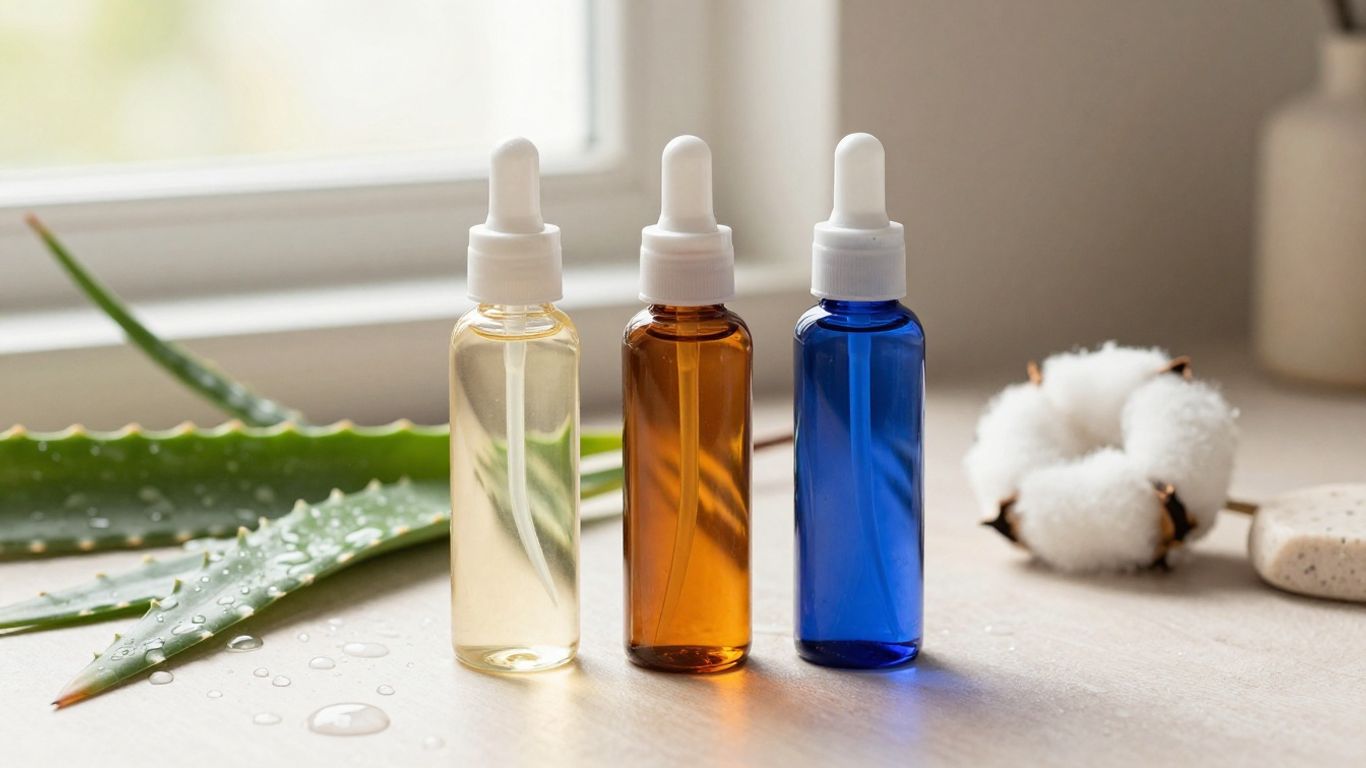
Water-based lubricants for easy cleanup and versatility
Water-based lubricants rinse away readily, work well for many everyday uses, and are commonly chosen for their versatility. They can dry sooner than other bases, especially during a longer session, so reapplication may be part of the experience. Some contain humectants or botanical ingredients that affect texture and individual tolerance.
For a first trial, choose an unscented formula with a clear ingredient list and test a small amount. Water-based options can be especially convenient when you want easy cleanup or plan to use a variety of compatible toys.
Silicone-based lubricants for lasting moisture
Silicone-based formulas generally provide lasting glide and can be useful when frequent reapplication is unwelcome or when water is involved. They do not rinse away as quickly as water-based products, which some people like and others find less convenient. Their compatibility with a particular silicone toy needs special care.
Check the toy maker’s guidance before combining the two. A patch test still matters, because a long-lasting base is not automatically comfortable for every person or every external skin type.
Oil-based lubricants and their compatibility concerns
Oil-based lubricants can feel rich and reduce friction for some uses, but they are a poor match for latex condoms because oil can weaken latex. Oils can also be harder to wash away and may stain fabric. “Natural” oil does not remove these practical concerns.
If you choose an oil, confirm the barrier material first and consider whether the intended body area tolerates it. Never assume that a kitchen or cosmetic oil is suitable for internal use simply because it is familiar.
Hybrid formulas for balancing comfort and performance
Hybrid formulas combine base types to balance glide, staying power, and cleanup. Their behavior depends on the exact ingredients, so “hybrid” is a category rather than a guarantee of compatibility. Some may work with condoms but not with every toy, while others may contain additives that sensitive skin dislikes.
Use the package directions as a starting point and introduce the formula on its own. If the product feels sticky, causes stinging, or leaves persistent residue, a simpler base may be a better fit.
Check the ingredient list before buying
The front label can suggest gentleness, but the ingredient panel gives you more useful information. Compare formulas by looking for fragrance, flavor, warming or cooling agents, preservatives, and ingredients you have reacted to before. Keeping a short record of products and symptoms can make the pattern clearer over time.
Arousellube centers water-based, edible personal lubricants made with natural ingredients, but “natural” still needs context: the full formula, intended use, and your own sensitivity matter. Ingredient transparency is more helpful than a broad promise.
Fragrance, flavoring, and warming ingredients to approach cautiously
Fragrance and flavoring can make a product more appealing, but they also add potential triggers for sensitive skin. Warming, cooling, tingling, and strong sensory ingredients may create a sensation that some people enjoy and others experience as burning. If your skin is reactive, begin with a plain, unscented formula.
Do not use a tingling sensation as proof that a lubricant is working. Pleasant sensation should not turn into persistent heat, itching, or soreness after washing.
Preservatives and ingredients that may trigger irritation
Preservatives help protect water-based products from contamination, so their presence is not automatically a problem. Still, some individuals react to particular preservatives, botanical extracts, dyes, or other components. If you have eczema, known allergies, or a history of contact dermatitis, consider discussing recurring reactions with a healthcare professional.
A body-safe lubricant checklist offers a practical way to compare ingredient safety, pH information, testing, and compatibility without treating one “free from” claim as a complete assessment.
Glycerin, propylene glycol, and other commonly discussed ingredients
Glycerin and propylene glycol appear in many personal-care formulas, and people often discuss them in relation to irritation or vaginal comfort. Their presence does not predict the same response in everyone, but a person with repeated symptoms may reasonably choose to avoid a familiar trigger while testing alternatives. The whole formula, concentration, pH, and personal history matter more than a single ingredient in isolation.
Make one change at a time. If you switch lubricant, condom, wash, and toy together, it becomes much harder to identify what helped or caused a reaction.
How to assess “natural,” organic, and hypoallergenic claims
“Natural,” “organic,” and “hypoallergenic” are not universal guarantees that a product will suit your body. Botanical ingredients can still irritate, and hypoallergenic usually means lower likelihood of reaction rather than zero risk. Look for a complete ingredient list, clear directions, intended-use information, and credible quality practices.
The brand brief for Arousellube describes non-GMO, vegan, third-party tested formulations and a focus on body-safe ingredients. Those qualities may matter to shoppers, but they should still be considered alongside the actual ingredient panel and your own response.
Match the lubricant to condoms and sex toys
Compatibility is part of safety, not an afterthought. A lubricant can feel excellent and still be unsuitable for a latex condom or a particular toy material. Check both packages, especially when combining a lubricant with a new barrier or device.
The same caution applies when moving between activities. Clean the toy as directed, use enough lubricant to reduce friction, and replace a condom if it slips, breaks, or has been exposed to a product that may weaken it.
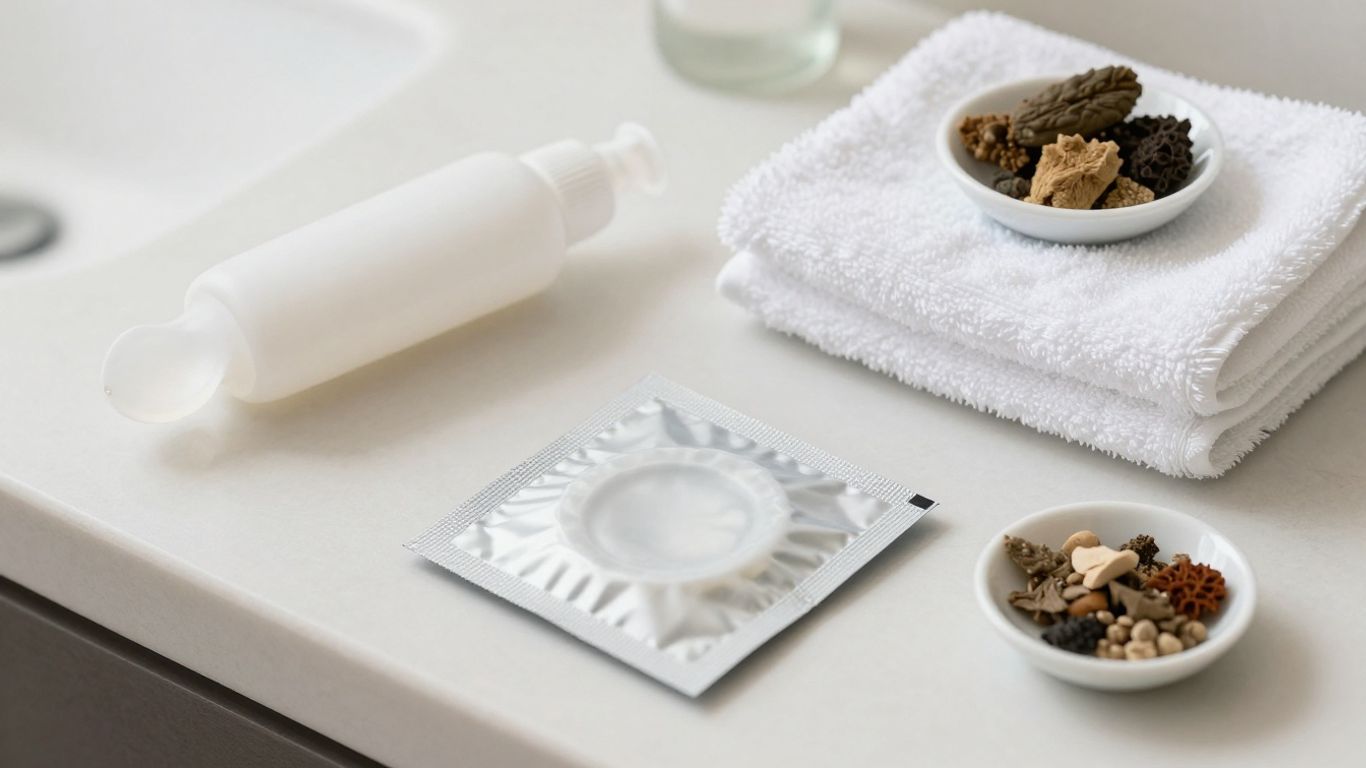
Lubricant compatibility with latex condoms
Water-based and many silicone-based lubricants are generally used with latex condoms, but the product label is the final reference. Oil-based products should not be paired with latex. If a package does not clearly state compatibility, choose a different option or contact the manufacturer before use.
Use a fresh condom for each act and avoid storing condoms next to heat, sharp objects, or oils. Lubricant supports safer sex; it does not replace condoms or other barrier methods.
Why oil-based products can weaken latex
Oil can degrade latex, making a condom more likely to break even when it appears intact. This includes products that seem mild, such as body oils, petroleum-based products, and some natural oils. The issue is material compatibility, not whether the oil feels gentle on skin.
If oil is part of the plan, use a barrier specifically compatible with it and follow the barrier maker’s directions. When in doubt, a compatible water-based or silicone-based formula is the simpler choice.
Choosing a formula for silicone, rubber, and plastic toys
Toy materials vary, and labels such as silicone, rubber, elastomer, and plastic do not all behave the same way. Silicone-based lubricant may damage or make some silicone toys tacky, while porous materials can retain residue. Water-based lubricant is often a flexible starting point, but the toy manufacturer’s instructions take priority.
Clean the toy before and after use according to those instructions. If the surface changes, becomes sticky, or develops an odor, stop using it until you have established whether the lubricant or cleaning method caused the change.
How to use enough lubricant without compromising protection
Apply enough to reduce drag, then add more before friction returns. A small amount spread over a larger area may dry quickly and encourage pressure or repeated rubbing. More lubricant does not compromise a condom, but an incompatible lubricant can, so compatibility comes first.
Check the condom during use if there is unusual friction or slipping. Reapply around the outside as needed, and replace the condom if its integrity is uncertain.
Test and use lubricant more safely
A careful first use does not need to feel clinical or disruptive. Choose a quiet time, keep the original packaging nearby, and avoid introducing several new products at once. That gives you a better chance of identifying what your body likes.
The goal is not to eliminate every sensation. It is to distinguish normal texture or slipperiness from signs that your skin is objecting.
How to perform a small patch test
Place a small amount on an area of external skin, such as the inner forearm, and leave it undisturbed according to the product directions. Rinse gently if the label says to do so, then watch for redness, itching, swelling, or burning over the next day. A patch test cannot guarantee internal tolerance, but it can reveal an obvious external reaction before intimate use.
If the test is comfortable, use a small amount externally first rather than applying a generous amount internally. Stop immediately if discomfort begins.
Applying, reapplying, and reducing friction
Apply lubricant before friction becomes uncomfortable, not only after the skin feels dry. Reapply when glide decreases, and add more if the activity changes or a toy needs additional lubrication. Slow down when needed; technique and communication often reduce friction as much as the product does.
For many people, these simple habits make the biggest difference:
- Apply a small amount first and add more gradually.
- Reapply before dryness turns into rubbing or soreness.
- Use a compatible lubricant on the toy and the body when appropriate.
- Pause if the texture changes, pills, or starts to sting.
The right amount is the amount that keeps movement comfortable without creating distracting residue. Your comfort is useful feedback, not an inconvenience.
Washing off lubricant without over-cleaning sensitive skin
Warm water and a gentle, fragrance-free cleanser on external skin are often enough, unless the product directions say otherwise. Avoid scrubbing, douching, or using perfumed washes internally; these can disturb already-sensitive tissue and make symptoms harder to interpret.
Pat dry rather than rubbing, and wash toys according to their material and care instructions. If residue persists or irritation follows even gentle cleanup, reconsider the formula rather than increasing the intensity of washing.
When to stop using a product
Stop if you notice burning, marked itching, swelling, hives, a rash, or pain that does not quickly settle. Remove the product gently from external skin and avoid retrying it just to confirm the reaction. Seek urgent care for severe swelling, trouble breathing, or other signs of a serious allergic response.
A mild change in texture is not the same as a medical symptom, but uncertainty is a good reason to pause. Keep the package so you can share the ingredient list if professional advice becomes necessary.
Handle irritation and choose a better formula
Finding a comfortable lubricant can take more than one attempt, especially when skin is already irritated. Approach the process as observation rather than trial-and-error with many products at once. A simple formula, adequate lubrication, and careful compatibility checks give you a clearer starting point.
Persistent symptoms should shift the focus from shopping to healthcare. A lubricant can reduce friction, but it cannot treat an infection, dermatologic condition, or pelvic pain disorder.
Symptoms that may signal contact irritation
Contact irritation may appear as stinging, redness, itching, dryness, rash, or swelling where the product touched. Symptoms can start during use or develop later, and they may worsen after repeated exposure. Fragrance, flavoring, warming ingredients, preservatives, or a material used with the lubricant can all be possible contributors.
Stop the suspected product and keep the label. If symptoms improve after avoiding it, do not assume that every lubricant will cause the same reaction; compare ingredients carefully before trying again.
How to distinguish irritation from infection symptoms
Irritation often follows product contact and may be concentrated on the skin, while infection can involve unusual discharge, strong odor, sores, urinary discomfort, pelvic pain, or symptoms that continue after the product is removed. These patterns overlap, so they cannot reliably be diagnosed by reading a lubricant guide.
A vaginal comfort and pH guide can explain why pH and osmolality are discussed, but it should not replace testing or clinical advice when symptoms are persistent, unusual, or worsening.
When to contact a healthcare professional
Contact a healthcare professional for ongoing pain, bleeding not explained by your menstrual cycle, sores, significant swelling, unusual discharge or odor, fever, urinary symptoms, or repeated reactions. Seek prompt help if symptoms are severe or appear after a possible allergic exposure. Pain during sex deserves attention even when a lubricant provides temporary relief.
Bring the product name, ingredient list, timing of symptoms, and any new condoms, toys, washes, or medications. That information can make the evaluation more useful.
How to track ingredients and identify personal triggers
Write down the product, base, notable ingredients, activity, condom or toy material, and symptoms. Add the time symptoms began and how long they lasted. After a reaction has settled, change only one variable at a time so that your personal pattern becomes easier to see.
Over time, this record may reveal that your best formula is fragrance-free, water-based, silicone-based, or simply free of one ingredient you repeatedly do not tolerate. Arousellube’s focus on water-based, edible lubricants made with natural ingredients may fit some preferences, but the final test is always individual comfort and compatible use.
Conclusion
A gentle lubricant begins with a clear ingredient list, appropriate pH and osmolality information, and careful matching to condoms and toys. Start with a small patch test, use enough to reduce friction, and treat persistent pain or unusual symptoms as reasons to seek professional care. With that approach, choosing a sex lubricant for sensitive skin becomes a thoughtful part of safer, more comfortable intimacy.
Frequently Asked Questions
What is the best lubricant for sensitive skin?
There is no universal best choice, but a fragrance-free formula with a transparent ingredient list and a base suited to your activity is a sensible starting point. Patch-test it and confirm compatibility with condoms and toys.
Is water-based lubricant better for sensitive skin?
Water-based lubricant is often convenient because it cleans up easily and can suit many uses, but individual tolerance varies. Check the full ingredient list and be prepared to reapply if it dries during use.
Can lubricant cause burning or itching?
Yes. Fragrance, flavoring, warming ingredients, preservatives, friction, or an allergy may contribute to burning or itching. Stop using the product if symptoms appear and seek medical advice if they persist or are severe.
Is oil-based lubricant safe with latex condoms?
No. Oil-based products can weaken latex and increase the chance of condom failure. Check the lubricant and condom instructions and choose a compatible combination.
How can I test a lubricant before sex?
Apply a small amount to external skin such as the inner forearm and observe for redness, itching, swelling, or burning. A patch test cannot guarantee internal tolerance, so introduce the product cautiously.
Does “natural” mean a lubricant is hypoallergenic?
No. Natural ingredients, including botanicals and essential oils, can still irritate or trigger allergies. Judge the product by its complete ingredient list, directions, quality information, and your own response.
When should lubricant irritation be checked by a clinician?
Seek care for persistent or severe burning, swelling, rash, sores, unusual discharge, strong odor, urinary symptoms, bleeding, fever, or ongoing pain during sex. These symptoms may need evaluation beyond changing lubricant.





































































