

Posted by Mike
on August 27, 2026

Key Takeaways
Sensitive skin usually benefits from a simple formula, careful ingredient screening, and a little patience when trying something new.
- Fragrance-free, water-based formulas are versatile and easy to rinse away.
- Glycerin-free and pH-balanced options may be useful for irritation-prone users.
- Silicone-based lubricant can provide longer-lasting glide, but check toy compatibility.
- Condom and toy materials matter as much as the lubricant’s texture.
- Persistent burning, itching, pain, or unusual discharge deserves medical attention.
1. Best overall personal lubricant for sensitive skin
The best personal lubricant for sensitive skin is rarely the most elaborate one. A short, transparent ingredient list, no added fragrance, and a texture that feels comfortable are more useful starting points than flashy sensations or intense flavors. Water-based formulas are often a practical first choice because they are versatile and generally simple to clean.
Arousellube offers water-based, edible personal lubricants made with natural ingredients. That combination can suit shoppers who want an intimate essential that supports pleasure while keeping the formula’s purpose clear. Still, even a thoughtfully positioned product should be tested gradually, since individual sensitivities vary.
Before using a new lubricant internally, place a small amount on less sensitive skin and wait to see how it feels. Use only the amount needed, add more when friction returns, and stop if stinging or persistent discomfort develops. For additional guidance, this body-safe lubricant guide explains how ingredient choices, patch testing, and formula types fit together.
2. Best fragrance-free water-based lubricant
Fragrance-free water-based lubricant is a sensible option when scent, flavoring, or unnecessary sensory additives have caused trouble in the past. Water-based formulas can work for many kinds of intimacy and are usually easier to wash from skin and fabric than oil-based products. They may need reapplication, especially during longer sessions or in water.
Look for “fragrance-free” rather than assuming “natural” means scentless. Plant-derived ingredients can still bother some people, and a familiar label does not predict how your own skin will respond. The most useful comparison is the full ingredient list alongside your personal history of irritation.
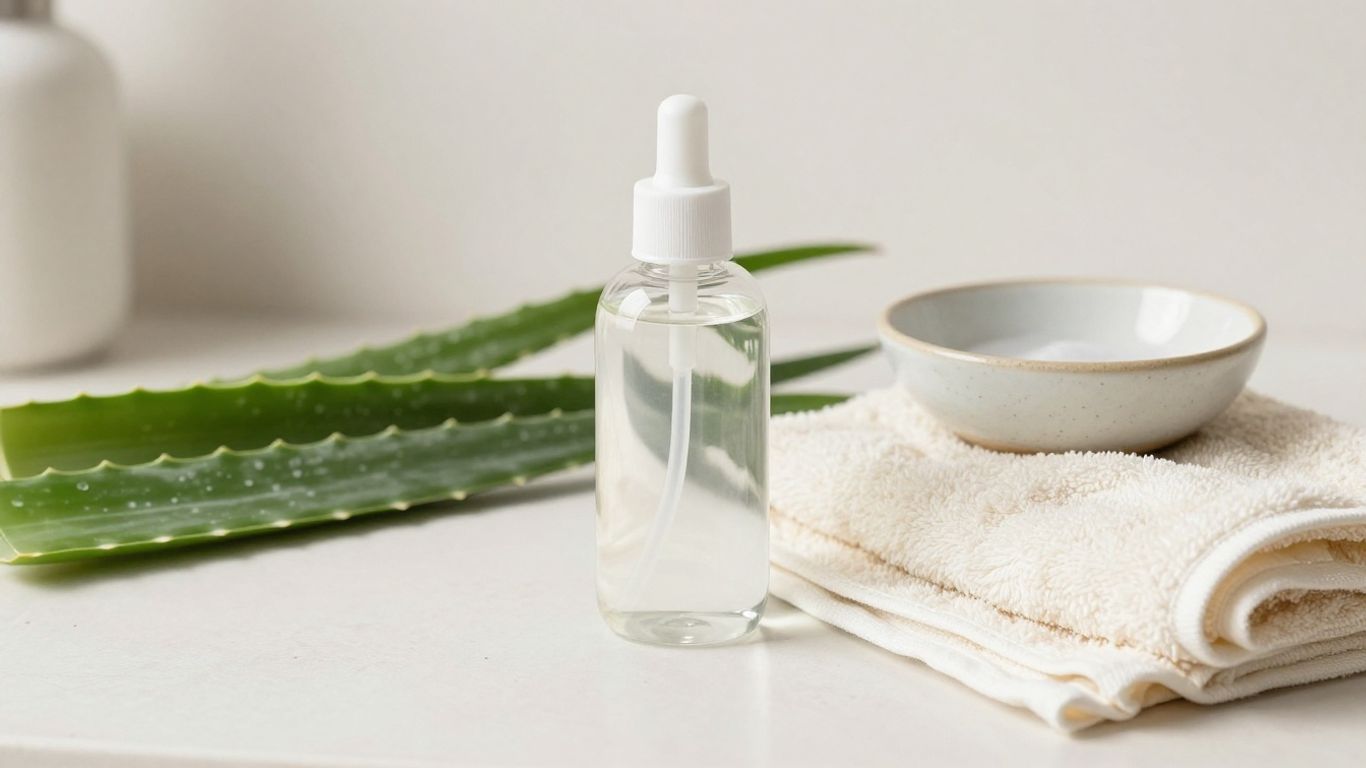
Arousellube’s water-based, edible format made with natural ingredients is relevant for people seeking a simple, pleasure-oriented option without moving to an oil base. Apply a small amount first, then consider whether the glide, cleanup, and comfort remain satisfactory after several minutes. Those practical details often matter more than marketing language.
3. Best glycerin-free lubricant for irritation-prone skin
Glycerin-free lubricant can be worth considering when you have repeatedly noticed irritation after using products with glycerin. Removing one ingredient does not make a formula universally gentle, though. Fragrance, warming agents, preservatives, flavors, and a formula’s overall concentration can also affect comfort.
Read the label slowly and compare it with products that have previously worked for you. If you are prone to reactions, changing only one variable at a time makes it easier to identify the likely cause. A sensitive-skin ingredient guide can also help you review common ingredients without reducing the decision to one “good” or “bad” substance.
A useful screening routine is simple:
- Check whether glycerin appears in the ingredient list.
- Look for added fragrance, color, warming, or tingling claims.
- Patch test externally before internal use.
- Keep the first trial brief and stop at the first sign of burning.
That process is more reliable than choosing a bottle solely because it says “gentle.” If symptoms continue after stopping the product, the lubricant may not be the underlying cause and a clinician can help investigate further.
4. Best pH-balanced lubricant for vaginal comfort
A pH-balanced lubricant is designed with vaginal comfort in mind, but the phrase should not be treated as a guarantee against irritation or infection. Vaginal chemistry is personal and can change with hormones, medications, postpartum recovery, or other health conditions. The right product should feel comfortable rather than cause burning, itching, or a lingering change in symptoms.
Choose a formula that clearly explains its intended use and lists its ingredients. Avoid treating pH alone as the deciding factor; fragrance-free, glycerin-free, and otherwise suitable ingredients may matter just as much for someone with a sensitive history. A pH-balanced lubricant guide offers a useful way to compare those considerations.
The table below gives a quick framework for matching the base to the situation. It is a starting point, not a substitute for medical advice when discomfort is recurring.
| Feature | Why it may help | What to check |
|---|---|---|
| pH-balanced formula | May feel more suitable for vaginal use | Intended use and complete ingredients |
| Water-based base | Versatile and generally easy to clean | Whether reapplication is needed |
| Fragrance-free formula | Removes a common source of added scent | Confirm the label says fragrance-free |
| Glycerin-free formula | May suit people who avoid glycerin | Review the entire ingredient list |
Use the smallest amount that provides comfortable glide, and rinse gently afterward if that feels better for you. If a pH-balanced product causes symptoms, discontinue it rather than assuming you need to “adjust” to the formula.
5. Best aloe vera-based personal lubricant
Aloe vera-based personal lubricant appeals to people who like plant-derived ingredients and a lighter, soothing-feeling texture. Aloe is not automatically appropriate for every sensitive person, however; the finished formula, preservatives, and any added fragrance still deserve attention. Choose a product made for intimate use rather than using household aloe gel as a substitute.
Natural ingredients can support a thoughtful formulation, but “natural” is not the same as hypoallergenic. Test a small amount first, especially if you have reacted to botanical skincare products before. Comfort should be assessed across the whole experience, including application, friction, cleanup, and how your skin feels later.
Arousellube makes water-based, edible personal lubricants with natural ingredients, which fits the preference for plant-derived comfort and a product intended to enhance pleasure. Keep the bottle clean, avoid sharing an opened applicator, and follow its package directions. If the product feels sticky or dries quickly, adding a little more water-based lubricant is generally more useful than continuing through discomfort.
6. Best silicone-based lubricant for long-lasting use
Silicone-based lubricant is often considered when a longer-lasting glide is the priority. Unlike water-based formulas, it does not evaporate as quickly and can be convenient for extended intimacy or shower use. It can also feel richer, so texture preference matters as much as staying power.
Compatibility requires extra care. Silicone lubricant is generally suitable with latex condoms, but some silicone toys may be affected by silicone-based formulas; check the toy manufacturer’s instructions and patch test the lubricant on the toy when guidance is unclear. A personal lubricant selection guide provides a broader comparison of bases, viscosity, condoms, and toys.
The following comparison keeps the trade-offs visible rather than presenting one base as best for everyone.
| Lubricant base | Main advantage | Main consideration |
|---|---|---|
| Water-based | Versatile and easy to clean | May require reapplication |
| Silicone-based | Longer-lasting glide | Check silicone-toy compatibility |
| Oil-based | Rich, cushiony feel | May compromise latex condoms |
| Hybrid | Blends characteristics of bases | Read compatibility guidance carefully |
Silicone can be a strong choice when reapplication is inconvenient, but it may take more effort to wash away. Use a mild cleanser on skin and follow the care instructions for any toy or fabric involved.
7. Best lubricant for use with condoms
When condoms are part of the plan, the lubricant’s base is a safety consideration, not merely a texture preference. Water-based lubricants are a widely useful starting point, while silicone-based products may also work with latex when the product directions say so. Oil-based products can weaken latex, so they should not be casually substituted.
Check both the condom package and the lubricant label before use. Use enough lubricant to reduce friction, since dryness can make intimacy uncomfortable and may contribute to condom breakage. Do not assume that a “natural” or edible formula is compatible with every condom material.
Arousellube’s documented format is water-based and edible, with natural ingredients. That makes it relevant to readers looking for a water-based option, but the package directions remain the final reference for compatibility. If a condom slips, breaks, or causes irritation, stop and address the situation rather than adding more lubricant automatically.
8. Best lubricant for people prone to yeast infections
People who frequently experience yeast infections may want to avoid formulas that have previously coincided with itching, redness, or unusual discharge. Glycerin, fragrance, and warming ingredients are common points to review, although no single ingredient explains every reaction. Symptoms after sex can also have causes unrelated to lubricant.
Choose a simple formula and keep a record of what you use, including condoms, toys, soaps, and laundry products. That information can help reveal patterns over time. A guide to lubricant-related itching discusses ingredient screening and why persistent symptoms should not be dismissed as a normal response.
Do not use lubricant as a treatment for a suspected yeast infection. Thick discharge, significant redness, ongoing itching, pain, or symptoms that return repeatedly should be assessed by a healthcare professional. A product that feels fine on one occasion can still be unsuitable if symptoms consistently follow its use.
9. Best lubricant for anal and vaginal use
A lubricant for anal and vaginal use needs to provide comfortable glide for the activity without forcing you to ignore friction or pain. The anus does not self-lubricate in the same way, so a generous amount and gradual application are especially important. A thicker formula may stay in place better, while a lighter water-based option may be easier to clean.
Never move a toy or penis from the anus to the vagina without washing it or changing the condom. That simple step helps reduce the transfer of bacteria. Use separate lubricant from clean packaging when practical, and stop if sharp pain, bleeding, burning, or numbness occurs.
Arousellube is documented as a water-based, edible personal lubricant made with natural ingredients, so its water-based format may appeal to people who prefer easier cleanup. The product’s documented description does not establish suitability for every specific activity, so follow the label and choose a formula whose stated use matches your needs. Comfort and hygiene should guide the decision together.
10. Best budget-friendly personal lubricant for sensitive skin
A budget-friendly lubricant does not have to be the cheapest bottle on the shelf. Value comes from finding a formula you can use comfortably, in a size that suits your routine, without repeatedly buying products that trigger irritation. A plain, versatile water-based lubricant is often a practical place to start.
Compare the price per ounce, not just the sticker price, and consider whether the product dries quickly or requires frequent reapplication. Fragrance-free and glycerin-free preferences may narrow the field, but a shorter ingredient list can make future troubleshooting easier. If you want more comparisons, this water-based lubricant overview covers comfort, cleanup, pH balance, and ingredient considerations.
Buy the smallest reasonable size when trying a new formula, especially if your skin is reactive. Store it according to the package instructions and discard it if the texture, smell, or color changes. The best personal lubricant for sensitive skin is ultimately the one that provides comfortable glide without symptoms and fits consistently into your budget.
Conclusion
Choosing a gentle lubricant comes down to matching the base, ingredients, intended use, and personal comfort rather than chasing a universal winner. Start simply, test carefully, confirm condom and toy compatibility, and seek medical advice for persistent symptoms so intimacy can remain comfortable and safe.
Frequently Asked Questions
What lubricant base is usually best for sensitive skin?
A fragrance-free water-based formula is often a practical first option because it is versatile and easy to clean. Individual reactions vary, so patch testing and careful label reading still matter.
Is water-based lubricant safe to use with condoms?
Water-based lubricant is generally compatible with latex condoms, but always follow the specific instructions on both products. Use enough to reduce friction and replace a condom if it breaks or slips.
Can glycerin cause irritation?
Some people prefer to avoid glycerin after noticing irritation, but reactions have multiple possible causes. Review the full ingredient list and consult a clinician if symptoms persist or recur.
Is silicone lubricant better for long sessions?
Silicone lubricant often lasts longer than water-based lubricant and may need fewer applications. Check compatibility with silicone toys and follow the manufacturer’s care guidance.
Can lubricant prevent yeast infections?
Lubricant does not prevent or treat yeast infections. If itching, redness, pain, or unusual discharge develops, stop using the suspected product and seek appropriate medical advice.
Should I use aloe vera gel as personal lubricant?
Only use aloe vera products specifically formulated and labeled for intimate use. Household or skincare gels may contain ingredients that irritate sensitive tissue.
When should I see a doctor about lubricant-related discomfort?
Seek medical advice for persistent burning, itching, pain, bleeding, unusual discharge, or symptoms that repeatedly return after sex. These signs may have causes that require diagnosis and treatment.





































































