

Posted by Mike
on August 03, 2026

Key Takeaways
Personal lubricant can reduce friction and make intimacy more comfortable, but the formula and the way it is used matter. Most reactions are mild and temporary, though persistent or severe symptoms deserve medical attention.
- Burning, itching, redness, swelling, or unusual discharge can signal irritation or sensitivity.
- Water-, silicone-, and oil-based lubricants have different cleanup and compatibility considerations.
- Oil-based products can weaken latex condoms and increase the chance of breakage.
- Fragrance, flavor, warming ingredients, and spermicides may be troublesome for sensitive tissue.
- Stop using a product that causes symptoms and seek care when discomfort persists or becomes severe.
What sex lubricant gel is and why side effects can occur
Sex lubricant gel is applied to skin or mucous membranes to reduce friction during intimate contact. It can be useful when natural lubrication is limited, and it may make movement feel smoother and more comfortable. Still, genital and anal tissue can be sensitive, so a product that feels pleasant for one person may cause discomfort for another. Understanding the base and the additives is a practical way to reduce sex lubricant gel side effects.
How personal lubricants reduce friction
During arousal, the body may produce additional moisture, but the amount varies with hormones, medication, stress, hydration, and the type or length of sexual activity. A personal lubricant adds a temporary slippery layer between surfaces, helping reduce rubbing and the soreness that can follow it. It does not replace attention to pain: discomfort that continues despite using lubricant should be taken seriously.
A lubricant is best viewed as one part of comfortable intimacy rather than a way to push through pain. Applying a small amount before friction begins and adding more as needed is often more comfortable than waiting until tissue feels tender. A practical personal lubricant gel guide can also help compare bases, toy materials, and barrier compatibility.
Common ingredients in lubricant gels
Formulas may contain water, silicone, oils, humectants, preservatives, thickeners, botanical ingredients, flavors, or sensory agents. Ingredients that attract water can affect texture and may feel different as the product dries. Preservatives help protect a formula from contamination, but some people can react to particular preservatives or other components.
“Natural” does not automatically mean non-irritating. Plant-derived ingredients, flavorings, and essential oils can still bother sensitive skin, especially when used internally. Reading the complete label is more useful than relying on a broad marketing description.
Why vaginal, anal, and oral use can involve different risks
Vaginal tissue has its own pH and microbial environment, while anal tissue does not produce the same natural lubrication and can be more vulnerable to friction-related injury. Oral use introduces another consideration: a product should be clearly labeled for oral contact, and ingredients that are harmless on external skin may not be intended for swallowing. A product suitable for one type of contact should not automatically be assumed suitable for every type.
Anal sex may require a generous amount of lubricant and repeated application because the body does not provide the same lubrication as the vagina. Barrier methods still matter, and lubricant should not be used as a substitute for safer-sex practices. For oral contact, flavored products may be appealing, but their additives can be irritating for some people.
Factors that increase irritation or discomfort
Sensitivity can be increased by small cuts, shaving, eczema, dermatitis, vaginal dryness, recent treatment for an infection, or vigorous activity. Using too much product is not always the cause, but repeated exposure to a troublesome ingredient can make symptoms more noticeable over time. Washing with harsh soap or douching after sex may add further irritation.
Other factors include a formula with fragrance or warming agents, a mismatch between lubricant and condom, and leaving residue on the skin for a long period. If a person has recurring reactions, a clinician can help distinguish product sensitivity from an underlying condition.
Common sex lubricant gel side effects
Side effects may appear immediately or several hours after use. Mild stinging can result from irritation, while itching, swelling, or a rash may suggest a sensitivity or allergic response. Because similar symptoms can occur with infections and skin conditions, the timing of a reaction is helpful but not definitive.
The image below illustrates the kinds of visible skin changes a person might notice, although not every reaction looks the same.
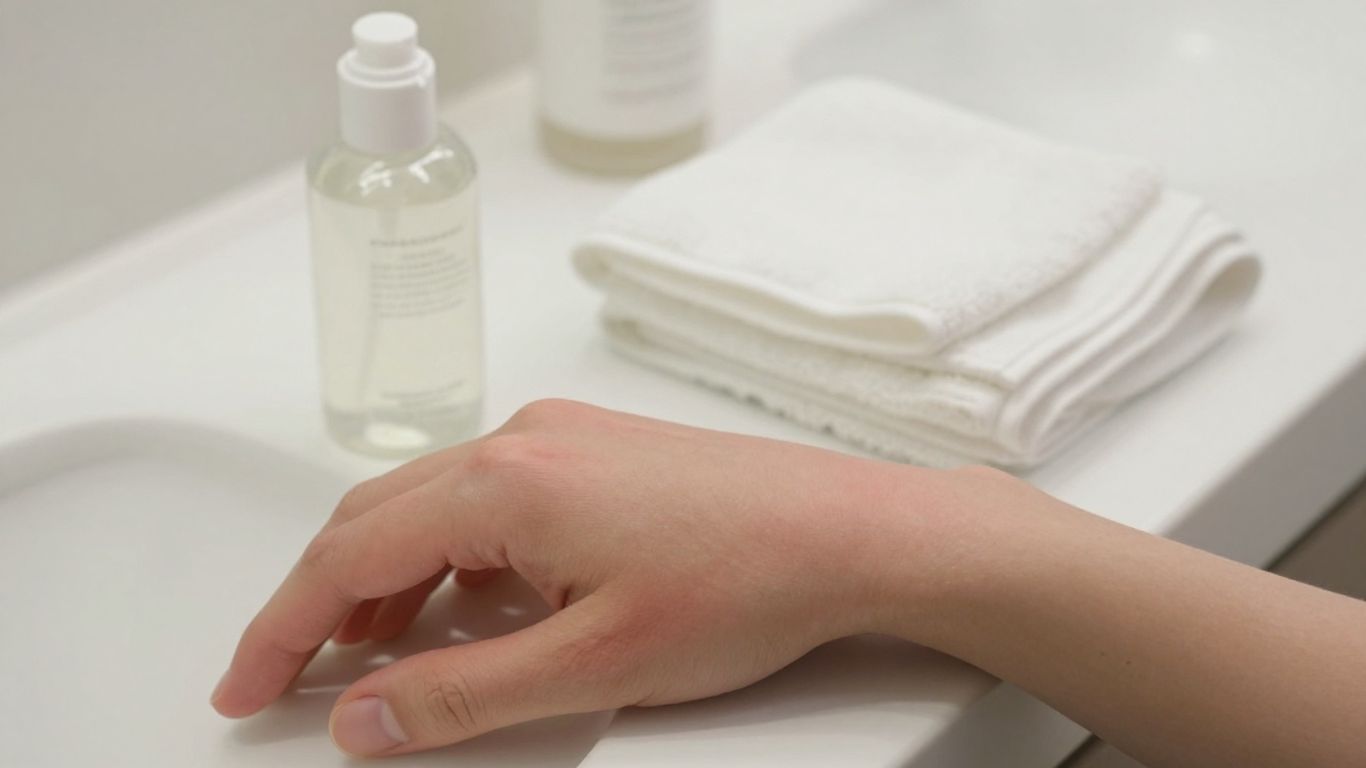
Burning, stinging, or itching
A brief sensation may occur when a product touches already irritated tissue, but persistent burning or itching is a reason to rinse gently and stop using the formula. Fragrance, flavor, warming or cooling agents, and certain preservatives can be triggers. Avoid scratching, since broken skin is more vulnerable to additional irritation.
If the sensation fades promptly after the product is removed, simple irritation is possible. If it returns with every use, becomes stronger, or occurs without lubricant exposure, an evaluation can help identify another cause.
Redness, swelling, or skin irritation
Redness may occur where the gel touched the skin, particularly after friction or repeated washing. Swelling is more concerning when it is pronounced, spreading, or accompanied by hives, facial swelling, or breathing difficulty. A cool compress over clothing can be soothing, but products such as perfumed creams should not be added to the area.
External irritation can also result from condoms, toys, cleansing products, or semen, not just lubricant. Consider the full context of the encounter rather than assuming the gel is responsible solely because it was the newest product.
Changes in vaginal discharge or odor
A change in discharge, odor, color, or texture after lubricant use may reflect temporary residue, but it can also point to bacterial vaginosis, yeast overgrowth, or another infection. Lubricant by itself cannot diagnose the cause. New pelvic pain, pain with urination, bleeding, or symptoms after a new sexual exposure deserves professional advice.
Do not douche to remove an odor or discharge. Douching can disturb the vaginal environment and make irritation harder to interpret. A healthcare professional can recommend testing or treatment when needed.
Allergic reactions and contact dermatitis
Contact dermatitis is an inflammatory skin response that may cause itching, redness, dryness, scaling, or small bumps where an ingredient touched the body. An allergy can develop even if a person has used similar products before. Repeated exposure is not a good way to “get used to” a reaction.
Stop using the suspected formula and keep the container or ingredient list available if medical advice is needed. Swelling of the lips, tongue, or throat, widespread hives, or trouble breathing requires urgent help rather than home observation.
Temporary discomfort after use
Some discomfort can come from friction, prolonged activity, dryness, or a formula drying before it is reapplied. Water-based products may need more frequent application, while a thicker product may leave a noticeable coating. Mild, short-lived discomfort that resolves after washing is different from pain that persists or worsens.
Pay attention to the pattern. Persistent pain needs attention even when it began during an otherwise ordinary experience, and recurring discomfort may call for a change in product or a medical assessment.
How lubricant ingredients affect safety
The base of a lubricant affects how it feels, how long it lasts, how it washes away, and whether it is compatible with condoms or toys. No single base is ideal for everyone. A useful comparison focuses on the intended activity, the materials involved, and the user’s skin sensitivity rather than on texture alone.
Water-based lubricants and their typical limitations
Water-based lubricants are often versatile and generally easy to clean. They may be a practical choice with many condoms and toys, but they can dry more quickly than silicone- or oil-based formulas, particularly during longer activity. Reapplication is normal and does not mean the product is ineffective.
Some water-based formulas contain humectants, preservatives, or sensory additives that do not suit everyone. If the gel becomes sticky or uncomfortable, adding a little more may help; if burning begins, remove it instead of continuing to apply more.
Silicone-based lubricants and product compatibility
Silicone-based lubricants commonly provide a lasting glide and can be useful around water. They are generally compatible with latex condoms, but compatibility with silicone toys can vary because some formulas may affect certain silicone materials. Follow the toy manufacturer’s guidance and test cautiously when instructions are unclear.
Silicone products can be more difficult to wash from fabric or skin than water-based gels. Their durability can be helpful, but it also means residue may remain if the area is not cleaned gently after use.
Oil-based lubricants and latex condom damage
Oil-based products can feel rich and last for a long time, yet oils may weaken latex and increase the likelihood of condom breakage. This includes some household oils and petroleum-based products, not just products sold specifically as lubricant. If latex is part of the safer-sex plan, choose a compatible base instead.
Oil can also be harder to remove and may stain fabrics. A product that feels smooth is not necessarily appropriate for every barrier or toy, so material compatibility should be checked before use.
Fragrances, flavors, warming agents, and spermicides
Sensory additives can make a product more appealing, but they also add more potential sources of irritation. Warming or cooling sensations are not a measure of safety or effectiveness, and a flavor suitable for oral use may still bother vaginal or anal tissue. Spermicides can be irritating for some users and should not be treated as a general-purpose lubricant ingredient.
For people who react easily, a short ingredient list without fragrance is often a simpler starting point. A specialized product such as ArouselLube Intensifying Gel should be used only according to its stated directions and with attention to its ingredient and compatibility information.
Osmolality, pH, and vaginal comfort
pH describes acidity, while osmolality describes the concentration of dissolved substances in a formula. Both can influence how a lubricant feels on vaginal tissue, although a label may not always provide complete technical details. A product described as pH-balanced may be preferable for vaginal use, but it still can cause irritation in an individual user.
Ingredient transparency and careful observation matter more than a single label claim. People with recurring vaginal symptoms should discuss lubricant choices with a clinician rather than trying to manage repeated reactions indefinitely.
Health risks linked to inappropriate lubricant use
Most problems linked with lubricant are preventable by choosing a product for the intended body area and barrier method. The main concerns include irritation, condom failure, friction-related injury, and confusion between a product reaction and an infection. These risks are not a reason to avoid lubricant altogether; they are a reason to use it thoughtfully.
The following visual offers a simple context for safer product selection and storage habits.
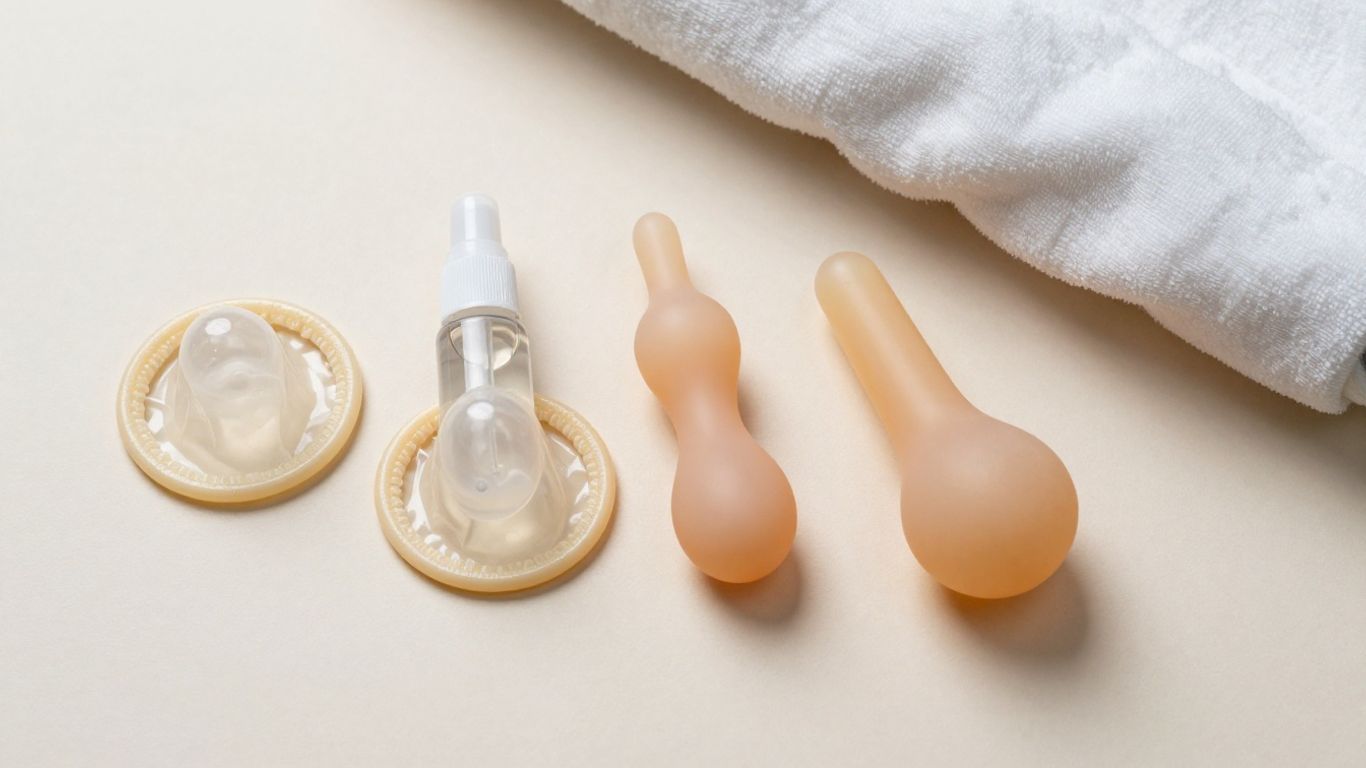
Increased irritation and vaginal microbiome disruption
Some formulas may disturb the vaginal environment or irritate tissue, particularly when they contain additives that a person does not tolerate. Symptoms can include itching, burning, unusual discharge, or odor, but these signs are not specific enough to identify the cause. Frequent symptoms should be assessed rather than repeatedly covered with a new lubricant.
Avoid douching and strongly scented washes, which can compound the problem. A lubricant side effects overview can help frame common reactions, but medical advice is more appropriate for symptoms that persist.
Higher risk of condom breakage
The clearest compatibility concern is oil with latex. If an oil-based product weakens a latex condom, the barrier may tear or slip without being obvious immediately. Water-based and many silicone-based products are commonly chosen with latex, but the package directions remain the best source for a particular formula.
The same care applies to dental dams and other latex barriers. If a condom breaks, consider time-sensitive options for pregnancy or infection prevention and speak with a healthcare professional or pharmacist promptly.
Concerns when using lubricants during anal sex
Anal tissue can be injured by friction, and small tears may increase discomfort and exposure to infection. Use enough compatible lubricant, proceed gradually, communicate clearly, and reapply when the surface begins to feel less slippery. Numbing ingredients are not a safety feature because they can mask pain that would otherwise signal the need to stop.
A condom or other barrier can reduce exposure to bodily fluids, but it cannot prevent every injury caused by force or inadequate lubrication. Pain, bleeding, or soreness that does not settle should be evaluated.
Risks from flavored or nonsexual household products
Food oils, petroleum jelly, body lotion, shampoo, and other household products are not interchangeable with a product designed for intimate contact. They may contain fragrances, detergents, preservatives, or a texture that irritates mucosal tissue. Some can also damage latex or be difficult to clean.
Flavored lubricant intended for oral use may be a better fit than a household substitute, but it should still be checked for its intended use and tolerated cautiously. If a product causes burning or swelling, remove it rather than trying to dilute the sensation with another product.
Possible symptoms of infection versus simple irritation
Irritation often begins soon after exposure and improves when the product is removed, while infections may involve ongoing odor, discharge changes, sores, pelvic pain, fever, or urinary symptoms. These patterns overlap, however, and a person cannot reliably diagnose an infection from timing alone. Testing may be needed, especially after a new partner or possible sexually transmitted infection exposure.
Do not use leftover prescription medication or assume every episode is yeast. A clinician can recommend the appropriate examination and treatment, which is safer than repeatedly switching products without understanding the cause.
How to choose a safer sex lubricant gel
Choosing a lubricant is a small but meaningful part of intimate care. Start with the activity, the barrier method, the toy material, and any history of allergies or recurrent irritation. The best option is one that feels comfortable, fits the intended use, and can be stopped easily if symptoms develop.
Checking the ingredient label
Read the full ingredient list before opening the package, especially when the product will be used internally. Look for the base, fragrance or flavor, warming or cooling agents, preservatives, and any ingredient previously associated with a reaction. A short list can make it easier to identify a trigger if discomfort appears.
Do not rely solely on terms such as “natural,” “pure,” or “hypoallergenic.” Those descriptions do not guarantee that every person will tolerate the formula. When in doubt, ask a pharmacist or clinician about an ingredient that is unfamiliar.
Matching the lubricant to condoms and sex toys
Check whether the lubricant is compatible with the condom material and the toy material. Oil and latex are a particularly important mismatch, while silicone lubricant and silicone toys may require more specific manufacturer guidance. Clean toys according to their care instructions, since residue can affect both comfort and material longevity.
The package should guide the decision, not just the lubricant’s thickness or feel. If a material is unknown, choose a clearly labeled formula or contact the manufacturer before using it with a barrier or toy.
Choosing products for sensitive skin
People with eczema, contact allergies, recurrent irritation, or recent genital discomfort may prefer a fragrance-free formula with fewer sensory additives. Patch testing a small amount on external skin can provide some information, although it cannot guarantee that internal use will be comfortable. Never patch test on broken or already inflamed skin.
A gentle approach also means introducing only one new product at a time. This makes it easier to identify what caused a reaction if symptoms appear.
Selecting lubricant for vaginal, anal, or oral use
Use the product according to its labeled purpose. Vaginal use calls for attention to pH, comfort, and potential irritation; anal use calls for lasting glide and adequate reapplication; oral use calls for clear suitability for oral contact and careful consideration of flavors and additives.
For a product described as an arousal gel, ArouselLube Intensifying Gel is an example of a specialized option whose stated use should be followed rather than assumed to cover every activity. Start with a small amount and stop if the sensation is painful or irritating.
When a specialized or medical lubricant may be appropriate
Persistent vaginal dryness, pain during penetration, menopause-related changes, medication effects, and treatment-related tissue changes may call for more than a standard lubricant. A clinician may recommend a medical moisturizer, a prescribed treatment, pelvic-floor care, or another approach depending on the cause.
A specialized product can be useful when its purpose matches the need, but it is not a substitute for diagnosis. If dryness is frequent or sex remains painful, arrange an evaluation instead of increasing the amount of gel indefinitely.
What to do if side effects develop
The first response to a suspected reaction is simple: stop adding the product, remove residue gently, and observe what happens. Avoid scrubbing, douching, or layering on other scented products. The severity, duration, and associated symptoms will help determine whether home care is reasonable or professional advice is needed.
Steps to take immediately after irritation
Rinse external skin with lukewarm water and pat dry. If the product was used internally, do not try to flush the vagina or rectum with soap or cleansing solutions. Pause sexual activity until the tissue feels normal, and wash a reusable toy according to its instructions.
Write down the product name and, if possible, photograph the ingredient list. That information can be useful if symptoms continue or if a clinician needs to compare the reaction with a previous one.
When to stop using the product
Stop immediately when burning, itching, rash, swelling, or pain begins or clearly worsens after application. Do not retry the product just to confirm the connection, particularly if the first reaction was strong. A product that once felt comfortable can still become irritating after repeated exposure.
Discarding a contaminated or expired product may be sensible, but keep the packaging if a healthcare professional might need the ingredients. Choose a different formula only after symptoms have settled.
When to contact a healthcare professional
Contact a healthcare professional when symptoms last more than a short period after removal, return repeatedly, or include unusual discharge, odor, sores, pelvic pain, urinary discomfort, or bleeding. Medical advice is also appropriate when pain during sex is new, persistent, or limiting normal activity. Recurrent reactions may need evaluation for dermatitis, infection, dryness, or another condition.
If pregnancy, postpartum changes, menopause, immune suppression, or recent antibiotic use is relevant, mention it during the consultation. These details can change the likely explanation and the recommended care.
Symptoms that may require urgent medical attention
Seek urgent help for trouble breathing, throat or tongue swelling, faintness, widespread hives, rapidly increasing swelling, severe pain, heavy bleeding, fever with pelvic pain, or significant rectal bleeding. These symptoms can indicate a serious allergic reaction, injury, or infection. Do not wait for a product reaction to resolve on its own when red-flag symptoms are present.
If a condom breaks and there is concern about pregnancy or sexually transmitted infection exposure, prompt medical or pharmacy guidance can also matter. Time-sensitive options may be available.
How to test a different lubricant more cautiously
Wait until the original symptoms have fully resolved, then choose a formula with a different base or fewer additives rather than changing several products at once. Patch test a small amount externally, check barrier and toy compatibility, and use only a little during the first trial. Stop at the first sign of recurring discomfort.
A calm, gradual process makes it easier to find a comfortable intimate essential without turning experimentation into repeated irritation. Keep communication open with a partner, and treat pain as useful information rather than something to ignore.
Conclusion
Sex lubricant gel side effects are often linked to irritation, an ingredient sensitivity, a formula mismatch, or use on tissue that is already uncomfortable. Reading labels, checking compatibility, choosing products for the intended activity, and stopping when symptoms appear can make lubricant use safer and more comfortable. Persistent, unusual, or severe symptoms deserve care from a qualified professional.
Frequently Asked Questions
Can lubricant cause burning or itching?
Yes. Burning or itching may result from irritation, an allergy, friction, or an additive such as fragrance, flavor, or a warming agent. Stop using the product and seek advice if symptoms persist or recur.
Which lubricant base is safest with latex condoms?
Water-based lubricants and many silicone-based lubricants are commonly compatible with latex, while oil-based lubricants can weaken it. Always check the product and condom packaging for specific compatibility instructions.
Can lubricant cause a vaginal infection?
Some formulas may irritate tissue or disturb the vaginal environment, but discharge, odor, and itching can have many causes. Persistent or unusual symptoms should be assessed rather than attributed to lubricant alone.
Is flavored lubricant safe for oral sex?
Only use a product clearly labeled for oral contact. Flavors and other additives may still irritate some people, and a product intended for oral use should not automatically be assumed suitable for vaginal or anal use.
Can I use household oil instead of personal lubricant?
Household oils, petroleum jelly, lotions, and similar products may irritate intimate tissue, be difficult to clean, or damage latex. A product made for intimate use is a safer starting point.
How long should irritation from lubricant last?
Mild irritation may improve after the product is removed, but there is no reliable duration that applies to everyone. Contact a healthcare professional when symptoms persist, worsen, recur, or occur with discharge, pain, sores, fever, or swelling.
Should I keep using a lubricant if it feels uncomfortable?
No. Stop when a lubricant causes burning, itching, pain, swelling, or another concerning change. Once symptoms resolve, a cautious trial of a clearly labeled alternative may be reasonable, unless medical advice is needed first.