

Posted by Mike
on September 08, 2026

Key Takeaways
A silky personal lubricant should feel comfortable, suit the activity, and work safely with your condoms or toys. The best choice usually comes from matching the formula to your body and preferences rather than chasing the most elaborate label.
- Water-based formulas are versatile and easy to clean.
- Silicone-based formulas usually provide longer-lasting glide.
- Hybrid formulas combine water and silicone characteristics.
- Always check condom, toy, ingredient, and expiration compatibility.
- Start with a small amount and add more as needed.
Understand what makes a lubricant feel silky
A silky feel comes from the way a formula spreads, reduces friction, and changes over time on the skin. Some lubricants feel light and fluid, while others have a thicker cushion or a more gel-like texture. Your preferred sensation may depend on the activity, your natural moisture, and whether you want easy cleanup or extended glide.
Texture, glide, and staying power
Texture is more than a matter of personal taste. A thin formula may spread quickly and feel unobtrusive, while a thicker lubricant can provide more cushioning during prolonged contact. Staying power also matters: a lubricant that dries or becomes tacky may need reapplication, whereas a longer-lasting formula may require more cleanup.
The phrase smooth, comfortable glide is useful when comparing products, but remember that labels do not always predict how a lubricant will feel on your skin. If possible, try a smaller size first and pay attention to whether the formula stays slippery, pills, stings, or leaves an unwanted residue.
Water-based, silicone-based, and hybrid formulas
Water-based lubricants are often the easiest starting point because they are versatile, generally simple to wash away, and commonly suitable for use with condoms and many toys. Silicone-based formulas tend to last longer and can be useful when frequent reapplication would interrupt intimacy. Hybrid formulas combine water with silicone, aiming for a balance of spreadability, glide, and staying power.
For a broader comparison of texture, ingredients, and activity-based choices, this liquid silk lubricant guide offers another useful point of reference. Read the label rather than relying on the word “silky,” since that description can cover several very different formulas.
How skin sensitivity affects lubricant choice
Sensitive skin can react to fragrance, flavor, warming agents, preservatives, or a formula that simply does not suit you. A product that feels pleasant for one person may cause burning, itching, or redness for another. If you have reacted to personal-care products before, a short ingredient list and a fragrance-free option may be a sensible place to begin.
Try a small amount on external skin first, and stop using the lubricant if discomfort develops. Persistent irritation, pain, unusual discharge, or repeated dryness deserves medical advice rather than another round of product testing.
Matching the formula to your preferences
Think about when and where you will use the lubricant. A water-based product may fit everyday use and quick cleanup, while silicone may suit longer sessions or contact with water. If natural and edible ingredients matter to you, Arousellube offers water-based, edible personal lubricants made with natural ingredients for pleasure and intimacy.
Your choice can also reflect the finish you like: fluid, cushiony, moisturizing, or nearly weightless. There is no universal “best” texture, only a formula that feels good, does not irritate you, and works with the materials around it.
Compare the main types of silky personal lubricant
The main lubricant categories differ in their feel, cleanup, and compatibility. Comparing the base first makes the rest of the label easier to understand. Consider the setting as well as the sensation: a formula that works beautifully in bed may be less convenient in the bath or with a particular toy.
Water-based lubricants for everyday versatility
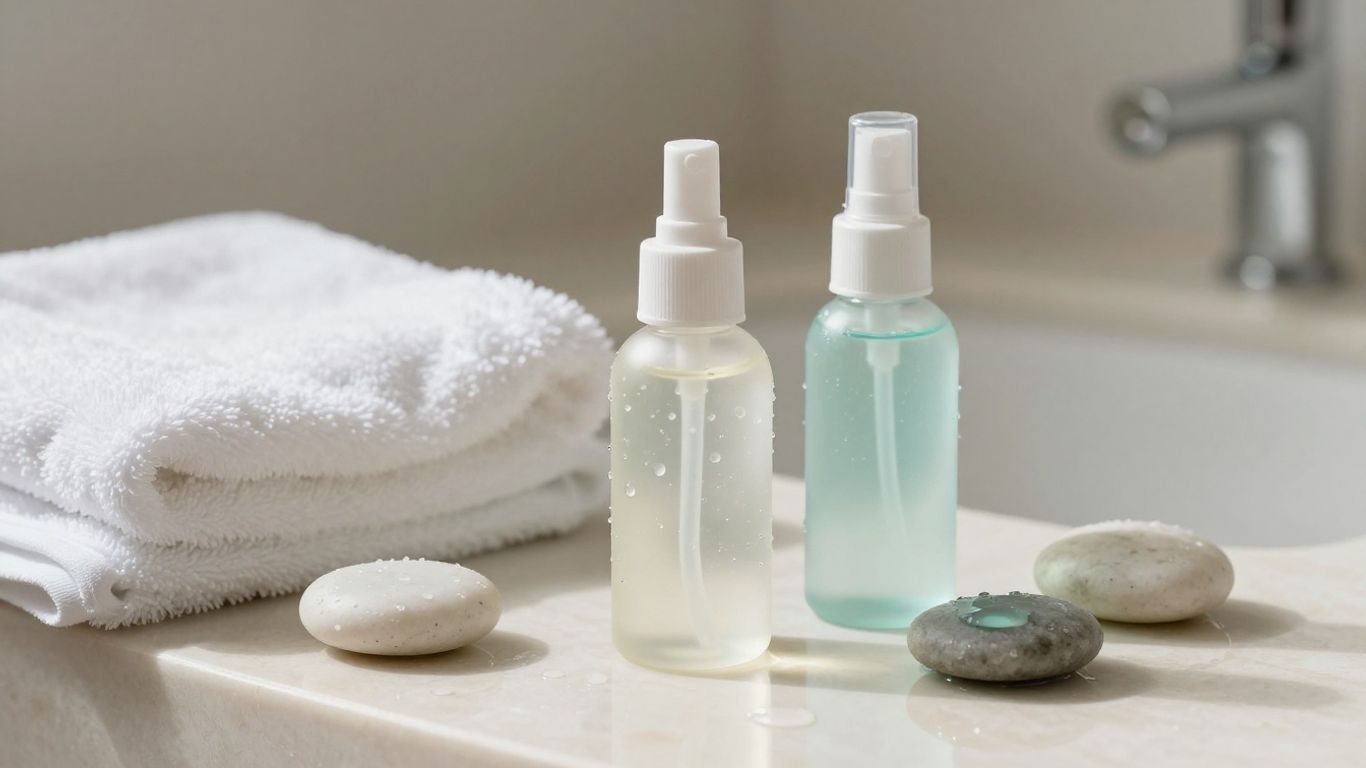
Water-based lubricant is often a practical all-purpose option. It usually rinses away with water, works with most condom materials, and is commonly compatible with silicone toys, though the toy manufacturer’s instructions should always take priority. It may dry sooner than silicone, so keeping the bottle within reach can make reapplication easy.
Water-based formulas are also a natural fit for people who want a lighter feel or prefer to avoid oils. Arousellube’s positioning centers on water-based, edible lubricants with natural ingredients, making that type of formula relevant for readers who value plant-derived comfort alongside versatility.
Silicone-based lubricants for longer-lasting glide
Silicone-based lubricant generally remains slippery longer because it does not evaporate as quickly as water-based lubricant. It can be useful for extended contact and water-based activities, but it may be harder to remove from fabrics and surfaces. Silicone can also damage some silicone toys, so check the toy’s care guidance before using the two together.
A small amount often spreads a long way. That can reduce the need for repeated application, although the right quantity still depends on the activity and your comfort.
Hybrid lubricants for a balanced feel
Hybrid formulas blend water-based and silicone ingredients. They may feel smoother for longer than a simple water-based gel while remaining easier to clean than a fully silicone-based product. Their exact performance varies, so look for clear ingredient information and compatibility guidance.
Hybrids can be a useful middle ground when you want a silky finish without committing to the feel or cleanup of a pure silicone formula. They are not automatically compatible with every toy, however; the product label and toy instructions still matter.
Oil-based formulas and their limitations
Oil-based lubricants can feel rich and moisturizing, but they require extra care. Many oils can weaken latex condoms, and oil residue may be difficult to wash from skin, sheets, or toys. Some people also find that particular oils do not agree with their skin or vaginal comfort.
If you are considering an oil, confirm the condom material first and avoid assuming that “natural” means universally suitable. For many users, water or silicone offers a simpler route to silky glide.
Check compatibility before you buy
Compatibility is a safety question, not just a performance preference. The lubricant, condom, toy, and environment all interact, so a formula that seems ideal in isolation may not be appropriate for the full setup. Read the packaging before opening the bottle, especially when using latex or specialty toy materials.
Using lubricant with latex condoms
Oil-based lubricants can weaken latex and increase the chance of breakage, so avoid pairing them with latex condoms unless the condom manufacturer specifically says otherwise. Water-based and silicone-based lubricants are commonly chosen with latex, but the label should still confirm compatibility.
Apply lubricant to the outside of the condom after it is in place, and add a little more when friction increases. Do not use a damaged or expired condom simply because the lubricant seems compatible.
Choosing a lubricant for sex toys
Toy material is the key consideration. Silicone lubricant may be unsuitable for some silicone toys, while water-based lubricant is often the safer default for broad toy compatibility. Porous materials may retain lubricant and bacteria, making careful cleaning and the toy maker’s instructions especially important.
If the guidance is unclear, use a small amount in an inconspicuous area or choose a water-based formula. Do not assume that a toy’s smooth appearance tells you what material it contains.
Bath, shower, and water-based use
Water can wash away water-based lubricant quickly and may reduce its cushioning effect. Silicone-based lubricant generally stays slippery in the shower or bath, but it can make surfaces very slick and may leave a film behind. Use a modest amount and take care around tubs, tile, and other hard surfaces.
A waterproof toy still needs lubricant that is compatible with its material. Water exposure does not remove the need to check the label.
When to avoid oils and irritating ingredients
Avoid oils with latex condoms, and be cautious with any formula that causes stinging, itching, or burning. Fragrance, flavor, warming compounds, and strong botanical extracts can be troublesome for sensitive users even when they sound appealing. When comfort is the priority, a plain formula is often the more dependable choice.
A useful buying check is to confirm the base, condom compatibility, toy compatibility, and ingredient list before focusing on marketing language. That quick review can prevent an uncomfortable surprise.
Evaluate ingredients and personal comfort
Ingredient labels can seem technical, but a few categories deserve particular attention. Look for the base first, then scan for fragrance, flavor, sensation additives, and ingredients you already know your body dislikes. A product’s natural or premium positioning does not replace a careful look at the actual formula.
Fragrance, flavor, and warming additives
Fragrance and flavor can make a lubricant more appealing for oral intimacy, but they may also be irritating to some people. Warming, cooling, and tingling ingredients create a noticeable sensation that is not universally pleasant. If you are prone to irritation, begin with an unscented, unflavored formula and introduce sensory additives only if you know your skin tolerates them.
Stop using a product if the sensation feels painful rather than gently noticeable. Rinsing the area with lukewarm water may help, but ongoing symptoms call for medical guidance.
Glycerin, parabens, and other commonly discussed ingredients
Glycerin and parabens are frequently discussed in lubricant shopping, but ingredient tolerance varies and online claims can be oversimplified. Some people prefer glycerin-free or paraben-free formulas based on personal experience, while others use products containing them without difficulty. The most useful approach is to identify your own triggers and discuss recurring concerns with a qualified clinician.
Also consider preservatives, alcohols, dyes, and botanical extracts. A shorter list is not automatically better, but transparent labeling makes an informed comparison possible.
Options for sensitive skin
For sensitive skin, choose a formula with clear labeling and fewer unnecessary sensory additives. Patch testing external skin can provide an early warning, though it cannot predict every response during intimate use. If dryness or irritation is frequent, the underlying cause may involve medication, hormones, infection, or a skin condition.
Arousellube emphasizes natural ingredients, vegan production, and third-party tested formulations. Those qualities may appeal to shoppers looking for body-safe intimate essentials, but personal tolerance remains the final test.
pH and vaginal comfort considerations
A lubricant intended for vaginal use should provide clear information about its pH and intended application. Vaginal comfort can be affected by hormonal changes, medications, infection, and individual sensitivity, so pH is one factor rather than a guarantee of suitability. Persistent dryness, pain, odor, or unusual discharge should be evaluated by a healthcare professional.
Choose products that explain their intended use and avoid treating “pH-balanced” as a promise that no irritation can occur. Your symptoms and experience still matter most.
Use silky personal lubricant effectively
Even an excellent formula can feel disappointing if too little is used or applied at the wrong time. Lubricant is meant to reduce friction and support comfort, not to compensate for pain or force the body to continue. Start slowly, communicate, and reapply before discomfort builds.
How much to apply and when to add more
Begin with a small amount, spread it over the intended area, and add more if friction returns. More is not always better: excess product can create mess and reduce control, while too little may leave skin feeling tugged or irritated. Apply before friction begins and keep the bottle close enough to reach without interrupting the moment.
During longer sessions, reapplication is normal. A change from slippery to sticky is a practical signal that more may be useful.
Applying lubricant to skin, condoms, and toys
Lubricant can be applied to external skin, the outside of a condom, or a compatible toy. Use clean hands and avoid touching the dispenser tip to skin, toys, or other surfaces. If the product is used internally, follow the label’s intended-use instructions and stop if it causes discomfort.
For toy use, apply a small amount to both the toy and the area when appropriate. Check the materials first, especially with silicone-based lubricant and silicone toys.
Reducing mess with the right amount and packaging
A pump or narrow-tip dispenser can make portion control easier, while a larger bottle may suit frequent use at home. Keep a towel nearby if you are experimenting with a new formula, since viscosity and cleanup vary. A small travel-size container can also prevent overpouring when you are away from home.
Use these simple habits to keep application tidy:
- Warm the bottle in your hands rather than placing it near direct heat.
- Dispense onto clean fingers or the intended surface instead of touching the nozzle.
- Add small amounts gradually until the glide feels comfortable.
- Keep a washable towel nearby for quick cleanup.
These steps reduce waste without turning intimacy into a technical exercise. The goal is a comfortable amount that supports movement and sensation.
Cleaning up after use
Water-based lubricant usually rinses away easily with warm water, while silicone and oil-based products may need more soap or fabric care. Follow the toy manufacturer’s cleaning instructions, particularly for porous or electronic items. Avoid harsh scrubbing on sensitive skin.
If residue remains, wash gently and change damp linens when practical. Cleanup should leave the skin comfortable, not dry or irritated.
Store and replace your lubricant safely
Storage affects texture, cleanliness, and shelf life. Keep the bottle closed, use clean hands, and avoid leaving it where heat or sunlight can alter the formula. A well-stored lubricant is more likely to feel the way it did when you first opened it.
Checking expiration dates and product changes
Check the expiration date before use and note when you opened the bottle if the packaging provides an open-jar period. Changes in smell, color, texture, or separation can signal that the product is no longer suitable. Do not mix old and new lubricant in the same container.
A slight difference between batches may occur, but a sudden or unpleasant change is a reason to stop and review the product information.
Protecting lubricant from heat and contamination
Store lubricant in a cool, dry place away from direct sunlight. Keep the cap or pump clean, and do not dilute the product with water; dilution can affect preservation and texture. Never share a bottle in a way that contaminates the opening.
If the dispenser touches skin or a toy, wipe it clean before closing it. These small precautions help protect the remaining formula.
Signs the formula should be discarded
Discard lubricant if it smells unusual, changes color, separates persistently, develops particles, or causes new irritation. A damaged seal, cracked container, or missing expiration information is also a reason to choose a replacement. When in doubt, the cost of a new bottle is lower than the cost of continuing with a questionable product.
Do not try to rescue an altered formula by shaking in water or adding another lubricant. Dispose of it according to local household guidance.
Choosing the right bottle or dispenser for regular use
Choose packaging around your routine. A pump is convenient for measured application, a small bottle suits travel, and a larger container may be economical for frequent use if it can be kept clean. Opaque packaging can help protect light-sensitive formulas, while a secure cap reduces leakage.
Arousellube’s broader emphasis on scientifically backed, pH-balanced formulas and third-party testing may be relevant to shoppers who want quality information alongside natural components. Still, compare the actual product label, directions, and expiration details before buying.
Conclusion
The right silky personal lubricant is the one that feels comfortable, matches your activity, works with your condoms or toys, and agrees with your skin. Start with the base, read the ingredients, apply gradually, and replace the product when its condition changes. A thoughtful choice can make intimacy feel smoother without adding unnecessary complexity.
Frequently Asked Questions
What makes a personal lubricant feel silky?
A silky feel usually comes from a formula’s viscosity, spreading ability, and resistance to drying or becoming tacky. Water, silicone, and hybrid bases can all feel silky in different ways.
Is water-based lubricant a good everyday choice?
Water-based lubricant is often a versatile choice because it is generally easy to clean and commonly compatible with condoms and many toys. It may require more frequent reapplication than silicone-based lubricant.
Can silicone lubricant be used with silicone toys?
Not always. Silicone lubricant may affect some silicone toys, so check the toy manufacturer’s instructions before use. Water-based lubricant is often the safer default when material compatibility is uncertain.
Can oil-based lubricant be used with latex condoms?
Oil-based lubricant can weaken latex, so it should generally be avoided with latex condoms unless the condom manufacturer specifically confirms compatibility. Check both product labels before use.
How do I know if a lubricant is irritating my skin?
Burning, itching, redness, swelling, or persistent discomfort may indicate irritation. Stop using the product, rinse gently, and seek medical advice if symptoms continue or are severe.
How much lubricant should I use?
Start with a small amount and add more as needed. The right quantity depends on the formula, activity, and personal comfort; reapplication is normal when the lubricant begins to feel sticky or dry.
How should personal lubricant be stored?
Keep it closed in a cool, dry place away from direct sunlight and heat. Check the expiration date, protect the dispenser from contamination, and discard the product if its smell, color, or texture changes.





































































