

Posted by Mike
on July 16, 2026

Key Takeaways
Maintaining the balance of your intimate environment involves understanding how external products impact your body’s natural chemistry. These essential practices help protect your well-being while enhancing comfort.
- Prioritize water-based formulas to mimic natural moisture effectively.
- Avoid ingredients like glycerin and parabens that often cause irritation.
- Check for pH-balanced labeling to support the protective lactobacilli microbiome.
- Always perform a patch test before using any new intimate product.
- Choose isotonic or iso-osmotic options to prevent tissue dehydration or swelling.
Understanding the importance of vaginal pH
The role of lactobacilli in the microbiome
The vaginal environment relies on a delicate ecosystem primarily managed by lactobacilli bacteria. These beneficial microorganisms produce lactic acid, maintaining an acidic environment typically ranging between a pH of 3.8 and 4.5. This acidity acts as a natural defense mechanism against invasive pathogens that thrive in more neutral or alkaline conditions.
How external products disrupt natural balance
Many conventional products contain chemical additives that shift this delicate acid mantle. When a lubricant is too alkaline, it compromises the protective barrier, potentially leading to discomfort or an overgrowth of unwanted bacteria. Transitioning toward pH-balanced formulas ensures that your intimate routine supports your body rather than destabilizing it.
Signs of pH imbalance to look out for
Recognizing when your internal balance is off can save you significant discomfort. Common indicators include unusual odor, increased sensitivity, or unexplained itching. If these symptoms persist, it is crucial to reevaluate the products you are using daily.
Key ingredients to look for in a lubricant
The benefits of water-based formulas
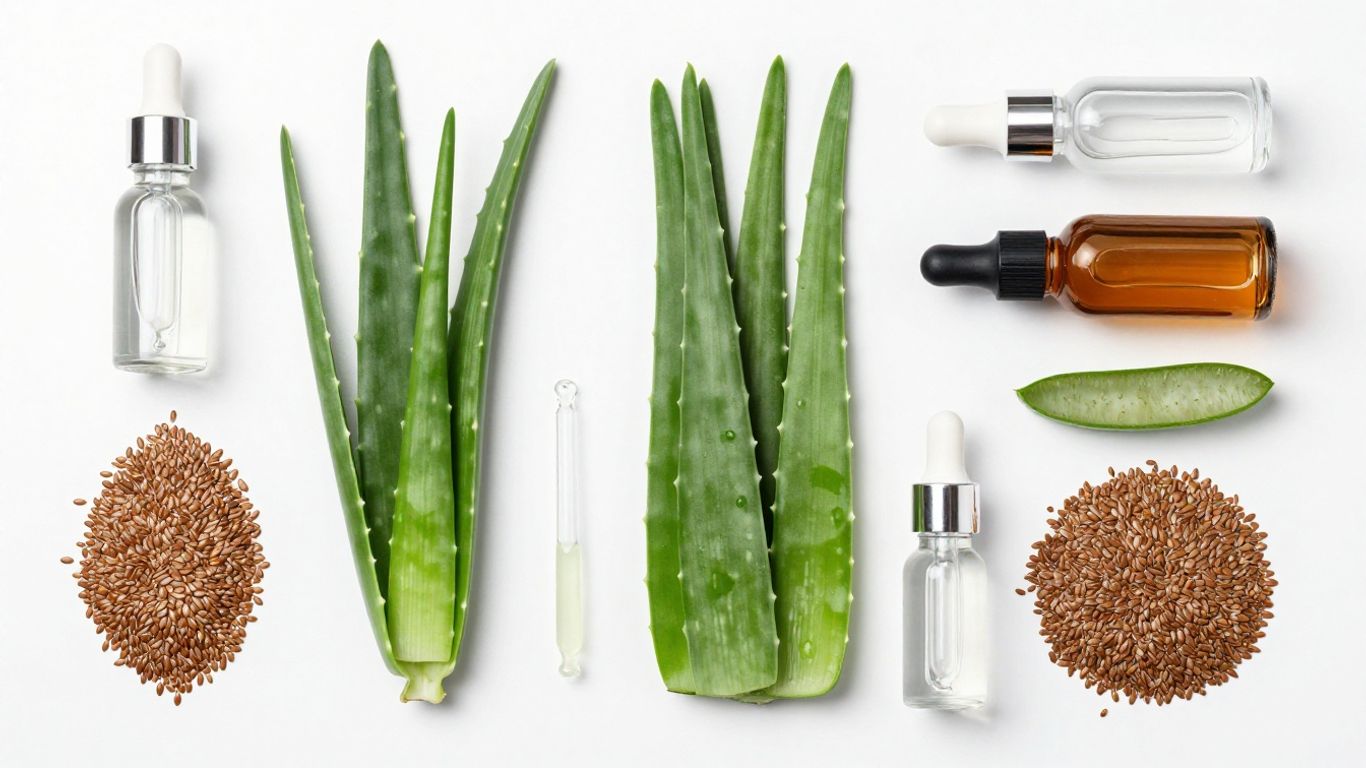
Water-based solutions are widely considered the gold standard for those seeking plant-derived comfort and gentle care. These formulas are designed for easy clean-up and compatibility with various materials, making them a versatile choice for many individuals. Integrating water-based lubricants into your routine can improve comfort without leaving behind sticky or difficult-to-remove residues.
Common additives that interfere with pH
Certain preservatives and thickeners serve to extend shelf life but may come at the cost of vaginal health. Many mass-market options use ingredients that conflict with human physiology. The following table highlights common additives to watch for:
| Ingredient Category | Potential Impact | Why to Avoid |
|---|---|---|
| Propylene Glycol | Chemical irritation | Can disrupt protective tissues |
| Parabens | Synthetic preservation | May cause sensitivity or allergic reactions |
| Synthetic Sugars | Bacterial growth | Encourages yeast and flora imbalance |
Selecting products, such as ArouseLube, allows you to prioritize high-quality standards by avoiding these specific types of chemical additives while benefiting from a formula that is third-party tested.
Natural ingredients that support mucosal health
Quality lubricants often incorporate plant-derived humectants that soothe rather than irritate delicate tissue. Ingredients like aloe vera provide hydration that feels closer to your body’s own natural moisture. By choosing natural personal lubricants that focus on soothing components, you reinforce mucosal health while enjoying a smoother experience.
Ingredients to avoid for sensitive skin
Risks associated with glycerin and parabens
Glycerin is a common sugar-based humectant that, while effective at providing "slip," can often become a food source for bacteria or yeast. When used frequently, these additives can lead to irritation for those with sensitive biology. Products like LOLA's Hypoallergenic Water Based Lube allow users to avoid such common irritants in favor of safer alternatives.
The impact of fragrances and flavorings
While scents may seem pleasant, they frequently mask chemical harshness that can damage or irritate intimate skin. Fragrances are a leading cause of allergic contact dermatitis in the genital region. To maintain your intimate essentials safely, prioritize fragrance-free and flavor-free options that respect your skin's integrity.
Why spermicides are usually unsuitable for daily use
Spermicidal agents are designed to damage cell membranes to prevent conception or disease, but this mechanism is inherently harsh on vaginal tissue. Experts generally advise that these are not appropriate for regular lubrication needs. It is best to stick with safe, non-toxic options like ArouselLube Intensifying Gel if you are looking for specialized, body-safe formulations.
How to identify if a lubricant is truly pH balanced
Interpreting certification markers and testing claims
Marketing claims like "gentle" are often unregulated, so you must look for transparency regarding testing protocols. Verifying best lubes involves checking that manufacturers specifically mention pH-balanced formulations within their scientific testing disclosures. Reliable companies provide clear, accessible information about their product development process.
Comparing product pH levels to the vaginal environment
Understanding the target pH range is essential for choosing a ph balanced intimate lubricant. Products that explicitly state they are matched to the human body's acidic range are much safer than those that ignore this metric entirely. Keep in mind that a product should ideally hover near 4.5 to maintain the internal environment effectively.
Understanding osmotic pressure and its effects
Osmolality refers to the concentration of particles in a solution, which directly affects how your body absorbs or releases moisture. If a product has a very high osmolality, it can draw moisture out of the tissue, leading to dryness and irritation. You should prioritize:
- Iso-osmotic formulas that mirror your body's salinity levels.
- Products that explicitly confirm they do not cause tissue dehydration.
- Solutions that remain effective without relying on harsh hyper-osmotic agents.
By ensuring the product has the correct osmotic balance, you avoid the common pitfalls of irritation and dryness during use.
Selecting the right product for different needs
Considerations for those prone to yeast infections
Individuals prone to recurring infections should strictly avoid products containing excessive sugars or glycerin. A clean, paraben-free formulation helps eliminate potential triggers. Choosing a lubricant with a minimal ingredient list reduces the risk of accidental disruption to your microbiome.
Choosing lubricants for conception-friendly use
If you are trying to conceive, look for products that are specifically tested not to impair sperm motility. Many general-purpose lubes are toxic to sperm and can inadvertently hinder your goals. Opting for specialized, body-safe lubricants ensures you are not introducing substances that actively work against conception.
How to test for sensitivity before regular use
Before full application, conduct a simple patch test on the inner wrist or forearm to check for any immediate reaction. While the genital skin is more sensitive than the forearm, this quick step reveals most potential allergies. If the product causes any redness or stinging, do not proceed with intimate use.
Conclusion
Selecting the right intimate lubricant is a vital aspect of maintaining long-term health and personal comfort. By prioritizing water-based, pH-balanced formulas that avoid harmful additives like glycerin and parabens, you can protect your body's natural chemistry while enhancing your own pleasure. Making informed choices through careful ingredient review ensures a safe, soothing, and enjoyable intimate experience every time.
Frequently Asked Questions
How often should I check the pH of my lubricant?
You do not need to check your product pH levels daily; once you have identified a high-quality, pH-balanced product from a reputable manufacturer, you can trust their consistency in production batches.
Can water-based lubricants dry out quickly during use?
Some water-based lubricants may evaporate, but higher-quality versions utilize natural humectants like aloe to extend moisture retention and ensure consistent slip throughout your experience.
Are all natural-labeled lubricants safe for sensitive skin?
Not necessarily, as natural labeling is not always strictly controlled. Always check the full ingredient list for known irritants like fragrances or specific thickeners before purchasing any intimate product.
Will using a lubricant really help prevent infections?
Using an appropriately formulated pH-balanced lubricant helps keep your vaginal environment stable, which indirectly supports your body’s ability to defend against common irritations and opportunistic infections.
Can I use the same lubricant for toys and intercourse?
Most high-quality, water-based lubricants are safe for both skin-to-skin contact and non-porous silicone toys, provided they are free from harsh silicones or oils that might degrade the material.
Does temperature affect the pH balance of lubricant?
While extreme high heat can potentially break down certain natural preservatives in a lubricant, room-temperature storage is typically sufficient to maintain the stability and intended pH level of your product.
What should I do if a new lubricant causes burning or itching?
If you experience any irritation, wash the area gently with lukewarm water immediately to remove the product and discontinue use; if symptoms persist or worsen, consult a healthcare provider for personalized advice.
For More Arousellube Blogs Please Click here
For Arousellube Collection Please Click here





































































