

Posted by Mike
on August 17, 2026

Key Takeaways
Transitioning to a vegan-friendly lifestyle often involves a closer look at everyday personal care products, including intimacy aids. This guide highlights the core criteria for evaluating quality options while ensuring both comfort and safety.
- Prioritize vegan-certified ingredients free from animal byproducts.
- Ensure formulas are pH-balanced to respect sensitive intimate tissues.
- Select water-based options for compatibility with both toys and latex condoms.
- Check for third-party certifications to confirm ethical manufacturing standards.
- Evaluate product transparency regarding source materials and ingredient quality.
Understanding what makes a personal lubricant vegan
Common non-vegan ingredients to look for
Many conventional lubricants contain additives derived from animal sources that are often overlooked by consumers. Ingredients like glycerin or lactic acid can sometimes be sourced from animal fats, while certain beeswax or honey extracts are occasionally used to thicken textures. These hidden components can be problematic for those strictly adhering to a plant-based lifestyle, making it essential to scan ingredient lists for animal-derived stabilizers.
Identifying plant-based substitutes
Manufacturers committed to plant-derived comfort often replace traditional animal-based thickeners with cellulose or high-quality botanical gums. For instance, Arousellube utilizes carefully selected plant-derived components that provide a natural, clean feel without relying on any problematic additives. These substitutes typically offer better glide consistency while maintaining a profile that remains gentle on the skin, proving that you do not need animal products to achieve superior performance.
Evaluating cruelty-free certifications
Beyond the ingredients themselves, the ethical standard of a product often relies on whether the item has been tested on animals. Consumers should look specifically for third-party labels that denote a brand has passed rigorous cruelty-free standards. These certifications serve as an important signal, telling users that the company prioritizes safe, ethical production standards that do not compromise the welfare of others, providing peace of mind during use.
Benefits of switching to a vegan personal lubricant
Skin-friendly ingredient profiles
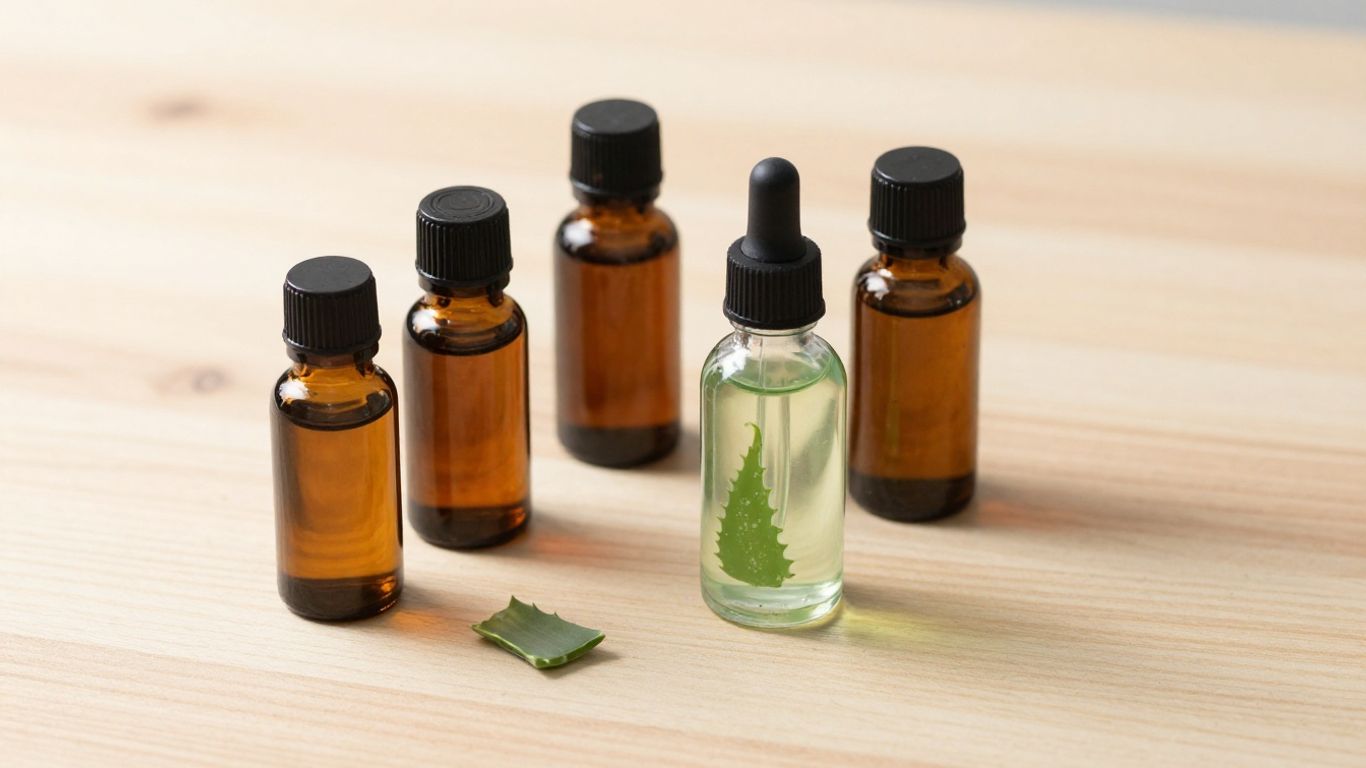
Choosing a high-quality vegan personal lubricant frequently leads users toward products emphasizing safer, nature-derived formulations. By avoiding harsh synthetics, these products often feature nourishing elements like aloe vera that soothe skin rather than irritating it. This switch promotes a healthier intimate environment that aligns with a more natural approach to physical comfort.
Ethical considerations and environmental impact
Many people opt for these products because their values extend to every aspect of their daily consumption, including how goods are sourced. Environmental responsibility drives many manufacturers to move away from intensive animal-derived processing, resulting in a cleaner supply chain. The positive impact is a product that supports a more sustainable lifestyle while maintaining the level of intimacy you expect from a premium item.
Reduced chemical exposure for sensitive skin
Selecting a carefully crafted formula helps minimize the introduction of unnecessary chemicals to the body. Many synthetic additives can trigger discomfort, particularly for those with a delicate physiology that benefits from body-safe ingredients. By choosing a product designed with sensitive needs in mind, you are effectively lowering the risk of irritation and allowing for a more focused, enjoyable intimate experience.
Assessing ingredients for safety and compatibility

Examining water-based versus silicone-based options
Deciding between water-based and silicone-based formulations is a critical step in finding the right solution. While silicone offers a longer-lasting glide, it is not always plant-derived, whereas high-quality water-based formulas deliver a clean, natural feel. The following table provides a quick reference for these two primary categories:
| Feature | Water-Based | Silicone-Based |
|---|---|---|
| Texture | Lightweight, non-sticky | Silkier, longer-lasting |
| Compatibility | Safe with all materials | Possible surface degradation |
| Cleaning | Easily removed with water | Requires soap and water |
Selecting the right type depends on your specific needs, but for many, a high-quality water-soluble formula provides the most reliable balance of safety and effective performance.
Potential allergens and irritants in vegan formulas
Even in plant-based selections, it is vital to remain aware of potential allergens such as specific plant extracts or essential oils. Some users may manifest sensitivity to certain botanical ingredients, which is why keeping a clear record of ingredient lists is helpful. Performing a patch test is a standard recommendation to confirm your skin reacts well to the product before using it in more sensitive areas.
Ph balance and vaginal health considerations
The chemical environment of the body is delicate, and the wrong formula can disrupt its natural equilibrium. A pH-balanced personal lubricant is crucial for maintaining vaginal health, as it ensures the environment remains within a safe, non-irritating, and supportive range. Professionals who focus on intimate wellness solutions often emphasize that the goal should always be to support, rather than alter, your body’s unique natural balance.
How to identify quality vegan lubricants
Reading labels and third-party testing
Quality is often verifiable through documentation rather than just marketing promises. Consumers should watch for evidence of third-party tested formulas that verify the safety and integrity of every batch. By checking for official seals and transparent labeling, you can differentiate high-performance products from less trustworthy options that make vague claims without supporting data.
Distinguishing between natural and organic labels
The distinction between "natural" and "organic" is significant, as the latter indicates a stricter certification of how the raw materials were cultivated. A product may contain some natural ingredients but still contain pesticides or synthetic fertilizers unless it carries the certified organic label. Understanding these distinctions allows you to make an informed choice that better aligns with your personal commitment to clean, non-GMO components.
Importance of transparent ingredient sourcing
Transparency acts as a bedrock of reliability for premium brands that prioritize their craft. When a company clearly discloses where their ingredients come from and how they process them, it builds a foundation of trust with the user. This level of clarity simplifies your choice of lubricant, ensuring that you know exactly what is going into your body and can feel confident in the purity of the solution.
Selecting the right product for your needs
Lubricants tailored for specific uses
Different scenarios demand different properties, such as consistency and duration. You might consider the following factors when selecting your next bottle, ensuring you have the right tool for every moment:
- Consider whether you prefer a thicker gel for long-term comfort.
- Determine if you require a formula that is safe for internal use.
- Evaluate your need for compatibility with intimacy tools or other accessories.
- Check the viscosity to ensure it meets your preference for flow.
Texture and viscosity preferences
The physical sensation of a product is subjective, and finding a texture that feels natural matters immensely for your comfort. Some prefer a thinner, lighter liquid that dries similarly to natural lubrication, while others prefer a more viscous, cushiony feel. Having an accurate understanding of what textures provide the most enjoyment will make your search significantly more efficient and satisfying.
Packaging and sustainable material choices
Sustainability extends past the liquid inside and into the packaging used for shipping and protection. Many eco-conscious brands are moving toward recyclable materials that reduce the overall carbon footprint of their products. Choosing a vegan personal lubricant from a provider that utilizes discreet and sustainable packaging choices supports a healthier planet while maintaining privacy and quality standards appropriate for high-end personal care.
Conclusion
Selecting a vegan personal lubricant requires balancing personal values with the practical necessity of finding a formula that is safe, effective, and gentle on the body. By prioritizing transparency, third-party certification, and pH-balanced ingredients, you can find a high-quality product that enhances your experience without compromising your standards. With the right information, you can confidently choose a natural intimacy aid that aligns perfectly with your lifestyle and comfort needs.
Frequently Asked Questions
Why is it important for a lubricant to be vegan?
Choosing a vegan lubricant ensures that the product is free from animal-derived ingredients and has not been tested on animals, which aligns with the ethical standards many consumers prioritize in their personal care routines.
Are vegan lubricants generally safe for sensitive skin?
Many vegan lubricants are formulated with natural, plant-derived ingredients that are often more gentle than traditional synthetics, making them a great option for individuals with sensitive skin who want to avoid harsh chemicals.
Can vegan products be used with latex condoms?
Most water-based vegan lubricants are safe and compatible with latex condoms, but it is always recommended to verify that the product does not contain oil-based ingredients if you are using latex protection.
Do vegan lubricants differ in performance from other types?
Performance depends on the formula base rather than its vegan status, though many high-quality, plant-based brands are explicitly designed to match or exceed the performance, silkiness, and longevity of conventional options.
How does ingredient transparency affect product quality?
Transparency ensures you are aware of every component used, helping you avoid harmful additives and providing valid assurance that safety standards are consistently met through reliable third-party testing.
Are there any plant-based ingredients to avoid even in vegan products?
Some individuals may have specific allergies to certain botanical extracts or preservatives, identifying the need to carefully review labels for any ingredients that may personally cause irritation regardless of their vegan status.
Is it necessary to store vegan lubricants differently?
Most vegan lubricants should be stored in a cool, dry place away from direct sunlight to preserve the integrity of the natural components, but they do not typically require special treatment beyond standard care.





































































