

Posted by Mike
on July 29, 2026

Key Takeaways
Choosing the right product involves understanding your body's unique requirements while prioritizing safe, skin-friendly components. Proper testing and intentional selection lead to significantly more comfortable intimate experiences.
- Identify and eliminate common irritants like glycerin and parabens from your routine.
- Prioritize water-based formulas that are pH-balanced for intimate health.
- Conduct a thorough patch test before fully incorporating any new lubricant.
- Select formula types that align with your specific needs, such as toy compatibility.
- Consult a healthcare professional if recurring irritation or persistent discomfort occurs.
Understanding sensitive skin in intimate areas
Common triggers for allergic reactions
Sensitive skin in intimate zones often reacts negatively to chemical additives that are common in mass-market products. Synthetic fragrances, harsh preservatives, and artificial coloring can strip away natural oils and disrupt the delicate barrier of your skin. Avoiding these triggers allows you to maintain comfort during intimacy, ensuring that you can enhance your pleasure without dealing with unwanted inflammation.
Why pH balance is critical for intimate health
Maintaining the natural environment of the intimate region is essential to prevent discomfort and bacterial imbalance. Many standard lubricants often have a pH levels that conflict with your body's natural state, leading to disruption of the healthy microbiome. A pH-balanced formula is designed to work in harmony with your body, reducing the likelihood of soreness or secondary issues like yeast infections.
Identifying signs of irritation or discomfort
Redness, itching, and a burning sensation are the most immediate indicators that your skin is reacting poorly to a product. Sometimes, symptoms are subtle, such as mild tightness or unexpected dryness during or after use. It is wise to pay attention to these small signals before they escalate into persistent irritation or skin sensitivity that necessitates professional guidance.
Ingredients to prioritize in your lubricant
Benefits of water-based formulas
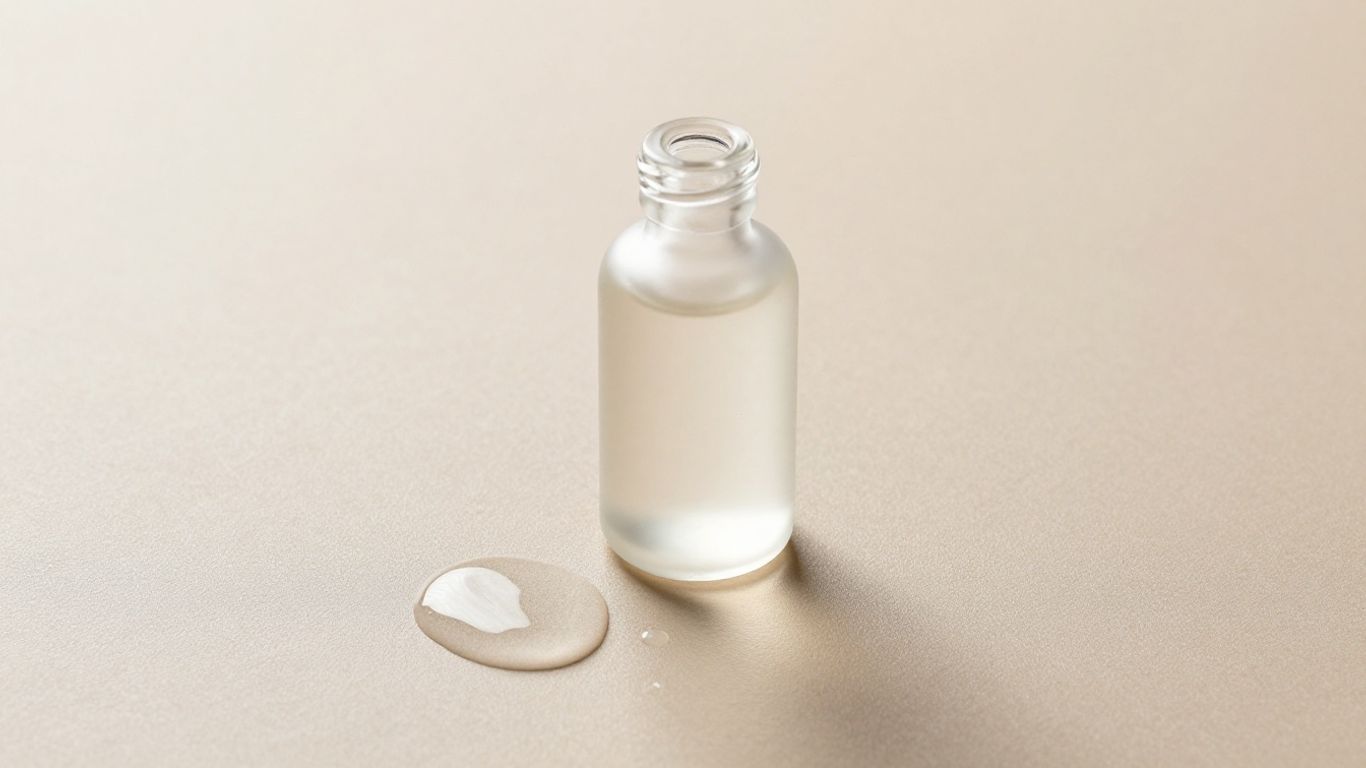
Water-based solutions are widely recommended for those with delicate skin because they are easy to wash away and generally do not leave a thick residue. These versatile products often contain body-safe ingredients that provide the necessary slip and cushion without being too aggressive. They are also incredibly adaptable, usually working well with various materials, which helps you manage intimate essentials safely and reliably.
Hypoallergenic and fragrance-free options
When your skin is reactive, opting for formulas that have been third-party tested and explicitly labeled as hypoallergenic can provide significant peace of mind. By removing added scents and unnecessary allergens, these lubricants focus on hydration and protection for the tissues involved. This approach is fundamental to finding the best lubes for long-term comfort.
Organic and plant-based ingredient profiles
Natural lubricants derived from plants often utilize soothing agents like aloe or botanical extracts that offer gentle hydration. These choices are popular because they prioritize plant-derived comfort through clean chemistry. For users looking to improve their experience, consider the following benefits of selecting organic, non-GMO components:
| Feature | Benefit | Why it matters |
|---|---|---|
| Botanical Extracts | Soothing | Reduces potential friction-based tearing |
| Plant-based Humectants | Hydration | Maintains essential moisture levels |
| Non-toxic Formula | Safety | Prevents internal tissue inflammation |
Selecting lubricants with these refined profiles allows individuals to feel confident in their intimate wellness choices, relying on transparent, high-quality standards.
Ingredients to avoid when you have sensitive skin
The risks of parabens and preservatives
Parabens are often included in personal care items to extend shelf life, but they can be problematic for delicate skin. These synthetic agents are known to disrupt hormonal pathways and can easily provoke localized allergic responses in sensitive populations. By avoiding them, you reduce the risk of irritation, which is why choosing a natural lubricant is a smart step for those with heightened sensitivity.
Why glycerin and sugars cause yeast infections
While glycerin is cheap and effective for viscosity, it is a sugar-based humectant that can fuel the growth of yeast, potentially leading to infections. When you introduce these substances into a moist environment, they may negatively overwrite your natural microbiome balance. That is why it is often suggested to look for glycerin-free formulas to ensure you remain comfortable both during and after your intimate activities.
Avoiding artificial colors and artificial flavors
Artificial colors and flavors are purely aesthetic additions that serve no functional purpose for intimate health. These chemicals can be surprisingly drying and are categorized as frequent culprits for causing contact dermatitis in sensitive tissue. Stick to clean, simple ingredients to avoid unnecessary exposure to substances that do not contribute to your intimate quality or comfort.
How to safely patch test a new lubricant
Choosing the right spot for testing
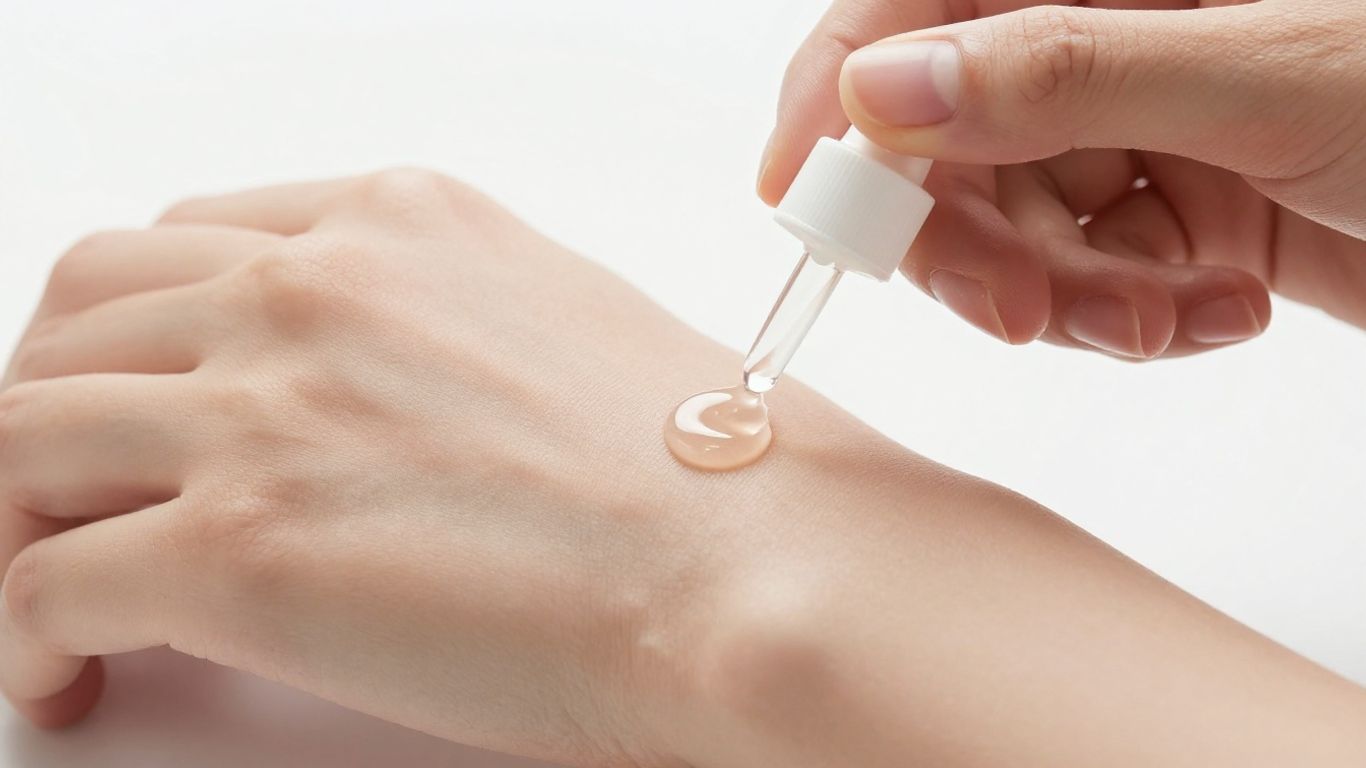
Before you use a new product regularly, you should perform a small test to confirm your skin tolerates it well. The skin on the inside of your wrist or the inner forearm is often similar in sensitivity to your intimate tissues, making these ideal locations for a patch test. This simple procedure is a critical habit for comfort that every user should adopt.
Waiting the full 24-hour period for a reaction
Do not rush the process; an allergic reaction can sometimes take several hours to manifest. After applying a pea-sized amount of the lubricant to your chosen spot, wait one full day to ensure no redness, bumps, or itching emerge. If the area remains clear throughout this period, it is likely safe to use more broadly.
What to do if you experience immediate discomfort
If you start to feel stinging or itching during or immediately after the patch test, wash the area thoroughly with mild, fragrance-free soap and warm water. Once clean, pat it dry gently and avoid applying any further products until the skin has completely calmed down. Should irritation persist even after cleaning, consider a cold compress to help quickly maximize sensation control and soothe the inflamed skin.
Selecting the right lubricant type for your needs
Pros and cons of water-based lubes
Water-based options remain the gold standard for most people because of their ease of cleaning and compatibility with almost any toy material. The main drawback is that they can dry out faster than other formulas, requiring reapplication to maintain the desired pH-balanced glide during longer sessions. They strike the best balance between utility and safety for the vast majority of our users.
When to consider silicone-based alternatives
If you find that standard water-based formulas don't last long enough for your preference, silicone-based lubricants are an excellent long-lasting alternative. They do not break down with water or sweat, though they are usually incompatible with silicone toys, which is a major factor to keep in mind. You might find this useful when you desire extended sessions where traditional gels dry out too quickly.
Why oil-based lubricants are often discouraged
Oil-based products are often detrimental to your intimate health because they can trap bacteria leading to infection. Additionally, they are notorious for degrading latex effectively, which means they should never be used with standard condoms. Most experts suggest that because these oils are often comedogenic and difficult to clean, they pose more risk than they are worth for most intimate wellness routines.
Tips for long-term comfort and compatibility
Compatibility with condoms and toys
Always verify that your lubricant is compatible with the materials you are using for safety. For example, Arousellube offers water-based formulations that are generally safe for latex and most toy materials, ensuring your tools remain in good condition. If you are unsure, follow the manufacturer's guidance on compatibility with sex toys and protection devices.
Proper storage to maintain shelf life and safety
Store your personal lubricants in a cool, dark location away from direct sunlight or extreme temperature shifts. High heat can compromise the stability of natural ingredients, potentially rendering them less effective or altering their texture. By keeping your products properly stored, you can rely on their third-party tested consistency every time you need them.
When to consult a gynecologist or dermatologist
Sometimes, skin sensitivity is a symptom of an underlying issue rather than a reaction to a specific product. If you experience chronic irritation, persistent pain, or unusual discharge despite following a careful sex lubricant for sensitive skin routine, see a medical professional. A doctor can help determine if there are allergies, infections, or hormonal factors requiring specialized attention.
Conclusion
Finding the right product for sensitive skin is about prioritizing natural, science-backed ingredients while being mindful of how your body reacts to different additives. By focusing on pH-balanced, hypoallergenic options and regularly performing patch tests, you can cultivate a routine that supports both your comfort and your pleasure. Taking these intentional steps ensures that intimacy remains a safe, enjoyable, and healthy part of your life.
Frequently Asked Questions
Can I use moisturizer instead of lubricant?
No, you should never use body lotion or facial moisturizers as a substitute for intimate lubricant. These products often contain fragrances, petroleum, or chemicals that are specifically designed for thicker skin and can cause significant irritation, bacterial growth, or allergic reactions in delicate tissue.
Is it normal to feel a warming sensation?
Feeling a slight warmth is sometimes intentional in specific warming lubricants, but if you purchased a neutral or sensitive product and it starts to feel hot, this is a sign of irritation. You should wash the area immediately, as this effect is not a standard or beneficial feature for sensitive skin.
How often should I check my lubricant for expiration?
You should check the expiration date on your bottle at least every few months, especially if it is stored in a bathroom where temperature and humidity fluctuate. Even products formulated with stabilizing ingredients can degrade over time, leading to changes in texture or potential bacterial growth once the shelf life has passed.
Do I need different lubes for different activities?
Many people find it useful to have a water-based lubricant for daily intimacy and toy play because of its versatility. However, if you are engaging in specialized activities like anal play, you might choose a thicker or more viscous formula to provide extra cushion and reduce friction discomfort.
Can I be allergic to water-based lubricants?
Yes, even water-based lubes can cause allergic reactions if they contain preservatives, fragrances, or artificial flavorings that your body recognizes as an irritant. If you notice symptoms after using a common water-based product, look for labels indicating it is free from those specific additive categories.
Does my partner's sensitivity matter?
Absolutely, because what you use during intimate play inevitably affects both partners. A formula that works for you might still cause a reaction in your partner, so it is best to choose a hypoallergenic, plant-based lubricant that is safe for both individuals to avoid shared irritation.
Should I wash off lubricant immediately after?
It is generally a good idea to wash off any residual product after intimacy, especially if it contains natural botanical extracts or humectants that might attract bacteria if left on the skin for hours. Using warm water and a delicate, ph-neutral cleanser helps your skin recover its natural balance quickly.





































































