

Posted by Mike
on July 25, 2026

Key Takeaways
Transitioning to natural personal care products plays a pivotal role in maintaining intimate health and comfort. Selecting the right formula requires understanding ingredient lists, pH balance, and the specific needs of your body.
- Prioritize water-based formulas to ensure compatibility with most toys and condoms.
- Look for plant-derived ingredients such as aloe vera to provide natural soothing sensations.
- Always perform a patch test when trying a new lubricant on sensitive skin areas.
- Avoid common synthetic additives like parabens, glycerin, and harsh artificial fragrances.
- Check for third-party testing to ensure you are selecting a high-quality product.
Understanding natural personal lubricants
Natural personal lubricants are designed to mimic the body’s own moisture while prioritizing clean, plant-derived components. By focusing on biocompatibility, these products aim to provide comfort without exposing delicate tissues to unnecessary chemicals or synthetic irritants. Many individuals turn to alternatives like Arousellube because of their commitment to scientific rigor and high-quality, body-safe ingredients that support long-term intimate wellness.
What defines a natural lubricant
A product is generally considered a natural lubricant when it relies on ingredients derived from botanical sources rather than petrochemicals or synthetics. These formulas typically exclude petroleum byproducts and parabens, opting instead for elements like plant oils or natural humectants. The goal is to provide a pure, functional experience that works in harmony with your body’s unique ecosystem.
Benefits of switching to organic ingredients
Switching to organic ingredients can significantly reduce the risk of irritation, particularly for those with sensitive skin. Natural formulations often have a neutral profile, making them less likely to disrupt the delicate vaginal microbiome. Brands like Arousellube focus on creating plant-derived comfort by eliminating common irritants and ensuring their products meet stringent safety standards.
Common additives to avoid in synthetic products
Many conventional lubricants on the market contain additives that can cause dryness or discomfort over time. Ingredients like glycerin, which can encourage yeast growth in some individuals, and parabens, often used as preservatives, are frequently cited by experts as ones to avoid. By choosing simple, clean alternatives, users often find they enjoy a more seamless and less reactive experience during intimacy.
Key ingredients to look for in natural formulas
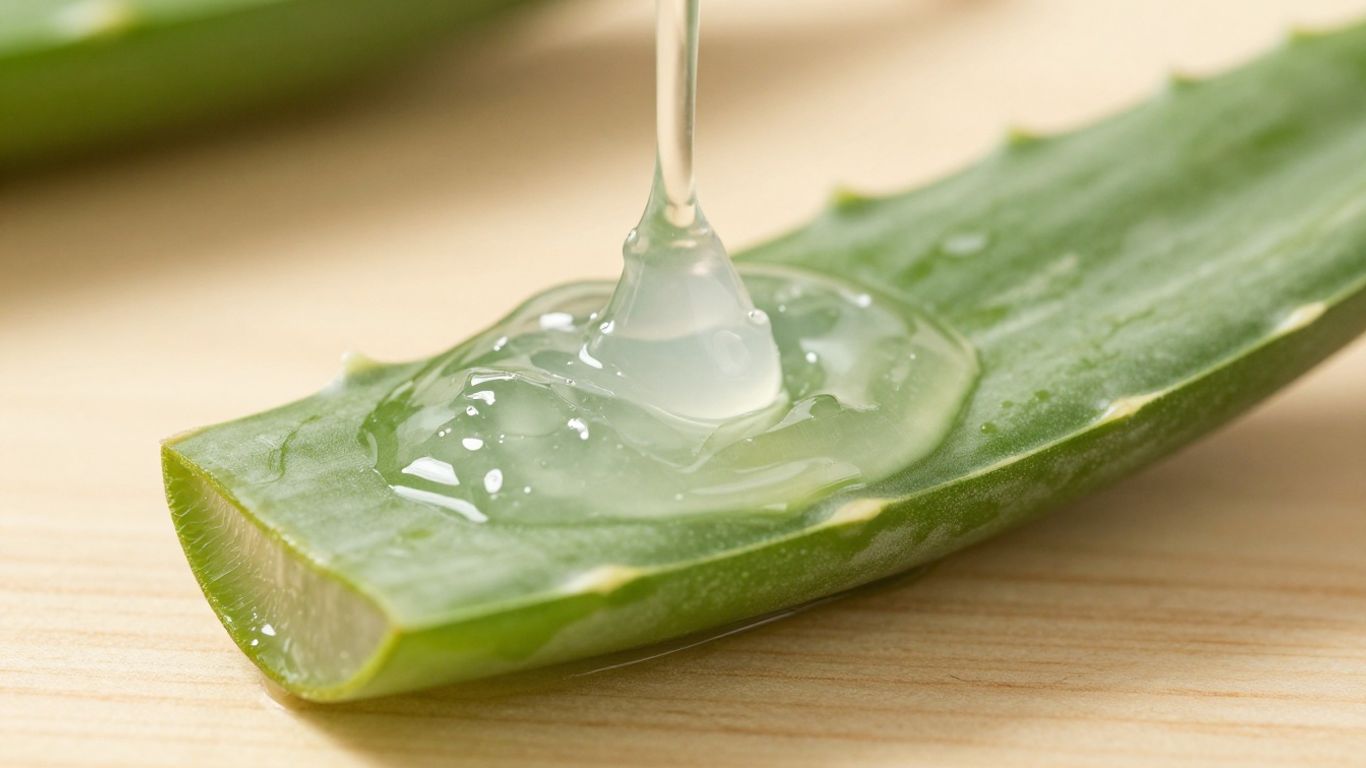
Finding the right formula involves balancing hydrating qualities with skin-soothing properties. True quality in this space comes from formulations that respect the sensitivity of intimate tissues while providing the necessary glide for comfort. When you prioritize clean chemistry, you set the stage for an experience that feels authentic and supportive.
Plant-based hydrators like aloe vera
Aloe vera is a cornerstone ingredient in many high-quality natural lubricants due to its cooling and moisturizing capabilities. It acts as a gentle humectant, helping to retain moisture and keep tissues feeling supple during use. Because it is naturally balanced, it integrates well with other ingredients without creating a tacky or unpleasant residue.
Vitamin E and botanical oils
Vitamin E is often included in specialized formulas to provide antioxidant benefits and nourishment for the skin. When combined with light botanical oils, it creates a silky barrier that facilitates movement and reduces friction. This approach focuses on nourishing the skin barrier rather than simply acting as a mechanical lubricant, which can enhance the overall quality of sensation.
PH-balancing properties for sensitive skin
A healthy, functional lubricant must consider the importance of maintaining an ideal pH balance. Imbalances in this area can lead to discomfort, making it essential to choose products that are formulated with respect to the inherent chemistry of the environment. High-quality options are often third-party tested to guarantee that they meet these specific health-focused requirements.
Different types of natural lubricants
Choosing the right lubricant requires aligning the base of the product with your specific goals. While water-based options offer versatility and safety with most barriers, oil-based versions provide a longer-lasting, deeply soothing glide that works best for particular solo or non-barrier activities.
Water-based vs. oil-based formulas
Water-based lubricants are generally the go-to for most users because they are thin, non-staining, and compatible with almost all types of sex toys and latex. Oil-based formulas, conversely, offer a thicker, richer texture that provides a more sustained glide. The following table provides a breakdown of these performance characteristics:
| Feature | Water-based Lubricants | Oil-based Lubricants | Hybrid/Botanical Formulas |
|---|---|---|---|
| Compatibility | Latex/Toy Safe | Mostly Not Safe | Variable |
| Texture | Thin/Light | Rich/Silky | Balanced |
| Cleanup | Water Soluble | Soap & Water | Easy Rinse |
Choosing the right base for your activity
Your choice should be dictated by the specific activity you are engaging in at the moment. For instance, if you are using a silicone-based toy, a pure water-based lubricant is often required to preserve the integrity of the material. However, if you are engaging in intimate essentials solo play, an oil-based product might offer the longevity and cushioning feel you desire for comfort.
Silicone-alternative natural options
For those who love the long-lasting performance of silicone but want to avoid the synthetic nature of those formulas, many brands are developing natural alternatives. These products use specialized plant-based polymers to mimic the slipperiness of silicone without the environmental or health concerns associated with traditional synthetics. These represent the best natural personal lubricant choice for those seeking a premium feel without the trade-offs.
Safety and sensitivity considerations
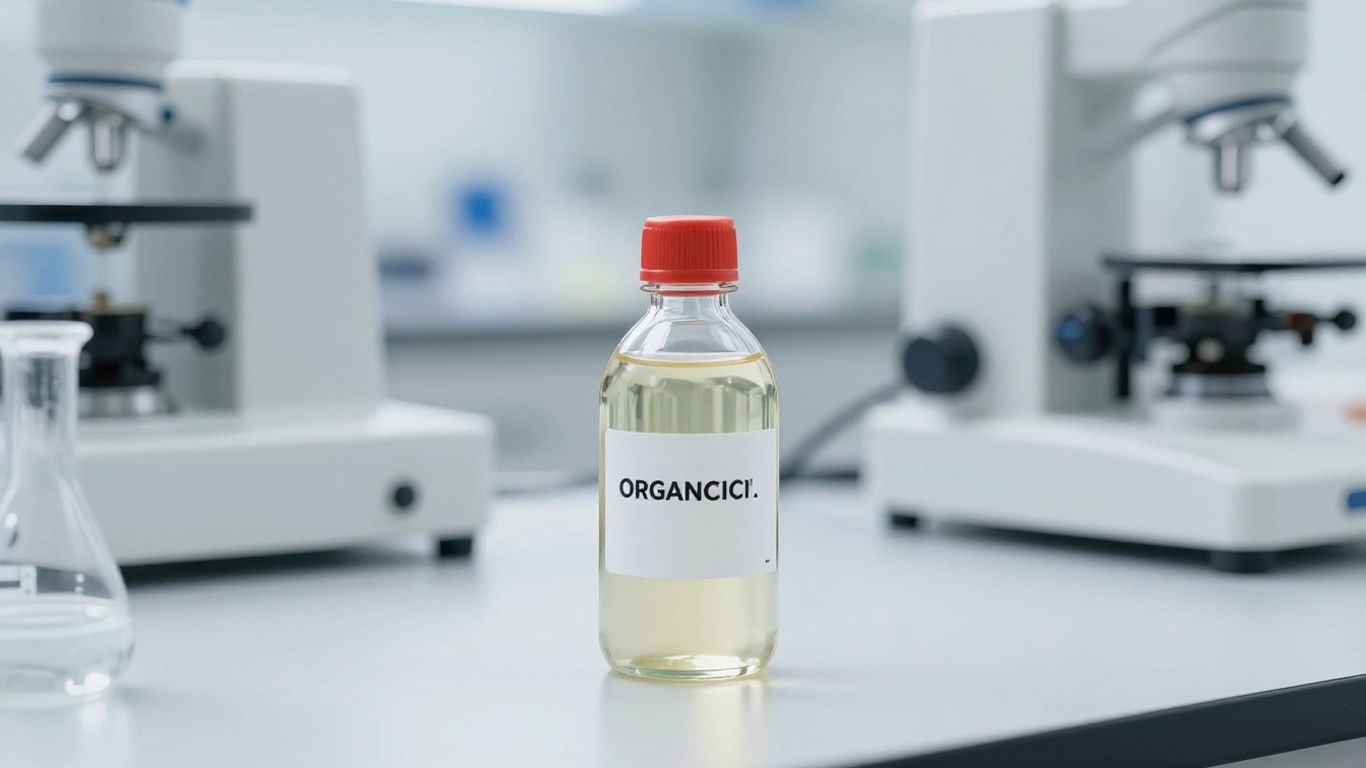
Safety is paramount when choosing any product intended for use on the body's most sensitive surfaces. Rigorous testing and transparent labeling provide the confidence needed to prioritize your health while exploring new ways to enhance pleasure. Prioritizing products from reputable companies ensures that every batch meets high standards for purity and performance.
Importance of hypoallergenic testing
Hypoallergenic testing ensures that a product has been evaluated to minimize the risk of allergic reactions in most users. This process is essential for individuals with a history of skin sensitivities or those who find conventional products reactive. Selecting items that clearly state they have undergone this testing is a proactive step toward ensuring your comfort.
Understanding glycerin and paraben-free labels
Reading labels involves more than checking for marketing buzzwords; it means identifying the absence of problematic additives. Glycerin-free and paraben-free labels serve as a shorthand for cleaners that prioritize safety over shelf-life extenders. Understanding these terms helps you make an informed decision when evaluating different options on the market.
Checking compatibility with condoms and toys
Compatibility is a practical necessity that prevents damage to your favorite gear and ensures contraceptive safety. Always check if a product is safe to use with latex, as some organic oil-based options can degrade standard condoms. Using Arousellube and other refined options often provides clear documentation on whether a formula is compatible with your current collection of accessories.
How to choose the right product for your needs
Choosing the right product involves a bit of self-exploration regarding what makes you feel the most secure and satisfied. Consider the following factors when you are browsing for your next favorite:
- Viscosity: Do you prefer a thin, water-like consistency or a thicker, more tactile gel?
- Sensitivity: Have you experienced reactions to common ingredients before?
- Lifestyle: Do you need travel-friendly packaging or a bulk supply for at-home use?
- Standards: Are certifications like cruelty-free or vegan important to your personal values?
Determining your personal viscosity preference
Viscosity refers to how thick or "runny" your lubricant feels when applied. Lighter, more fluid lubricants are easy to spread and reapply, while denser versions stay concentrated exactly where you place them. Discovering your preference might take some trial as you compare which texture aligns best with your specific activities.
Considering scent and flavor profiles
Many natural products opt to leave out added fragrances to reduce the risk of irritation. However, if you are looking for an enhanced sensorial experience, some botanical-based options incorporate food-grade extracts for subtle flavors. Always ensure that any added flavors are derived from natural sources and free of sugar to keep the formula healthy for long-term use.
Evaluating certifications and third-party testing
Third-party testing is the gold standard for verifying what is actually inside the bottle. These independent assessments ensure the product is free from contaminants and that the ingredient ratios are consistent. By selecting third-party tested formulas, you are backing your personal comfort with empirical data.
Proper storage and usage tips
Maintaining the freshness of your product is essential for performance and safety. While most high-quality natural lubricants are shelf-stable, simple habits can help extend their lifespan and ensure that they work effectively every time you reach for them.
Extending shelf life with proper storage
Store your lubricant in a cool, dry place away from direct sunlight and extreme temperatures, such as the inside of a bathroom cabinet. Excessive heat or moisture can destabilize botanical ingredients and potentially encourage microbial growth over time. Keeping the lid tightly closed after every use also prevents air from degrading the formula.
Application techniques for optimal comfort
Efficiency in application is all about finding the right timing during intimacy. Applying the lubricant slowly and allowing it to warm to your body temperature can prevent sudden shocks and create a more integrated sensation. Start with a small amount and reapply as needed throughout your session to manage the required level of glide.
Recognizing signs of product expiration
Even natural products have a shelf life that should be respected. If you notice a shift in the lubricant's color, a departure from its original scent, or a significant change in its texture—such as separation that no longer resolves with shaking—it is time to discard the product. Always check the expiration date printed on the packaging as a primary indicator.
Conclusion
Finding the right natural personal lubricant is a journey of understanding your body’s needs and prioritizing ingredients that support your well-being. By focusing on simple, clean formulas that are scientifically backed and free from harmful synthetics, you can elevate your intimate experiences while maintaining the highest standard of health and comfort. Whether you prefer the versatility of a water-based gel or the rich hydration of a botanical oil, the key is to choose products that allow you to focus entirely on connection and pleasure.
Frequently Asked Questions
Why would I use a natural lubricant instead of a standard one?
Natural lubricants avoid synthetic chemicals that can sometimes cause irritation or disrupt your body’s delicate pH balance, offering a cleaner way to enhance comfort.
Is it safe to use natural oil-based lubricants with latex condoms?
Generally, no; natural oils can cause latex to degrade and break, so it is safer to use water-based formulas if you are relying on latex barrier protection.
Can natural lubricants help with vaginal dryness during menopause?
Yes, many natural lubricants are designed to provide the deep, soothing hydration needed to alleviate dryness and prevent irritation during intimacy common during menopause.
How often should I perform a patch test when trying a new product?
You should perform a patch test every time you try a new formula to ensure your skin does not have an unexpected reaction, even if the ingredients are natural.
Do natural lubricants expire faster than synthetic ones?
Because they often contain fewer heavy preservatives, expiration periods may be shorter; always check the manufacturer’s recommendations for shelf life after opening your container.
Can I use food-grade items like coconut oil as a lubricant?
While some people use kitchen staples, they are not regulated as personal care products, which may lead to sanitation issues or potential infections, so choosing a tested lubricant is safer.
Are there specific certifications I should look for on the bottle?
Look for labels indicating the product is vegan, cruelty-free, or has undergone independent lab testing for purity and safety to verify the quality and integrity of the formula.