

Posted by Mike
on August 04, 2026

Key Takeaways
Understanding the components within your personal products is the most effective way to ensure long-term comfort and safety while enhancing your intimate experiences.
- Prioritize water-based formulas that support the natural acidity of your microbiome.
- Avoid synthetic additives like parabens, artificial fragrances, and petroleum-based derivatives.
- Conduct a patch test on a small area of skin before widespread use.
- Look for third-party certifications that verify ingredient safety and purity.
- Select lubricants that are compatible with your specific sex toys and condoms.
Understanding why ingredients matter in intimate lubricants
Intimate products interact directly with some of the most delicate areas of the body, making ingredient literacy essential for maintaining health and comfort. Rather than simply choosing based on convenience, informed users consider how various chemicals might interact with internal flora and surface tissues over time. Recognizing how specific additives influence systemic and local comfort is fundamental to selecting high-quality intimate essentials.
How vaginal tissue absorbs chemical compounds
The vaginal mucosa is highly permeable, meaning it is designed to transport substances efficiently into the bloodstream. Because of this high absorption rate, molecules present in lubricants can bypass traditional digestive filtering, entering the body directly. This makes it vital to opt for clean, transparent ingredient lists that prioritize safety and efficacy.
The importance of pH balance for intimate health
Maintaining a stable pH level is necessary to support the natural microbiome, which acts as a defense against infection. Many conventional lubricants disrupt this balance with harsh acidity or alkalinity. Using pH-balanced formulas ensures that the product works in harmony with the body rather than against it, preventing discomfort and microbial imbalance.
Differentiating between food-grade and medical-grade standards
While some products claim food-grade status, medical-grade standards often imply higher levels of purity and rigorous testing protocols for intimate application. High-quality manufacturers align with scientific rigor to ensure that every component is safe for prolonged mucosal contact. A commitment to quality means choosing formulas that have been third-party tested to ensure the absence of heavy metals or common allergens.
Safe natural ingredients to look for

Choosing substances derived from nature often provides a gentler experience for sensitive tissues. By focusing on plant-derived comfort, you can effectively avoid the irritation common with synthetic additives while still achieving a smooth glide. It is useful to keep a reference checklist of gentle components when shopping for your next purchase.
Benefits of water-based aloe vera formulations
Water-based solutions centered on aloe vera are popular for their ability to soothe and hydrate without disrupting delicate tissue. This ingredient offers a natural, silky texture that enhances pleasure while remaining easily soluble. A product like Arousellube demonstrates how a thoughtful blend of these natural ingredients can provide a superior experience compared to heavy, chemical-laden alternatives.
Coconut oil and its antimicrobial properties
Coconut oil is often praised for its natural lubricating qualities, which can be beneficial for individuals who prefer longer-lasting friction reduction. It possesses inherent antimicrobial characteristics that, in specific contexts, may act as a helpful barrier.
The role of plant-based glycerin alternatives
Many users seek alternatives to traditional glycerin, which can sometimes lead to sugar residue and microbial discomfort. Plant-based substitutes are generally preferred items for those mindful of their internal balance.
- Aloe vera for soothing hydration.
- Hyaluronic acid for moisture retention.
- Plant-derived cellulose for viscosity control.
- Lactic acid for supporting natural pH.
These components collectively work to enhance pleasure while maintaining the skin’s integrity during use.
Potentially harmful additives to avoid
Identifying what to exclude is just as critical as knowing what to include when shopping for personal products. Many standard additives found in drugstore options are linked to irritation, allergic reactions, or disruption of the natural microbiome. By staying vigilant, you protect your body from unnecessary chemical exposure.
Risks associated with parabens as preservatives
Parabens are often used to extend shelf life, yet their role as endocrine-disruptors makes them a poor choice for internal application. These preservatives are frequently cited as ingredients to avoid in the chemicals of concern list published by health advocates. Avoiding such synthetic compounds is a core aspect of prioritizing long-term health.
Why fragrances and flavoring agents cause irritation
Artificial fragrances and flavoring agents are primary causes of contact dermatitis and sensitive tissue irritation. Relying on scent-free or naturally flavored options helps you maximize sensation without risking the health of your delicate internal environment.
This simple shift alone can drastically reduce instances of localized discomfort and allergic response.
Identifying synthetic petroleum-based derivatives
Petroleum-derived agents are common in low-cost lubricants but can be difficult for the body to break down and may stain fabrics or irritate pores. Opting for water-based, non-petroleum formulations is a safer, more reliable way to maintain clean and healthy intimacy.
Reading and interpreting lubricant labels
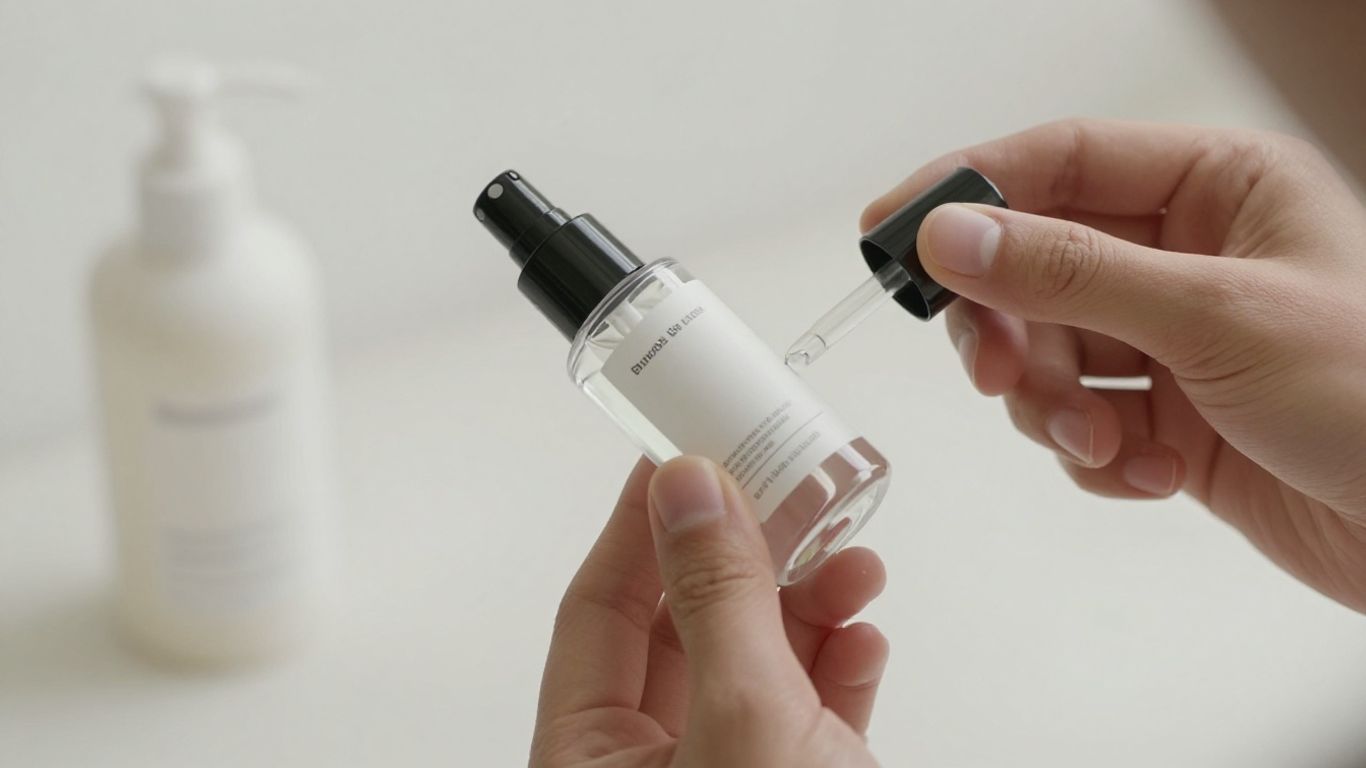
Understanding the back of a package is the final step in becoming an empowered consumer. Companies that prioritize body-safe ingredients will clearly label their contents rather than hiding behind generic industry jargon. Taking sixty seconds to review the list ensures the product aligns with your expectations.
Decoding chemical names on packaging
Labels can feel intimidating, but common chemical naming conventions often follow simple rules that indicate usage. For instance, high-water content should usually be a primary component, while more complex chemical names should be researched or avoided if they appear in high concentrations.
Understanding third-party certifications and testing
Third-party testing provides a stamp of legitimacy that ensures the product meets safety threshold standards for skin and internal use. Products that undergo this process demonstrate a commitment to efficacy over cheap manufacturing. This rigor is essential when selecting products that directly impact your well-being.
Identifying common hidden irritants in long ingredient lists
Lengthy ingredient lists often signal the presence of unnecessary buffers or stabilizers that may cause irritation to sensitive skin types. The table below highlights components to watch out for during the selection process.
| Ingredient Category | Potential Risk | Recommended Action |
|---|---|---|
| Parabens | Endocrine disruption | Avoid entirely |
| Artificial Dyes | Allergic response | Avoid entirely |
| Excess Glycerin | Yeast infection risk | Choose glycerin-free |
It is always worth ensuring that the bulk of the ingredients are transparently listed and easily identifiable to avoid hidden triggers.
Best practices for testing new lubricants
Even when you verify every ingredient, individualized responses vary, requiring a careful approach to new purchases. Integrating a testing protocol reduces the chance of experiencing an unexpected reaction during a private moment. This systematic approach fosters a better understanding of how different water-based lubricants interact with your unique physiology.
Performing a patch test for allergy sensitivity
The safest way to introduce any new product is to apply a pea-sized amount to the inner forearm or behind the ear for twenty-four hours. If no redness, itching, or swelling occurs, the chances of a severe allergic reaction are significantly reduced. This practice is part of an informed approach to personal care.
Monitoring for immediate post-use reactions
After initially using a new product, observe your body for signs of discomfort like burning or stinging. These signals often manifest within minutes for those with high sensitivity. Recognizing these signs allows you to discontinue use before more pronounced symptoms bloom.
Recognizing signs of allergic contact dermatitis
Allergic contact dermatitis presents as localized redness or a rash that develops anywhere from hours to days after exposure. By learning the physical signs of this condition, you can quickly identify the offending product and safely switch to a more compatible formula that nurtures your tissue.
Selecting the right formulation for your needs
Selecting the ideal match for your needs involves balancing personal preference with health-conscious priorities like pH-friendly formulas. Whether you require a product for daily comfort or special occasions, the best choice is one that supports your body's natural defenses while providing satisfaction.
Lubricant requirements for sensitive skin types
For those prone to irritation, the best approach is to choose products specifically labeled for sensitive skin, focusing on soothing agents like aloe. Using a product like Arousellube can help maintain comfort for individuals who have struggled with synthetic formulations in the past.
Balancing viscosity with ingredient gentleness
Viscosity refers to the thickness of the lubricant and its ability to provide lasting cushion. Ideally, you want a balance where the product feels substantial enough to enhance sensation without being sticky or abrasive. Finding a formula that achieves this through plant-based components is the hallmark of a high-quality product.
Specific considerations for use with sex toys and condoms
Compatibility is a physical requirement for the long-term maintenance of your intimate accessories. Always confirm that your chosen lubricant is safe for your preferred materials, as some oil-based options can damage latex or silicone covers. Keeping a range of condom-compatible lubricants ensures you are always prepared for a safe and pleasurable experience.
Conclusion
Selecting the right ingredients is not just about avoiding discomfort—it is about honoring your body's needs while exploring your intimacy. By focusing on quality, transparency, and personal sensitivity, you can create a safe, satisfying routine that enhances your experience without compromising your long-term health.
Frequently Asked Questions
Why do some lubricants cause stinging or burning?
Stinging usually occurs when a lubricant has an osmolality higher than your natural vaginal environment or contains harsh additives that degrade the skin barrier.
Are natural lubricants always safer than synthetic ones?
While natural ingredients like aloe vera offer significant benefits, it is always essential to check for specific plant allergies and ensure the product remains free from problematic preservatives.
How can I tell if a lubricant is truly pH-balanced?
Look for products that explicitly mention being pH-balanced on the packaging, as this indicates the formula has been calibrated to mirror the naturally acidic environment of the body.
Does oil-based lubricant really damage latex condoms?
Yes, oil-based products work to break down the integrity of latex molecules, which can significantly weaken the protective barrier of the condom and lead to breakage.
How often should I patch test a new product?
Every time you switch to a brand or formulation you have not used before, you should perform a patch test to rule out individual allergic reactions.
Can I use edible lubricants for regular intercourse?
Many edible lubricants are safe for regular use, but you should avoid options that contain high concentrations of added sugars, which can lead to bacterial or yeast imbalances.
What should I do if I experience an allergic reaction to a lubricant?
If you experience redness, swelling, or persistent itching, immediately wash the area with lukewarm water, discontinue the product, and consult a healthcare professional if symptoms persist.





































































