

Posted by Mike
on September 02, 2026

Key Takeaways
A natural lubricant can feel elegant and comfortable, but “natural” alone does not guarantee that a formula suits your body. The best choice depends on ingredients, base, intended use, and compatibility.
- Water-based formulas are versatile, easy to clean, and often a practical starting point.
- Aloe vera and other plant-derived ingredients can provide a smooth, lightweight feel.
- Oil-based options may last longer, but they are not compatible with latex condoms.
- Fragrance-free, transparent ingredient lists are useful for sensitive skin.
- Persistent dryness, burning, or pain deserves attention from a qualified healthcare professional.
1. Best aloe vera-based natural lubricant
Aloe vera-based lubricants are popular because they tend to feel light, smooth, and close to natural moisture. A well-made gel can add glide without leaving an especially heavy coating, making it suitable for many forms of intimate activity. Look for a full ingredient list rather than relying on the front-label claim alone.
The surrounding ingredients matter just as much as aloe. Fragrance, unnecessary flavoring, and ingredients that feel irritating should give you pause, particularly if your skin is reactive. A formula with plant-derived comfort and a clearly stated base is easier to evaluate and use confidently.
Use a small amount first and add more as needed. If the product stings, burns, or causes unusual discomfort, wash it away and stop using it; a “natural” label does not override your body’s response. For a broader comparison of aloe, oil, and water-based choices, this natural lubricant guide offers another useful perspective.
2. Best organic water-based natural lubricant
Organic water-based lubricants are often the most adaptable option for people who want a clean-feeling formula. They are generally easy to rinse away and may work well for vaginal intimacy, external touch, and many compatible toys. “Organic” can refer to particular ingredients or certifications, so read the label carefully to understand what the designation covers.
A good water-based formula should provide comfortable slip without feeling excessively sticky as it dries. Hydration, texture, and pH are all worth considering, especially when the lubricant will be used internally. Arousellube offers water-based, edible personal lubricants made with natural ingredients, giving shoppers a plant-focused option to investigate alongside the ingredient list and package directions.
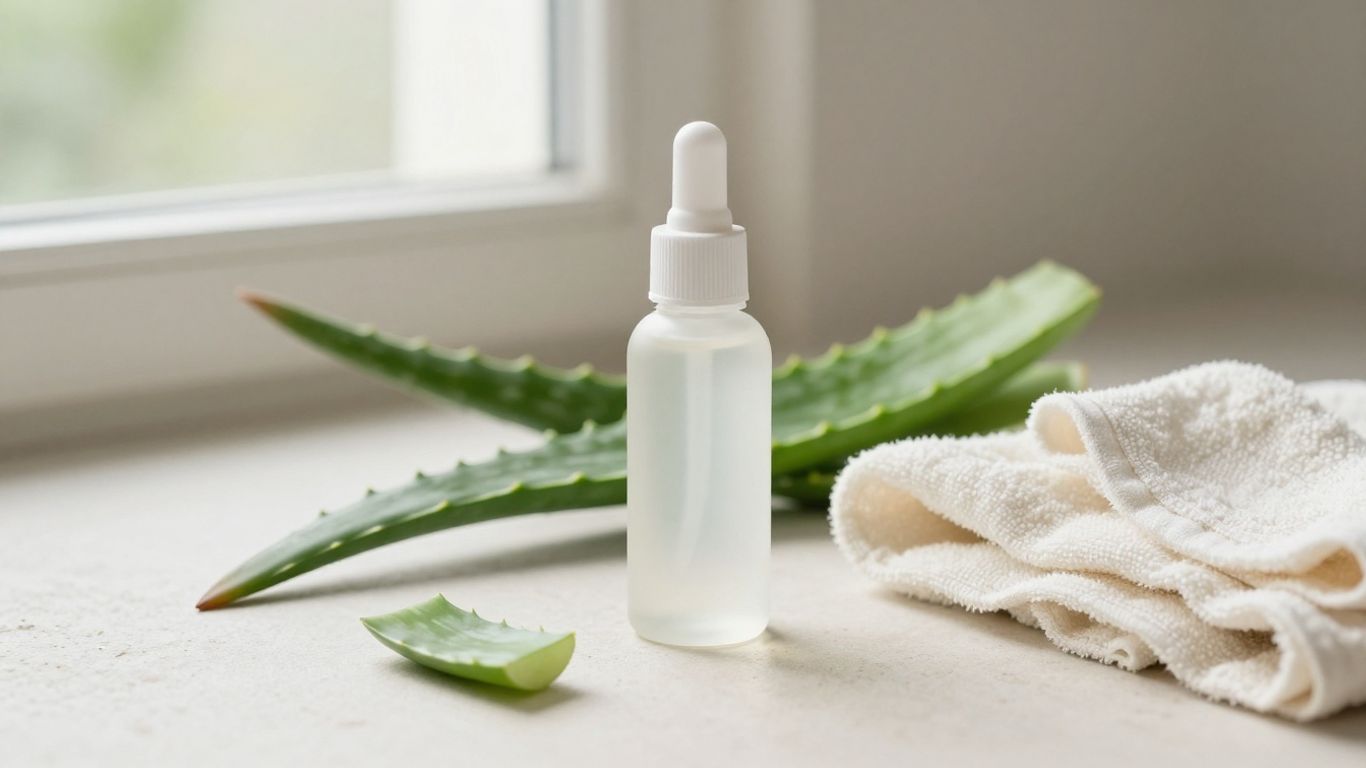
Water-based products can need reapplication during longer sessions, which is not necessarily a flaw. It simply reflects how the base behaves and lets you adjust the amount to your comfort. For additional water-based comparisons, see this water-based lubricant overview.
3. Best natural lubricant for sensitive skin
Sensitive skin usually benefits from restraint. A short, recognizable ingredient list, no added fragrance, and a texture that does not feel harsh are sensible starting points. Patch-testing a small amount externally can help you notice a reaction before using a new product more extensively.
Avoid assuming that botanical means universally gentle. Some essential oils, extracts, sweeteners, and flavor ingredients can be uncomfortable for certain people, while a familiar ingredient may still not suit everyone. Introduce one new product at a time so you can identify what your body likes or dislikes.
The best personal lubricant natural shoppers choose is the one that performs without creating new irritation. Keep water nearby for cleanup, follow the product’s directions, and stop if burning or itching develops. This sensitive-skin lubricant guide can help organize the questions to ask while comparing labels.
4. Best natural lubricant for vaginal dryness
Dryness can happen for many reasons, including hormonal changes, medication effects, stress, breastfeeding, or simply not having enough time for arousal. Lubricant can reduce friction during intimacy, but it does not diagnose or treat the cause of ongoing dryness. If sex is painful or symptoms persist, a clinician can help you explore what is happening.
For this use, a water-based gel with a comfortable, hydrating feel is often a reasonable first consideration. Some people prefer a thicker texture that stays in place, while others like a lighter formula that feels less noticeable. The right choice is personal, and the label’s intended use should guide you.
Apply enough to reduce friction, then reapply rather than pushing through discomfort. Gentle communication also matters: slowing down, changing position, or pausing can be as useful as changing products. For a deeper look at options for dryness, explore this dryness lubricant guide.
5. Best natural lubricant for anal intimacy
Anal intimacy calls for generous, reliable lubrication because the anus does not self-lubricate in the same way the vagina does. A thicker formula may feel more cushioning, although personal preference and the activity itself determine how much staying power you need. Go slowly, communicate clearly, and treat discomfort as a reason to pause.
Check compatibility with condoms and toys before use, especially if you are considering an oil-based product. Reapply whenever the surface begins to feel dry, and use fresh protection when moving between body areas. Lubricant supports comfort, but it does not replace consent, patience, or barrier protection.
A small amount on the outside of a condom or toy can make insertion more comfortable, provided the lubricant is compatible with that material. Keep the bottle within reach so adding more does not interrupt the moment. If there is sharp pain or bleeding, stop and seek medical advice when appropriate.
6. Best oil-based natural lubricant
Oil-based lubricants can offer a rich, lasting glide and may feel appealing for external massage or non-latex intimacy. Common plant oils and butters can create a silky texture, but the full formula still deserves close attention. Edibility, skin tolerance, and cleanup are separate questions, so consider each rather than treating them as interchangeable.
The central safety issue is condom material. Oils can weaken latex, increasing the chance of breakage, so do not pair an oil-based lubricant with latex condoms or latex dental dams. Product directions should always take priority, and people using other barrier materials should confirm compatibility rather than guess.
Oil can also be harder to wash from fabric and may not suit everyone internally. If you are prone to irritation or recurrent infections, ask a healthcare professional whether an oil-based option makes sense for you. Arousellube’s water-based, edible offerings may be a more versatile direction for readers who want natural ingredients without choosing an oil base.
7. Best natural lubricant for use with condoms
When condoms are part of your safer-sex routine, compatibility comes first. Water-based lubricants are commonly selected for their versatility, but the package should still be checked for the specific condom and toy materials involved. Never trade barrier reliability for a texture preference.
A simple comparison can make the decision clearer:
| Lubricant base | Typical feel | Condom consideration |
|---|---|---|
| Water-based | Light and easy to rinse | Usually a versatile starting point; check the label |
| Oil-based | Rich and long-lasting | Not suitable with latex barriers |
| Silicone-based | Smooth and persistent | Verify toy and product compatibility |
The table is a starting framework, not a substitute for package instructions. If you use latex, choose a clearly compatible formula and reapply as needed without adding oil. This condom-compatible lubricant guide provides another way to compare water-based choices.
8. Best long-lasting natural lubricant
Long-lasting performance depends on more than the word “natural.” Base, viscosity, moisture, activity, and the amount used all affect how long a lubricant feels comfortable. A thicker water-based formula may stay present longer than a very thin gel, while silicone and oil bases behave differently again.
For extended intimacy, begin with enough product to reduce friction and keep the bottle close. Reapplication is normal, and needing more does not mean the product has failed. If a formula becomes tacky, adding a little water may help when the label allows it, but replacing it is better if the texture remains unpleasant.
Arousellube’s positioning centers on natural, pH-balanced, third-party tested formulations, so readers interested in the brand can review its specific product labeling before deciding whether the texture suits longer use. As with any lubricant, comfort and body response should remain the deciding measures.
9. Best fragrance-free natural lubricant
Fragrance-free is a practical filter for anyone who tends to react to scented personal-care products. Added fragrance can make a lubricant smell appealing, but it does not improve glide, hydration, or compatibility. Check the complete ingredient list because “unscented” and “fragrance-free” may be used differently across products.
A fragrance-free formula can still contain other ingredients that do not suit your skin. Consider flavoring, warming agents, botanical extracts, and preservatives in the context of your own history. If you have experienced irritation before, a cautious trial with a small amount is sensible.
Keep the product clean and close the cap after use. Discard it if the smell, color, or texture changes unexpectedly, and follow the storage guidance on the package. The natural lubricant selection guide is helpful when you want to compare ingredient transparency, base types, and certifications.
10. Best natural lubricant with simple, clean ingredients
A short ingredient list is easier to understand, but short does not automatically mean safer or more effective. What matters is whether the listed ingredients are suitable for intimate use, whether the product’s pH and intended application are clear, and whether compatibility information is easy to find. Transparency is more useful than a vague promise of purity.
Before buying, run through a few practical checks:
- Read the entire ingredient list, not only the front label.
- Confirm the base and intended internal or external use.
- Check condom and toy compatibility before combining products.
- Look for fragrance and flavor ingredients if you are sensitive.
These checks turn “clean ingredients” into a concrete buying process. Arousellube emphasizes non-GMO, vegan, and third-party tested formulations, so shoppers can use those documented qualities as part of their evaluation while still checking the individual product label. For another discussion of what natural and organic labels mean, this ingredient transparency guide is worth reading.
Natural intimate care also works best as part of a broader, comfortable routine. Readers who are separately planning warm-weather body care may find these summer skincare tips useful, although facial and intimate products should not be treated as interchangeable. Choose the product that meets your actual need, use it as directed, and let comfort guide the final decision.
Conclusion
The best natural lubricant is not one universal product but a well-matched formula with body-safe ingredients, clear directions, and the right base for your activity. Start with your skin sensitivity, dryness, barrier use, and preferred texture, then introduce new products gradually and stop if your body objects.
Frequently Asked Questions
What makes a lubricant natural?
“Natural” generally describes ingredients sourced from plants, minerals, or other naturally derived materials, but the term is not a complete safety standard. Read the full ingredient list, intended-use information, and any available certification details.
Is aloe vera lubricant safe for everyone?
Many people enjoy aloe-based formulas, but individual reactions are possible. Try a small amount first, avoid products that cause stinging or itching, and seek medical advice if symptoms continue.
Which lubricant base is easiest to clean?
Water-based lubricants are usually the easiest to rinse away with water. They may dry sooner than oil or silicone formulas, so reapplication can be part of normal use.
Can natural lubricant be used with condoms?
Compatibility depends on the lubricant base and the condom material. Oil-based products should not be used with latex barriers, while other combinations should be confirmed against the product directions.
Is oil-based lubricant better for vaginal dryness?
It can provide a rich, lasting feel, but it is not ideal for everyone and is incompatible with latex condoms. A water-based product may be a more adaptable starting point, especially when easy cleanup matters.
Can lubricant help with painful sex?
Lubricant may reduce friction, but persistent or sharp pain deserves medical attention. Pain can have causes that lubrication alone will not address.
How should a new lubricant be tested?
Read the label, patch-test a small amount externally when appropriate, and introduce only one new product at a time. Stop using it if you notice burning, itching, swelling, or unusual irritation.





































































