

Posted by Mike
on July 23, 2026

Key Takeaways
Navigating your fertility journey involves careful attention to the products you use during intimacy. Understanding the relationship between lubricants and sperm health is vital for ensuring your intimate experiences remain both effective and supportive of your goals.
- Standard lubricants often contain ingredients that can damage or inhibit sperm movement.
- Fertility-friendly formulas are designed to be pH-balanced and isotonic to match natural cervical fluid.
- Ingredients like glycerin and parabens should be avoided due to their potential impact on sperm.
- Proper application methods are just as important as the formula you choose for your wellness routine.
- Consulting with a healthcare provider can provide personalized guidance for your specific TTC needs.
Why standard lubricants may hinder conception
The impact of pH levels on sperm motility
Sperm are highly sensitive to their surrounding environment when navigating the vaginal canal. A balanced pH environment is essential for maintaining sperm motility, which is the ability of the sperm to move effectively toward the egg. If a lubricant has an acidic or alkaline level that deviates significantly from the natural vaginal environment, it can impair this movement and shorten the lifespan of sperm shortly after intercourse.
Osmolality and its effect on sperm survival
Osmolality measures the concentration of particles in a solution, and it plays a critical role in sperm health. When a lubricant is hypertonic, or dense in solutes compared to natural cervical mucus, it can create osmotic stress that damages the sperm's tail or membrane. Maintaining an iso-osmolar environment allows the sperm to function as they would in natural conditions, ensuring they remain viable and mobile for longer periods.
Ingredients to avoid, such as glycerin, parabens, and spermicides
Many commercially available intimacy products include additives that are fine for general pleasure but potentially harmful during conception efforts. Ingredients like synthetic glycerin, certain parabens, and any form of spermicide are known to have a toxic effect on sperm. For those who prioritize body-safe ingredients in their routine, choosing products free from these common preservatives is a non-negotiable step toward total peace of mind.
Understanding how hypertonic solutions damage sperm health
Hypertonic solutions are essentially dehydrating to cells, which can quickly drain the energy and vitality of sperm. By drawing water out of the cell wall through osmosis, these lubricants compromise the integrity of the sperm before they have a chance to travel. Avoiding hypertonic mixtures is essential because high-quality body-safe ingredients help preserve the healthy environment necessary for supporting your fertility goals.
Identifying fertility-friendly lubricants
What makes a lubricant officially sperm-friendly
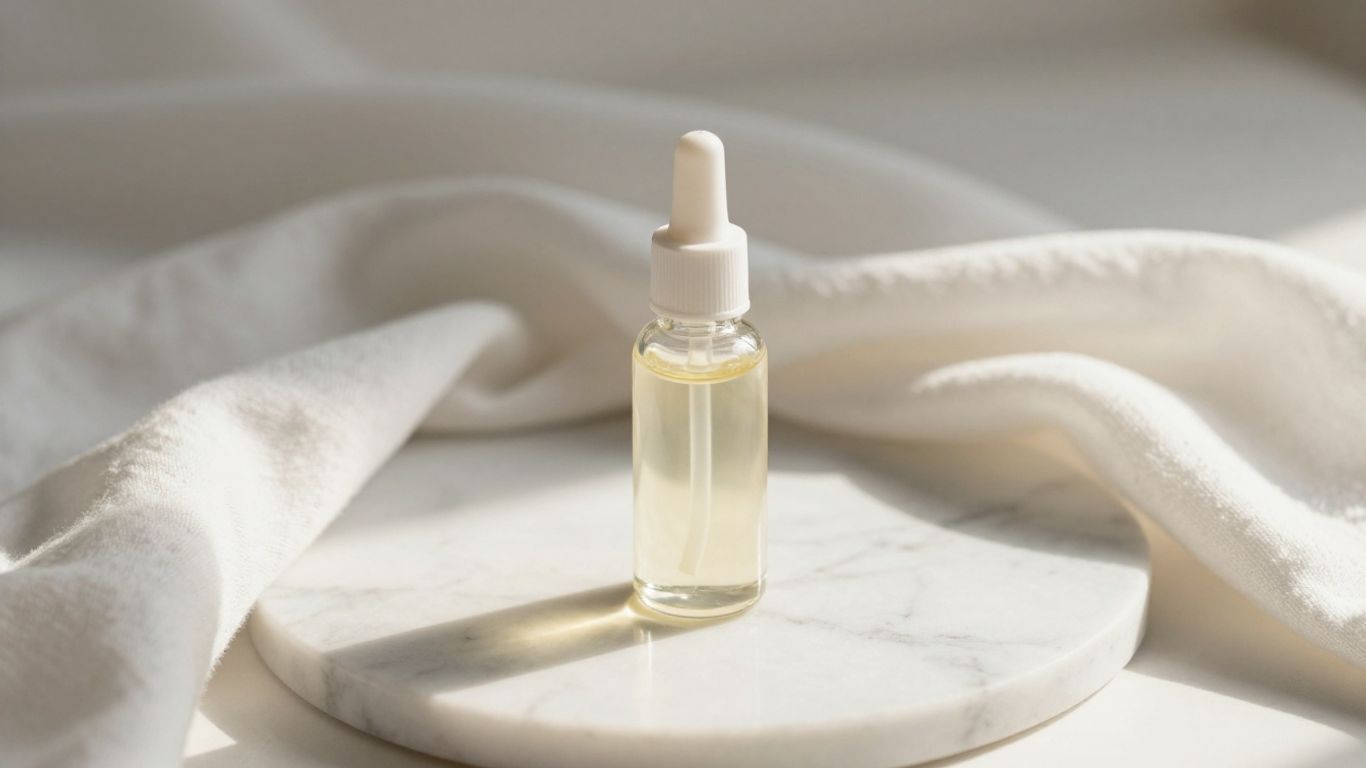
A truly fertility-friendly lubricant is meticulously crafted to mimic the physical and chemical properties of natural cervical mucus. This means the product is designed to be isotonic, maintaining a salt concentration that doesn't put stress on sperm, while staying pH-balanced to avoid disrupting the delicate vaginal ecosystem. Products like those developed by Arousellube emphasize using plant-derived comfort and natural formulations that support rather than interfere with biological processes.
Reviewing clinical studies and evidence-based results
When exploring options, look for evidence that a product has undergone rigorous peer-reviewed testing. Clinical studies often evaluate how a specific formula impacts sperm concentration, motility, and normal morphology over time. While individual results vary, using formulas supported by research gives couples better confidence that they are making an informed choice during their conception window.
Certifications and safety endorsements to look for on packaging
Reliability is often confirmed through clear indicators on product packaging. Look for designations such as "fertility-friendly" or "sperm-safe" that have been vetted by clinical oversight. Third-party testing can also verify that a product does not contain harmful additives, ensuring the personal lubricant for conceiving you choose aligns with high safety standards and scientific integrity.
Distinguishing between fertility-friendly and fertility-neutral products
It is important to understand the nuance between products labeled as fertility-friendly and those that are merely neutral. A neutral product may not actively harm sperm, but it lacks the specific isotonic design intended to support viability. Opting for a product explicitly categorized for its supporting role in conception provides an added layer of security compared to standard store-bought gels that are not tested for sperm interactions.
How to properly apply lubricant for conception
Timing and placement for maximum efficacy
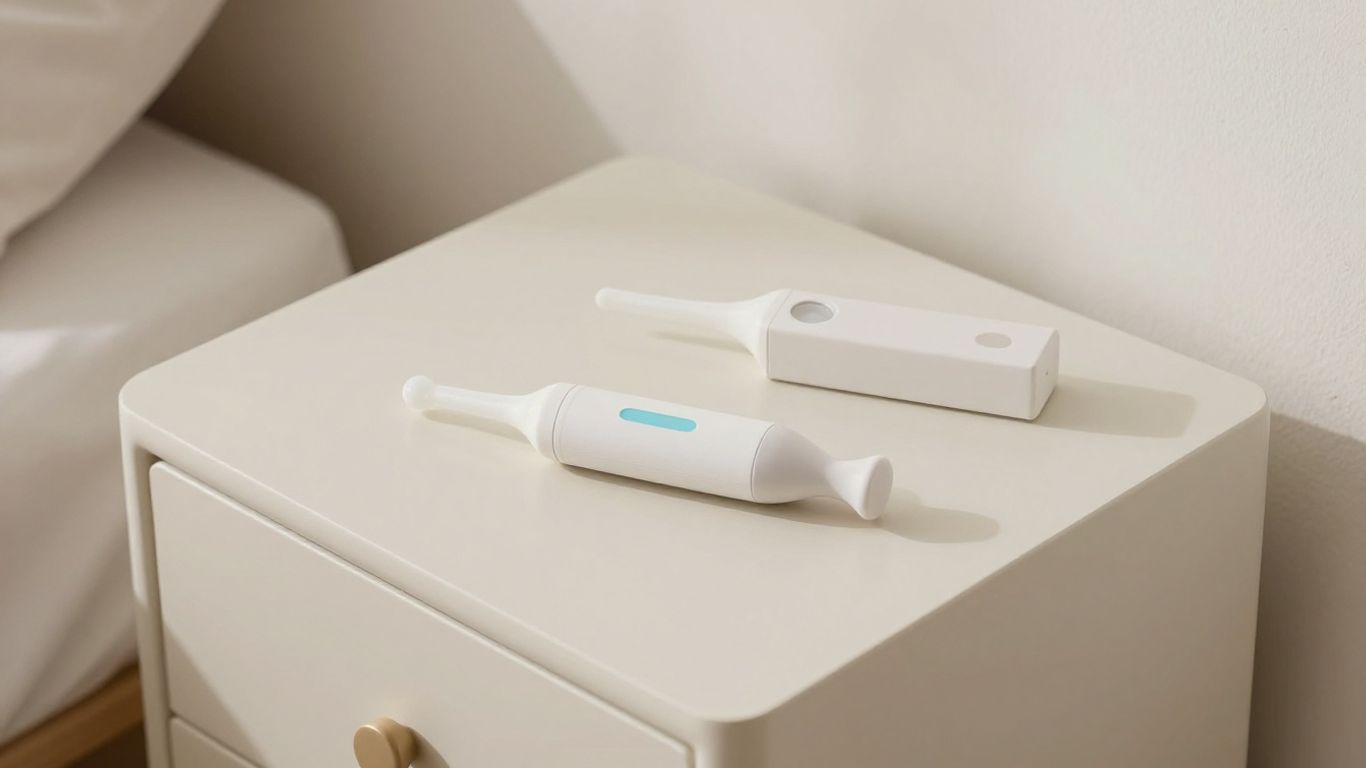
To ensure optimal results, the lubricant should be distributed near the cervix where it can effectively assist sperm transit. Applying it just before intimacy allows the formula to create a conducive barrier and moisturizing layer. This is where Arousellube excels, as its consistency is designed specifically to maintain a thin, supportive coating that enhances comfort during the crucial moments of the fertility window.
Recommended quantity for optimal vaginal application
Excessive application is not required and may even be counterproductive, as you want to maintain a delicate balance inside the vaginal canal. Most manufacturers provide specific guidance on the amount required for a single use. To help manage your routine, consider these guidelines for application:
| Application Stage | Recommended Action | Notes for Couples |
|---|---|---|
| Preparation | Use included applicators | Ensures precise delivery |
| Quantity | Apply 2-3 milliliters | Avoid over-saturation |
| Post-Intercourse | Remain lying down briefly | Promotes optimal drift |
Internal versus external application methods for couples
the flexibility of modern fertility products allows for either internal or external application depending on personal preferences and comfort. Internal application with a specialized applicator helps get the product closer to the cervix, while external application can assist with initial moisture and ease of entry. Regardless of the method, the goal is always to maximize sensation while ensuring that the chemical environment remains stable for sperm contact.
Tips for minimizing mess during intercourse
Managing comfort and cleanliness is a practical concern for couples. To keep the focus on intimacy, follow these steps before and after your session:
- Use a pre-filled, single-use applicator to control the distribution of the product.
- Keep a soft towel nearby to prevent cleanup from interrupting your flow.
- Allow the lubricant to warm to room temperature prior to use to feel more natural.
- Lie still for a few minutes following intimacy to ensure the product remains where it is most needed.
Following these simple steps keeps the experience seamless and reduces the stress associated with potential mess, allowing you to stay present in the moment.
When to use lubricant during the fertility window
Recognizing signs of ovulation and natural cervical mucus
Your fertile window is characterized by subtle physiological shifts, including the appearance of thin, egg-white cervical mucus designed to help sperm survive. Lubricant acts as a supplement to this natural process when dryness occurs or when extra comfort is desired to keep the mood relaxed. Monitoring these changes helps you identify the period when supplemental support will be most effective and natural.
Balancing natural lubrication with supplemental fertility products
Even when your body is producing its own fertile mucus, stress or hormonal fluctuations can sometimes cause dryness. Using a high-quality Arousellube allows you to bridge this gap without interfering with the sperm-friendly environment your body is naturally creating. It is about harmony; the product should work alongside your biology rather than replace or alter the natural environment.
Incorporating lubrication into your overall intimacy routine
Intimacy during the fertility window should be enjoyable, not just a clinical endeavor. Integrating a premium lubricant into your ritual can take the pressure off, helping to reduce the anxiety that can sometimes lead to reduced blood flow and dryness. When your intimacy routine relies on pH-balanced formulas, you are free to explore your connection without concern for how it might impact your long-term parenting goals.
Monitoring for sensitivities if using daily during fertile days
Even with natural, clean ingredients, every individual's skin is unique. If you plan to use a product daily throughout your fertile window, pay close attention to any signs of sensitivity or irritation. Incorporating a product recommended for intimate wellness that avoids common irritants generally lowers these risks, but listening to your body remains the most accurate way to guide your daily use.
Common myths about fertility lubricants
Does using lubricant affect your hormonal balance?
It is a common misconception that topical lubricants influence systemic hormone levels. In reality, correctly formulated lubricants are designed to be inert in the vaginal channel and do not permeate the bloodstream or alter your endocrine function, safely leaving your natural hormonal cycles undisturbed.
Can synthetic lubrication reduce your chances of getting pregnant?
If the synthetic components are not designed for fertility, they may indeed cause issues for sperm. However, this is because of physical factors like pH and osmolality, not because the lubricant acts as a contraceptive or anti-fertility treatment. Choosing an appropriate product ensures that the lubrication supports the environment rather than hindering it.
Are all water-based products automatically safer than silicone-based ones?
The base of the lubricant—whether water or silicone—is just one factor. While water-based formulas are often preferred for their cleanliness and compatibility, being water-based does not automatically make a product "sperm-friendly." The safety profile depends on the presence of additives and the tonicity of the blend, which is why checking for specific fertility certifications is always better than relying on base type alone.
Does lubricant impact the sperm's ability to reach the cervix?
When used correctly, the right product actually helps sperm by providing a consistent, nourishing environment for them to travel. A proper fertility-neutral or fertility-friendly lubricant supports the sperm's journey, which is exactly why it is a helpful tool for many couples.
Conclusion
Choosing the right tools for your fertility journey is a powerful step in taking control of your intimate health and well-being. By selecting products that prioritize high-quality ingredients and scientifically backed formulations, you can maintain your comfort while supporting your goal of starting a family. Whether you are addressing temporary dryness or looking for a way to make intimacy more supportive during your fertile window, the thoughtful use of a specialized lubricant provides a balanced, effective, and reassuring way to enhance your experience together.
Frequently Asked Questions
Can I use regular lubricant if I am trying to conceive?
Most regular lubricants are not recommended for conception because they often contain chemicals that can inhibit sperm motility or damage their delicate membranes.
How long should I wait after applying lubricant before having intercourse?
Most fertility lubricants are designed to be effective immediately upon application, so you do not need to wait before proceeding with intimacy.
Are there any side effects to using fertility-friendly lubricants?
When choosing high-quality, plant-derived formulas, side effects are extremely rare, though it is always wise to perform a patch test if you have sensitive skin.
Do I need to use the applicator for my lubricant to be effective?
While application near the cervix is optimal, some products can be used both internally and externally depending on the instructions provided by the manufacturer.
Can lubricant expire?
Like any other personal care product, lubricants do have a shelf life, so it is important to check the expiration date on the packaging to ensure the formula's effectiveness.
Are fertility-friendly lubricants safe for daily use?
Yes, provided they are made with body-safe ingredients, these lubricants are generally safe to use as often as needed during your fertile window.
Does the temperature of the lubricant matter for sperm health?
While it does not directly harm sperm, bringing the lubricant to room temperature is recommended primarily for your own physical comfort during intimacy.





































































