

Posted by Mike
on August 31, 2026

Key Takeaways
Choosing an organic personal lubricant is less about a single label and more about matching ingredients, formulation, and intended use to your body and routine.
- Look for meaningful certification and a complete, readable ingredient list.
- Choose water-, oil-, silicone-, or hybrid-based formulas according to the occasion.
- Confirm condom and sex-toy compatibility before use.
- Prefer simple, transparent formulas when your skin or tissues are sensitive.
- Stop using any lubricant that causes discomfort, and seek medical advice for persistent symptoms.
Understand what “organic” means in personal lubricant
The word “organic” can describe a carefully certified formula, a few organically grown ingredients, or simply a brand’s natural-looking positioning. Those meanings are not interchangeable. A thoughtful choice starts with the label, then moves to the formula’s feel, intended use, and compatibility. This approach is more useful than assuming a product is gentle because its packaging looks botanical.
Organic certification versus natural marketing claims
Organic certification generally involves defined standards, documentation, and oversight, while “natural” may be a broad marketing description with no single universal meaning. Check which organization issued a certification and what portion of the product it covers. If there is no certification, the ingredient list and manufacturer information become especially important. A clear label should make it possible to understand what you are applying and why.
That same habit of checking materials and care information appears in a sustainable fabric wardrobe, even though the products are different: attractive “natural” language is not a substitute for specific sourcing or standards. In intimate care, look for concrete information rather than relying on earthy colors, leaves, or vague promises.
Common ingredients found in organic lubricants
Plant-derived ingredients may include aloe vera, coconut-derived components, botanical extracts, or vitamin-rich oils. Water-based formulas often use humectants and thickeners to create a smoother feel, while oil-based formulas rely on plant oils for glide. “Plant-derived” does not automatically mean suitable for every person, so the full ingredient list still matters. A familiar ingredient can cause irritation in an individual user.
Why ingredient transparency matters
A complete ingredient list lets you compare formulas and identify ingredients you already know your body does not tolerate. It also helps you distinguish a short, straightforward formula from one with added fragrance, flavor, or sensation-changing ingredients. Clear labeling supports calmer choices when you are trying a product for the first time. For another perspective on reading labels, bases, and comfort factors, see this natural lubricant selection guide.
How skin sensitivity affects your choice
Sensitive skin or easily irritated tissues may respond better to a simple, unscented formula with fewer unnecessary additives. Consider a small external patch test when the manufacturer permits it, but remember that external skin testing cannot predict every internal response. Introduce one new product at a time so you can identify the source of a reaction. If dryness or pain continues, the lubricant may not be the whole explanation.
Choose the right lubricant base
The base determines how a lubricant feels, how often it needs reapplication, and how easily it washes away. There is no universally best texture; the right choice depends on the activity, condom material, toy material, and your preference. Water-based products are often a practical starting point, while oil and silicone formulas can suit different situations. Arousellube offers water-based, edible personal lubricants made with natural ingredients for enhancing pleasure and intimacy.
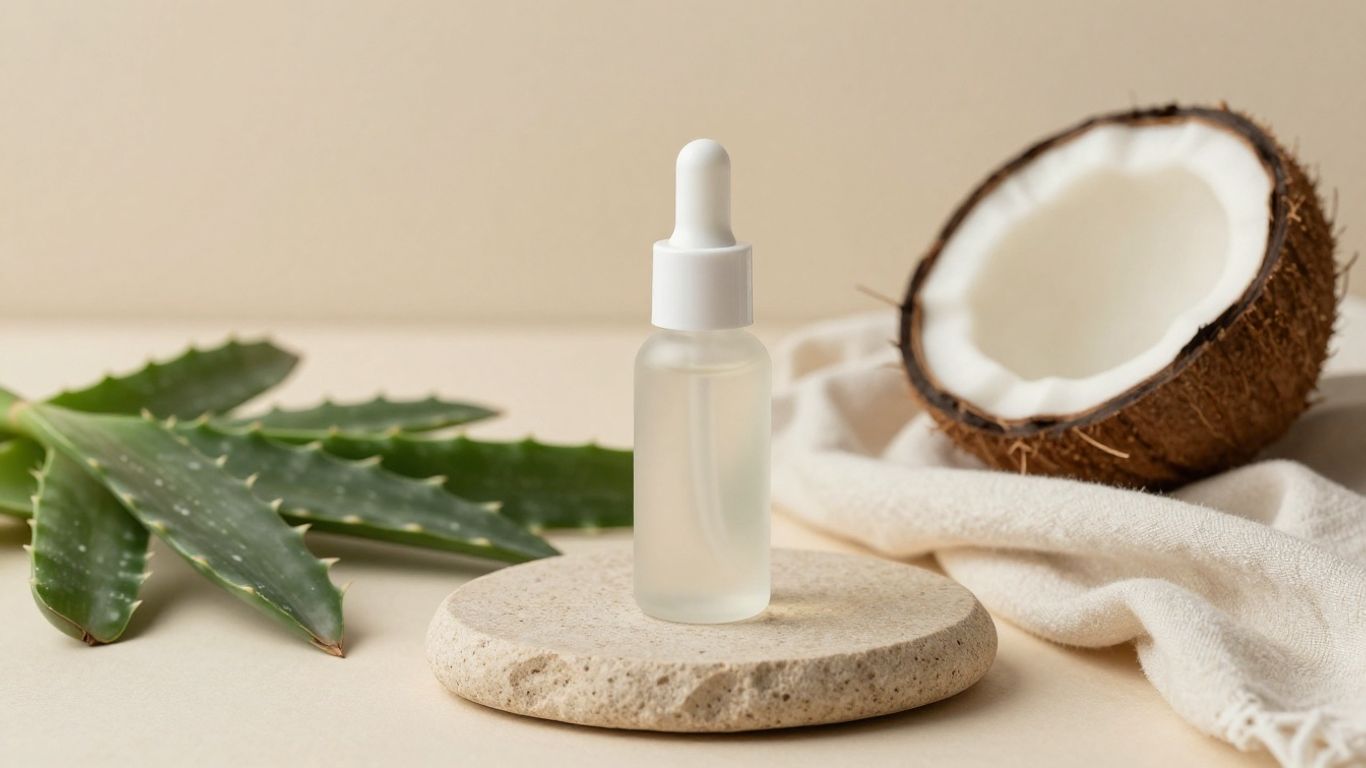
Water-based formulas for versatility and easy cleanup
Water-based lubricants are usually easy to rinse away and can work well for everyday versatility. They may need reapplication as moisture evaporates, particularly during longer sessions or in dry environments. They are often a sensible option when you use latex condoms or several types of personal device, provided the specific label confirms compatibility. A separate water-based lubricant guide can help you compare texture, ingredients, and use cases.
Oil-based formulas for longer-lasting glide
Oil-based formulas can feel rich and persistent, making them appealing when you want less frequent reapplication. Their lasting glide comes with a major compatibility question: many oils weaken latex. Oils can also leave residue on fabrics and may be harder to wash away. Read the product directions carefully rather than assuming every plant oil behaves the same way in every context.
Silicone-based formulas for extended lubrication
Silicone-based lubricants are known for a slick feel that can remain present in wet environments. They may be useful when water-based products disappear too quickly, but their compatibility with silicone toys requires particular care. The product label should identify approved uses, and the toy manufacturer’s instructions should take priority. Silicone formulas may also require soap and water for thorough cleanup.
Hybrid formulas and when they may help
Hybrid lubricants combine characteristics of more than one base, commonly pairing water with silicone or oil-like components. They can offer a balance between a lighter feel and greater staying power. The trade-off is that compatibility is less obvious from the word “hybrid” alone. Treat the formula as its own product and verify condoms, toys, and intended areas of use individually.
Check compatibility with condoms and sex toys
Compatibility is a safety step, not a minor detail. A lubricant that feels excellent can still be unsuitable for a particular condom or device. Start with the materials named on the package, then confirm the directions for the exact formula. If you are unsure, choose a product with explicit manufacturer guidance rather than guessing.
Lubricants that work with latex condoms
Water-based and many silicone-based lubricants are commonly designed for use with latex condoms, but the label is the deciding source. Oil-based products should not be paired with latex unless the manufacturer explicitly says otherwise. Apply enough lubricant to reduce friction without compromising the condom’s fit. If a condom breaks or slips, follow appropriate sexual-health guidance promptly.
Materials that may react to oil-based formulas
Oil can weaken latex and may also affect some toy materials, especially porous materials that absorb products. The words “natural” and “organic” do not change that basic materials question. When using oil, look for a condom made from a non-latex material only if its packaging confirms suitability. Keep the product away from devices until you know how both materials interact.
Testing compatibility with personal devices
For a new lubricant, use a small amount on a less visible part of the device when the manufacturer’s instructions allow testing. Watch for tackiness, swelling, cloudiness, softening, or a change in surface texture. Do not continue if the material appears altered. Cleaning the device afterward also helps prevent residue from affecting later use.
Why product packaging and manufacturer guidance matter
Packaging should state the base, intended uses, warnings, and storage instructions in language you can understand. A manufacturer’s compatibility list is more reliable than a general internet claim because formulations and device materials vary. Keep the original packaging or save the product information for reference. The broader personal lubricant buying guide is useful when you want to compare bases and compatibility questions in one place.
Evaluate ingredients for comfort and safety
A formula can be organic and still contain an ingredient that does not agree with you. Comfort depends on concentration, personal sensitivity, tissue health, and how often the product is used. Read the label before opening the bottle, not after a reaction. Arousellube’s positioning centers on “The Scientific Edge to Intimacy,” including non-GMO, vegan, third-party tested formulations with skin-nourishing and pH-balanced properties.
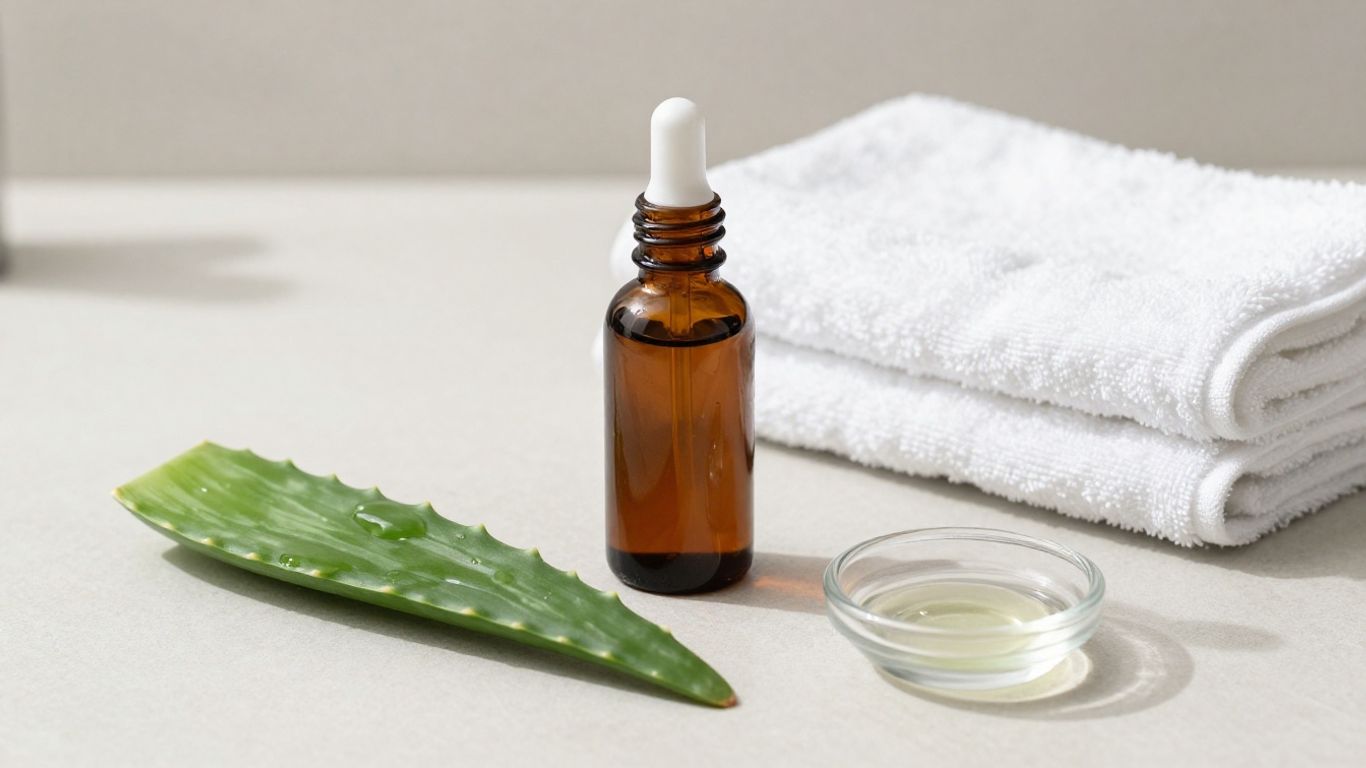
Ingredients that may cause irritation
Potential irritants vary from person to person, but fragrance, essential oils, high levels of certain humectants, and sensation-changing additives are common reasons to examine a label closely. Ingredients that feel pleasant on external skin may be uncomfortable on delicate tissues. If you have a history of recurrent irritation, compare ingredient lists rather than shopping by flavor or scent. This body-safe lubricant guide offers another useful framework for reviewing ingredients, pH, and osmolality.
The role of fragrance, flavor, and warming agents
Fragrance and flavor can make a product more appealing, but they also add ingredients that may not be necessary for lubrication. Warming, cooling, tingling, or numbing effects can mask discomfort rather than solve its cause. If you are prone to sensitivity, an unscented, unflavored formula is often a more cautious starting point. Stop if a sensation feels sharp, burning, or difficult to distinguish from irritation.
Preservatives and potential sensitivities
Water-based formulas need preservation to remain stable, so “preservative-free” is not automatically a safer label. The practical question is whether the preservation system is clearly identified and whether your body tolerates it. Avoid products with incomplete ingredient information. When comparing options, these checks are useful:
- Read the complete ingredient list, including botanical extracts.
- Note fragrance, flavor, essential oils, and warming ingredients.
- Check the stated pH range and intended area of use.
- Look for clear expiration and storage information.
This short review can prevent a formula from seeming appealing simply because it uses organic language. It also gives you a record to share with a clinician if a reaction develops.
Understanding pH and osmolality considerations
Vaginal tissue has a naturally acidic environment, so a lubricant’s stated pH may matter for comfort and tissue balance. Osmolality describes the concentration of dissolved substances, and very high values may draw water from cells and feel irritating. Not every package provides both figures, but transparent technical information is helpful. When details are absent, contact the manufacturer or choose a product with clearer testing information.
Match the formula to your needs
The best lubricant is shaped by the body area, activity, duration, and any health concerns you are managing. Vaginal use, anal sex, toy use, and conception-related sex can call for different priorities. Dryness can also change with hormones, medication, stress, or recovery from illness. Arousellube offers water-based, edible personal lubricants made with natural ingredients, but your own needs should still guide the final choice.
Choosing a lubricant for vaginal use
For vaginal use, consider pH, ingredients, condom compatibility, and whether the texture stays comfortable without becoming sticky. A water-based formula can be convenient for cleanup and routine use. If you experience recurrent burning, itching, unusual discharge, or pain, do not keep changing lubricants without addressing the underlying symptom. Lubricant can improve comfort, but it is not a treatment for infection or inflammation.
Choosing a lubricant for anal sex
Anal tissue does not self-lubricate in the same way, so generous application and reapplication can help reduce friction. Choose a formula with enough staying power for the activity and confirm condom compatibility. Avoid numbing products because reduced sensation can make it harder to notice pain or injury. Go slowly, communicate, and stop when discomfort signals that something needs to change.
Selecting a formula for sensitive or dry skin
A simpler, fragrance-free formula is a reasonable first option for sensitive or dry skin. Test cautiously, use enough product, and pay attention to whether discomfort appears immediately or later. You may also want to compare products specifically developed for sensitive skin, such as the sensitive-skin lubricant guide. Persistent dryness deserves attention beyond product selection, especially during hormonal transitions.
Considering fertility and conception-related needs
If you are trying to conceive, check whether the lubricant has been evaluated for use around sperm and whether the manufacturer provides relevant information. “Organic,” “natural,” and “edible” do not establish fertility compatibility. Use only products whose labeling addresses your concern, and ask a reproductive-health professional if the information is unclear. Avoid home substitutions that have not been designed or tested for intimate use.
Compare performance, packaging, and value
A lubricant’s quality is experienced in use: its texture, staying power, cleanup, and ease of dispensing all matter. Price alone cannot tell you whether a product will suit your body or routine. Consider the amount needed per use and the cost of replacing a formula that causes irritation. Thoughtful packaging can also make a private product easier to store and use hygienically.
How texture and staying power affect comfort
Some people prefer a light, natural-feeling gel, while others want a silkier or more persistent glide. A formula that dries quickly may be frustrating during longer activity, but one that remains very slick may feel excessive for everyday use. Try a small amount first and add more gradually. The lubricant review checklist can help you assess ingredients, texture, compatibility, and your body’s response together.
A simple comparison can make those trade-offs easier to see:
| Formula type | Typical feel | Main convenience | Main check |
|---|---|---|---|
| Water-based | Light to gel-like | Easy cleanup | May need reapplication |
| Oil-based | Rich and silky | Longer-lasting glide | Latex and toy compatibility |
| Silicone-based | Very slick | Performs well with moisture | Silicone-toy guidance |
| Hybrid | Varies by blend | Balance of properties | Read the exact ingredients |
The table is a starting point, not a promise about every product. Viscosity and ingredient choices can change the experience substantially within the same base category.
Single-use packets versus bottles
Packets are convenient for travel, occasional use, or keeping a small supply in a discreet place. Bottles usually create less waste per application and make frequent reapplication easier. A pump or narrow opening can help control dispensing and reduce contact with the remaining product. Choose the format that fits your actual routine rather than paying for packaging you will not use.
Shelf life, storage, and contamination prevention
Check the expiration date and store the lubricant according to the package directions, away from excessive heat and direct sunlight. Keep the cap closed and avoid touching the opening to skin, fabric, or devices. Do not add water to a bottle that has thickened. Changes in smell, color, texture, or separation are reasons to discard it.
Calculating value beyond the price tag
Compare the price per ounce, but also consider how much you use, how often you need to reapply, and whether cleanup is simple. A modestly priced formula that causes irritation is poor value, while a product that works comfortably with your routine may be worth more. Packaging, shelf life, ingredient transparency, and compatibility all belong in the calculation. This is where personal preference becomes a practical purchasing criterion.
Use and evaluate an organic personal lubricant responsibly
A careful application routine can make a good product feel better and can reveal problems early. Start with clean hands and a small amount, then add more as needed. Use only the amount and areas recommended on the packaging. Keep communication open with your partner, because comfort is a shared part of safe intimacy.
How to apply and reapply comfortably
Apply lubricant to the areas that need reduced friction and reapply before discomfort begins rather than waiting until the product has fully dried. With condoms, add lubricant carefully so the condom remains correctly positioned. If using a device, follow its cleaning and material instructions. Keep a towel nearby if you prefer a simpler cleanup routine.
When to stop using a product
Stop if you notice burning, itching, swelling, pain, an unusual odor, or a sudden change in sensation. Rinse external residue gently with water if that is comfortable, and do not immediately test the product again to confirm the reaction. Record the product name and ingredient list for future reference. A product that does not suit you is not a personal failure; it is useful information about your body.
Signs of irritation or an allergic reaction
Irritation may appear as redness, stinging, dryness, itching, or soreness. An allergic reaction can include swelling, hives, or symptoms beyond the application area. Severe swelling, trouble breathing, dizziness, or rapidly spreading symptoms require urgent medical care. Do not confuse persistent pain with a normal adjustment period.
When to consult a healthcare professional
Consult a healthcare professional if symptoms persist after stopping the lubricant, recur with different products, or interfere with sex or daily life. Pain, bleeding, sores, unusual discharge, or strong odor also warrants evaluation. A clinician can help distinguish sensitivity from infection, dermatologic conditions, hormonal dryness, or another cause. Bring the product or a photograph of its ingredient list if possible.
Conclusion
Choosing an organic personal lubricant becomes simpler when you look past the front label and consider certification, ingredients, base, compatibility, performance, and your body’s response. A transparent, well-matched formula can support comfort and enhance pleasure, while careful testing and prompt attention to symptoms protect your peace of mind.
Frequently Asked Questions
Is an organic personal lubricant automatically safer?
No. Organic status does not guarantee that every ingredient will suit every body. Review the certification, full ingredient list, intended use, and compatibility guidance.
Which lubricant base is easiest to clean up?
Water-based formulas are generally the easiest to rinse away. They may require reapplication because they can dry more quickly than oil- or silicone-based options.
Can oil-based lubricant be used with latex condoms?
Oil-based lubricant can weaken latex, so it should not be used with latex condoms unless the product and condom manufacturers explicitly confirm compatibility. Check the packaging every time.
Is fragrance-free lubricant better for sensitive skin?
Fragrance-free products remove one common source of potential irritation, but they are not automatically suitable for everyone. A short, transparent ingredient list and cautious testing are still helpful.
What is osmolality in personal lubricant?
Osmolality refers to the concentration of dissolved substances in a formula. It can affect how a lubricant interacts with tissue, so published technical information may help when comfort is a concern.
How should lubricant be stored?
Follow the package directions, keep the container closed, and protect it from excessive heat and sunlight. Discard it if its smell, color, texture, or expiration status changes.
When should I seek medical advice about lubricant-related discomfort?
Seek advice for persistent or recurring irritation, pain, bleeding, sores, unusual discharge, strong odor, or significant swelling. Urgent symptoms such as trouble breathing require immediate care.
Visit Our store here: https://www.arousellube.com/
For more Blogs Click here: https://www.arousellube.com/blogs/news
For arousellube shop Click here: https://www.arousellube.com/collections/shop-all-arouselube
For affiliate Click here: https://www.arousellube.com/pages/affiliate-programs





































































