

Posted by Mike
on September 07, 2026

Key Takeaways
Personal lubricant samples make it easier to compare feel, ingredients, compatibility, and value before committing to a larger bottle.
- Start with the lubricant base that suits your activity and cleanup preferences.
- Read the full ingredient list, especially when skin is sensitive.
- Confirm compatibility with condoms and sex toys before use.
- Try a small amount first and pay attention to comfort afterward.
- Compare cost per use, not only the price of the bottle.
Understand why personal lubricant samples are useful
Choosing an intimate essential by description alone can be surprisingly difficult. Words such as silky, smooth, long-lasting, or natural do not tell you exactly how a formula will feel on your skin. Personal lubricant samples offer a practical way to compare textures and performance without building up a collection of full-size bottles.
A small sample also gives you room to make a slower, more personal decision. You can consider the activity, the materials involved, and your body's response instead of relying on packaging language. That matters because the right lubricant is ultimately the one that feels comfortable and works well for your routine.
Compare textures, thicknesses, and sensations
Lubricants can range from light and fluid to dense and cushiony. A thinner water-based formula may spread quickly and feel barely present, while a thicker formula can provide a more noticeable layer between skin and friction. Samples let you compare these differences directly rather than guessing from a product name.
Try a modest amount on clean skin first, then notice how easily it spreads and whether it leaves tackiness as it dries. Texture is not a quality score by itself; it is a preference shaped by the activity, the amount used, and how often you want to reapply.
Test formulas before buying full-size bottles
A full-size bottle can be a poor value if the formula does not suit your body or expectations. Testing first helps you learn whether the lubricant feels comfortable at the beginning, remains pleasant during use, and rinses away in a way you prefer. A small trial can prevent waste as well as disappointment.
Keep brief notes on the sample name, base, texture, and response. If you are comparing several options, use them on separate occasions so one formula does not blur your impression of another.
Find options for different intimate activities
The same lubricant does not have to serve every purpose. A quick, easy-to-clean formula may suit one occasion, while a longer-lasting option may be more convenient when frequent reapplication would interrupt the experience. Samples make it easier to build a modest selection around real needs rather than buying the most heavily advertised product.
Think about whether you need a lubricant for vaginal dryness, anal play, partnered intimacy, or use with a particular toy. Activity is only one factor, but it helps narrow the texture, staying power, and compatibility questions you should ask.
Identify personal preferences and sensitivities
A sample can reveal preferences that are hard to describe in advance. You may discover that you prefer a weightless feel, dislike fragrance, or need to avoid warming and tingling additives. If irritation, burning, or persistent discomfort occurs, stop using the product and seek medical advice when appropriate.
For a broader starting point, this personal lubricant buying guide covers bases, ingredient considerations, dryness, sensitivity, and compatibility in one place.
Learn the main types of personal lubricant
The lubricant base affects glide, cleanup, staying power, and compatibility. Water-based formulas are often the most flexible starting point, while silicone and oil formulas can offer different performance characteristics. Hybrids combine features, but the label still deserves careful attention.
Samples are particularly useful here because the word “smooth” can describe very different sensations. Compare formulas under similar conditions and consider the materials you will use with them. A sample should answer a practical question, not simply confirm that the packaging looks appealing.
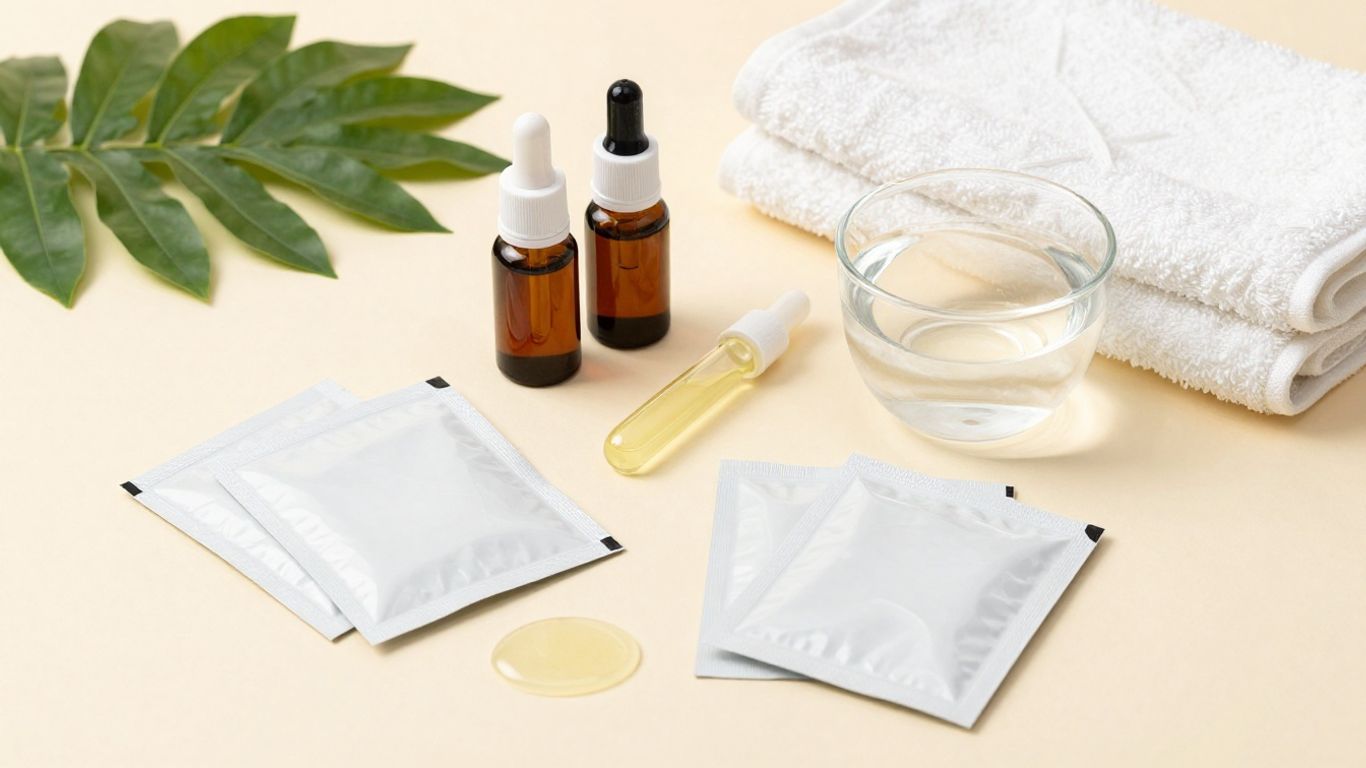
Water-based lubricants for versatile use
Water-based lubricants are usually easy to spread, rinse, and adapt to many situations. They may dry sooner than other bases, so reapplication can be part of the experience, but that tradeoff is worthwhile for people who prioritize simple cleanup and broad versatility.
A water-based sample is a sensible first comparison point when you are unsure about thickness or when you use different toys and barrier methods. The exact formula still matters, so read its ingredients and compatibility information rather than assuming every water-based product behaves identically.
Silicone-based lubricants for longer-lasting glide
Silicone-based lubricants are often chosen when longer-lasting glide is a priority. They can feel smooth and substantial, and they may be useful when you do not want to reapply as frequently. Cleanup can feel different from water-based formulas, so a sample helps you decide whether the staying power is worth that difference.
Check the product instructions before using a silicone formula with silicone toys. Material compatibility can depend on the specific product and toy, and a small test on a discreet area may be prudent when the manufacturer permits it.
Oil-based lubricants and material compatibility
Oil-based lubricants can provide a rich, lasting feel, but they require extra care around condoms and certain toy materials. Oils can weaken latex, so do not treat an oil sample as an interchangeable substitute for a water-based or silicone-based option. Read the barrier and toy manufacturer's guidance before use.
They can also be less convenient to remove from fabric or skin. If you like the sensation but want fewer surprises, use a sample to evaluate both glide and cleanup before purchasing more.
Hybrid formulas for balanced performance
Hybrid formulas combine more than one base, often aiming to balance glide, longevity, and ease of cleanup. Their behavior varies widely, so the ingredient list and directions matter more than the word hybrid alone. A sample lets you assess whether the blend feels genuinely balanced for your needs.
When comparing hybrids, note how quickly the formula changes during use and whether it leaves residue. The different lubricant types guide offers another useful overview of how water-based options differ in texture, comfort, and versatility.
Check ingredients and compatibility
A comfortable sample is only one part of a responsible choice. The label should tell you what is in the formula, how it is intended to be used, and which materials it is compatible with. If information is missing or vague, pause before making the product part of your routine.
Ingredient transparency is especially helpful when you already know that fragrance, warming agents, or particular preservatives cause problems. It also lets you compare a natural-positioned product with another formula on substance rather than marketing language.
Review ingredients for potential irritants
Read the complete ingredient list before opening a sample. Look for additives you have reacted to previously, and be cautious with products that make broad claims without explaining their formulation. A sample is not a reason to ignore a known sensitivity; it is a way to test a clearly labeled product carefully.
Body responses can be delayed, so pay attention after use as well as during it. For additional context on ingredient transparency, pH, and osmolality, see this lubricant safety and compatibility guide.
Look for fragrance-free and sensitive-skin options
Fragrance-free formulas are often a reasonable place to begin when your skin is reactive, although fragrance-free does not automatically mean irritation-free. Warming, cooling, tingling, and flavored additives may also affect comfort. Choose the simplest formula that meets your needs, especially when you are testing something new.
A patch test on external skin can provide an early signal, but it cannot guarantee that a product will suit internal use. Stop if you notice burning, itching, swelling, or persistent irritation.
Understand lubricant and condom compatibility
Always check the lubricant label against the condom material. Oil-based lubricants are not suitable with latex condoms, while water-based and many silicone-based formulas are commonly selected for barrier use. The word “natural” does not change those material rules.
If the packaging does not clearly state compatibility, consult the manufacturer or choose a product with explicit instructions. Sexual wellness information should be grounded in clear evidence; for example, this article on medical discovery claims is a reminder to distinguish documented information from dramatic health assertions.
Consider compatibility with sex toys
Toy material can influence which lubricant base is appropriate. Water-based formulas are often a flexible starting point, but the toy maker's instructions should take priority. With silicone toys, test cautiously and follow the manufacturer's guidance before using a silicone-based lubricant.
A sample is also useful for checking whether a formula feels too sticky, dries too quickly, or is difficult to clean from the toy. Compatibility is about both material safety and practical usability.
Choose samples for specific needs
The best sample is connected to a real need, not merely a popular category. Dryness, sensitivity, activity, and ingredient preferences can all change what feels comfortable. Start by naming the problem you want the lubricant to solve, then compare only the formulas that plausibly address it.
A thoughtful choice can be both pleasurable and cautious. If dryness is new, painful, persistent, or accompanied by other symptoms, lubricant may not address the underlying cause, and a healthcare professional can help.
Lubricants for vaginal dryness
For vaginal dryness, look for a formula that offers the amount of glide you need without stinging or leaving an unpleasant residue. Some people prefer a light water-based lubricant for easy application and cleanup; others may prefer a thicker or longer-lasting texture. A sample helps distinguish those preferences.
Do not confuse a lubricant used during intimacy with a moisturizer or treatment intended for ongoing dryness. If discomfort continues, ask a qualified healthcare professional for advice rather than repeatedly changing products without guidance.
Lubricants for anal play
Anal play generally calls for careful attention to friction, generous application, and reapplication when needed. A thicker formula or one with longer-lasting glide may be preferred, but comfort should guide the decision. Use only products compatible with the barrier method and toy involved.
Start slowly, communicate clearly with a partner, and stop if there is pain or bleeding. A sample is useful for assessing staying power, but it does not replace patience, preparation, or safer-sex practices.
Lubricants for sensitive skin
Sensitive skin usually benefits from a short, familiar ingredient list and fewer sensory additives. Choose fragrance-free options when possible and avoid assuming that a “natural” label guarantees a gentle experience. Plant-derived ingredients can still cause an individual reaction.
The sensitive-skin lubricant guide provides a useful framework for comparing fragrances, warming agents, pH, osmolality, and material compatibility. Test a small amount externally first, and discontinue use if your body reacts.
Natural and organic lubricant considerations
Natural and organic claims should be read alongside the full ingredient list, certifications where relevant, and compatibility information. “Natural” describes an ingredient story, not a promise that every body will tolerate the formula. Look for clear sourcing and straightforward instructions rather than relying on the label alone.
Arousellube focuses on water-based, edible personal lubricants made with natural ingredients. Its approach is relevant for readers who want plant-derived comfort while still checking the actual formula, intended use, and their own response.
Organic positioning can also invite unrelated lifestyle claims. For example, practical water-saving garden tips may be useful in a garden context, but they should not be treated as evidence about intimate product safety.
Compare personal lubricant sample sources
Samples may come from official brand sites, retailers, healthcare professionals, promotional forms, or subscription offers. The source affects how much product information you receive and how confidently you can verify the seller. Prefer clear ingredient lists, privacy-conscious checkout, and transparent terms.
A small packet is not automatically a better deal. Check its volume, shipping cost, expiration information, and whether accepting the offer creates a recurring order.
Brand-direct sample packs and trial sizes
Official websites may offer trial sizes or grouped sample packs that make comparison convenient. Brand-direct ordering can also make it easier to find the full ingredient list and usage instructions, though you should still read the store's shipping and subscription terms.
Some sample collections are designed for travel, while others are meant to compare several textures. For another example of a multi-formula format, see the Sliquid Essentials Sample Pack, which is described as a collection of individual 5ml packs. Treat any sample pack as a comparison tool, not as proof that every included formula will suit you.
Retailer sample selections
Retailers can gather products from several manufacturers, which may be useful when you want to compare bases or price points in one order. Confirm that the seller is reputable and that the packaging is sealed, labeled, and within date when it arrives.
Travel-size selections can also be convenient, but liquid restrictions and leakage matter during transit. The sample and travel-size collection offers a useful example of why volume and packaging should be considered together when traveling.
Healthcare professional sample programs
Healthcare professionals may be able to provide samples or direct you toward suitable categories, particularly when dryness, pain, irritation, or medication-related changes are involved. A clinical conversation is more valuable than a promotional promise when symptoms are persistent.
Some professional resources also distribute educational material alongside samples. The healthcare lubricant sample resources illustrate how professional-oriented information can sit alongside product sampling, though readers should still follow their own clinician's advice.
Promotional forms and subscription offers
A form can be a convenient way to request a sample, but inspect the privacy statement and terms before submitting personal information. Be wary of hidden charges, automatic renewals, or claims that make a sample sound like a medical treatment.
One request form may be simple to complete, while another may ask for more information than seems necessary. The lubricant sample request form is an example of a form-based route; compare its terms with your comfort level before proceeding.
When evaluating retailers or programs, use a consistent framework. A guide to choosing a trusted professional discusses local expertise and communication in another context, but the broader lesson applies here too: clarity, transparency, and responsiveness matter when you are deciding whom to trust.
Evaluate samples before choosing a full-size product
After trying a few samples, compare them by more than first impression. A formula that feels excellent for five minutes may dry quickly, become tacky, or irritate skin later. Record what happened during use and afterward so your final choice reflects the whole experience.
You can also compare product information, packaging quality, and cost. A good fit should be comfortable, compatible, and practical enough that you will actually use it.
Assess comfort during and after use
Notice whether the lubricant spreads easily, reduces friction, and remains comfortable as the experience continues. Afterward, check for tackiness, residue, itching, burning, or unusual discomfort. Your body's response is more useful than a star rating that does not explain the conditions of use.
If a sample causes a reaction, stop using it and make a note of the ingredients. Do not keep testing the same formula in the hope that irritation will disappear.
Compare staying power and reapplication needs
Count how often you need to reapply and whether doing so changes the texture. A formula that requires more frequent application may still be right for you if it cleans up easily and feels comfortable. Another may last longer but feel too heavy or difficult to remove.
Use the same general amount and similar circumstances when comparing samples. That makes your impressions more consistent and helps you distinguish the product's behavior from differences in application.
Check packaging, expiration dates, and storage
Inspect each sample for a complete label, intact seal, expiration or lot information, and storage instructions. Heat, direct sunlight, and poor sealing can affect a product before you ever use it. Discard a packet that looks damaged, smells unusual, or has changed texture unexpectedly.
Packaging quality is part of value, especially for travel or occasional use. A practical quality-assessment mindset, such as the one used in this precision cartridge quality guide, reinforces the importance of checking consistency and visible defects before relying on a product.
Calculate cost per use and long-term value
A low sticker price does not necessarily mean a lower cost. Divide the price by the approximate number of uses, taking into account how much you need each time and how often you must reapply. A slightly more expensive bottle may offer better value if it performs consistently with less waste.
This simple comparison keeps the decision grounded in your actual routine:
| Factor | What to record | Why it matters |
|---|---|---|
| Volume | Milliliters or ounces | Shows how much product you receive |
| Application | Approximate amount per use | Helps estimate real usage |
| Staying power | Reapplications needed | Affects convenience and total consumption |
| Comfort | Skin response during and after | Protects against buying an unsuitable formula |
The table is only a starting point; comfort and compatibility should outweigh a small price difference. Arousellube's product guide discusses water-based formulas, natural ingredients, hygiene, storage, and toy compatibility, which are all useful points to review before choosing a larger size.
For a final check, ask yourself a few practical questions before ordering:
- Did the formula remain comfortable after use?
- Was it compatible with the condom or toy material involved?
- Did the ingredient list match your sensitivities and preferences?
- Was the amount of reapplication reasonable for your routine?
These answers turn a casual trial into a clearer buying decision. If you want a more health-oriented comparison process, at-home lab testing guidance shows why clear collection instructions and clinician follow-up matter in a different but related area of personal health decision-making.
Conclusion
Personal lubricant samples are a low-commitment way to compare texture, staying power, ingredients, compatibility, and cost before choosing a full-size product. Start with your specific need, use the label as a safety tool, and give your body the final say. A careful sample-by-sample approach can make intimate essentials feel more personal, practical, and comfortable.
Frequently Asked Questions
Are personal lubricant samples worth trying?
Yes, samples can help you compare feel, staying power, cleanup, and skin response before spending more on a full-size bottle.
Which lubricant base is best for beginners?
Water-based lubricant is often a flexible starting point because it is generally easy to apply and clean, but the best choice depends on your activity, preferences, and material compatibility needs.
Can I use oil-based lubricant with latex condoms?
No. Oil-based lubricants can weaken latex, so choose a condom-compatible formula and follow the condom manufacturer's instructions.
How should I test a lubricant sample?
Read the label first, try a small amount on external skin, and pay attention during and after use. Stop if you experience burning, itching, swelling, or persistent discomfort.
Are natural lubricants always safer for sensitive skin?
No. Natural ingredients can still cause individual reactions. Review the complete ingredient list and choose a simple, clearly labeled formula.
How long should a lubricant sample last?
It depends on the packet size, the amount used, and whether reapplication is needed. Record approximate usage if you are comparing value between products.
When should I ask a healthcare professional about dryness or irritation?
Seek professional guidance when dryness, pain, burning, itching, bleeding, or irritation is persistent, severe, new, or not explained by a product you have stopped using.





































































