

Posted by Mike
on August 02, 2026

Key Takeaways
Free samples can be a useful, low-commitment way to explore personal lubricant, but they deserve the same care as any intimate product. Check the source, formula, compatibility, and your own skin’s response before deciding what belongs in your routine.
- Look for sample offers through official, transparent channels.
- Read the formula, ingredient list, and compatibility guidance first.
- Never assume a free offer has no shipping, subscription, or privacy conditions.
- Test a small amount and stop if discomfort develops.
- Compare full-size products by ingredients, performance, and price per ounce.
Understanding personal lubricant free samples
Personal lubricant free samples are usually small portions intended to let you assess feel, texture, and basic compatibility before buying a larger package. They may arrive as sachets, small tubes, or part of a curated sample pack. A sample is not a promise that a formula will suit every body, so treat it as an opportunity to gather information rather than a guarantee of comfort. A little preparation makes the experience more useful and less awkward.
What free lubricant samples typically include
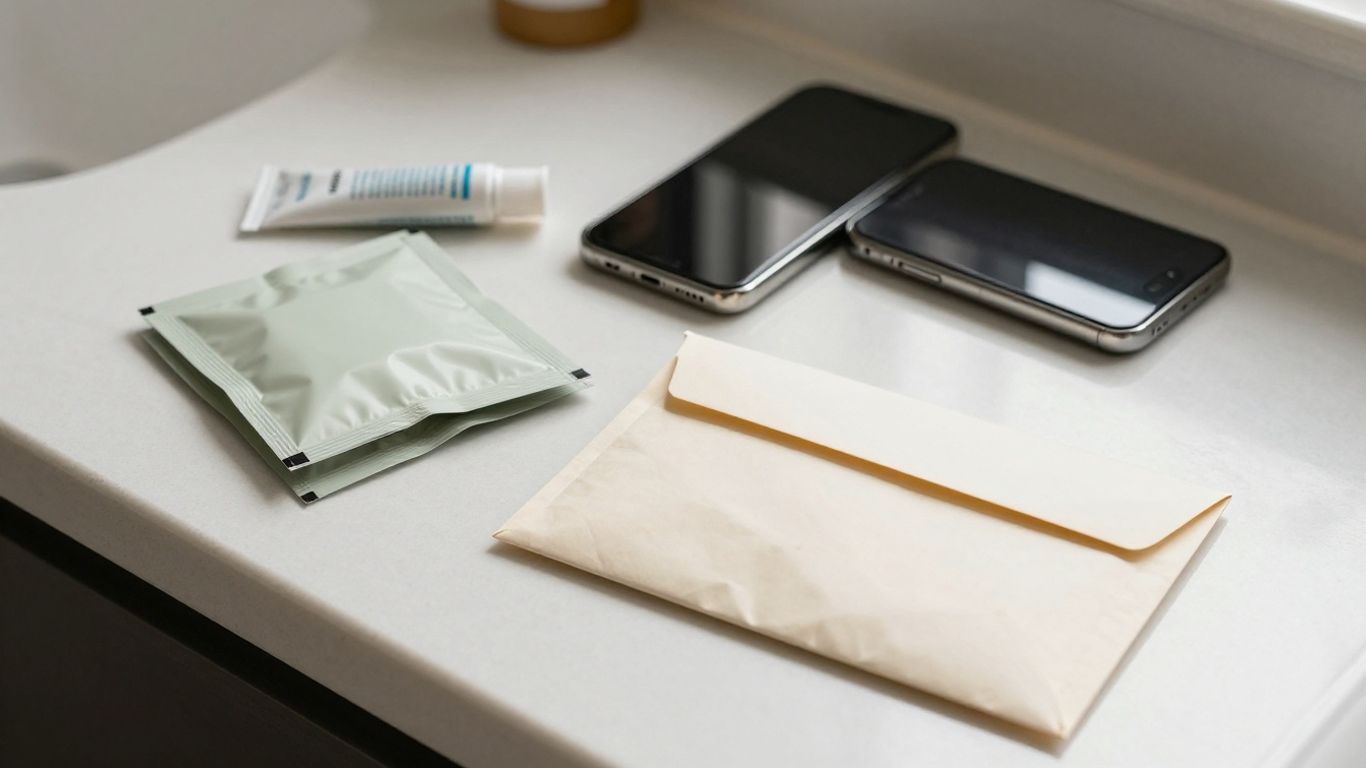
A sample commonly contains enough product for one or a few applications, along with packaging that identifies the formula and its expiration information. Some offers include a single variety, while others provide several textures or bases in one envelope. Read the label before opening it, particularly if you already know that fragrance, glycerin, or certain preservatives trouble your skin. The smaller format may not show how a product performs over a long session, but it can reveal whether the initial texture feels pleasant.
Where sample offers commonly come from
Offers may appear on a manufacturer’s website, through an email list, in a retailer’s promotional bundle, or at a sexual health education event. Some are genuinely free, while others require a purchase or charge postage. A page that clearly names the sender and explains the terms is easier to evaluate than a social post that simply asks for personal details. For broader background on comparing bases and ingredients, this personal lubricant buying guide can help you make a shortlist before requesting anything.
Who may qualify for promotional samples
Eligibility varies by location, age, stock, and campaign rules. An offer might be limited to adults, residents of a particular country, new customers, or healthcare professionals. It may also be capped at one request per household. Do not try to bypass those limits with multiple identities; doing so can create privacy and fulfillment problems and may violate the offer’s terms.
How sample sizes differ from full-size products
A sample is convenient for travel and first impressions, but it gives you less evidence about drying time, cleanup, and performance during extended use. A full-size container also lets you judge the pump or cap, storage, and overall value. The small amount can answer “Do I dislike this immediately?” more reliably than it can answer “Will this remain comfortable every time?” Keep that distinction in mind when interpreting the result.
Where to look for legitimate sample offers
The safest starting point is a page connected to the maker, a well-established retailer, or a recognized health organization. Search for clear contact details, current terms, and a privacy policy rather than relying on an unfamiliar advertisement. Arousellube offers water-based, edible personal lubricants made with natural ingredients, so its public product information is the kind of source to review when assessing whether a formula’s stated purpose fits your needs. Promotions change, and availability should always be confirmed on the current page.
Official brand websites and mailing lists
A manufacturer’s own website is often the clearest place to find a trial offer or sign-up notice. Check that the domain is spelled correctly and that the form explains what emails you will receive. Arousellube describes its lubricants as water-based and edible, with natural ingredients, so a reader considering that option can compare those stated characteristics with their own preferences instead of inferring more than the label says.
Sexual wellness retailers and sample packs
Retailers sometimes place samples in orders or sell inexpensive packs that contain several formulas. Confirm whether the offer is a gift, a paid bundle, or a purchase threshold promotion. For example, a sample campaign may describe mailing terms and eligibility directly, but you should still read the linked conditions rather than assuming every campaign works the same way. Discreet packaging can be useful, although it should never replace basic checks on the seller.
Healthcare professionals and sexual health clinics
Clinics, sexual health educators, and healthcare professionals may have samples or educational materials available for patients. These settings can be especially helpful when you have recurring irritation, pain, medication questions, or concerns about condoms. A professional resource for healthcare lubricant samples may be more relevant to a clinic than to an individual shopper, so check who the offer is designed to serve before submitting a request.
Product events, promotions, and educational campaigns
Community events, sexual wellness workshops, and time-limited educational campaigns can distribute trial products responsibly. Look for an organizer with a verifiable identity and a clear explanation of why information is being collected. Bring home only sealed products with readable labels. If the package is damaged, unmarked, or past its date, it is not worth testing simply because it was free.
How to evaluate a lubricant before requesting a sample
The best sample is one that matches the way you intend to use it and the materials involved. Start with the base, then consider ingredients, barrier compatibility, and your skin’s history. Arousellube’s positioning centers on natural ingredients and pH-balanced formulas, but those descriptions should still be checked against the exact product label and your own needs. Personal comfort is individual, and a polished claim cannot substitute for reading the ingredients.
Water-based, silicone-based, and oil-based formulas
Water-based lubricants are generally easy to rinse away and are often versatile, though they may need reapplication. Silicone-based formulas can feel slick for longer, while oil-based products may be richer and harder to clean. Oil can also weaken latex condoms, so the base matters before any intimate use. This lubricant selection guide offers a useful framework for comparing intended use, texture, and ingredients without treating one base as universally best.
Ingredients that may cause irritation
Sensitivity can come from fragrance, flavoring, warming or cooling additives, preservatives, or a formula that does not suit your body’s natural environment. Glycerin is another ingredient some people prefer to avoid, especially if they have experienced repeated irritation, although ingredient concerns are personal and worth discussing with a clinician when symptoms recur. Read the entire label instead of relying on words such as “natural” or “gentle.” A shorter ingredient list may make it easier to identify what your body likes or dislikes.
Compatibility with condoms and sex toys
Check the lubricant’s package for compatibility with the specific barrier and toy material you use. Oil-based products can damage latex, and some formulas may not be recommended for particular toy materials. If the label is silent, do not guess; contact the manufacturer or choose a product with explicit guidance. Compatibility is a practical safety question, not a minor preference.
Choosing options for sensitive skin
If you have sensitive skin, favor transparent labeling and avoid unnecessary fragrance or sensation additives until you know how your body responds. A patch test on external skin can provide an early warning, but it cannot predict every intimate reaction. Arousellube presents its formulations as vegan, non-GMO, and third-party tested; those are stated positioning points, not a reason to skip your own ingredient review or medical advice when needed.
How to check whether a sample offer is trustworthy
A legitimate offer should make it reasonably clear who is collecting your information, what you will receive, and what—if anything—you will pay. Take a moment before entering an address or card number, especially when the page uses urgency or a dramatic countdown. The goal is not to distrust every promotion; it is to make sure the exchange is understandable and voluntary. If important details are hidden, walk away.
Confirming the source and privacy policy
Use a known domain or reach the offer through a verified organization’s main website. Read the privacy policy for information about marketing, data sharing, retention, and deletion requests. A form asking for intimate health details should explain why those details are necessary. In many cases, a shipping address and email are enough; extra questions deserve extra scrutiny.
Reviewing shipping, eligibility, and expiration details
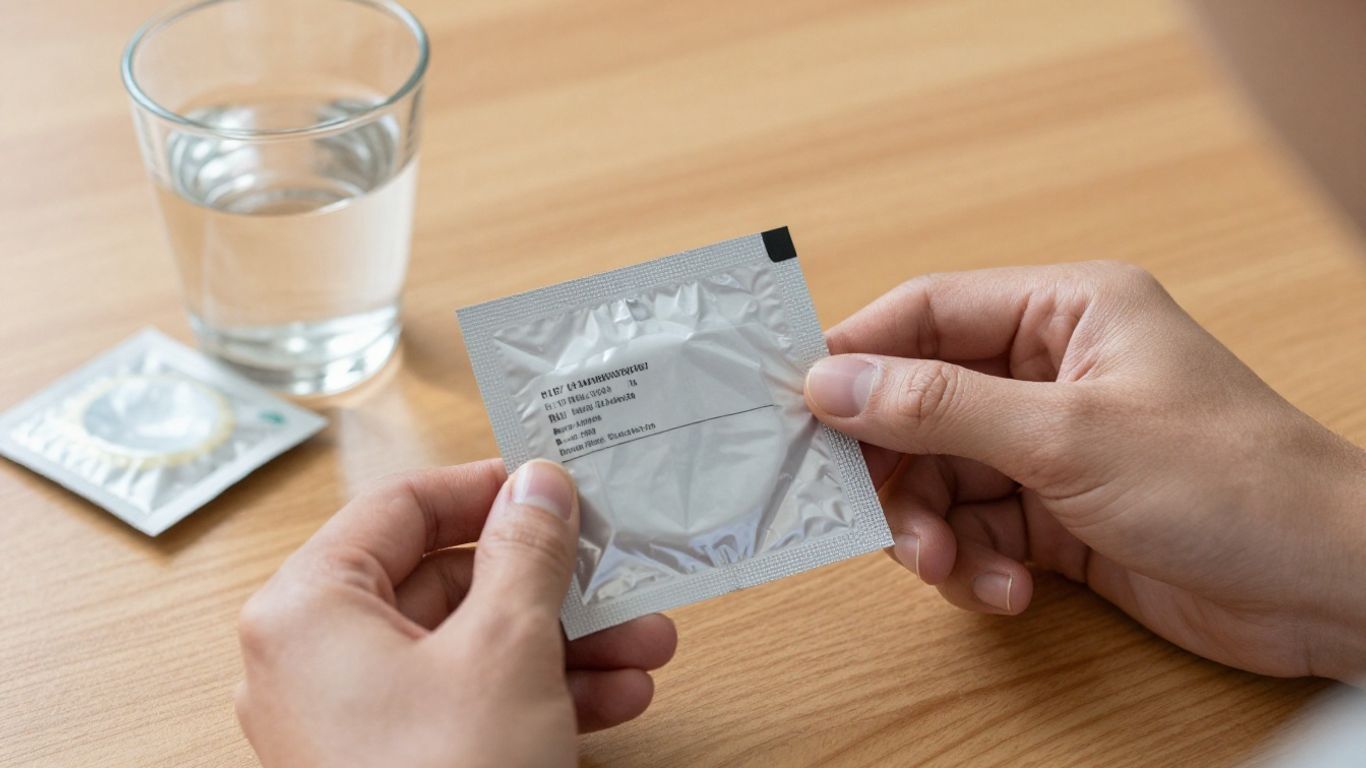
Confirm the delivery area, age requirement, request limit, shipping charge, and estimated dispatch time. When the sample arrives, check its expiration date, seal, lot information, and storage instructions. A free item that costs more to ship than expected is not necessarily fraudulent, but the charge should have been disclosed before checkout. Keep a screenshot or confirmation email if the terms are likely to change.
Avoiding misleading claims and hidden charges
Be cautious when a page promises guaranteed pleasure, medical treatment, or a dramatic result from one application. Lubricant can reduce friction and enhance comfort, but it does not diagnose or treat unexplained symptoms. Before submitting payment details, look for recurring-order language, trial-period deadlines, and preselected add-ons. A truly useful offer lets you understand the commitment without hunting through several screens.
Protecting personal and payment information
Use a unique password if you create an account, and avoid entering payment details for an offer that has not clearly explained its cost. Consider a separate email address for promotional mail if you expect marketing. Monitor statements after any purchase and contact the payment provider promptly if an unfamiliar charge appears. Never send intimate photographs or unnecessary medical records to claim a sample.
How to use and test a lubricant sample
Once a sample passes the basic source and label checks, test it slowly and in a familiar setting. Start with a small amount and keep the package nearby so you can refer back to its ingredients and directions. Do not combine several new products at once; if a reaction occurs, that makes the cause harder to identify. A careful first use gives you better information than rushing through the packet.
Performing a small skin compatibility test
Apply a tiny amount to a small area of external skin, such as the inner forearm, and observe it according to the product’s directions. This is not a complete safety test, and intimate tissue may react differently from arm skin. If you have a history of allergies, dermatitis, recurrent infections, or persistent pain, ask a healthcare professional for individualized guidance before trying unfamiliar formulas.
Applying the right amount
Begin with less than you think you need, then add more gradually. Apply it to the relevant external area or barrier as directed, and reapply if the product becomes dry or friction returns. More product is not automatically better; too much can feel messy and may make cleanup harder. A small sample can still show whether the texture spreads evenly and feels comfortable.
Monitoring for discomfort or irritation
Stop if you notice burning, itching, swelling, rash, unusual discharge, or pain. Rinse gently if appropriate, avoid repeatedly testing the same formula, and seek medical advice when symptoms are severe, persistent, or accompanied by other concerns. Do not confuse a tingling sensation with proof that a product is working. Comfort is the more useful measure.
Storing the product properly
Keep the sample sealed until use and follow the package directions for temperature and light. Avoid leaving it in a hot car, a damp bathroom, or direct sunlight. Do not transfer it to an unmarked container, and discard it if the seal is broken, the smell changes, or the texture looks unusual. These simple habits help preserve the information you are trying to gather.
How to choose a full-size lubricant after sampling
A sample should lead to a considered decision, not an automatic purchase. Think about how it felt, how long it lasted, whether cleanup was manageable, and whether it worked with the barrier or toy you actually use. Arousellube describes its products as designed to enhance pleasure and intimacy, while its natural, water-based, edible positioning may appeal to people seeking those characteristics. Match the stated features to your experience rather than choosing on marketing language alone.
Comparing texture, ingredients, and performance
Write down your first impressions while they are fresh: thin or cushiony, sticky or smooth, quick-drying or lasting, easy or difficult to rinse. Compare that observation with the ingredient list and the manufacturer’s directions. A sample may perform differently from a full-size bottle if it has been stored poorly, so inspect both packaging and product condition. The best comparison combines how it feels with what it contains.
Considering personal preferences and intended use
Your choice may depend on whether you want a lightweight everyday formula, longer-lasting glide, easy cleanup, or an edible option. Consider scent and flavor only if they are welcome, and avoid sensation additives if you are prone to irritation. The right product is the one that fits your body, routine, materials, and boundaries—not the one with the most ambitious description.
Checking value by price per ounce
To compare sizes fairly, divide the purchase price by the number of ounces or milliliters. Include shipping, subscriptions, and discounts that expire after the first order. A larger bottle may be cheaper per ounce but less practical if you use lubricant rarely or cannot finish it before its expiration date. Value includes convenience and freshness, not just the lowest number.
Knowing when to stop using a product
Stop using a lubricant if it repeatedly causes discomfort, changes in odor or texture, or an unexpected reaction. One unpleasant experience may justify moving on, particularly when the formula contains a known trigger. Persistent symptoms deserve medical attention rather than a cycle of trying more samples. Keep the packaging or photograph the ingredient list so you can share accurate information with a clinician.
Conclusion
Finding personal lubricant free samples safely is mostly a matter of slowing down: verify the offer, read the formula, confirm compatibility, and listen to your body. A small trial can help you discover a comfortable intimate essential, but the safest choice is always the one supported by clear information and a response that feels good for you.
Frequently Asked Questions
Are personal lubricant free samples really free?
Some are free, while others require a purchase, shipping payment, or enrollment in a promotion. Read the complete terms before submitting personal or payment information.
Where can I find legitimate lubricant samples?
Start with official manufacturer websites, established sexual wellness retailers, healthcare professionals, clinics, and clearly identified educational events. Avoid links that conceal the sender or terms.
How much lubricant is usually in a sample?
Amounts vary from a single-use sachet to a small tube or a multi-product pack. The package should identify the quantity and expiration details.
Can I use any lubricant with latex condoms?
No. Oil-based formulas can weaken latex, and compatibility varies by product. Follow the lubricant and condom manufacturers’ instructions.
Should I patch-test a lubricant sample?
A small external skin test may reveal an early sensitivity, although it cannot guarantee an intimate product will suit you. Stop if irritation appears.
What should I do if a lubricant burns or itches?
Stop using it and rinse gently if appropriate. Seek medical advice if symptoms are severe, persistent, or accompanied by pain, swelling, or unusual discharge.
How do I decide whether to buy the full-size product?
Consider comfort, texture, ingredients, intended use, compatibility, cleanup, expiration, and price per ounce. A sample is useful evidence, but your body’s response matters most.





































































