

Posted by Mike
on July 30, 2026

Key Takeaways
Choosing the right personal lubricant is vital for maximizing comfort and pleasure during intimate experiences. Keep these core concepts in mind as you explore your options.
- Prioritize body-safe ingredients like pH-balanced formulas to support vaginal health.
- Select a base—water, silicone, or oil—that matches your specific needs, such as toy compatibility or long-lasting glide.
- Always patch test new products to identify potential allergens before full application.
- Maintain product integrity by storing lubricants away from extreme temperatures and moisture.
- Recognize that using internal aids is a normal, healthy part of sexual wellness for individuals at any stage.
Understanding types of personal lubricant base
Selecting the correct foundation for your lubricant determines its behavior during use and its compatibility with other items. Each base has unique qualities that influence how it interacts with the skin and materials like silicone toys. Understanding these primary categories allows you to make an informed decision for your intimate essentials.
Water-based lubricants and compatibility
Water-based formulas are renowned for their versatility and ease of use. They are generally compatible with most condoms and toy materials, making them a standard choice for a wide variety of activities. Because they are designed with water-soluble ingredients, they rinse off easily, which is part of why many people prefer them for daily use. High-quality options often prioritize plant-derived comfort to minimize irritation.
Silicone-based options for long-lasting use
Silicone-based lubricants provide a significantly longer-lasting glide compared to water-based counterparts because they do not evaporate during use. These formulas are often used for activities that require extended duration, as they remain slippery for longer periods. However, they are not compatible with silicone toys, as they can degrade the material over time, and they often require soap and water for thorough removal.
Oil-based varieties and safety concerns
Oil-based lubricants often consist of natural or synthetic oils, providing a rich, cushioned feel that stays put once applied. While they can be soothing for the skin, they pose a significant risk to latex barrier devices. Because oil is chemically incompatible with latex, it can cause the material to breakdown, rendering it ineffective. A USDA Certified Organic Personal Lubricant made with olive oil provides an example of this thick, long-lasting consistency.
Hybrid formulas and their benefits
Hybrid lubricants aim to combine the longevity of silicone with the easy cleanup of water-based solutions. These products often feel silkier than traditional water-based options while staying safe for most types of sex toys. They offer a balanced experience for those who find standard gels drying too quickly but want to avoid the stubborn residue associated with pure silicone or oil bases.
Essential features and ingredient safety
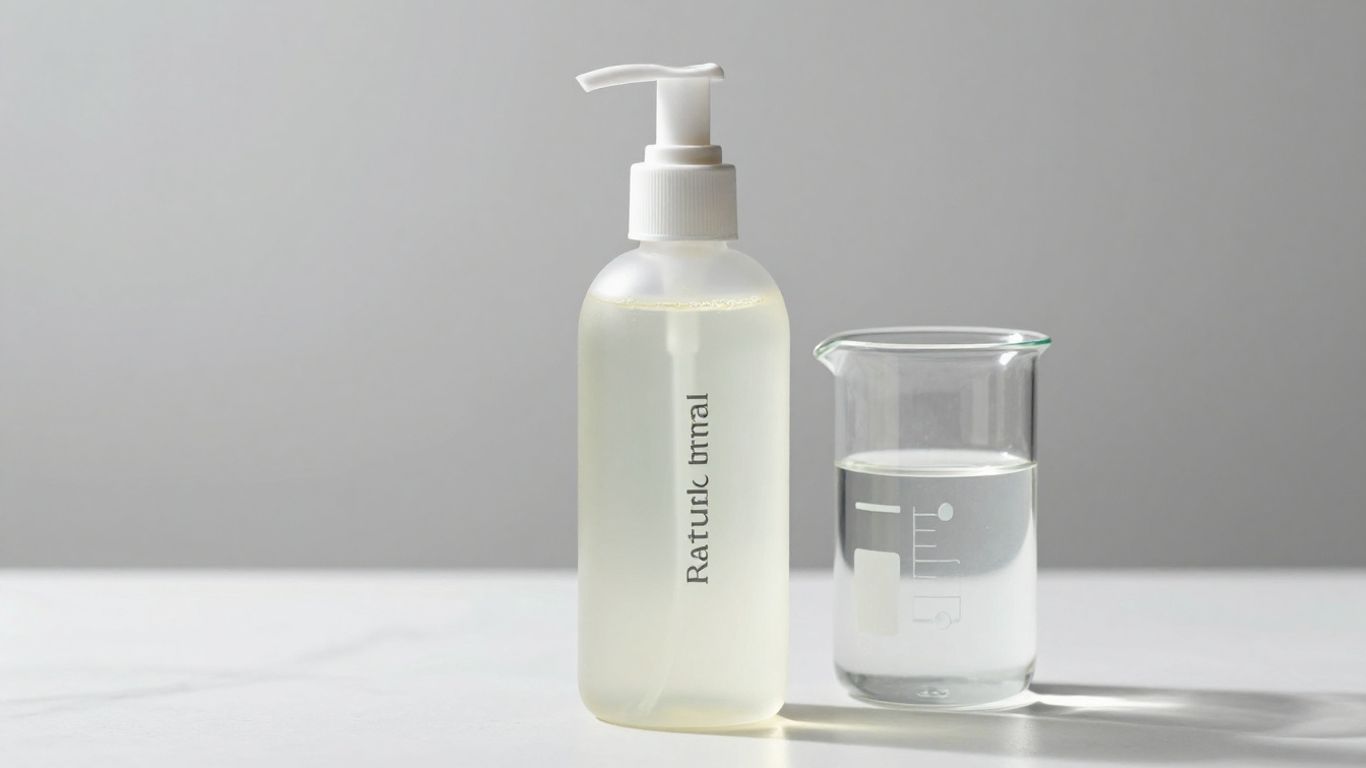
Ingredients play the most significant role in how your body reacts to a product over time. Choosing clean, body-safe ingredients helps prevent discomfort, irritation, or balance disruption. Always examine the label to ensure that the formulation serves your health needs rather than complicating them.
Avoiding parabens and glycerin for sensitive skin
Many conventional lubricants contain additives that can disrupt natural bacterial flora, leading to discomfort. Parabens, frequently used as preservatives, and glycerin, which can contribute to yeast growth, are best avoided. Looking for third-party tested products ensures that the formulation is free from these common irritants.
pH-balanced formulas and vaginal health
Maintaining the natural environment of the vagina is essential for health. A lubricant that is intentionally developed with a pH-balanced ratio mirrors the body’s natural secretions, helping to prevent irritation. These pH-balanced formulas are especially important for those prone to discomfort or recurring infections.
Why texture and viscosity matter
Texture is subjective, but it significantly alters the feedback of intimate play. Some users prefer a thin, fluid texture that feels lightweight, while others gravitate toward thick, viscous gels that provide a protective, cushioning coating. Assessing your personal preferences for feel can help you find a product that does not just aid motion but enhances the physical sensation of the activity.
Identifying potential allergens or irritants
Even with natural ingredients, individuals can have unique sensitivities to substances like nut oils or certain botanical extracts. Conducting a patch test on a small area of skin, such as the inside of your wrist, is a wise precaution before full application. This simple step helps you identify if a product will cause any redness, itching, or swelling.
Selecting a lubricant based on your specific needs
Your choice should be tailored to the specific activity, whether you are seeking relief from dryness or aiming to maximize sensation. Arousellube provides options that prioritize both performance and biocompatibility. Consider the parameters in the table below to narrow down your choices.
| Feature | Water-based | Silicone-based | Oil-based |
|---|---|---|---|
| Toy Safe | High | Low | Medium |
| Cleanup | Effortless | Moderate | Challenging |
| Longevity | Low | High | High |
Choosing for dryness and physical comfort
If you are dealing with everyday dryness, focusing on a formula that provides lasting hydration is essential. Products that are designed to bridge the gap between pleasure and therapeutic comfort can help reduce friction-related pain significantly. Identifying a long-lasting and soothing glide allows you to focus on the enjoyment of the moment.
Options optimized for partnered play
Partnered intimacy often benefits from lubricants that minimize mess and offer a neutral sensation to suit both parties. Products that are designed to enhance your pleasure through natural components work well here. Consider using products that are intentionally developed for ease of application between people to facilitate a more seamless experience.
Selecting products for use with sex toys
Compatibility with toy material is an often-overlooked factor. If your favorite toys are made of premium silicone, you must pair them with a water-based lubricant to prevent long-term damage like clouding or melting of the toy surface. Using an incompatible lube can ruin the material integrity of your expensive devices.
Considerations for fertility-friendly lubricants
For those actively trying to conceive, the chemistry of the lubricant is critical. Standard products may affect sperm motility or viability. Specialized fertility-friendly formulas are developed to be isotonic and pH-neutral, ensuring that they do not harm sperm on their way to their destination.
Proper application techniques for best results
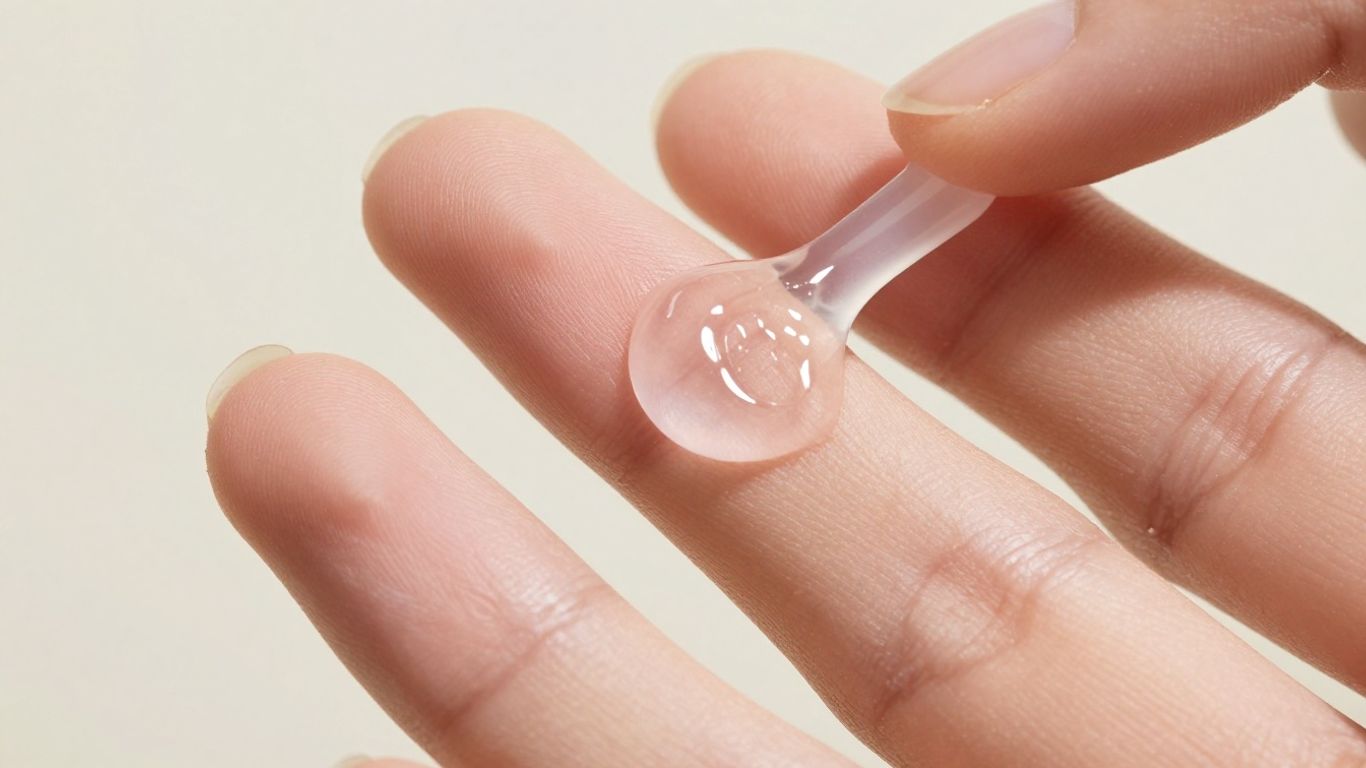
Applying lubricant effectively is a skill that can turn a good moment into a much better one. Consistency, frequency, and distribution matter just as much as the specific brand or formula you choose. Incorporating these steps ensures you don't run dry at the wrong time.
How to apply for manual or assisted use
For manual application, start by warming the product briefly between your palms to prevent the shock of cold liquid. Apply a dime-sized amount to start, and gradually add more as needed. For assisted use where one person applies it to their partner, aim for a slow, gentle spreading motion to ensure even coverage across all areas of contact.
Managing reapplication during intimacy
Even with the best products, reapplication is sometimes necessary depending on the length of the activity and the body's natural response. You can follow these steps to manage the process without breaking the rhythm:
- Keep the bottle on a stable surface within easy reach before starting.
- Apply a small amount to your hand rather than directly onto your partner, which helps maintain control.
- Reapply as soon as you notice friction starting to increase, rather than waiting for discomfort.
- Use a damp cloth to lightly hydrate existing product if it begins to get slightly tacky.
Cleanup tips for different lubricant bases
Cleanup should be as straightforward as application. For water-based lubricants, warm water and mild, fragrance-free soap will usually clear all residue. Oil-based varieties are best removed by wiping away excess with a soft towel first, followed by a gentle soap wash, as they are hydrophobic. Proper usage of lubricant also implies leaving your space clean.
Reducing mess with discreet application methods
Using a pump bottle instead of a squeeze bottle can minimize excess drips and help you maintain a cleaner environment. You can also place a towel down in advance to protect your bedding. If you choose to use an edible lubricant, the cleanup concern is often lessened because the ingredients are designed to be safe if ingested during the process.
Storage and shelf life best practices
Lubricants are perishable products that change over time due to exposure to environmental factors. Proper care extends the life of your purchase and ensures the product remains safe for intimate use.
Temperature stability for different formulas
Most lubricants should be kept in a cool, dry place. Extreme fluctuations in temperature, such as leaving a bottle in a hot car or a steamy bathroom, can degrade the chemical structure of the ingredients. Heat can speed up the expiration of active components, so a bedside drawer or a shelf outside of the immediate shower area is ideal.
Checking expiration dates for safety
Never assume a product is good indefinitely. Every bottle should have an expiration date stamped on the packaging. Using a product beyond its shelf life can lead to bacterial contamination or ingredient separation, which may compromise your physical health or skin comfort.
Sanitary pump versus squeeze bottle packaging
Pump-based packaging is generally more sanitary because it limits air exposure and prevents you from touching the contents of the entire container. Squeeze bottles are convenient and portable, but they require you to be more careful about keeping the neck of the bottle clean to avoid introducing any bacteria into the remaining product.
Signs that a product has spoiled
Trust your senses if the product has changed. If the texture has become significantly thin or clumpy, if the color has yellowed or darkened, or if there is a distinct, unpleasant odor, it is time to discard the product. Never try to "fix" a spoiled lubricant by mixing it with other substances; always prioritize safety and replace it.
Navigating common myths about personal lubrication
There is a lot of misinformation surrounding the use of lubricants, leading many to avoid them unnecessarily. Clearing up these myths helps people embrace them as a standard tool for sexual wellness. Education is the best way to ensure you feel confident in your choices.
Debunking oil-based lubricant and condom warnings
Many believe that any oil-based substance is fine for use with all types of barriers, which is false. Oil destroys latex, but not everyone realizes the severity. It is vital to understand that water-based options are the only guarantee for safety if you are relying on latex or polyisoprene condoms.
Addressing the stigma around lubricant use
Some feel that using a lubricant implies there is a "problem" with their body. In reality, lubrication is just an upgrade for any intimate encounter, regardless of natural moisture levels. Normalizing the use of Arousellube as a tool for comfort and pleasure helps remove the shame often associated with needing support during intimate moments.
Clarifying the difference between natural and laboratory-tested
"Natural" does not always mean unregulated. The best products are both plant-based and laboratory-tested to ensure consistency, purity, and safety. A rigorous approach to third-party tested natural ingredients provides the highest confidence that what you apply to your body is both effective and clean.
Understanding how base material affects stain and residue
Many shy away from lubricants for fear of ruining sheets or clothes. While some oil-based lubes can be persistent, most modern water-based lubricants are easily laundered. If you are concerned about residue, opt for a clear, non-staining formula designed to wash away completely with just water.
Conclusion
Integrating a high-quality lubricant into your life is a simple and effective way to enhance your physical comfort and overall intimacy. By prioritizing clean, pH-balanced, and scientifically backed formulas like those from Arousellube, you ensure that you are making choices that align with your health goals and personal preferences. Whether you need a product for better compatibility with toys or to manage sensitivity, the right lubricant acts as an essential companion, providing the confidence you need to explore and enjoy your intimate experiences fully.
Frequently Asked Questions
Can personal lubricants hurt my skin?
Some individuals have sensitive skin that may react to specific ingredients like preservatives or fragrances, which is why choosing hypo-allergenic or glycerin-free options is so important.
How often should I reapply lubricant during sex?
There is no fixed schedule, but you should reapply whenever you feel the sensation of friction increasing or when you start to feel the lube becoming tacky or absorbing too much into the skin.
Are all food-grade ingredients safe for the vagina?
Not necessarily, because ingredients that are safe for oral ingestion can still cause pH imbalances or infections when applied internally, so always prioritize products formulated specifically for clinical or intimate usage.
Will using lubricant make me dependent on it?
Using lubricant will not cause your body to stop producing its own natural moisture, nor will it create a biological dependence; it is simply a tool used to increase current comfort.
Can I use different lubricants at the same time?
Mixing different base types, like using water-based and silicone-based together, is generally discouraged because it can result in a strange texture and may reduce the effectiveness of both products.
Why does my lubricant get sticky after some time?
Water-based lubricants naturally absorb into the skin or evaporate, which leaves behind the thickening agents as they dry out, leading to a sticky feeling that can easily be refreshed with a little water.
Should I wash off lubricant after intimacy?
It is generally recommended to clean off excess lubricant after you are finished, especially for those sensitive to residue or prone to irritation, to ensure the area stays clean and balanced.