

Posted by Mike
on September 06, 2026

Key Takeaways
A liquid silk personal lubricant is usually chosen for its smooth feel, balanced glide, and practical versatility. The best option depends on your body, preferred sensation, and the condoms or toys you use.
- Hybrid formulas blend water and silicone for a silky, flexible feel.
- Ingredient lists, fragrance, and pH matter when skin is sensitive.
- Always check condom and toy compatibility before extended use.
- Reapply whenever friction or dryness returns rather than pushing through discomfort.
- Persistent irritation or pain deserves medical advice, not simply more lubricant.
What liquid silk personal lubricant is and how it works
Liquid silk personal lubricant generally refers to a smooth-feeling formula designed to reduce friction during intimate activity. The phrase is often used for hybrid products that combine water with a small amount of silicone, although the exact formula varies by product. That blend can feel more cushioned than a light water-based gel while remaining easier to handle than some pure silicone products. For a broader overview of formulas, textures, ingredients, and compatibility, see this guide to choosing liquid silk lubricant.
The difference between water-based, silicone-based, and hybrid formulas
Water-based lubricant is usually versatile, easy to rinse away, and suitable for many activities and toy materials. Silicone-based lubricant tends to remain slick for longer, including in wet settings, while hybrid lubricant combines water’s lighter feel with some of silicone’s lasting glide. The label matters more than the word “silk,” since two products with similar marketing language can behave quite differently.
How the texture affects comfort and glide
Texture changes how quickly a lubricant spreads, how much pressure it cushions, and how often it needs to be refreshed. A thinner liquid can feel natural and disappear more quickly, whereas a thicker gel may stay in place during longer sessions. Personal comfort comes first, so a formula that feels elegant for one person may feel too slippery, tacky, or heavy for another.
Common uses for solo and partnered intimacy
A liquid silk personal lubricant can support solo exploration, partnered intimacy, massage, and the use of compatible toys. It is not a substitute for arousal, and it does not need to be reserved for moments when dryness is severe. Adding a small amount early can make movement more comfortable and help people stay attentive to sensation rather than friction.
What to check on the ingredient label
Read the full ingredient list instead of relying only on terms such as natural, silky, or sensitive. Look for the base, preservatives, fragrance, flavoring, and any ingredients you already know your skin dislikes. If you prefer plant-derived comfort and edible, water-based formulas, Arousellube personal lubricants are positioned around natural ingredients and pleasure-focused intimacy; still, individual tolerance should guide your choice.
How to choose the right liquid silk personal lubricant
Choosing a liquid silk personal lubricant is less about finding the most luxurious description and more about matching the formula to your routine. Think about where and how you will use it, how long you want the glide to last, and whether cleanup matters. A product that works beautifully for partnered play may not be the most convenient choice for travel or toy use.
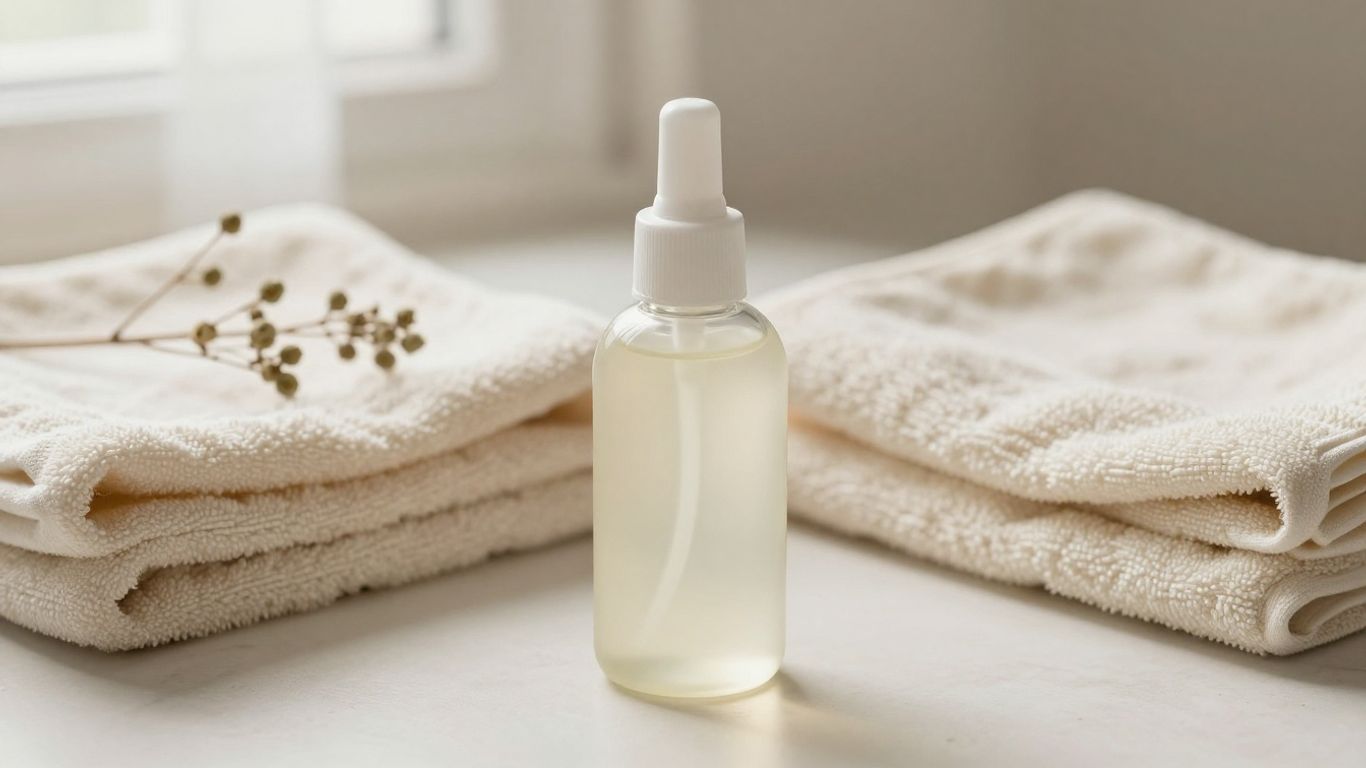
Matching the formula to your preferred sensation
Some people like a barely-there, fluid feel, while others prefer a denser cushion that stays on the skin. Hybrid formulas can offer a middle ground, but their ratios and viscosities differ. Try a modest amount first, then assess whether it spreads evenly, leaves residue, or becomes tacky as it dries.
Choosing between scented, flavored, and unscented options
Unscented lubricant is often the simplest choice for people who are sensitive to fragrance or want a neutral product for regular use. Scented and flavored versions may suit oral intimacy, but flavoring does not automatically make a product comfortable for every body. If you are comparing water-based choices, this water-based lubricant guide offers useful context on texture, cleanup, and ingredient preferences.
Considering sensitivity, allergies, and skin concerns
A shorter, familiar ingredient list can make it easier to identify a possible trigger if irritation occurs. Fragrance, flavor compounds, warming agents, and some preservatives may bother sensitive skin, so patch-testing a small amount externally can be sensible when the label permits it. Stop using the product if burning, swelling, itching, or a rash develops.
Evaluating bottle size, dispenser design, and cleanup
Packaging affects the experience more than many shoppers expect. A pump can be useful when one hand is occupied, while a smaller bottle may be easier to store discreetly or take while traveling. Water-based products usually rinse away readily, but a hybrid may leave a more noticeable film, so consider washable linens and the kind of cleanup you actually want.
Liquid silk personal lubricant and sexual health
Lubricant is a comfort tool, not a treatment for every cause of dryness or pain. It can reduce rubbing and support more relaxed intimacy, but recurring symptoms may point to irritation, infection, hormonal changes, medication effects, or another health concern. A body-safe product should make activity more comfortable, never require you to tolerate burning or pain.
How lubricant can reduce friction and discomfort
Friction increases when natural lubrication is limited, activity lasts longer, or tissue is already sensitive. Applying lubricant can create a smoother layer between skin, a condom, and a toy, reducing the need for forceful movement. It may also make it easier to pause, change position, or reapply before discomfort becomes significant.
When to avoid products with irritating ingredients
Avoid a formula that causes stinging, persistent warmth, itching, or a change in symptoms. Products marketed as exciting or stimulating may contain ingredients that are not a good match for reactive skin. If you have known allergies, compare the label with your medical history and choose a simpler option rather than trying to work around a reaction.
What to know about pH and vaginal comfort
Vaginal comfort can be affected by the ingredients and pH of a product, especially when it is used frequently or internally. A pH-balanced formula may be preferable for some people, but “balanced” on the front label is not a guarantee that it will suit everyone. This overview of lubricant choices for comfort can help you compare pH, viscosity, and sensitivity considerations together.
When persistent pain or irritation needs medical advice
Pain that continues after stopping a product should not be treated by applying more lubricant. Seek medical advice for recurring dryness, bleeding, sores, unusual discharge, strong odor, or symptoms that do not settle. Medical guidance is especially important when discomfort affects daily life or makes intimacy consistently difficult.
Compatibility with condoms and sex toys
Compatibility depends on both the lubricant base and the material being exposed to it. Never assume that a product described as silky, natural, or premium is automatically suitable for every condom or toy. Check the lubricant packaging, the condom instructions, and the toy manufacturer’s guidance before use.
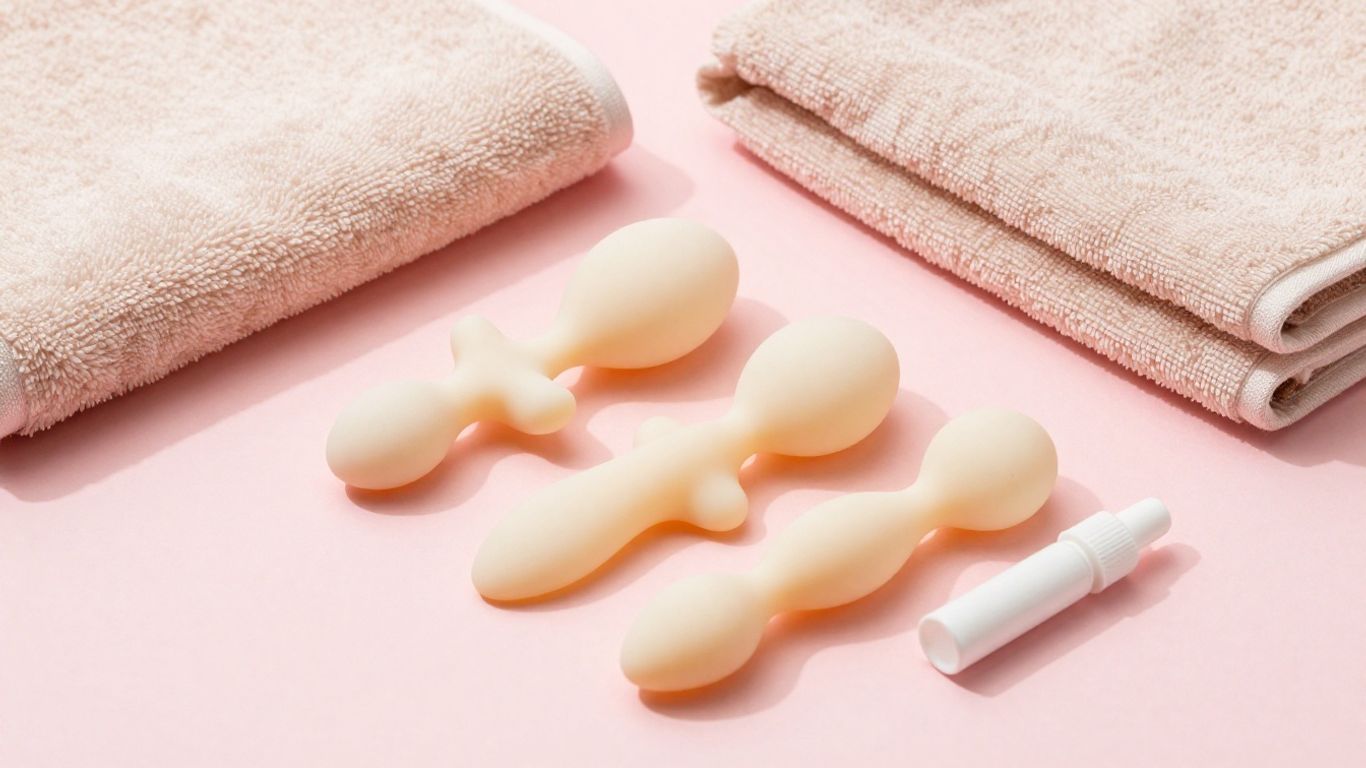
Checking whether the lubricant is condom-compatible
Look for an explicit compatibility statement and follow the condom manufacturer’s directions. Oil-based products can weaken many latex condoms, while water-based and silicone-based formulas are commonly considered more suitable, subject to the product label. If the packaging is unclear, choose a documented compatible option rather than guessing.
Using hybrid lubricant with latex and polyisoprene condoms
A hybrid formula should be checked individually because “hybrid” describes a category, not one fixed ingredient profile. Some products may be suitable for latex and polyisoprene condoms, but the packaging must say so. Do not infer safety from another product’s formula, even if both are described as liquid silk.
How silicone components may affect silicone toys
Silicone lubricant can interact with some silicone toys, leaving the surface tacky or altered. The result depends on the specific materials and manufacturing process, so the toy maker’s instructions take priority. When in doubt, use a water-based lubricant with the toy or test a small, hidden area before a longer session.
Testing compatibility before extended use
A short test can prevent an unpleasant surprise. Apply a little lubricant to a discreet part of the toy or use it briefly with the chosen condom, then inspect for swelling, stickiness, clouding, or texture changes. These practical checks are also useful when comparing products described as smooth hybrid lubricant, since the exact formula still determines real-world compatibility.
How to use liquid silk personal lubricant effectively
Good application is simple, but timing and quantity make a noticeable difference. Start with clean hands and apply lubricant before friction becomes uncomfortable, rather than waiting until movement feels dry. Keep the bottle within reach so reapplication feels like a normal part of intimacy instead of an interruption.
Applying the right amount at the right time
Begin with a small amount on the area that needs lubrication, then add more gradually. Spread it over skin, a condom, or a compatible toy according to the product directions. Too little can leave friction unchanged, while too much may reduce control or create unnecessary mess.
Reapplying when friction or dryness returns
Water in a formula can gradually evaporate or absorb, and even a hybrid may need refreshing during longer activity. Reapply as soon as movement begins to feel less comfortable. There is no prize for using the smallest possible amount; a smooth experience is the useful measure.
Combining lubricant with condoms and toys
Put the condom on before adding lubricant around the outside, unless the condom instructions say otherwise. Use only a formula confirmed as compatible with the toy’s material, and avoid layering several products without checking their ingredients. A water-based, edible personal lubricant from Arousellube may fit some routines, but the individual product label remains the authority for use and compatibility.
A short routine can make application more consistent:
- Check the expiry date and packaging before opening.
- Apply a small amount and spread it evenly.
- Add more when friction returns, not after discomfort has escalated.
- Rinse or wipe the toy according to its care instructions.
This approach keeps the process practical while leaving room to adjust for different bodies, activities, and preferences.
Cleaning up after use and storing the bottle
Follow the product’s cleaning directions and wash skin gently rather than scrubbing. Close the cap or pump, keep the bottle away from excessive heat, and store it where children cannot access it. If the texture, smell, or color changes unexpectedly, discard the product and replace it.
Liquid silk personal lubricant compared with other options
Hybrid lubricant sits between water-based and pure silicone formulas, but “middle ground” does not mean universally best. The right choice depends on how long you want the glide to last, whether you use toys, and how easily you want to rinse away residue. Comparing the practical trade-offs is more useful than choosing based on texture language alone.
Hybrid lube versus water-based lubricant
Water-based lubricant is often the most adaptable choice for condoms, many toys, and easy cleanup. It may need more frequent reapplication, particularly during extended activity or in water. Hybrid lubricant can feel silkier and last longer for some users, though it may require closer attention to toy compatibility and residue.
Hybrid lube versus pure silicone lubricant
Pure silicone lubricant is usually selected for durable glide and resistance to rinsing away in wet environments. A hybrid can feel lighter and may be easier to clean, depending on its water content and ingredients. Neither category is automatically better; the best match follows from the setting, the materials involved, and your preferred sensation.
When a thicker formula may be preferable
A thicker lubricant can provide more cushioning for extended sessions or activities where a very fluid product moves away too quickly. It may also be easier to place precisely on a toy or condom. The trade-off can be a heavier feel, more visible residue, or more effort during cleanup, so test the texture before buying a large bottle.
Choosing a specialized lubricant for specific needs
Specialized products may be formulated for sensitive skin, vaginal dryness, oral intimacy, massage, or a particular toy material. Read the intended-use directions and avoid assuming that a product suited to one purpose will perform equally well in another. For additional comparisons of bases, textures, and activities, this guide to personal lubricant selection is a useful next step.
Conclusion
A liquid silk personal lubricant can be a comfortable, versatile addition to an intimate routine when its formula matches your body, preferences, condoms, and toys. Compare the ingredients, test compatibility, apply enough to prevent friction, and treat persistent irritation as a reason to seek medical advice rather than a problem to push through.
Frequently Asked Questions
Is liquid silk personal lubricant usually water-based?
The phrase can describe different products, but it often refers to a hybrid formula containing water and silicone. Check the ingredient list and product instructions to confirm the base.
Is hybrid lubricant safe with latex condoms?
Some hybrid lubricants are labeled compatible with latex condoms, while others may not be. Use only a product with clear compatibility guidance from the manufacturer.
Can liquid silk lubricant be used with sex toys?
It depends on the toy material and the lubricant ingredients. Water-based formulas are commonly versatile, while silicone components may not suit every silicone toy.
How much personal lubricant should I use?
Start with a small amount, spread it evenly, and add more as needed. The right quantity is the amount that prevents uncomfortable friction without creating an unwieldy layer.
Can lubricant cause irritation?
Yes. Fragrance, flavoring, preservatives, warming ingredients, or individual sensitivities can cause irritation. Stop using a product that burns, itches, or causes swelling.
Does lubricant prevent sexually transmitted infections?
Lubricant does not prevent sexually transmitted infections. Condoms, dental dams, testing, vaccination where appropriate, and safer-sex practices provide risk-reduction measures.
When should I ask a clinician about dryness or pain?
Seek medical advice when pain, burning, bleeding, unusual discharge, sores, or persistent dryness continues or returns. These symptoms may have causes that lubricant alone cannot address.





































































