

Posted by Mike
on September 03, 2026

Key Takeaways
Choosing an organic personal lubricant is less about a single label and more about matching ingredients, texture, and compatibility to your body and intended use.
- Look for meaningful organic certification and a complete ingredient list.
- Choose water-, oil-, silicone-, or hybrid-based formulas according to the activity.
- Check fragrance, flavoring, glycerin, botanical extracts, pH, and osmolality when relevant.
- Confirm condom and personal-device compatibility before use.
- Stop using a product if it causes burning, itching, pain, or ongoing discomfort.
Understand what organic personal lubricant means
The word “organic” can describe genuinely certified ingredients, but it can also appear as loose marketing language. A thoughtful choice starts by separating certification from general words such as natural, clean, or plant-based. From there, consider the entire formula rather than one appealing ingredient. This natural lubricant guide offers a useful companion perspective on comfort, compatibility, and how the body responds.
Organic certification versus natural marketing claims
Organic certification usually involves defined production standards and review by an approved certifying organization, while “natural” may have a much broader meaning. Read the packaging for the certifier’s name and the scope of the certification: it may apply to some ingredients or to the finished product. A product can contain plant-derived ingredients without being certified organic, and certification alone does not tell you whether the texture suits your needs.
Common ingredients used in organic lubricants
Organic lubricants may use ingredients such as aloe, plant oils, botanical extracts, or naturally derived thickeners. Water-based formulas often need a preservation system, while oil-based formulas tend to have a shorter, simpler ingredient list but different material restrictions. A short label can be reassuring, yet each ingredient still deserves attention, especially if you have reacted to skincare products before.
Why “organic” does not automatically mean irritation-free
Natural substances can still irritate delicate skin or mucosal tissue. Essential oils, fragrance components, flavoring agents, and some botanical extracts may be uncomfortable for certain people, even when they come from plants. Your body’s response matters most: discontinue a formula that causes stinging, itching, swelling, or persistent redness rather than trying to push through it.
How sourcing and formulation affect product quality
Quality depends on more than whether an ingredient is organic. Purity, processing, preservation, packaging, and batch consistency all influence how a lubricant performs and remains stable. A transparent maker should explain its ingredient standards and testing approach without relying on vague promises. For a broader look at ingredient transparency and certification, see this organic lubricant selection guide.
Compare the main types of personal lubricant
The base of a lubricant largely determines its feel, cleanup, staying power, and compatibility. Water-based products are often the most flexible, while oil and silicone offer different forms of durability. Hybrids sit between categories and may combine useful qualities, but their exact ingredients still matter. Choose by the activity first, then refine the decision by texture and sensitivity.
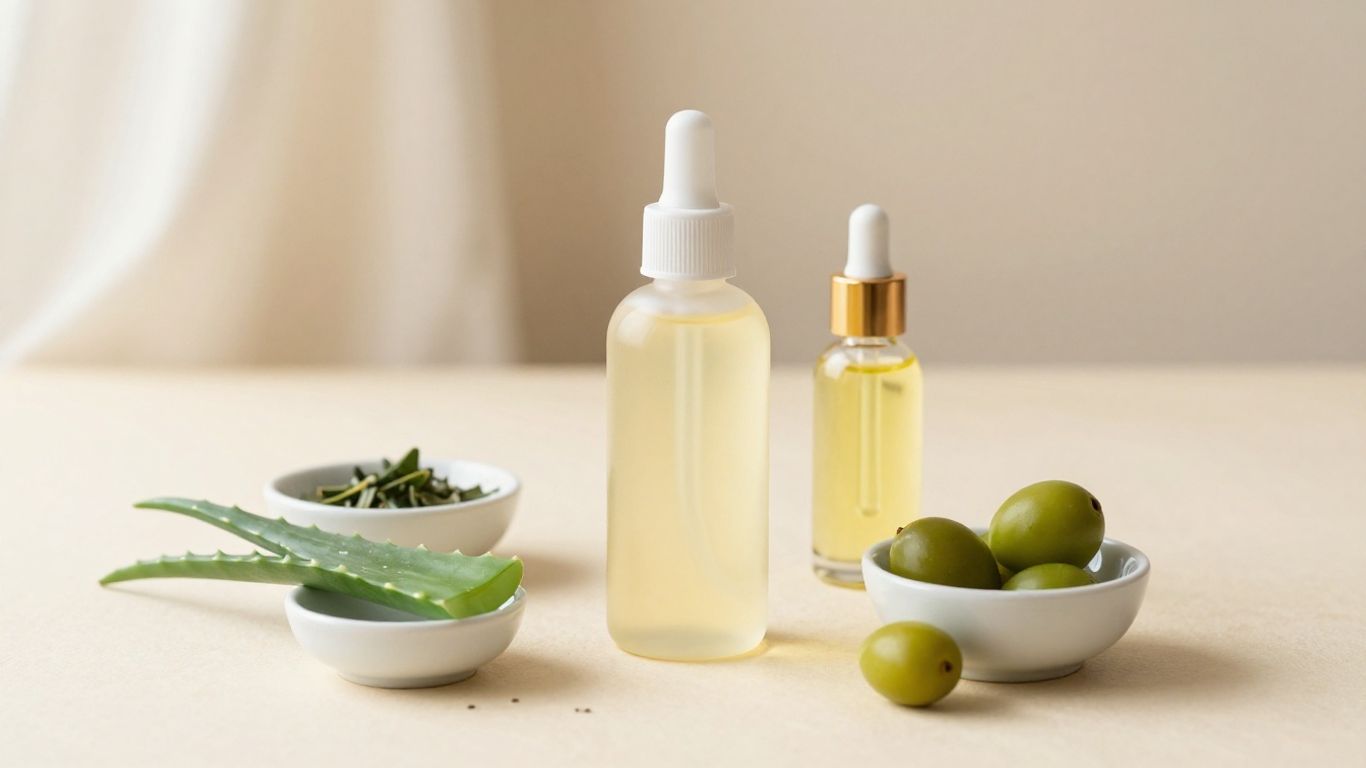
Water-based formulas for versatility and easy cleanup
Water-based lubricants are generally easy to spread and rinse away, making them practical for everyday intimacy. They can dry sooner than other bases, so reapplication may be part of using them comfortably. A water-based formula can be a sensible starting point when you want versatility, simple cleanup, and broad compatibility, provided the label confirms the materials involved.
Oil-based formulas for longer-lasting moisture
Oil-based lubricants often provide a rich, lasting glide and may feel comfortable when a thicker, cushioned texture is preferred. They can be difficult to wash from fabric and may weaken latex condoms, so compatibility must be checked before use. Do not assume that an edible or plant-derived oil is automatically suitable for every intimate purpose.
Silicone-based formulas for water use and durability
Silicone-based lubricants are designed to remain slippery for longer and can be useful in showers or baths because water does not readily wash them away. They may require more effort to clean from skin and surfaces. Some silicone formulas can affect silicone devices, so follow the device maker’s guidance instead of relying on the lubricant’s broad marketing description.
Hybrid formulas and when they may be useful
Hybrid lubricants combine properties from more than one base, often aiming for the lighter feel of water with added staying power. Their performance varies considerably, so inspect the full ingredient list and read the compatibility instructions. When comparing options, a simple table can keep the practical differences clear:
| Base | Main advantage | Main consideration | Cleanup |
|---|---|---|---|
| Water-based | Versatile and easy to rinse | May need reapplication | Usually easy |
| Oil-based | Rich, lasting glide | May not suit latex condoms | More involved |
| Silicone-based | Durable and water-friendly | Check silicone-device compatibility | Can take longer |
| Hybrid | Balances selected qualities | Formula-specific restrictions | Varies |
The table is a starting point, not a substitute for the package directions. If your priorities are easy cleanup and broad everyday use, water-based may be the simplest fit; if lasting slipperiness matters more, another base may be worth considering.
Check ingredient safety and compatibility
Ingredient safety is personal, but some label features deserve a closer look. Delicate tissue may react differently from ordinary skin, and a formula that feels fine on one person may not suit another. Pay attention to both what is included and what the product claims to avoid. The goal is not the longest list of “free-from” statements; it is a formula you can understand and comfortably use.
Ingredients that may cause irritation or discomfort
Potential concerns include fragrance, essential oils, warming or cooling agents, and highly concentrated botanical ingredients. Some preservatives or thickeners may also be troublesome for people with known sensitivities. If you already know that certain skincare ingredients trigger a reaction, compare the lubricant label with that personal history rather than choosing solely by its front label.
Fragrance, flavoring, glycerin, and botanical extracts
Added scent and flavor can make a product more appealing, but they also introduce more variables for sensitive users. Glycerin is tolerated by many people yet may not feel right for everyone, while botanical extracts can vary in concentration and effect. A fragrance-free, plainly labeled formula is often a reasonable direction when minimizing potential irritants is your priority.
pH and osmolality considerations for vaginal use
Vaginal tissue has a naturally acidic environment, so pH can be relevant when selecting a lubricant for vaginal use. Osmolality describes the concentration of dissolved substances in a formula; very high values may draw water from tissue and contribute to discomfort. If these factors matter to you, look for actual pH or osmolality information rather than assuming that “organic” or “natural” answers the question.
How to review labels when you have sensitive skin
Start with the complete ingredient list, then look for clear directions, testing information, and warnings. It can help to compare only one new product at a time so you know what your body is responding to. A short, familiar formula may be easier to evaluate than a heavily flavored or highly perfumed option. A sensitive-skin lubricant resource can help you organize questions about additives, pH, and patch testing.
Choose a lubricant for your intended use
The best lubricant is the one that supports the activity without creating new discomfort. Consider where it will be used, how long you want the glide to last, and whether a condom or device is involved. Personal preference matters, too: thickness, silkiness, and reapplication are practical parts of the experience. Arousellube approaches these intimate essentials through water-based, edible lubricants made with natural ingredients and designed to enhance pleasure and intimacy.
Everyday intimacy and vaginal dryness
For everyday intimacy or occasional dryness, a water-based lubricant can offer a light feel and straightforward cleanup. Persistent dryness may have many causes, including hormonal changes, medication, stress, or irritation from another product. Lubricant can improve comfort during intimacy, but it should not conceal pain that keeps returning or is accompanied by other symptoms.
Anal use and the need for lasting slipperiness
Anal tissue does not self-lubricate in the same way, so generous application and timely reapplication are important. A thicker formula may provide the staying power you prefer, but comfort and material compatibility still come first. Use enough to reduce friction, proceed gradually, and stop if there is pain or bleeding.
Shower, bath, and other water-based settings
Water can dilute or rinse away a water-based lubricant quickly. For baths and showers, a water-resistant base may be more practical, though the product must still be suitable for your skin and any devices involved. Keep the bottle secure and avoid introducing bath products, soap, or fragrance into intimate tissue.
Compatibility with condoms and personal devices
Always check the lubricant label alongside the condom and device instructions. Oil can damage latex, and some silicone products may not be suitable with silicone devices; the exact materials and formula determine the answer. If you use condoms, do not guess based on an ingredient sounding “natural.” For a product example from outside this publisher, an oil-based organic lubricant illustrates why base and material guidance belong in the same buying decision.
Use and store organic personal lubricant properly
Even a well-chosen organic personal lubricant works best when used thoughtfully. Begin with a modest amount, notice how it feels, and add more rather than treating application as a one-time step. Clean hands, intact packaging, and sensible storage also help protect the formula. These small habits make it easier to distinguish a product problem from a usage problem.
How much lubricant to apply and when to reapply
Apply enough to reduce friction over the area involved, then reapply whenever the glide becomes thin or uncomfortable. There is no universal correct amount because bodies, activities, and formulas differ. With water-based products especially, a little additional lubricant can restore comfort more easily than continuing after the formula has dried.
Patch testing and introducing a new formula
For a new product, place a small amount on an external area of skin first and wait to see whether irritation develops. A patch test cannot predict every internal reaction, but it is a cautious first step for sensitive users. Introduce one new formula at a time, and stop using it if burning, itching, swelling, or unusual discomfort appears.
Cleaning recommendations after use
Follow the product directions and wash external skin gently with lukewarm water. Avoid scrubbing or using fragranced soap on delicate areas, since aggressive cleaning can create the irritation you were trying to prevent. Clean compatible personal devices according to their own care instructions, especially when switching between lubricant bases.
Storage conditions and expiration dates
Keep the bottle closed, away from excessive heat, direct sunlight, and moisture when the label recommends it. Check the expiration date and discard a product if its smell, color, texture, or consistency changes unexpectedly. Do not transfer lubricant into an unmarked container, since doing so removes useful batch and expiration information.
Evaluate products before buying
A polished package can be attractive, but the useful evidence is usually on the back label and product page. Look for a complete ingredient list, clear use instructions, compatibility information, and realistic language about performance. Arousellube’s stated positioning centers on non-GMO, vegan, third-party tested formulations with pH-balanced properties, so those are the kinds of details a careful shopper can seek from any maker.
Certifications and transparent ingredient lists
A certification mark is most useful when you can identify who issued it and what it covers. The ingredient list should be complete, legible, and consistent across the package and website. If a company discusses body-safe ingredients or plant-derived comfort, look for supporting formulation and testing details rather than accepting broad claims without context.
Packaging, applicators, and ease of use
Packaging should protect the formula and make controlled application easy. A secure cap, stable bottle, and clear dispensing design can matter as much as appearance, particularly when the product is used with one hand. Consider whether the container can be closed cleanly and whether its size suits bedside, travel, or occasional use.
Reviews, return policies, and product claims
Reviews are most helpful when they describe texture, drying time, cleanup, and individual compatibility instead of simply calling a product “good.” Read several perspectives and separate personal preference from a repeatable product detail. Before purchasing, check the return policy, shipping conditions, and whether the claims are specific enough to evaluate; even unrelated buying decisions, such as comparing a consulting firm, benefit from checking scope and terms before commitment.
When to consult a healthcare professional about discomfort
Talk with a healthcare professional about persistent dryness, recurring burning, pain, bleeding, unusual discharge, or symptoms that continue after stopping a product. Medical advice is especially appropriate when discomfort is new, severe, or affecting daily life. A lubricant can reduce friction, but it is not a diagnosis or treatment for every underlying cause. Buying decisions elsewhere also require careful verification, whether researching authentic Kia spare parts or an ocean view condo; the same principle applies here: confirm the details that affect your decision rather than relying on a headline claim.
Conclusion
An organic personal lubricant can be a thoughtful intimate essential when certification, ingredients, base, intended use, and your own comfort are considered together. Read beyond the front label, confirm compatibility, introduce new formulas gradually, and seek professional guidance when discomfort persists.
Frequently Asked Questions
Is an organic personal lubricant always safer?
No. Organic certification addresses how certain ingredients are produced, not whether every person will tolerate the finished formula. Review the full ingredient list and stop use if irritation develops.
Which lubricant base is easiest to clean?
Water-based lubricants are generally the easiest to rinse away. They may dry sooner, so reapplication can be necessary during longer activities.
Can oil-based lubricant be used with latex condoms?
Oil-based lubricant may weaken latex, so it should not be paired with latex condoms unless reliable product instructions specifically say otherwise. Check both products before use.
Does pH matter for vaginal lubricant?
Yes, pH can be relevant because vaginal tissue has a naturally acidic environment. When possible, choose a product that provides clear pH information for its intended use.
What should I do if lubricant burns?
Stop using it and gently rinse external skin with lukewarm water. Seek medical advice if symptoms are severe, persistent, or accompanied by swelling, pain, bleeding, or unusual discharge.
How should I test a new lubricant?
Use a small amount on an external patch of skin first and observe for a reaction. Introduce only one new formula at a time, remembering that a patch test cannot predict every internal response.
How long does personal lubricant last after opening?
Follow the printed expiration date and any open-container guidance. Store it as directed and discard it sooner if the smell, color, texture, or consistency changes.





































































