

Posted by Mike
on October 07, 2026

Key Takeaways
Choosing a lubricant is easier when you compare formula, ingredients, and intended use rather than relying on a product name alone. Check the package each time, since directions and compatibility can differ.
- Water-based and silicone-based formulas can feel and perform differently; use the label to understand a specific product.
- Consider texture, cleanup, ingredients, and any sensitivities when comparing options.
- Follow package directions for application and reapplication, and start with a modest amount.
- Check condom and toy-material compatibility before combining products.
- Stop using a lubricant if it causes irritation, and seek professional advice for persistent discomfort.
Understanding Astroglide personal lubricant
Personal lubricants come in formulas with different textures, ingredients, and directions for use. Those differences can affect how a product feels, how it cleans up, and what it can be paired with. A careful label check is more useful than assuming that all products within a category work alike.
How Astroglide’s product range varies by formula
The available product details can vary by formula, so look at the individual product information rather than assuming one description applies to every option. For readers researching “personal lubricant astroglide,” the listing for Astroglide Water-Based Personal Lubricant describes a long-lasting, non-sticky formula, easy cleanup, and compatibility with natural rubber latex condoms. Treat those details as specific to that listing, and check the package for the product you have.
What water-based and silicone-based lubricants are designed for
Water-based and silicone-based lubricants can differ in feel, cleanup, and compatibility, but the precise directions depend on the product. Use the label to confirm its base and intended uses before deciding which one suits an activity. This broad comparison can help you know what to look for, not substitute for the package instructions.
| Formula type | What to check | Practical consideration |
|---|---|---|
| Water-based | Ingredients and directions | Check its listed condom and toy compatibility. |
| Silicone-based | Material warnings and directions | Confirm suitability for the toy material in use. |
| Other or specialty formulas | Intended use and cautions | Follow the specific product label. |
These categories are a starting point, not a guarantee of how a particular product will feel or work. For another overview of formula choices and compatibility, see this personal lubricant guide. Read the label before use, especially when pairing a lubricant with a condom or toy.
Why product labels matter when comparing formulations
A product name or broad formula category does not tell you everything about ingredients, directions, or warnings. Compare the full label for use instructions, cautions, and compatibility notes, and check whether the information applies to the activity you have in mind. The exact package matters because formulations and directions may differ even among products that sound similar.
Choosing a formula for your needs
The right option is a personal choice shaped by feel, intended use, and what is comfortable for your body. Think about how much cleanup you are willing to do, whether you prefer a particular texture, and which materials the lubricant may contact. The best comparison is a practical one: match your preferences to what the label actually says.

Matching lubricant texture and longevity to your preferences
Texture is subjective, and a description such as “long-lasting” may not tell you how a formula will feel to you. Consider what matters most: a lighter feel, less frequent reapplication, or easier cleanup. If you are comparing choices, this formula comparison guide offers another way to think through texture, ingredients, and compatibility without treating one option as right for everyone.
Considering ingredients and sensitivities
Ingredient lists are useful when you already know that certain ingredients do not suit you. Compare the list with products you have tolerated before, and avoid a product containing an ingredient you know causes a reaction. These simple checks can make the selection process more comfortable:
- Read the full ingredient list, not just the front label.
- Check for ingredients you have reacted to in the past.
- Follow any directions about where and how the product may be used.
- Stop use if irritation or discomfort develops.
A short ingredient check cannot predict every sensitivity, but it can help you rule out known triggers. When you are uncertain, choose cautiously and ask a healthcare professional for advice if you have recurring reactions.
Comparing personal lubricant with products made for specific uses
Some products are marketed for particular uses, so consider the stated purpose rather than treating every lubricant as interchangeable. Read the directions and cautions to see whether the product fits your intended use, and check for compatibility with anything else involved. If the label leaves an important question unanswered, ask a pharmacist or healthcare professional instead of guessing.
How to use Astroglide lubricant
Using lubricant comfortably starts with the directions on the specific package. Application amounts and permitted uses can vary, so avoid relying on general advice to override a product’s label. Keep the product nearby so you can add more if needed without rushing.
Applying a small amount and adding more as needed
A modest amount is a practical starting point when the package directions allow the intended use. Spread it where needed, then add more if the glide does not feel comfortable; there is no single amount that suits everyone. Check the label before use, and avoid applying a product to an area that its directions exclude.
Pay attention to comfort as you go. Reapplying should follow the product directions, and if the sensation becomes irritating rather than comfortable, stop and reassess.
Following directions for external or internal use
Not every lubricant is labeled for every kind of use. Check whether the directions specify external use, internal use, or another limitation, and follow any warnings about application. When the intended use is not clearly covered on the package, do not assume that it is suitable.
Cleaning up and washing reusable applicators, if applicable
Cleanup instructions depend on the formula and packaging. Follow the label for cleaning the product from skin or surfaces, and take care with spills because lubricants may make floors slippery. If a package includes a reusable applicator, wash it as directed and let it dry before storing; do not reuse a single-use applicator.
Checking compatibility with condoms and toys
Compatibility is not something to infer from texture or a formula name. Check both products’ packaging before combining them, including the condom material and the toy material. If either label is unclear, choose not to combine the products until you can confirm their suitability.
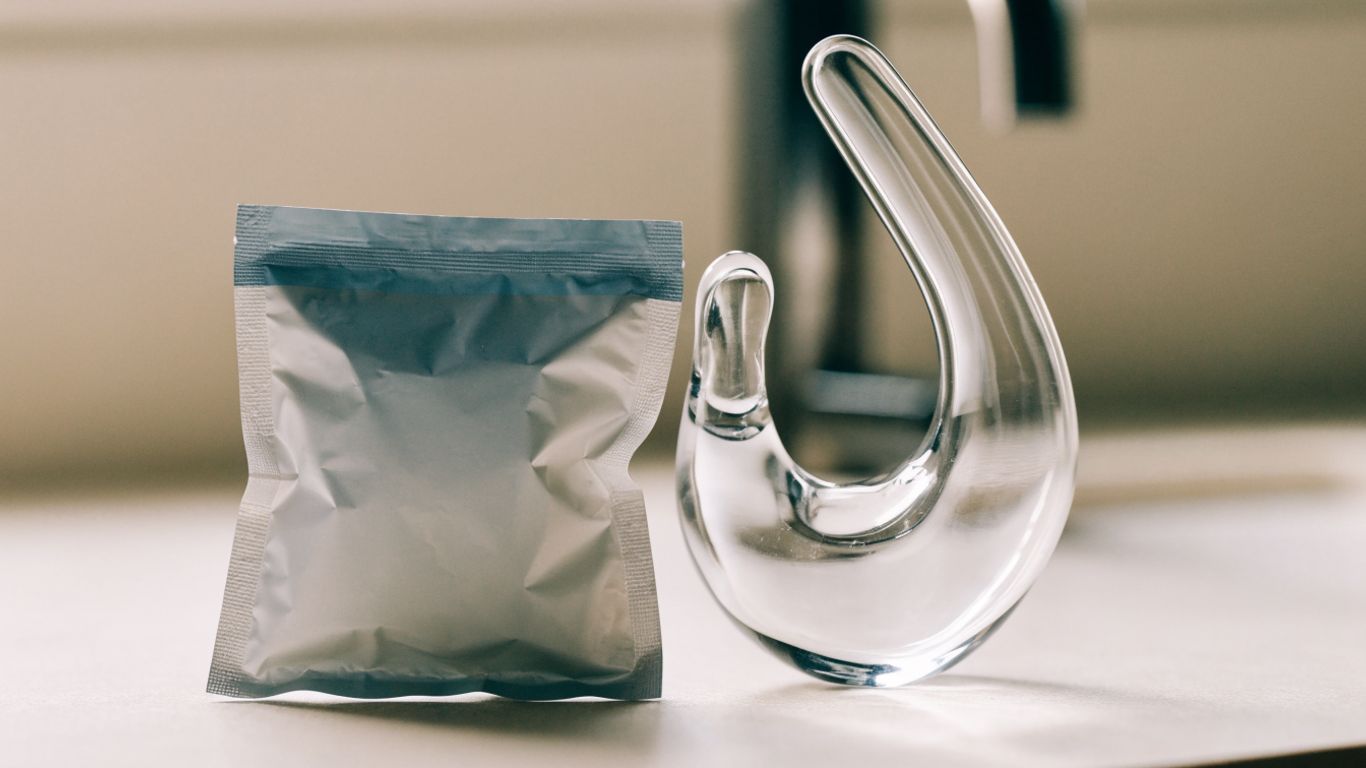
Reviewing lubricant and condom packaging for compatibility
Condom materials differ, and a lubricant label may specify compatibility only with certain kinds. Read the lubricant’s directions alongside the condom packaging; do not assume that a statement about one material applies to another. For example, the Astroglide Water-Based Personal Lubricant listing specifies compatibility with natural rubber latex condoms, so check the actual product package and condom instructions before use.
Choosing a lubricant for silicone, glass, or other toy materials
Toy materials can call for different compatibility checks, and the product label is the place to start. Look for specific warnings or directions concerning silicone, glass, or the material of the item you are using. If the label does not address that material, contact the product maker or choose an option whose instructions clearly cover it.
Checking product directions before combining products
When combining a lubricant with another product, check the directions for both items rather than relying on just one package. Pay particular attention to cautions about materials and intended use. A cautious check takes only a moment and can help avoid using products together in a way their instructions do not support.
Using lubricant comfortably and safely
Comfort is individual, and a lubricant that feels fine for one person may not suit another. Start by following the label and paying attention to how your body responds. If discomfort appears, stop using the product rather than trying to push through it.
Recognizing irritation and stopping use
Itching, burning, redness, or other new discomfort can be a reason to stop using a product. Rinse the area gently if appropriate, and follow any package guidance about irritation. If symptoms are severe, continue, or concern you, seek advice from a healthcare professional.
Avoiding products with ingredients you know you are sensitive to
If you have a known sensitivity, compare ingredient lists before use and avoid products that contain a known trigger. Keep in mind that labels may use names you do not recognize, so a pharmacist or clinician can help you interpret them. If you have had a serious reaction before, ask a healthcare professional before trying another product.
Knowing when to ask a healthcare professional about discomfort
Occasional discomfort that settles after stopping a product may have a straightforward explanation, but persistent or recurring symptoms deserve attention. A healthcare professional can help assess symptoms and discuss whether a particular ingredient, product, or other factor may be involved. Seek prompt medical guidance if symptoms are severe or otherwise worrying.
Buying and storing Astroglide
When shopping, compare the package details that matter to your use rather than choosing by size or name alone. Ingredient lists, directions, seal condition, and expiration information all deserve a quick check. Once you have a product, follow its storage instructions so it remains within the conditions stated by the maker.
Comparing sizes, packaging, and ingredient lists
Compare the amount in the package with how you expect to use it, while checking that the packaging is intact and easy to handle. Review the ingredients and directions on the specific size or version you are considering; similar-looking products can have different details. Choose based on the information on the label, not an assumption that size determines formula or suitability.
Checking the seal and expiration information
Before opening a new product, check that its seal is intact and look for expiration information on the package. Do not use a product if the inner seal is loose or missing, or if the package is damaged in a way that raises concern. If the date is unreadable or you are unsure whether the product is still suitable, contact the seller or manufacturer.
Storing lubricant according to the label instructions
Storage directions can vary, so follow the instructions on the package rather than assuming that every lubricant should be kept in the same conditions. Close the cap after use, keep the container clean, and store it where children cannot reach it. If the label gives a temperature range or other specific guidance, use that as your reference.
Conclusion
A comfortable lubricant choice comes down to matching your preferences with the product’s ingredients, directions, and compatibility notes. Read the label before use, check condoms and toy materials carefully, and stop if irritation occurs; if discomfort persists, ask a healthcare professional for guidance.
Frequently Asked Questions
How do I choose between water-based and silicone-based lubricant?
Compare the product’s texture, cleanup, intended use, and compatibility instructions, then consider which qualities matter most to you. The formula name alone does not answer every practical question, so check the full label.
How much lubricant should I use?
Follow the package directions and start with an amount that feels manageable. Add more if needed and permitted by the instructions, paying attention to comfort as you go.
Can I use any lubricant with a condom?
No. Check the lubricant and condom packaging for compatibility with the specific condom material, and follow both products’ directions.
Is every lubricant suitable for sex toys?
No. Suitability can depend on the lubricant formula and toy material. Review the instructions for both products before combining them.
What should I do if lubricant causes irritation?
Stop using it and follow the package guidance. If irritation is severe, continues, or returns, consult a healthcare professional.
Should I check the ingredients before trying a lubricant?
Yes, especially if you have known sensitivities or have reacted to ingredients before. Compare the full ingredient list and ask a healthcare professional if you need help evaluating it.
How should I store personal lubricant?
Use the storage instructions on the product label, close the container after use, and keep it out of children’s reach. Check the seal and expiration information before using a new or stored product.





































































