

Posted by Mike
on July 31, 2026

Key Takeaways
Choosing personal lubricant is easier when you start with your body, intended use, and preferred texture rather than a product label alone.
- Water-based formulas are versatile and easy to clean.
- Silicone-based lubricants usually last longer but may not suit every toy.
- Oil-based products can damage latex condoms.
- Fragrance, flavoring, glycerin, and warming additives may bother sensitive skin.
- Always check compatibility, packaging, storage guidance, and expiration dates.
Understand the main types of personal lubricant at CVS
The personal lubricant CVS aisle may include several bases, textures, and sensory options. The right choice depends on how long you want the lubrication to last, how easy you want cleanup to be, and whether you use condoms or toys. A useful lubricant selection guide can help you compare these differences before you shop.
Water-based lubricants for everyday versatility
Water-based lubricant is often the easiest starting point because it works for many intimate uses and generally rinses away with water. It may need reapplication during longer sessions, particularly if it begins to feel tacky as moisture evaporates. For shoppers interested in plant-derived comfort, Arousellube offers water-based, edible personal lubricants made with natural ingredients and designed to enhance pleasure and intimacy.
The texture matters as much as the base. A thinner gel can feel lighter, while a thicker formula may provide more cushioning. Read the label rather than assuming that every water-based product feels the same.
Silicone-based lubricants for longer-lasting use
Silicone-based formulas tend to remain slippery longer than water-based products, which can be useful when frequent reapplication is inconvenient. They can also be harder to rinse from some fabrics and surfaces, so a towel or careful cleanup may make the experience easier. Silicone is not automatically compatible with every silicone toy, making the package instructions essential.
If you are comparing bases, think about the setting as well as the sensation. A shower-friendly product may call for different trade-offs than an option intended for quick, easy cleanup.
Oil-based formulas and their limitations
Oil-based lubricants can feel rich and lasting, but they are not suitable with latex condoms because oil can weaken the material. They may also leave more residue on skin, bedding, and toys. If you use barrier protection, choose a base specifically labeled compatible with the condom material rather than relying on feel alone.
Oil-based products can also be less convenient to wash away. That does not make them wrong for everyone, but it does make material compatibility and cleanup part of the purchase decision.
Warming, cooling, and flavored lubricant varieties
Warming, cooling, and flavored lubricants add sensory elements, while edible formulas may be selected for oral intimacy. Those features are personal preferences, not signs that a product is safer or better. A product described in a personal lubricant buying guide may help you separate texture and ingredient decisions from marketing language.
First-time users may prefer an unflavored, unscented formula with a short ingredient list. If you do choose a sensory product, use a small amount first and stop if it stings, burns, or causes itching.
Match the lubricant to your intended use
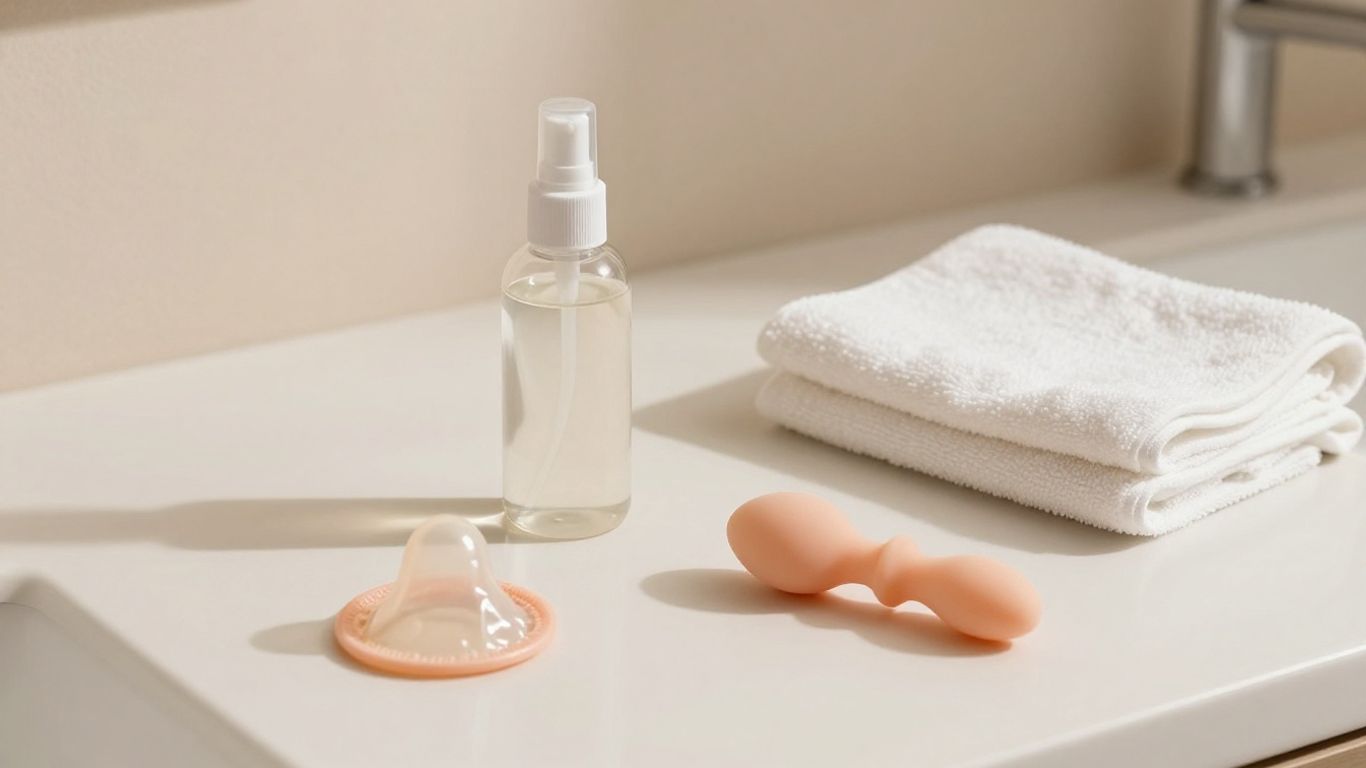
There is no single best lubricant for every body or activity. Vaginal dryness, anal use, sensitive skin, condoms, and toys can each change what makes sense. Start with the specific situation, then narrow the choices by base, ingredients, and compatibility.
Vaginal use and common comfort needs
For vaginal use, many people begin with a water-based formula because it is versatile and easy to clean. If dryness is persistent, a lubricant may improve comfort during intimacy, but it does not diagnose or treat the cause. Choose a product that feels comfortable, and consider pH information when it is provided.
A lightweight formula may suit someone who wants a natural-feeling glide, while a thicker gel may feel more protective. Comfort should guide the decision; pressure to tolerate burning or irritation is a reason to stop.
Anal use and the importance of lasting lubrication
Anal tissue does not self-lubricate in the same way as vaginal tissue, so generous, lasting lubrication is especially important. Silicone formulas may reduce the need for repeated application, while a thicker water-based gel can be easier to wash away. Use plenty, reapply as needed, and proceed slowly.
No lubricant removes the need for communication and care. Pain, bleeding, or persistent soreness should not be treated as a normal part of use.
Sexual wellness products for sensitive skin
Sensitive skin often does better with a short, plainly listed ingredient panel. Fragrance-free and unscented options may be a sensible starting point, especially if you have reacted to personal-care products before. Arousellube’s positioning centers on natural ingredients and body-safe, pH-balanced formulas, so its product information may be useful to shoppers comparing those priorities.
Even a carefully formulated product can feel wrong for an individual. Patch testing and gradual use are more reliable than assuming that a “natural” label guarantees comfort.
Lubricants designed for use with condoms
Condom users should check both the lubricant base and the condom material. Water-based lubricants are commonly chosen for latex condoms, while oil-based products require particular caution. Do not assume that a product labeled “natural,” “edible,” or “silky” is compatible with every barrier.
For another perspective on matching personal needs to a formula, see this guide to choosing lubricant for comfort. The same principle applies whether you shop in person or online: read the compatibility statement before opening the package.
Check ingredients before buying
The front of a bottle often highlights sensation, flavor, or botanical ingredients, but the ingredient list deserves equal attention. If you have sensitive skin or a history of irritation, compare labels patiently and keep a note of ingredients you already know you tolerate. Ingredient transparency is one of the simplest ways to make a more informed choice.
Ingredients that may irritate sensitive skin
Potential irritants vary from person to person, but fragrance, certain preservatives, flavoring agents, and strong sensory additives can be troublesome for some users. A product that feels pleasant at first may still cause delayed irritation. Choose a simpler formula when you are unsure, and avoid using a product on broken or inflamed skin.
A sensitive-skin lubricant guide offers another useful way to think through ingredient choices. It is still wise to treat any guide as general information and your own reaction as the deciding signal.
Fragrance, flavoring, and warming additives
Fragrance and flavor can make a product more appealing, while warming or cooling ingredients change the sensation. They also add more variables if irritation occurs. If you are trying a new lubricant, an unscented and unflavored option makes it easier to identify what your skin accepts.
Do not confuse a tingling sensation with proof of effectiveness. Burning, swelling, itching, or persistent discomfort means the product should be rinsed away and discontinued.
Glycerin and concerns for people prone to yeast infections
Some people who are prone to recurrent yeast infections prefer to avoid glycerin, although ingredient decisions should be individualized. Check the full label and consider discussing recurring symptoms with a healthcare professional rather than repeatedly changing products without guidance. Lubricant can reduce friction, but it is not a treatment for an infection.
A short shopping list can keep the decision focused when the shelf is crowded:
- Choose a base that suits your condom and toy use.
- Look for a clear, complete ingredient list.
- Prefer unscented options when irritation is a concern.
- Compare the product’s storage and expiration guidance.
After narrowing the options, buy the smallest practical size first. That limits waste if the texture or ingredients do not suit you.
Preservatives, pH, and osmolality considerations
Preservatives help keep water-based formulas stable, but some individuals may be sensitive to particular ingredients. pH and osmolality information can also matter, especially for products intended for vaginal use, though these details are not always printed prominently. When a label provides them, use the information as one part of a broader comfort and safety assessment.
A product marketed as pH-balanced is not automatically right for every person. Symptoms such as unusual discharge, odor, pain, or repeated irritation deserve medical advice rather than a stronger or more heavily scented lubricant.
Choose a lubricant that works with condoms and toys
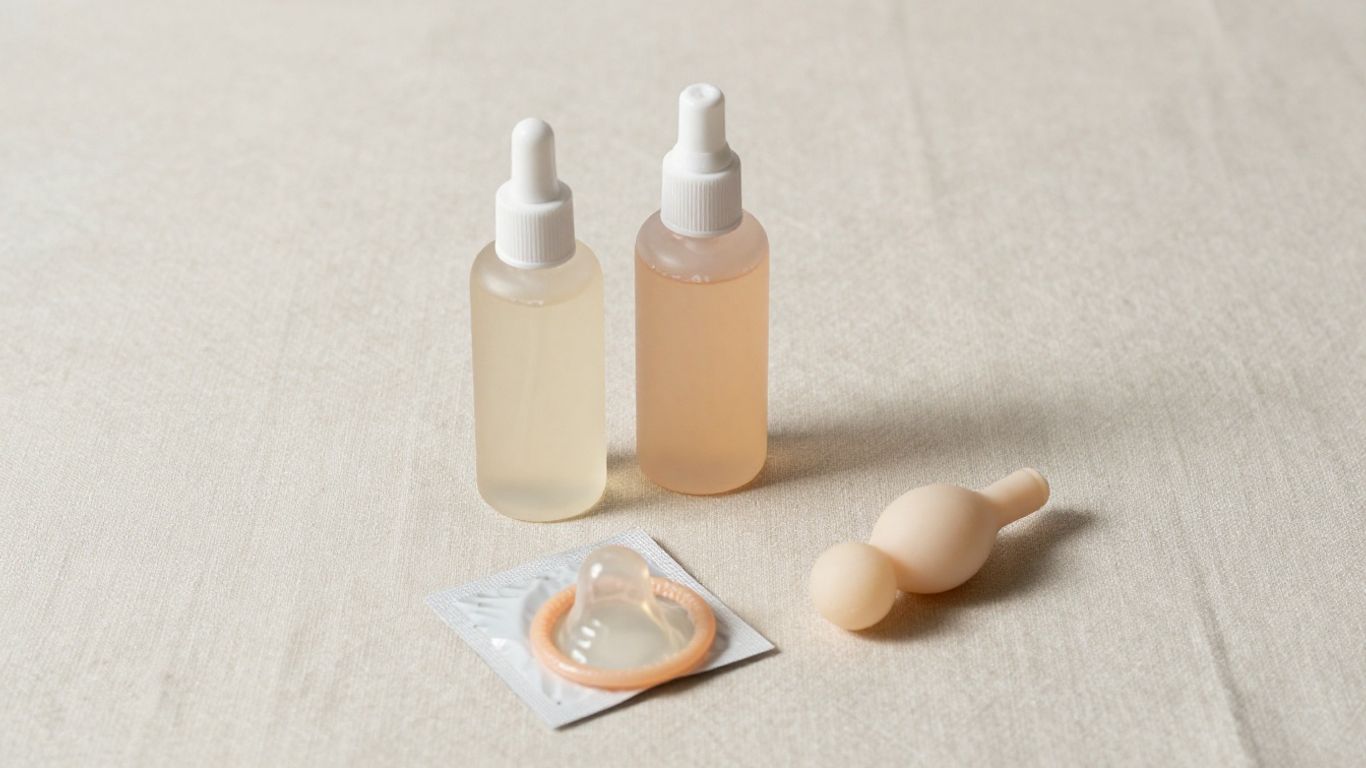
Compatibility is a practical safety check, not a minor detail. Lubricant can interact with latex, polyurethane, polyisoprene, or toy materials in different ways. Before use, check the lubricant label, the condom instructions, and the toy manufacturer’s guidance.
Water-based lubricant and latex condoms
Water-based lubricant is generally a straightforward pairing with latex condoms, provided the package does not state otherwise. It can also be used with many toy materials and usually cleans up with water. If it dries during use, adding more is preferable to continuing with uncomfortable friction.
The label remains the final authority because formulations differ. A condom and toy compatibility guide can clarify the basic categories, but it cannot replace the instructions on the specific products in your hands.
Silicone lubricant and silicone toys
Silicone lubricant may be useful when lasting glide matters, but silicone-on-silicone compatibility is not universal. Some manufacturers recommend a spot test on the toy first; others provide a clear list of approved or unsuitable lubricants. If the surface becomes tacky, cloudy, or damaged, discontinue use of that combination.
When in doubt, choose a water-based lubricant for a silicone toy or contact the toy manufacturer. Cleaning the toy according to its own care instructions also helps preserve its surface.
Oil-based products and condom damage
Oil-based products can weaken latex and increase the chance that a latex condom will fail. This includes products that may seem mild or familiar, such as oils and oil-rich household preparations. If latex protection is part of your plan, select a lubricant labeled for that use instead.
This is a case where convenience should not outweigh material science. Use a compatible product from the beginning rather than trying to correct a mismatch afterward.
Reading package compatibility instructions
Look for direct statements about condom materials, toy materials, intended body areas, and whether the product is for external or internal use. Instructions may also explain whether the formula stains, requires rinsing, or should be kept away from heat. Compatibility comes before convenience when you are choosing between two otherwise appealing products.
If the packaging is vague, damaged, or missing its instructions, select another sealed item. A clear label is part of a quality shopping experience.
Compare CVS shopping options and product details
Shopping in a CVS store can be discreet and quick, while online browsing makes it easier to compare sizes, ingredients, and customer-facing product details. Either route works if you slow down long enough to verify the essentials. The goal is not simply to find a bottle, but to find one that fits your intended use.
Finding lubricant in a CVS store
In a store, personal lubricant may be located near sexual wellness products, condoms, or other intimate essentials. Store layouts and inventory vary, so availability may differ from one location to another. Inspect the seal, label, size, and compatibility information before placing an item in your basket.
A guide to shopping for personal lubricant can help you prepare before visiting a store, even when the retailer in that guide is different. The same checklist—base, ingredients, intended use, and package condition—remains useful.
Ordering personal lubricant through CVS online
Online shopping can make comparison easier because product pages may show ingredients, size, directions, and availability in one place. Check whether the item is available for pickup, shipping, or neither in your area, and review the product details rather than relying only on a thumbnail or title.
Clear product information matters across categories: shoppers may compare Design Concepts, Vita Coco, or a Kruidvat offer online, but for lubricant the decisive details are still the formula and compatibility. Even a Namib travel plan benefits from checking practical details before purchase; intimate essentials are no different.
Comparing size, price, and cost per ounce
A larger bottle may offer a lower cost per ounce, but only if you will use it before its expiration date and can store it hygienically. A smaller bottle can be sensible for travel or for testing a new formula. Compare the net amount, not just the shelf price.
Also consider the dispenser. A pump, flip cap, or squeeze tube can affect how much product is released and how cleanly the bottle can be handled.
Checking expiration dates and package condition
Before buying, check the expiration date, seal, cap, and bottle for leaks or swelling. Do not purchase a product with a damaged package or an unreadable label. Online orders should receive the same inspection when they arrive.
The web also contains broad product roundups, such as these personal lubricant reviews, but a review cannot confirm the condition or date of the bottle you receive. Use outside information for ideas, then verify the actual package.
Use and store personal lubricant safely
Good use habits make a difference after the shopping decision is over. Start with a modest amount, add more when needed, and follow the product’s directions for body area and cleanup. Store the bottle in a cool, dry place where the cap will stay clean.
Applying the right amount and reapplying when needed
Apply lubricant to the relevant skin or barrier before friction becomes uncomfortable. There is no universal correct amount, so begin with a little and add more as needed. Water-based formulas may require more frequent reapplication than silicone-based formulas.
Keep the dispenser from touching skin or other surfaces unnecessarily. Closing the cap promptly helps limit contamination and keeps the formula ready for next time.
Testing a new product on sensitive skin
A small patch test can reveal whether a product causes immediate irritation, although it cannot predict every internal reaction. Apply a small amount to an inconspicuous area of external skin and wait according to the product’s directions. Do not patch test on broken, irritated, or mucous membrane tissue.
If you have a history of allergies or recurrent symptoms, ask a healthcare professional for individualized advice. “Natural” and “hypoallergenic” are useful label terms, not guarantees.
Cleaning residue after use
Water-based residue usually rinses away readily, while silicone and oil-based products may need more attention on fabric, skin, or toys. Follow the toy manufacturer’s cleaning directions and wash the external skin gently, without harsh scrubbing. Avoid introducing household cleaners or fragranced washes to delicate areas.
A clean, dry cap and bottle reduce mess between uses. If the product changes color, smell, or texture, discard it even if the printed date has not passed.
When to stop using a lubricant and seek medical advice
Stop using a lubricant if you notice burning, swelling, rash, itching, unusual discharge, pain, or bleeding. Rinse external areas with clean water if appropriate, and avoid applying more products while the irritation settles. Seek medical advice for severe, persistent, or recurring symptoms.
A clinician can help distinguish irritation, allergy, infection, or another cause. Lubricant is meant to support comfortable intimacy, not to mask symptoms that need attention.
Conclusion
The safest personal lubricant CVS choice is the one that matches your intended use, body, barriers, toys, and ingredient preferences. Compare the base and label carefully, start with a simple formula when uncertain, and treat comfort and compatibility as non-negotiable parts of the decision.
Frequently Asked Questions
Is water-based lubricant a good everyday option?
Often, yes. It is versatile, generally easy to clean, and commonly compatible with many condoms and toys, but always check the specific package instructions.
Is silicone lubricant better than water-based lubricant?
Neither is universally better. Silicone may last longer, while water-based lubricant is usually easier to rinse away and may be more broadly toy-friendly.
Can oil-based lubricant be used with latex condoms?
No. Oil can weaken latex and increase the risk of condom breakage. Choose a lubricant specifically labeled compatible with the barrier material.
What lubricant is best for sensitive skin?
A simple, fragrance-free and unflavored formula may be a reasonable starting point. Review the complete ingredient list and stop using it if irritation develops.
Should lubricant contain glycerin?
That depends on your individual sensitivity and health history. People prone to recurrent yeast infections may prefer to avoid glycerin, but recurring symptoms should be discussed with a healthcare professional.
How should personal lubricant be stored?
Keep it capped in a cool, dry place away from direct heat and sunlight. Check the expiration date and discard any product whose appearance, smell, or texture has changed.
When should I seek medical advice after using lubricant?
Seek advice for severe or persistent burning, itching, swelling, pain, bleeding, unusual discharge, or repeated reactions. These symptoms may have causes that lubricant cannot address.





































































