

Posted by Mike
on August 29, 2026

Key Takeaways
A sperm-conscious lubricant can make intimacy more comfortable without adding an avoidable obstacle while you are trying to conceive.
- Choose a formula specifically described as sperm-friendly or fertility-friendly.
- Compare pH, osmolality, viscosity, ingredients, and testing information.
- Use the smallest amount that provides comfortable moisture.
- Do not treat fertility lubricant as an infertility treatment.
- Seek medical advice for persistent pain, dryness, or difficulty conceiving.
Understand how personal lubricant can affect conception
When intercourse happens frequently around ovulation, dryness can become an unexpected source of discomfort. The right personal lubricant for conceiving may support comfort, but the formula matters because sperm encounter the lubricant before they encounter cervical fluid. A thoughtful choice is one part of conception-friendly sexual care, not a guarantee of pregnancy.
Why some lubricants may hinder sperm movement
Some conventional lubricants have been found in laboratory testing to reduce sperm movement or survival. That does not mean every standard product will prevent conception, and laboratory results do not always predict real-world fertility. Still, when a lubricant is needed, choosing one tested with sperm is a sensible way to avoid a potentially unfavorable environment.
The aim is not to make sperm move faster than they naturally would. It is to avoid a product whose acidity, concentration, or additives may interfere with movement as sperm travel through the reproductive tract.
How vaginal pH and consistency matter
The vagina is not chemically identical throughout the menstrual cycle. Around the fertile window, cervical mucus becomes more fluid and sperm-supportive, while a lubricant that is unusually acidic, highly concentrated, or thick may be less compatible with that environment. Osmolality also matters because very concentrated formulas can draw water from cells in laboratory conditions.
pH and texture should be considered together. A product that feels silky on the skin may still not be designed for sperm exposure, so sensory comfort alone is not enough to establish suitability.
What “fertility-friendly” actually means
“Fertility-friendly” is a product-positioning and testing claim, not a promise that a person will conceive more quickly. Look for clear language about compatibility with sperm and, where provided, information about testing for sperm motility or viability. The conception lubricant guide offers a useful overview of pH, osmolality, ingredients, and application questions to bring to your label comparison.
A fertility-friendly formula is generally intended to lubricate without damaging sperm under the conditions described by its manufacturer or regulator. Read the package carefully, because terms such as “natural,” “gentle,” or “neutral” do not automatically mean sperm-compatible.
Know which lubricant ingredients to look for
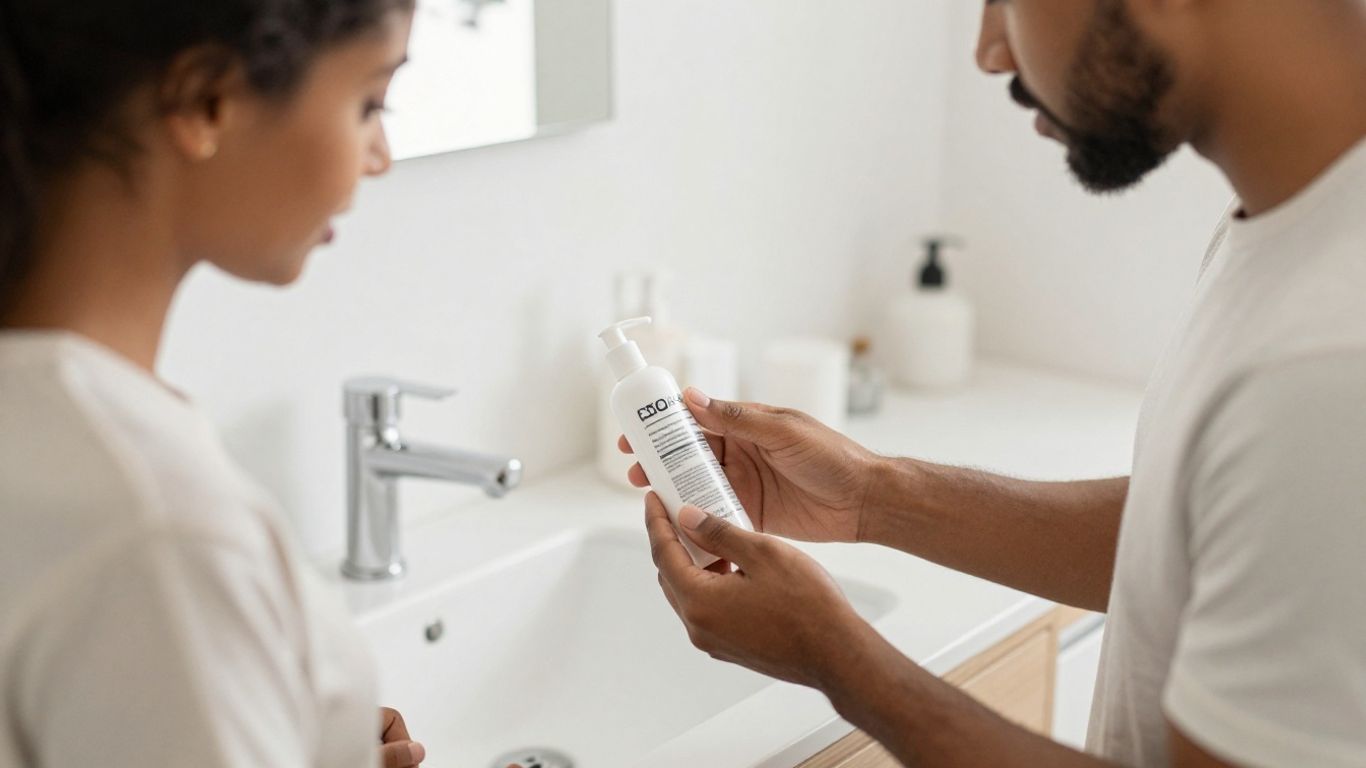
Ingredient lists can feel technical, particularly when a product is being evaluated for both comfort and conception. Water-based formulas are often easy to spread and clean, but their suitability depends on the complete formulation rather than the first ingredient alone. It is worth looking beyond attractive packaging and checking the product’s testing language.
Sperm-compatible formulas and testing claims
Look for a formula that explicitly addresses sperm compatibility, fertility use, or testing related to sperm movement and survival. Some fertility lubricants are designed with pH and osmolality closer to reproductive fluids, but the exact claim varies by product. A clear label is preferable to a vague assurance that the product is simply “body-safe.”
For example, testing information deserves careful attention when two products feel similar but make different fertility claims. If the label does not explain the basis for its claim, contact the manufacturer or ask a clinician rather than guessing.
Ingredients that may be less suitable when trying to conceive
Certain formulas contain ingredients or concentrations that may be less suitable for sperm exposure, including some high-osmolality systems, fragrances, warming agents, and additives that can irritate sensitive tissue. Glycerin and parabens are also ingredients some people prefer to avoid, although an ingredient’s presence alone does not establish how a particular person or sperm sample will respond.
A shorter ingredient list is not automatically safer, and “organic” is not a substitute for fertility-specific testing. The practical question is whether the finished product has evidence and labeling relevant to conception, as well as ingredients your body tolerates.
Water-based, hydroxyethylcellulose, and other formulation differences
Water-based lubricants vary in thickness, humectants, preservatives, and polymers. Hydroxyethylcellulose is one thickening ingredient used in some water-based formulations, but seeing it on a label does not by itself prove sperm compatibility. Silicone- and oil-based products have different feel, cleanup, and condom considerations, so they should not be judged by the base alone.
People who value plant-derived comfort may also compare scent, flavor, and additive choices. Natural lubricant ingredients can be a helpful starting point for understanding “natural” claims, but a conception-focused decision still requires checking fertility-specific testing and pH information.
Choose the right personal lubricant for conceiving
Choosing a lubricant is partly a science question and partly a comfort question. A formula that supports sperm safety but causes stinging or dries quickly is not a good personal fit. Consider how you plan to use it, whether you need internal moisture, and whether the product is compatible with any barrier method or toy involved.
How to compare fertility lubricant labels
Start with the front of the package, then verify the details on the ingredients panel and manufacturer instructions. Search for explicit fertility or sperm-friendly language, pH information, testing claims, directions, and warnings. Claims about “natural” ingredients should sit alongside—not replace—evidence about the finished formula.
This personal lubricant buying guide explains why base, viscosity, pH, sensitivity, and compatibility all belong in the same comparison. A simple note on your phone can help you compare products without relying on memory in the store.
Lubricant applicators versus external application
Some fertility lubricants provide applicators for internal use, while others are intended for external application or either approach. An applicator may be useful for someone who needs additional internal moisture, but it should be used exactly as directed and handled hygienically. External application can be sufficient when the main goal is reducing friction at the vulva or during penetration.
There is no universal need to place lubricant near the cervix. Follow the product instructions, and avoid introducing more product than necessary simply because an applicator is available.
Balancing comfort, moisture, and sperm safety
The best choice is one that feels comfortable, does not irritate your tissue, and has conception-relevant claims you can understand. Texture matters: a very thin product may require reapplication, whereas a thicker one may feel excessive. Your own response is useful information, but it should be considered alongside the label rather than used as the only safety test.
A product such as ArouselLube Intensifying Gel is described in its product information as a pH-balanced, glycerin-free option with fertility-friendly use, latex compatibility, and patch-testing guidance. Those are specific claims to verify on the current packaging before use; they are not evidence that any lubricant increases pregnancy rates.
Use fertility-friendly lubricant during the fertile window
Timing can make lubricant decisions feel more urgent, but comfort remains worthwhile throughout the cycle. Ovulation prediction is imperfect, and fertile days can vary from month to month. Use a sperm-compatible product whenever lubrication is needed rather than trying to endure painful or uncomfortable sex for the sake of a calendar.

Identifying ovulation and the most fertile days
The fertile window includes the days leading up to ovulation and the day of ovulation itself. Cervical mucus observations, ovulation predictor tests, cycle tracking, and advice from a clinician can help estimate timing, though no method is infallible. Intercourse does not need to become a performance test, and a lubricant can help protect comfort when sex is scheduled more often.
You can also watch for a pattern rather than one isolated sign. Changes in mucus, a positive ovulation test, and your usual cycle length may provide a more useful combined picture than any single clue.
How much lubricant to use
Use enough to reduce friction, but begin with a small amount and add more if needed. Excess product can feel messy and may make the experience less comfortable without offering extra conception benefit. If the instructions specify a measured amount or applicator use, follow those directions rather than improvising.
A practical sequence keeps application simple:
- Wash your hands before handling the container or applicator.
- Start with a small amount on the external area or as directed.
- Add a little more only if friction or dryness returns.
- Close the container promptly and store it according to the label.
This approach preserves comfort while limiting unnecessary exposure to any formulation.
When to apply lubricant during sex
Apply lubricant before friction becomes uncomfortable. Depending on the product directions, that may mean external application before penetration, internal application shortly beforehand, or reapplication during sex. There is no benefit in waiting until discomfort has already interrupted intimacy.
If you are using condoms, confirm compatibility even when trying to conceive; condoms may still be relevant for STI prevention or specific sexual-health circumstances. Never assume that a fertility claim also covers every barrier material or accessory.
Avoid common mistakes when trying to conceive
Trying to conceive can encourage experimentation, especially when dryness appears suddenly or intercourse feels scheduled. Some improvised solutions create irritation or have not been tested for sperm exposure. A calm, repeatable routine is usually safer than adding household products or applying a large quantity of lubricant.
Substituting saliva, household products, or regular lubricants
Saliva is not a dependable replacement for a fertility-tested lubricant, and household oils or creams may irritate tissue, disrupt condoms, or create cleanup problems. Regular lubricants may be comfortable but lack conception-specific testing. Products intended for another body area or purpose should not be assumed to be appropriate for vaginal use.
Even familiar products deserve scrutiny. Guidance on why baby oil is unsuitable explains concerns involving irritation, cleanup, and latex condoms—useful reminders that convenience does not equal compatibility.
Using too much product
More lubricant does not necessarily mean more comfort. A large amount can change texture, require frequent cleanup, and make it harder to tell whether dryness is caused by the product, the timing, medication, or an underlying condition. Begin with a modest amount and reapply only when your body indicates that you need it.
If a product repeatedly feels sticky, burns, or disappears quickly, changing the amount may not solve the problem. A different formulation or medical evaluation may be more appropriate.
Assuming fertility lubricant improves fertility
Fertility-friendly lubricant is designed to avoid hindering sperm under its stated testing conditions; it is not an ovulation medicine, sperm treatment, or infertility cure. Pregnancy rates should not be inferred from a product’s marketing language. Research on lubricant use and natural fertility remains distinct from laboratory testing, as discussed in this study of lubricant use.
Use the product to support comfortable intercourse, then keep the rest of conception care grounded in cycle timing, general health, and appropriate medical advice.
Consider comfort, sexual health, and personal needs
Conception-focused choices still need to respect the whole person. Dryness can reflect stress, medication, hormonal changes, breastfeeding, or a condition that deserves attention. A lubricant should make intimacy easier, not pressure someone to continue through pain.
Managing vaginal dryness and painful sex
Pause if sex hurts, and consider whether more time for arousal, a different position, or a smaller amount of friction would help. A lubricant can reduce surface friction, but it cannot diagnose or resolve causes such as infection, pelvic-floor tension, hormonal changes, or vulvar conditions. Persistent pain is a reason to speak with a healthcare professional.
Comfort is part of sexual health rather than an optional extra. A body-safe, pH-balanced formula may help some people, while others need a broader treatment plan.
Checking for irritation or allergic reactions
Read the full ingredient list and stop using a product if you notice burning, swelling, itching, rash, unusual discharge, or worsening discomfort. Rinse gently with water if needed, and seek care promptly for severe symptoms. Patch testing on external skin may identify some reactions, but it cannot guarantee that internal tissue will tolerate the product.
Those with sensitive skin may benefit from the body-safe lubricant guide, which discusses irritants, patch testing, bases, and cleanup. Avoid fragrances and warming or tingling additives if they have caused problems for you before.
Accounting for condoms, medications, and fertility treatments
Oil-based products can weaken latex, while some medications used during fertility care may contribute to dryness. If you are using condoms, a diaphragm, fertility medication, or assisted-reproduction treatment, check compatibility and instructions with a clinician or pharmacist. Do not insert a product into the vagina during treatment unless your care team says it is appropriate.
Arousellube’s product information describes ArouselLube Intensifying Gel as compatible with latex and as offering fertility-friendly options, but product labels and treatment instructions should take priority. When treatment involves timed procedures, ask whether lubricant use should be avoided before a sample collection, insemination, or transfer.
Know when to seek medical guidance
Most lubricant decisions can be handled by reading the label and paying attention to comfort. Some situations call for more individualized advice, especially when pain, dryness, recurrent irritation, or fertility treatment is involved. A clinician can separate a lubricant issue from a reproductive or sexual-health concern.
Discussing lubricant use with a fertility specialist
Bring the product name, ingredient list, and any fertility claim to your appointment. A specialist can explain whether the formula fits your treatment plan and whether timing or internal application should be modified. This is particularly useful when a clinic has given specific instructions about intercourse, cervical mucus, or procedures.
Do not feel embarrassed about asking. Lubrication is a routine part of many people’s sexual-health care, and clear information helps your clinician give practical guidance.
When vaginal dryness or pain needs evaluation
Make an appointment if dryness continues despite lubrication, pain is recurrent, bleeding occurs, or symptoms such as odor, itching, sores, or unusual discharge appear. Pain can reduce intimacy and may signal an infection, hormonal issue, pelvic-floor problem, dermatologic condition, or another treatable cause.
Urgent care is appropriate for severe pelvic pain, heavy bleeding, fever, or signs of a serious allergic reaction. A lubricant should never be used to mask symptoms that are getting worse.
Recommended timelines for an infertility assessment
General guidance commonly recommends an evaluation after 12 months of regular unprotected intercourse when the person trying to become pregnant is under 35, and after six months when they are 35 or older. Seek advice sooner for irregular or absent periods, known reproductive conditions, repeated pregnancy loss, or concerns about sperm health. A clinician may recommend an earlier assessment based on individual history.
During an evaluation, mention lubricant use, pain, dryness, medications, and cycle timing. If you are already working with a fertility clinic, follow its schedule rather than waiting for a general milestone.
Conclusion
A personal lubricant for conceiving should be chosen with the same care as any intimate essential: review fertility-specific testing, pH and formulation details, ingredient tolerability, and compatibility with your needs. Use a small amount for comfort, stop if irritation occurs, and ask for medical guidance when dryness, pain, treatment, or delayed conception needs a closer look.
Frequently Asked Questions
Can personal lubricant affect the chances of conception?
Some conventional lubricants may reduce sperm movement or survival in laboratory testing, while fertility-friendly formulas are designed to be more compatible with sperm. This does not mean lubricant determines whether pregnancy occurs.
What makes a lubricant fertility-friendly?
A fertility-friendly lubricant generally has product information addressing sperm compatibility and may include testing related to sperm movement or viability. Check the current label rather than relying only on terms such as natural or gentle.
Is water-based lubricant best when trying to conceive?
Water-based products can be convenient and easy to clean, but the base alone does not establish sperm safety. Look for conception-specific claims, pH and osmolality information, and ingredients your body tolerates.
How much lubricant should be used during fertile days?
Start with a small amount and add more only if needed for comfort. Follow the product’s directions, especially if it includes an applicator or specifies internal use.
Can saliva be used instead of lubricant?
Saliva is not a reliable substitute for a lubricant tested for sperm compatibility. It may also dry quickly and does not address the formulation concerns relevant to conception.
Should lubricant be avoided during fertility treatment?
Ask your fertility team. Some treatments and procedures have specific instructions about intercourse, vaginal products, or timing, so individualized guidance is safer than making assumptions.
When should someone seek help for difficulty conceiving?
A common guideline is to seek an evaluation after 12 months if under 35 or after six months at age 35 or older, with earlier advice for irregular cycles, known conditions, recurrent loss, or other concerns.
Additional preconception planning may include prenatal chiropractic care, while unrelated household planning should remain separate from reproductive decisions, such as arranging appliance repair services, scheduling a termite inspection, or pricing a long-distance move.
Visit Our store here: https://www.arousellube.com/
For more Blogs Click here: https://www.arousellube.com/blogs/news
For arousellube shop Click here: https://www.arousellube.com/collections/shop-all-arouselube
For affiliate Click here: https://www.arousellube.com/pages/affiliate-programs





































































