

Posted by Mike
on September 07, 2026

Key Takeaways
Choosing a personal lubricant in Bangladesh becomes easier when you compare the base, ingredients, condom compatibility, and buying conditions rather than relying on packaging alone.
- Water-based formulas are versatile and usually easy to clean.
- Silicone-based options may provide longer-lasting glide.
- Oil-based products can damage latex condoms.
- Check ingredients, expiry dates, seals, and storage conditions.
- Stop using a lubricant if it causes burning, swelling, or persistent irritation.
Understanding personal lubricant options in Bangladesh
Personal lubricants can reduce friction and make intimate activity more comfortable. The right choice depends on your preferred texture, how long you want the glide to last, whether you use condoms, and how your skin responds to ingredients. If you are comparing personal lubricant in Bangladesh, start by identifying the formula rather than choosing only by price.
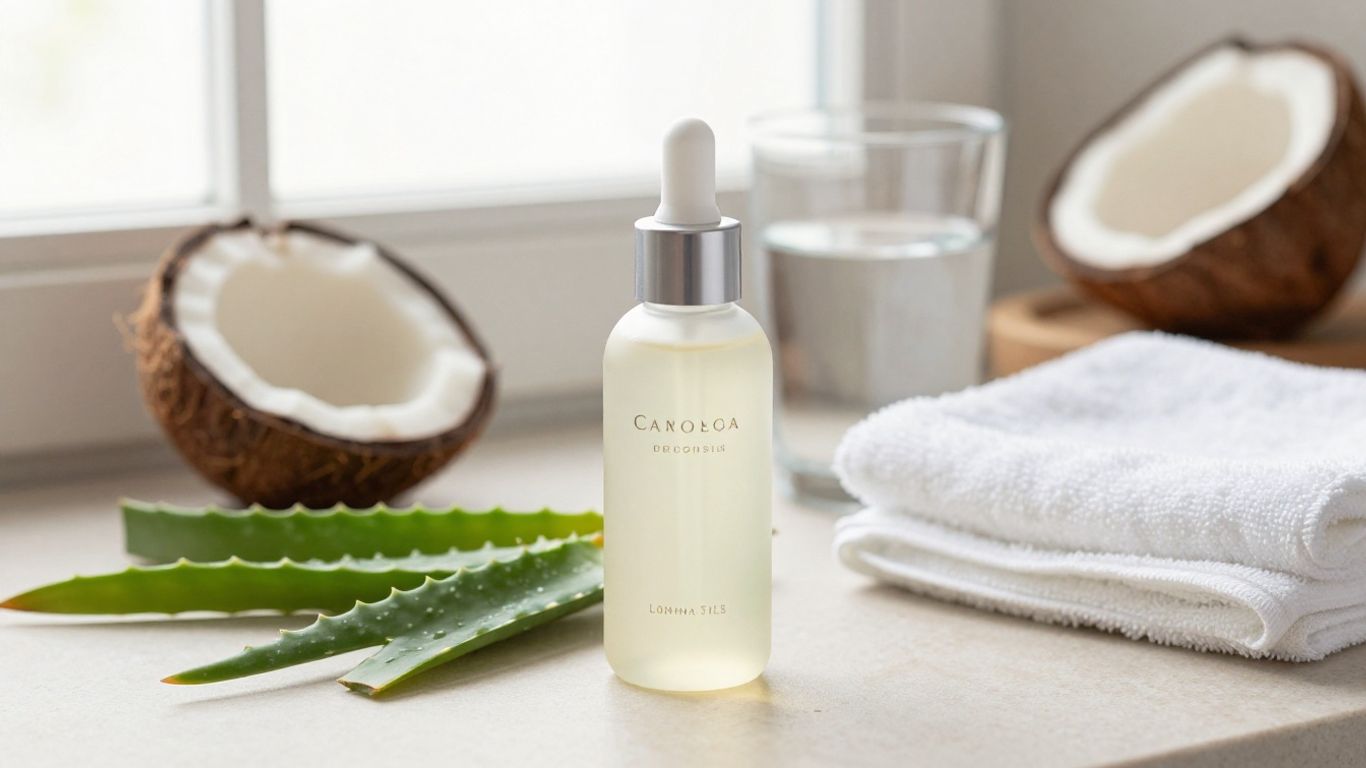
A water-based, edible option from Arousellube may suit people looking for plant-derived comfort and a formula made with natural ingredients. Still, every product should be assessed by its own label, ingredient list, and safety directions.
Water-based lubricants for everyday use
Water-based lubricants are often a practical starting point because they feel light, rinse away relatively easily, and are generally compatible with latex condoms when the label confirms it. They can work for many kinds of intimate activity, although they may need reapplication if they dry during use. Fragrance-free and clearly labelled formulas are often preferable for people who are prone to sensitivity.
A good buying reference is this personal lubricant buying guide, which covers bases, sensitive-skin considerations, sellers, packaging, and application. Use such guidance to frame your questions, then confirm the details on the product you are actually buying.
Silicone-based lubricants for longer-lasting comfort
Silicone-based lubricants usually offer a smoother glide that lasts longer than many water-based formulas. They can be useful when frequent reapplication is inconvenient, but they may feel richer and can require more thorough cleaning. Check the label for condom compatibility and any warnings about use with silicone accessories.
The word “long-lasting” should not be treated as a promise that one formula will suit everyone. Texture, amount, activity, and individual skin response all affect comfort, so a smaller trial size can be sensible.
Oil-based lubricants and their limitations
Oil-based lubricants can provide a lasting, rich glide and may also be used for some massage purposes. Their central limitation is barrier compatibility: many oils weaken latex, which can increase the chance of condom breakage. They can also leave residue and may be harder to wash away from fabric or skin.
For a more detailed look at ingredient transparency, patch testing, cleanup, and condom safety, see this oil lubricant guide. The same basic rule applies here: read the product directions before use, especially when a condom or toy is involved.
Lubricant gels, intimate moisturizers, and massage products
A lubricant gel is intended to reduce friction during intimate activity, while an intimate moisturizer may be designed for longer-term dryness concerns rather than immediate glide. Massage products may contain oils, fragrances, or warming ingredients that are not appropriate for internal use. Do not assume that a product marketed for massage is automatically suitable for vaginal or anal use.
When browsing, separate products by their intended use and follow the manufacturer’s directions. A specialist overview of lubricant gels can help distinguish general gel categories, but it should not replace the label or professional advice for a persistent symptom.
How to choose the right personal lubricant
The best lubricant is one that feels comfortable, matches the activity, and works safely with any barrier or accessory you use. Ingredient lists matter as much as the headline claims on the front of a package. Arousellube describes its water-based, edible lubricants as being made with natural ingredients, but “natural” still does not mean that every person will tolerate every ingredient.
Take time to consider sensitivity, texture, duration, and cleanup before ordering. A little comparison can prevent discomfort and avoid wasting money on a bottle that does not suit your routine.
Ingredients to look for and avoid
Look for a complete ingredient list, clear directions, and information about intended use. Some people choose to avoid fragrance, flavouring, warming agents, or other additives when they have reactive skin. Glycerin, preservatives, and plant extracts are not automatically harmful, but they may matter if you have experienced irritation before.
A transparent ingredient list gives you something practical to compare across products. If the packaging is vague, heavily damaged, or missing basic directions, choose another seller or ask a pharmacist for guidance.
Selecting a lubricant for sensitive skin
Sensitive skin benefits from a slower, simpler selection process. Choose a product with clear ingredient disclosure and consider a fragrance-free formula if scents have caused problems in the past. A patch test on a small area of external skin can provide an early warning, although it cannot guarantee that internal use will be comfortable.
A product described as pH-balanced or third-party tested may offer useful quality information, but those phrases should be supported by specific packaging details. Pay attention to your own response rather than assuming a premium label guarantees perfect tolerance.
Choosing a formula for vaginal, anal, or external use
The intended body area changes the practical requirements. For vaginal use, comfort and ingredient tolerance are central; for anal use, adequate lubrication and gradual reapplication are particularly important because the area does not self-lubricate in the same way. External use may include massage or skin contact, but products should still be kept away from eyes, open wounds, and areas where the label says not to apply them.
If dryness is persistent, painful, or unrelated to friction, lubricant alone may not address the cause. Keep the product’s intended-use statement beside your decision rather than treating all gels as interchangeable.
Matching lubricant texture, duration, and personal preference
Some people prefer a light, silky gel, while others want a thicker texture that stays in place. A larger bottle may offer better value for regular use, but a smaller pack can be more practical for travel or for testing tolerance. Think about cleanup, reapplication, and whether the product is compatible with condoms and accessories.
The choice is personal, but it should still be informed. Compare the following characteristics before buying:
- Base type and intended use.
- Texture and expected staying power.
- Ingredient transparency and potential irritants.
- Condom or accessory compatibility.
This kind of short comparison keeps preference in the picture without letting attractive packaging override safety information.
Personal lubricant and condom compatibility
Lubricant and condom compatibility is a safety question, not simply a matter of feel. The condom material, lubricant base, and product directions all need to be considered together. Even a comfortable lubricant can be a poor choice if it affects the barrier.
When in doubt, use the condom manufacturer’s guidance and select a lubricant that explicitly states compatibility. Do not rely only on a friend’s experience or a generic claim that the product is “gentle.”
Which lubricants work with latex condoms
Water-based lubricants are commonly used with latex condoms, provided the lubricant label confirms compatibility. Many silicone-based lubricants are also compatible with latex, but the specific product directions remain decisive. Apply enough to reduce friction, and add more if the product dries during use.
Do not use a lubricant labelled only for massage or skin moisturising with a latex condom unless its directions clearly address that purpose. A product’s intended use matters as much as its base.
Why oil-based products can damage latex
Oils and oil-containing products can weaken latex, making the condom more likely to break. This includes some household oils, petroleum-based products, and oil-rich massage preparations. The risk is easy to overlook because an oil may feel smooth and long-lasting.
If latex protection is part of your plan, choose a compatible water-based or silicone-based product instead. When the formula is unclear, avoid using it with latex until you have reliable confirmation.
Lubricant choices for polyurethane and polyisoprene condoms
Polyurethane and polyisoprene condoms are different materials from latex, so compatibility cannot be assumed from the condom’s shape or appearance. Some lubricants may be suitable for one material but not another. Read both the condom package and lubricant label, and follow the more specific safety instruction.
This is also a reason to keep the original packaging rather than transferring lubricant into an unlabelled container. Material information can be essential later.
Checking the product label before use
Before opening a new product, check the base, intended use, condom guidance, expiry date, and storage instructions. Look for a sealed package and readable manufacturer information. If an online listing and the physical label disagree, treat the physical label as the more relevant source and ask the seller or pharmacist for clarification.
A quick label check is especially useful when ordering discreetly online, where product photos may be incomplete or outdated.
Where to buy personal lubricant in Bangladesh
Personal lubricants may be available through pharmacies, health retailers, online marketplaces, and specialist stores. The safest choice is not always the cheapest listing; seller reliability, packaging condition, delivery privacy, and product authenticity also matter. Arousellube’s positioning around body-safe ingredients and quality-focused formulation is relevant to shoppers who want a natural, water-based, edible option, but buyers should still verify the exact product information at checkout.
Compare the seller as carefully as the lubricant. Look for a clear returns policy, product details, secure packaging, and a way to contact the business if the item arrives damaged.
Pharmacies and health product retailers
Pharmacies can be useful when you want to ask questions about ingredients, intended use, or irritation. A health product retailer may also provide more complete directions than a general marketplace listing. If privacy is a concern, ask about discreet packaging and whether the product is stored away from heat and direct sunlight.
Do not feel pressured to buy a product simply because it is displayed prominently. Take a moment to read the label and check that the seal is intact.
Online marketplaces and specialist stores
Online shopping can make intimate essentials easier to access, particularly when home delivery and discreet packaging are available. However, marketplace listings may vary by seller, and product images do not always show the expiry date or seal. Choose listings with detailed descriptions, seller information, and recent customer feedback that discusses the actual item.
You can also compare the personal lubricant sourcing guide for broader advice on packaging, formula selection, storage, and the real cost of buying in larger quantities. For general health purchases, guidance on licensed medication delivery offers a useful reminder to verify providers and avoid counterfeit products, even though medicines and lubricants are different categories.
Comparing prices, sizes, and product authenticity
Price per bottle is only one part of value. Consider the amount, delivery fee, minimum order, expected usage, and whether the seller provides a sealed, authentic product. A low price may be less attractive if the product is close to expiry or arrives without a clear batch or manufacturer detail.
When comparing listings, keep a simple record of the following information:
| Check | Why it matters | What to look for |
|---|---|---|
| Product size | Shows the real unit cost | Millilitres or packets stated clearly |
| Formula | Helps match the product to your needs | Water, silicone, oil, or hybrid base |
| Seller details | Supports accountability | Business name, contact, and reviews |
| Packaging | Helps identify mishandling or counterfeits | Seal, batch details, and readable label |
After comparing these points, a slightly higher price from a transparent seller may offer better value than an uncertain bargain. Keep the invoice or order confirmation until you have checked the item.
Reviewing packaging, expiry dates, and storage conditions
Reject a product with a broken seal, leaking container, unusual odour, or unreadable expiry date. Lubricants should generally be stored according to the label, away from excessive heat, freezing conditions, and direct sunlight. Do not leave a bottle in a hot vehicle or transfer it into a container that could contaminate the formula.
If you are uncertain about a purchase, do not use it simply because returning it feels inconvenient. Questions about other health purchases, such as post-operative care, also show why clear instructions and professional follow-up matter when a product or symptom raises concern.
How to use personal lubricant safely
Using lubricant safely is usually straightforward, but comfort improves when you begin with a modest amount and pay attention to how your body responds. Apply it to clean skin or the relevant barrier as directed, and avoid contact with eyes or open wounds. Arousellube’s water-based, edible products may appeal to people seeking a natural option, but the individual product label remains the final guide for application.
Lubricant reduces friction; it does not replace contraception, STI prevention, or treatment for an underlying medical condition. Use appropriate protection and seek care when symptoms persist.
Applying the right amount
Start with a small amount and spread it where friction is occurring. You can add more gradually rather than applying a large quantity at once. With condoms, follow the lubricant and condom directions, and avoid using a product that has not been confirmed as compatible with the barrier.
The right amount varies with texture, activity, and personal preference. If the product feels sticky, dries quickly, or causes discomfort, stop and reassess the formula rather than simply adding more.
Reapplying during intimacy
Water-based products may need reapplication as they dry, while silicone-based formulas may last longer. Pause when needed, communicate with your partner, and add a little more lubricant before friction becomes uncomfortable. Reapplication is normal and does not mean the product has failed.
If a condom becomes dry, damaged, or slips, replace it according to safe-sex guidance rather than trying to correct the problem with extra lubricant alone. A short educational video can also help visual learners review general application principles.
Performing a small skin sensitivity test
For a new formula, place a small amount on an external area of skin and wait according to the product directions. Do not test it on broken or irritated skin. A patch test can help identify an obvious reaction, but it is not a substitute for stopping use if discomfort develops during intimacy.
People with known allergies should review the full ingredient list and ask a healthcare professional when they are unsure about a component. Avoid experimenting with several new products at the same time, since that makes the cause of a reaction harder to identify.
Cleaning up and storing the product properly
Follow the label for cleanup, using water when the formula is water-based unless the manufacturer says otherwise. Wash hands after use, keep the container closed, and store it in a cool, dry place. Do not share an applicator or return unused product to the bottle.
Keeping the cap clean and checking the expiry date periodically helps preserve the product. Discard it if the texture, colour, smell, or packaging changes unexpectedly.
Common concerns about personal lubricant
Most lubricant questions come down to irritation, compatibility, or whether a product is being used for a symptom it was never designed to treat. A careful first choice and a small amount can reduce avoidable problems, but no formula suits every body. If you are unsure, pause rather than trying to push through pain.
For unrelated health reading, a guide to parasite cleanse binders, information on Pitt Meadows home buying, or advice on water-saving gardens belongs to a different decision than lubricant selection; none should be used as a substitute for intimate-health guidance.
Understanding irritation, burning, or allergic reactions
Mild unfamiliar sensations can still be a sign that a product does not suit you. Burning, itching, rash, swelling, hives, or worsening discomfort may indicate irritation or an allergic reaction. Fragrance, flavouring, preservatives, warming ingredients, or a particular plant extract can be relevant, even when the product is marketed as natural.
Rinse externally if appropriate, discontinue the product, and avoid applying additional products that could make the area harder to assess. Seek urgent help for serious swelling, breathing difficulty, or rapidly spreading symptoms.
Knowing when to stop using a product
Stop using a lubricant when discomfort begins, when irritation continues after washing, or when the product causes a reaction that feels unusual for you. Do not keep using it to see whether your body “gets used to it.” Save the packaging and ingredient list if you need to discuss the reaction with a pharmacist or clinician.
A different base may be better tolerated, but wait until symptoms have settled before trying another formula. Persistent symptoms deserve attention rather than repeated product testing.
Distinguishing lubricant from medical treatment
Lubricant can reduce friction, but it does not diagnose or cure infections, hormonal changes, skin conditions, or every cause of dryness. It is also not a contraceptive and does not protect against sexually transmitted infections. Persistent dryness, pain, unusual discharge, sores, or bleeding should not be managed with lubricant alone.
Treat the product as one intimate-care tool, not a general-purpose medicine. Clear labelling and realistic expectations protect both comfort and health.
When to consult a healthcare professional
Consult a healthcare professional when pain or dryness is persistent, when symptoms recur, or when you notice unusual discharge, sores, bleeding, swelling, or painful urination. Medical advice is also sensible if you are pregnant, have a known allergy, or take treatment that may affect your skin or mucous membranes.
Bring the product or a photograph of its ingredient list if possible. Specific information helps a clinician distinguish a product reaction from an underlying condition.
Conclusion
Choosing and using personal lubricant in Bangladesh does not have to be complicated: compare the base and ingredients, confirm condom compatibility, buy from a trustworthy seller, and respond promptly to irritation. A thoughtful product choice can support more comfortable intimacy, while persistent pain or dryness deserves professional care rather than repeated experimentation.
Frequently Asked Questions
Is water-based lubricant a good option for beginners?
Often, yes. Water-based lubricant is usually light, easy to clean, and versatile, but check the label for intended use and condom compatibility before using it.
Can oil-based lubricant be used with latex condoms?
Oil-based products can weaken latex, so they should not be used with latex condoms unless the condom manufacturer specifically confirms compatibility. Choose a suitable water-based or silicone-based alternative when needed.
How much lubricant should I use?
Start with a small amount and add more gradually as needed. The ideal quantity depends on the product’s texture, the activity, and how your body responds.
Can lubricant cause irritation?
Yes. Fragrance, flavouring, preservatives, warming ingredients, or individual sensitivity may cause burning, itching, rash, or swelling. Stop using a product if a reaction develops.
Does lubricant treat vaginal dryness or infection?
Lubricant can reduce friction temporarily, but it does not treat infections, hormonal causes, skin conditions, or every cause of dryness. Persistent symptoms should be assessed by a healthcare professional.
How should lubricant be stored?
Keep it sealed in a cool, dry place away from direct sunlight and excessive heat. Follow the product’s storage directions and discard it if the expiry date has passed or the formula changes unexpectedly.
Is lubricant a form of contraception?
No. Lubricant does not prevent pregnancy or sexually transmitted infections. Use appropriate contraception and barrier protection separately, while checking that the lubricant is compatible with the barrier.





































































