

Posted by Mike
on October 21, 2026

Key Takeaways
A useful review looks beyond star ratings to the formula, the way it feels, and how it fits your intended use. A little label-reading can prevent a lot of guesswork.
- Compare water-, silicone-, oil-, and hybrid-based formulas by glide, cleanup, and compatibility.
- Check the full ingredient list, especially if you have had irritation or sensitivity before.
- Treat claims such as “natural” or “clean” as prompts to inspect the ingredients, not as safety guarantees.
- Confirm condom and toy compatibility on the product label or with the manufacturer.
- Give more weight to detailed, recurring feedback than to a single enthusiastic or negative review.
What personal lubricant reviews should evaluate
The best personal lubricant reviews help you picture how a formula might work in real use, rather than simply ranking products. Look for details about texture, ingredients, cleanup, packaging, and the activity the reviewer had in mind. Personal preferences differ, so a strong review explains its context instead of treating one person’s experience as universal. That makes it easier to compare products on the qualities that matter to you.
Ingredients and potential irritants
A review is more useful when it discusses the ingredient list instead of relying on broad assurances. Fragrance, flavoring, warming ingredients, or other additives may not suit everyone, and even a simple formula can be a poor fit for a particular person. If you have a known sensitivity, compare the listed ingredients with products you already tolerate. A review can point you toward questions, but it cannot predict how your body will respond.
Texture, slipperiness, and staying power
“Silky” and “slick” are subjective descriptions, so notice what the reviewer means by them. One person may prefer a light, fluid texture that spreads quickly; another may want a thicker feel or fewer pauses to reapply. Reviews that describe how much was used and whether the glide changed over time offer more useful context than a string of adjectives. The intended activity can also shape how a texture feels in practice.
Ease of cleanup
Cleanup is a practical part of the experience, and it varies with the formula and the surfaces involved. Look for specific notes about rinsing from skin, washing from fabric, or whether residue remained; avoid assuming that one reviewer’s quick rinse will apply to every product or material. If cleanup matters to you, consider where you plan to use the lubricant and check the label for directions. Reviewers who explain what they cleaned and how make this comparison easier.
Packaging and value
A low shelf price does not always mean better value: container size, dispensing, and how much product a person uses all affect the cost per use. Reviews are most helpful when they describe practical details rather than simply calling a bottle “worth it.” When comparing options, consider a few points together:
- Whether the cap or pump is easy to use with clean hands.
- Whether the container size suits occasional or frequent use.
- How much product the reviewer needed for the use described.
These details put price in context without assuming that everyone uses the same amount. A cost-per-use comparison can also help frame value alongside formula, ingredients, and compatibility.
How the main lubricant formulas compare
Formula type is a useful starting point, not a complete verdict on how a product will feel. Water-, silicone-, oil-, and hybrid-based lubricants can differ in glide, cleanup, and suitability for condoms or toys, while ingredients and texture vary within each category. The quick comparison below describes common trade-offs, not guarantees about every product. For more detail, a guide to lubricant formula types can help you compare options against your intended use.
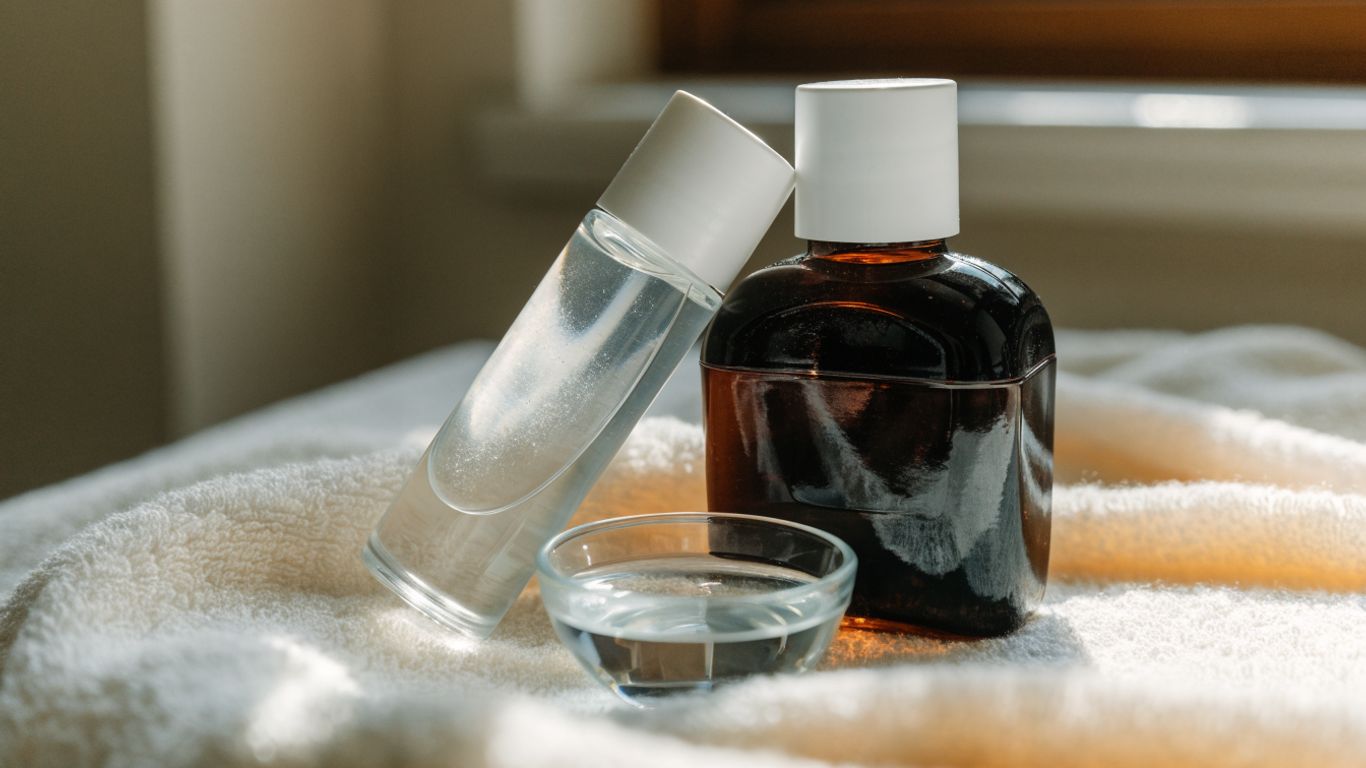
Water-based formulas for versatility
Water-based lubricants are often considered for their flexible use and straightforward cleanup, though their texture and staying power vary. Some may feel light and spread easily; others can feel thicker or need reapplication sooner. Check the label for condom and toy compatibility rather than relying on the base alone. This overview can help set expectations before you compare specific formulas:
| Formula type | Common consideration | What to check |
|---|---|---|
| Water-based | Often easy to rinse away; may need reapplication | Texture, ingredients, and label compatibility |
| Silicone-based | Often chosen for lasting glide | Toy material guidance and cleanup preferences |
| Oil-based | May leave more residue and has condom limitations | Condom material, ingredients, and label directions |
| Hybrid | Combines characteristics of different bases | The exact ingredients and stated compatibility |
Use the table as a shortlist, not a substitute for the product directions. A water-based formula can still contain ingredients you would rather avoid, and products in the same category may feel quite different.
Silicone-based formulas for lasting glide
Silicone-based formulas are often considered when lasting glide is a priority, but individual products can differ in feel and cleanup. Their interaction with silicone toys deserves particular attention: some combinations may not be recommended, so check the toy and lubricant instructions. A review that mentions the exact use and material is more relevant than a general claim that a product “lasts all night.”
Oil-based formulas and their limitations
Oil-based products can feel different from water-based options and may require more attention to cleanup. They can damage latex condoms, so do not pair an oil-based lubricant with a latex condom. Compatibility with other condom materials depends on the specific product, making label guidance essential. Reviews should identify both the formula and the condom type before making a compatibility claim.
Hybrid formulas that combine different bases
Hybrid formulas combine different base types, but the word “hybrid” alone does not tell you their exact ingredients or compatibility. Read the full label and look for the manufacturer’s specific directions for condoms and toys. User feedback can add details about texture or cleanup, but those impressions cannot replace product-specific guidance.
Which ingredients and product claims to consider
Ingredient labels can explain more than a front-of-package phrase, especially when you are comparing formulas for sensitive skin or a particular use. Reviews may flag ingredients worth checking, but they should not turn personal reactions into universal rules. Consider what you already know about your sensitivities, then verify the product’s own directions. Terms such as “natural” and “clean” need the same careful reading as any other marketing language.
Glycerin, flavorings, and fragrance
Some lubricants contain glycerin, flavorings, or fragrance, while others do not. If you have previously reacted to a particular ingredient, look for it in the complete ingredient list rather than relying on a reviewer’s short summary. Flavored or scented products may be designed for particular preferences, but that does not make them a good fit for everyone. Reviews are most useful when they say which product was used and describe the response without claiming that everyone will experience the same thing.
Warming, cooling, and tingling additives
Warming, cooling, and tingling products include additives intended to change sensation. That effect may be appealing to some and uncomfortable to others, so treat customer comments as individual experiences. If you are unsure how your skin will respond, follow the product directions and consider a small amount first. Stop using a product if it causes persistent discomfort, and seek professional advice when symptoms continue.
pH and osmolality for vaginal use
For vaginal use, pH and osmolality may be part of a more careful product comparison, alongside the ingredient list and your own experience. Packaging does not always provide every detail, so check product information or contact the manufacturer if you need clarification. For a broader explanation of pH and osmolality guidance, look for sources that explain their testing and context rather than treating a single number as a guarantee of comfort. If irritation or dryness persists, a clinician can help assess possible causes.
What “natural” and “clean” labels do—and don’t—mean
“Natural” and “clean” are broad descriptors, not a complete account of what a product contains or how it will feel. Arousellube offers water-based, edible personal lubricants made with natural ingredients; those descriptors identify the stated product category, but you should still check its complete ingredient list and directions. Likewise, plant-derived ingredients are not automatically free of irritation risk for every user. Read the specific claims alongside the actual formula, not in place of it.
How lubricant interacts with condoms and toys
Compatibility depends on the lubricant formula and the material of the condom or toy. A general review can help you identify questions, but the product label and manufacturer instructions are the more reliable place to confirm a particular pairing. If the product is silent or unclear, ask the manufacturer before use. That small check is more useful than assuming that every product in a formula category behaves alike.

Latex condom compatibility
Oil-based lubricants can damage latex condoms, so choose a product specifically labeled as compatible when using latex. Water- and silicone-based products are often options, but check the lubricant and condom packaging for product-specific directions. Reviews should name both the lubricant formula and the condom material; a claim of being “condom safe” without that context leaves an important question unanswered.
Polyisoprene and polyurethane condom compatibility
Non-latex condoms are not all made from the same material, and the rules for one material should not be assumed to apply to another. Check the condom’s instructions and the lubricant label for explicit compatibility guidance. If either manufacturer provides material-specific recommendations, use those rather than a broad claim in a customer review. When the directions do not answer your question, contact the manufacturer.
Silicone toys and silicone lubricant
Some silicone toys may be affected by silicone-based lubricants, while compatibility can depend on the specific toy and product. Check both manufacturers’ guidance before combining them. If directions permit a test, follow them carefully and inspect the toy for changes; do not rely on a reviewer’s experience with a different toy material. Water-based lubricant may be another option when the instructions recommend avoiding silicone lubricant.
When to check the product label or manufacturer guidance
Check the label whenever you are unsure about a condom material, toy material, or intended use. This is especially helpful when a product uses a hybrid formula or its marketing language does not identify the base clearly. Arousellube offers water-based, edible personal lubricants made with natural ingredients; for any product, including those, confirm the individual directions and compatibility information rather than assuming that category labels cover every use. Manufacturer guidance is the best next step when the packaging leaves a practical question open.
How to match a lubricant to your needs
Start with the situation you have in mind, then narrow the options by texture, ingredients, cleanup, and compatibility. There is no single formula that suits everyone, and one person’s favorite may not match your preferences or sensitivities. Reviews can help you form a shortlist, but your own comfort and the product directions should guide the final choice. If you are addressing a persistent symptom, consider whether the issue calls for more than a product change.
Everyday intimacy and shared use
For shared use, look for a formula that both people are comfortable trying and that fits any condoms or toys involved. Check whether either person has known sensitivities, and keep the full ingredient list available. Arousellube offers water-based, edible personal lubricants made with natural ingredients, which may be relevant if an edible product is specifically what you are seeking; check its label for directions and compatibility. Start with the product’s suggested amount and adjust only as its instructions allow.
Sensitive skin and fragrance-free options
If fragrance or particular additives have bothered you before, a fragrance-free product may be worth considering, but still read the complete ingredient list. “Sensitive skin” wording does not ensure that every ingredient will suit every person. Reviews can be useful when they identify a specific ingredient and describe a reaction, though an individual account is not a diagnosis. If irritation occurs, stop using the product and seek medical advice if it persists or is severe.
Longer-lasting glide and reapplication
If you would rather pause less often to reapply, compare formulas and reviews that describe staying power under similar conditions. The amount used, activity, and personal preference can all affect how long a lubricant feels slippery. Follow the label if you reapply, and check whether the formula is compatible with your condoms or toys before use. What feels long-lasting to one reviewer may not meet another person’s needs.
Specific uses that may call for clinician guidance
Persistent dryness, pain, or irritation deserves more attention than simply switching between products. A clinician can help assess symptoms, discuss relevant health factors, and advise whether a lubricant is appropriate for a particular medical or reproductive goal. Do not assume that a product described as “natural” or “gentle” is suitable for every clinical situation. Reviews can inform consumer preferences, but they cannot replace individualized medical guidance.
How to interpret customer and expert reviews
Reviews are strongest when they let you understand the context behind an opinion. A star rating alone rarely tells you what formula was used, what the person expected, or whether the product matched their intended use. Compare several detailed accounts, and keep in mind that expert reviews may have different testing methods from customer feedback. Clear disclosure and specific observations make both kinds of review easier to evaluate.
Look for details about use and formula
Check whether a reviewer identifies the base type, the activity, and any condoms or toys involved. Those details make the account more relevant to your situation than a broad statement about whether the product was “good.” Notice whether the person mentions texture, reapplication, cleanup, and ingredients, too. When important details are missing, treat the review as a limited impression rather than a complete assessment.
Weigh recurring feedback against one-off reactions
A single strong reaction may be important to the person who experienced it, but it does not establish how everyone will respond. Look for recurring comments across multiple reviews, especially when they describe similar use and the same formula. Repeated feedback can help identify a pattern worth considering, while still leaving room for individual differences. For irritation or other persistent symptoms, rely on professional advice rather than crowd consensus.
Separate personal preference from product performance
A review may describe a genuine experience without answering whether the product performed as expected for its intended use. Someone who dislikes a thin texture may not be reporting a defect; another person may value that same quality. Keep preference separate from practical details such as whether the product matched its label directions or worked with the listed materials. This distinction makes review comparisons fairer and more useful.
Check for clear testing methods and disclosure
Expert reviews are easier to assess when they explain how products were selected, what was tested, and whether any commercial relationship was disclosed. Customer reviews, meanwhile, can be most useful for lived details such as scent, packaging, or cleanup. Neither type answers every question, so use both thoughtfully and verify compatibility with the product maker. A short educational video can offer another way to understand the basics, as long as it also distinguishes general advice from product-specific directions.
Conclusion
Choosing a lubricant is less about finding a universally perfect formula and more about matching ingredients, texture, staying power, cleanup, and compatibility to your own needs. Read labels closely, interpret reviews in context, and seek clinician guidance when discomfort or dryness persists.
Frequently Asked Questions
What should I look for in personal lubricant reviews?
Look for details about the formula, ingredients, texture, intended use, cleanup, and any condoms or toys involved. Specific context is more helpful than a star rating alone.
Which lubricant formula is easiest to clean up?
Water-based formulas are often easier to rinse away, but products vary. Check the label and look for reviews that describe what was cleaned and how.
Can I use oil-based lubricant with a latex condom?
No. Oil-based lubricants can damage latex condoms. Check condom and lubricant packaging for compatible options and product-specific directions.
Is silicone-based lubricant suitable for every toy?
Not necessarily. Some silicone toys may not be compatible with silicone-based lubricant, so check the directions from both manufacturers before use.
Does “natural” mean a lubricant will not cause irritation?
No. “Natural” does not guarantee that a product will suit every person. Read the full ingredient list and stop use if you experience irritation.
What do pH and osmolality tell me about lubricant?
They are properties that may be relevant when comparing products for vaginal use. Review the available product information, and ask the manufacturer or a clinician if you need guidance for your situation.
When should I ask a clinician about dryness or irritation?
Seek medical advice if dryness, pain, or irritation persists, is severe, or concerns you. A clinician can help assess the cause and discuss appropriate options.


