

Posted by Mike
on August 23, 2026

Key Takeaways
Silicone-based lubricant can offer a durable, water-resistant glide, but the right formula depends on your body, condoms, toys, and preferred texture.
- Silicone formulas usually last longer than water-based lubricants.
- They can be useful in showers and baths because water does not rinse them away as quickly.
- Check toy materials carefully, especially when a toy is made from silicone.
- Fragrance, flavor, and warming ingredients may be less suitable for sensitive skin.
- Apply a small amount first, clean surfaces promptly, and stop if irritation develops.
What silicone-based personal lubricant is
A personal lubricant silicone-based formula uses silicone compounds to create a smooth layer over the skin. Unlike water-based products, it does not evaporate or absorb as quickly, so the glide can remain noticeable during longer sessions. It is a personal-care product rather than a moisturizer, and it should be selected according to intended use, comfort, and compatibility.
How silicone creates long-lasting lubrication
Silicone ingredients sit on the skin instead of mixing readily with water. That creates a slick, cushioning layer that can reduce friction for a relatively long time. Because the product does not dry in the same way as a water-based formula, you may need less reapplication, though no lubricant works indefinitely in every situation.
A little can go a long way, particularly with a thinner formula. Start conservatively, then add more if the surface begins to feel less comfortable. The goal is an even layer, not an excessive amount that becomes difficult to control.
Key differences from water-based and oil-based formulas
The main distinction is how each base behaves during use and cleanup. Water-based lubricant is generally easy to rinse away and is often a practical choice for silicone toys, while oil-based products require special care with latex condoms. Silicone-based formulas sit between those choices in feel: they offer lasting slip but may require more deliberate cleanup.
For a broader comparison of bases, textures, and intended uses, see this lubricant formula guide. It can help you compare the trade-offs without treating one base as universally best.
Why it works well for shower and bath use
Water can dilute or remove many water-based formulas, especially when the product is exposed to running water. Silicone-based lubricant is water-resistant, so it can retain more of its slippery feel in a shower or bath. Even so, wet surfaces are hazardous, and lubricant can make a tub or shower floor more slippery than expected.
Use a stable position, keep a handhold nearby, and avoid applying so much product that you lose control. Water resistance also means the lubricant may remain on the body after the water is turned off, so plan for a thorough rinse afterward.
Common texture and skin-feel considerations
Silicone lubricants may feel silky, dense, or highly slippery, depending on the ingredients and viscosity. Some people prefer that substantial glide, while others find it less natural-feeling than a water-based formula. Testing a small amount on the hand can reveal whether the texture feels too thick, too slick, or comfortable enough for the intended use.
Sensory preference matters. A product that lasts a long time is not automatically the most comfortable one, particularly if you prefer frequent changes in sensation or quick, uncomplicated cleanup.
How to choose the right formula
Choosing a formula involves more than picking a base. Read the ingredient list, consider where the product will be used, and think about whether fragrance or added sensation is genuinely desirable. The best choice is one that fits your skin and routine without creating compatibility problems.
Ingredients to look for and avoid
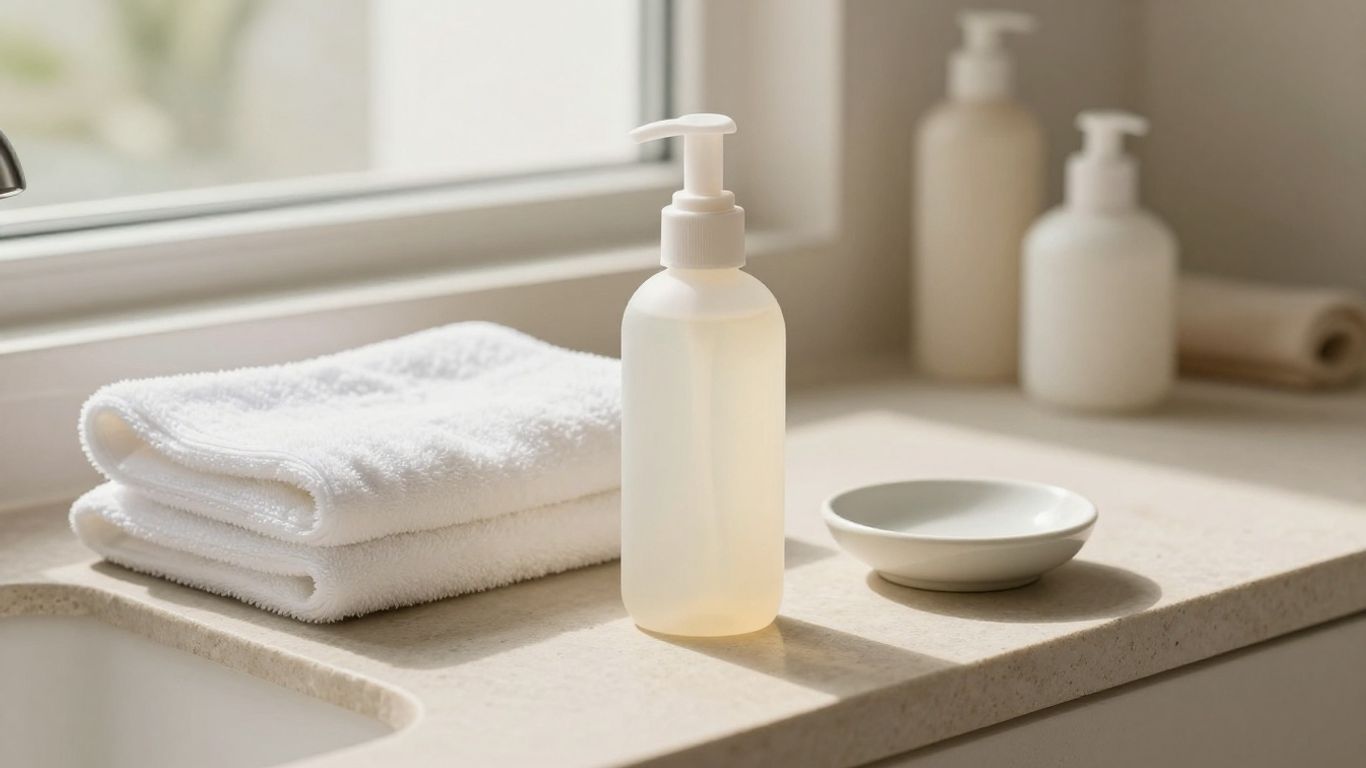
Look for a short, clearly labeled ingredient list and a product intended for intimate use. If your skin is reactive, avoid experimenting with homemade mixtures or products not designed for mucosal contact. Ingredients that are harmless for one person may still cause discomfort for another, so a familiar, transparent formula can be easier to evaluate.
A body-safe lubricant guide such as this ingredient and pH checklist offers useful background on reading labels. Pay attention to the product’s intended use rather than relying only on terms such as “natural” or “gentle,” which do not by themselves explain how a formula will feel on your body.
Fragrance, flavor, and warming additives
Added fragrance, flavor, cooling agents, or warming ingredients can make a product more sensory, but they also add more variables when you are trying to understand irritation. If you have previously reacted to intimate products, a plain, unscented formula is often the simpler starting point. Flavored products should be used only as directed on the label.
Do not assume that a stronger sensation means better lubrication. If burning, stinging, or persistent warmth develops, wash the product away and discontinue use until you understand the cause.
Options for sensitive skin
Sensitive skin benefits from a cautious approach: choose fewer additives, patch test first, and introduce only one new product at a time. It is also useful to distinguish occasional irritation from recurring dryness, pain, or changes in discharge, which may need medical evaluation rather than a different lubricant alone.
For people who prefer plant-derived ingredients and water-based, edible options, ArouselLube personal lubricant is one documented alternative to consider when silicone is not the best match for their toys or cleanup preferences. Its suitability still depends on your individual sensitivities and the product label.
How viscosity affects comfort and application
Viscosity describes how thickly a lubricant flows. A thinner formula may spread quickly and feel lighter, while a thicker formula can provide more cushioning and stay where it is applied. Neither is automatically safer; the useful question is whether the viscosity gives you enough control and comfort for the activity.
The table below offers a practical way to frame that decision before buying. Product descriptions vary, so use it as a starting point rather than a substitute for the manufacturer’s instructions.
| Preference or setting | Often useful to consider | Possible trade-off |
|---|---|---|
| Longer sessions | A lasting, thicker silicone formula | More residue during cleanup |
| Shower or bath use | Water-resistant silicone | Slipperier bathroom surfaces |
| Silicone toy use | Water-based lubricant | May need more reapplication |
| Sensitive skin | Simple, unscented ingredient list | Fewer sensory options |
The right viscosity should feel controlled rather than overwhelming. If a formula spreads too quickly, use a smaller amount; if it feels draggy, add a little more instead of repeatedly rubbing the same area.
Condom and sex toy compatibility
Compatibility is a safety step, not an afterthought. Read both the lubricant label and the toy or condom manufacturer’s instructions before use, since materials and finishes differ. When information is unclear, choose the option with the clearest documented guidance or contact the manufacturer.
How silicone lubricant interacts with latex condoms
Silicone-based personal lubricants are generally compatible with latex condoms, while oil-based lubricants can weaken latex. Still, check the specific product packaging, use a new condom for each act, and inspect it before and after use. Lubricant cannot compensate for an expired, damaged, or incorrectly stored condom.
Apply enough lubricant to reduce unwanted friction, but avoid practices that could cause the condom to slip. If the condom breaks or slips, follow appropriate sexual-health guidance promptly.
When to avoid using silicone lubricant with silicone toys
Silicone lubricant may interact with some silicone toys and can leave the toy’s surface tacky, altered, or damaged. This is why the safest default is to avoid pairing the two unless the toy manufacturer explicitly says the combination is compatible. A small hidden-area test may offer information, but it does not replace manufacturer guidance.
This caution is especially useful when the toy has a soft-touch finish or when its exact material is uncertain. Keep the lubricant away from the toy until you have confirmed the material and care instructions.
Checking manufacturer compatibility guidance
Look for the toy’s material, finish, and cleaning instructions, then compare them with the lubricant’s stated compatibility. Product names such as “silicone blend” or “silky” describe feel, not necessarily the toy’s construction. Packaging, official product pages, and customer-care channels are better sources than assumptions based on appearance.
A general silicone lubricant compatibility guide can provide a useful overview of condoms, toys, application, and residue removal. Use that background alongside the exact instructions for the products in your hands.
Choosing a safer lubricant for mixed-material toys
When a toy contains several materials, identify the part that contacts the lubricant and follow the strictest compatibility warning. If you cannot verify the construction, a water-based formula is often the more conservative choice because it is commonly suited to a broader range of toy materials.
ArouselLube offers water-based, edible personal lubricants made with natural ingredients, according to the brand information provided. That makes the product category relevant when you want to avoid the uncertainty of silicone-on-silicone contact, although you should still confirm the specific label and toy guidance.
How to use silicone-based lubricant effectively
Good application is gradual and responsive. Begin with clean, dry hands and a small amount, then pay attention to comfort rather than assuming more is better. Lubricant should reduce friction without masking pain or creating a loss of control.
How much lubricant to apply
Place a small dab on your fingers or directly where it is needed, depending on the product instructions. Spread it evenly, then add more in small increments if friction remains. Starting with less helps you judge the formula’s viscosity and prevents unnecessary mess.
For partnered use, communicate about comfort and reapplication. Lubricant is part of the experience, so adjusting it should feel ordinary rather than like a sign that something has gone wrong.
When to reapply during sex
Reapply when the surface begins to feel less slippery, when friction increases, or when the lubricant has transferred elsewhere. A long-lasting formula may need fewer additions, but body movement, towels, washing, and absorbent surfaces can still remove it. Pain is a reason to pause and reassess, not simply to add more product.
Keep the dispenser within reach and avoid touching the opening to skin or surfaces. That small habit helps reduce contamination and makes the product easier to use next time.
Combining it with water-based lubricant
Some people combine lubricant types to adjust feel or extend comfort, but compatibility and texture can change when formulas are layered. If you try this, use a small amount of each on the hand first and observe whether they separate, become sticky, or remain comfortable. Follow both labels, especially if the products contain sensory additives.
For a water-based, edible option made with natural ingredients, ArouselLube may be considered when you want a different feel or need a toy-compatible alternative. Do not treat combining products as necessary; a single well-matched formula is usually easier to evaluate.
Removing residue from skin and surfaces
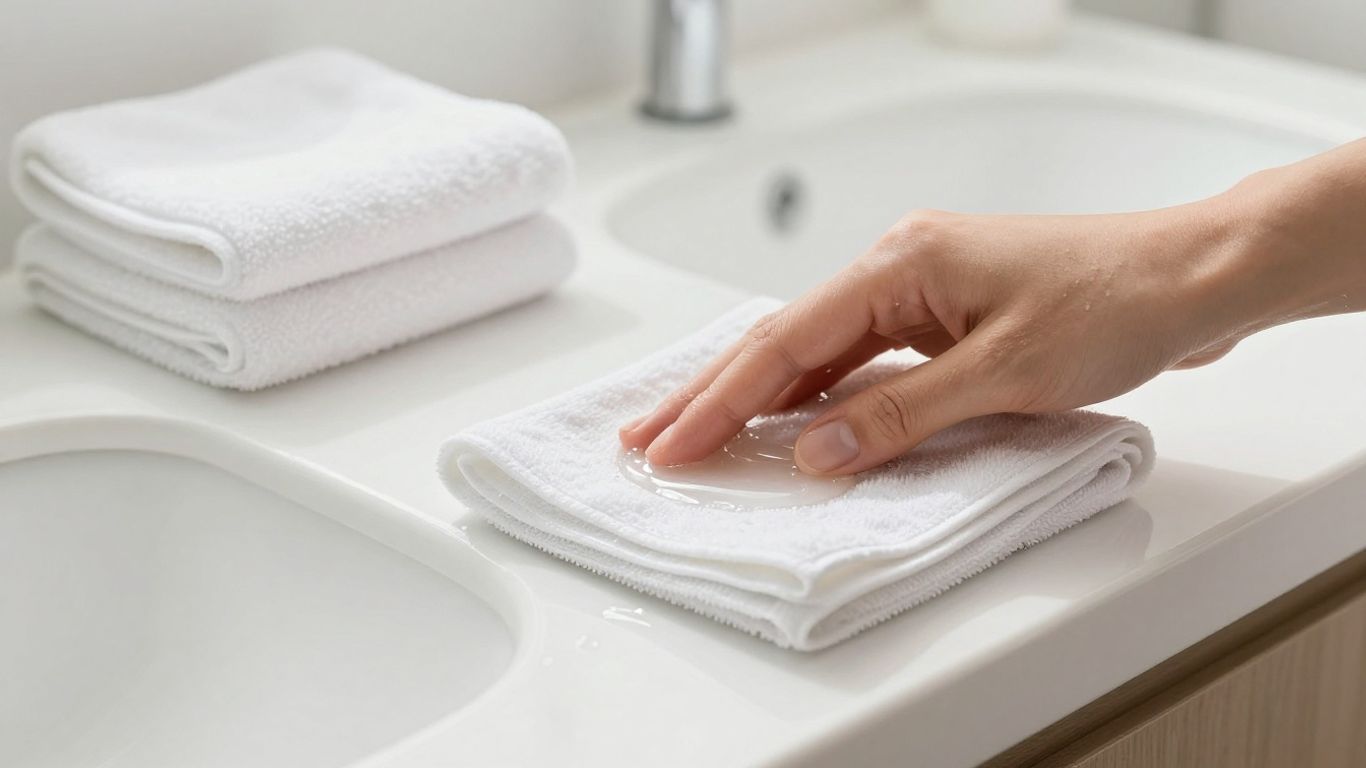
Silicone lubricant can cling to skin, fabric, and smooth bathroom surfaces. Wash skin with warm water and a mild cleanser, then rinse well. For sheets and clothing, follow the care label and pre-treat a small area before laundering; for floors and tubs, use a suitable cleaner and remove the slippery film completely.
Cleanup is easier when you use a towel or washable barrier under the area beforehand. Avoid harsh scrubbing on skin, since friction after intimate activity can create the very irritation the lubricant was meant to reduce.
Safety and skin health considerations
Lubricant should support comfort, not cover up symptoms. Bodies respond differently to ingredients, and a formula that works well for one person may cause irritation for another. Take new reactions seriously, particularly when discomfort lasts after washing.
Patch testing before full use
Apply a small amount to an external area of skin, such as the inner forearm, and wait according to the product’s instructions. Patch testing cannot predict every genital reaction, but it can reveal obvious sensitivity before full use. Never patch test internally or on broken skin.
If you are using a new formula with fragrance, flavor, or warming ingredients, test that exact product rather than assuming another product from the same category will behave identically.
Recognizing irritation or allergic reactions
Watch for itching, burning, redness, swelling, rash, or persistent soreness. Mild discomfort that fades quickly may still be worth recording, while swelling, hives, breathing difficulty, or severe pain requires urgent medical attention. Washing the area with water and stopping the product are sensible first steps for suspected irritation.
Avoid adding other products to “neutralize” the sensation. More ingredients can make the cause harder to identify and may increase discomfort.
Hygiene and infection-prevention practices
Do not share an open dispenser in a way that allows the nozzle to contact multiple bodies, and keep the cap or pump clean. Wash hands before application, clean toys according to their instructions, and use barriers where appropriate. Never transfer lubricant into an unclean container.
A few straightforward habits help keep intimate essentials cleaner:
- Keep the dispenser closed between uses.
- Avoid touching the nozzle to skin, toys, or fabric.
- Use a fresh condom when changing activities or partners.
- Clean reusable toys before storing them.
These steps reduce avoidable contamination without making intimacy feel clinical. Clean hands, clean accessories, and careful storage are usually enough for a sensible routine.
When to stop using the product and seek medical advice
Stop using the lubricant if symptoms persist, recur, or worsen after washing. Seek medical advice for unusual discharge, sores, bleeding, significant swelling, pain during sex, or symptoms that do not improve. A clinician can help distinguish product sensitivity from infection, dermatological conditions, hormonal changes, or other causes of discomfort.
Do not rely on a lubricant change to manage ongoing pain. Comfort matters, but unexplained symptoms deserve proper attention.
Storage, cleanup, and buying decisions
A good purchase is one you can use confidently and maintain easily. Consider the product’s intended use, the dispenser, the expiration information, and the amount you are likely to use. Price alone says little about value if the formula is incompatible with your favorite toy or consistently irritates your skin.
How to store lubricant for product stability
Store the bottle in a cool, dry place away from direct sunlight and excessive heat. Keep the cap closed tightly and avoid leaving it in a hot car, steamy bathroom, or place where water can enter the opening. Follow the expiration date and discard the product if its smell, color, or texture changes unexpectedly.
Do not dilute silicone lubricant with water inside the bottle. That can alter the product and introduce contamination.
Cleaning fabric, sheets, and bathroom surfaces
Treat spills promptly, since a slick residue is harder to manage once it has spread across a floor or soaked into fabric. Blot fabric rather than rubbing it deeply, then use the care label to select a suitable wash method. On hard surfaces, clean until the slippery feel is gone, especially in a tub or shower.
A washable towel beneath the activity area can simplify laundry. It also makes it easier to notice how much product you are using and adjust the amount next time.
Evaluating packaging and dispenser design
A pump or controlled nozzle can make small applications easier and reduce contact with the bottle opening. Look for clear ingredient information, directions, compatibility warnings, batch or expiration details, and packaging that closes securely. A dispenser that leaks or requires repeated handling can be frustrating and less hygienic.
Packaging should serve the routine. If you travel, a secure closure matters; if you use lubricant regularly, an easy-to-control pump may prevent waste.
Comparing price, size, and value over time
Compare the cost per ounce, not only the shelf price. A concentrated-feeling formula that needs little reapplication may last longer, while a lower-priced bottle may be better value if it fits your routine and is easy to clean. Consider shipping, expiration, and whether the product will be used before it changes.
A personal lubricant buying guide can help organize decisions about base, viscosity, ingredients, condoms, and toys. The final choice should reflect your actual needs rather than a claim that one formula is ideal for everyone.
Conclusion
Silicone-based personal lubricant can be a lasting, water-resistant choice when its texture suits you and its compatibility is confirmed. Start with a small amount, use care around silicone toys, choose simple ingredients when skin is sensitive, and clean both your body and surroundings after use. A thoughtful label check turns a quick purchase into a more comfortable intimate routine.
Frequently Asked Questions
Is silicone-based lubricant safe with latex condoms?
Many silicone-based lubricants are compatible with latex condoms, but always check the specific product label and condom instructions before use. Use a new condom for each act and replace it if it slips, tears, or becomes damaged.
Can silicone lubricant be used in the shower?
Yes, its water-resistant quality can make it useful in a shower or bath. Take care because both the lubricant and wet surfaces can increase slipperiness, and rinse the body and bathroom thoroughly afterward.
Can I use silicone lubricant with a silicone sex toy?
Avoid the combination unless the toy manufacturer clearly confirms compatibility. Silicone formulas can affect some silicone toys, particularly their surface finish, so a water-based lubricant is often the more cautious alternative when material information is uncertain.
Does silicone lubricant dry out?
It generally lasts longer than water-based lubricant because it does not evaporate or absorb as quickly. It can still transfer, wear away, or feel less effective during movement, so reapply when comfort decreases.
How should I clean silicone lubricant from sheets?
Blot the area, follow the fabric-care label, and pre-treat a small hidden section before washing. Avoid spreading the residue by vigorous rubbing, and repeat cleaning if the fabric still feels slick.
What should I do if lubricant causes burning or itching?
Stop using it and wash the area gently with water. Seek medical advice if symptoms are severe, persist, recur, or include swelling, hives, sores, unusual discharge, or significant pain.
Is a thicker silicone lubricant always better?
Not necessarily. Thickness affects control, cushioning, sensation, and cleanup, so the best viscosity depends on personal preference and intended use. Try a small amount first and choose the formula that feels comfortable without creating excess mess.





































































