

Posted by Mike
on August 31, 2026

Key Takeaways
Sex lubricant gel can make intimate contact more comfortable, but some formulas may cause irritation or other unwanted symptoms. A careful look at ingredients, product compatibility, and your own response can make choosing and using lubricant safer.
- Burning, itching, redness, or swelling may signal irritation or an allergic reaction.
- Fragrances, flavors, warming agents, and some preservatives can be troublesome for sensitive skin.
- Water-, silicone-, and oil-based lubricants have different uses and condom-compatibility considerations.
- Stop using a product that causes symptoms and rinse gently without scrubbing.
- Persistent, severe, or unusual symptoms deserve advice from a doctor or sexual health clinic.
What sex lubricant gel is and why side effects happen
Lubricant gel is applied to reduce friction during sexual activity when natural moisture is not enough or when extra comfort is wanted. It may be used for vaginal, anal, oral, or external contact, depending on the product label and the people using it. Most formulas are well tolerated, but the tissues involved are sensitive and can respond differently to the same ingredients. This personal lubricant guide offers a broader look at types, ingredients, and safe use.
How lubricants reduce friction during sexual activity
Friction can make sexual activity feel uncomfortable and may contribute to soreness or small areas of irritation, particularly when tissues are dry or contact lasts a long time. Lubricants add slip between skin, condoms, and sometimes toys, helping movement feel smoother. They do not replace arousal, communication, or medical care for ongoing pain. A product such as ArouselLube Intensifying Gel is documented as a specialized personal lubricant designed to reduce friction and heighten sexual pleasure.
Common ingredients that may trigger reactions
A reaction is not always caused by the lubricant base itself. Fragrance, flavoring, dyes, warming or cooling compounds, preservatives, and certain humectants can be more relevant for someone with sensitive skin. Even a plant-derived or “natural” ingredient can cause irritation or allergy in an individual person. Reading the complete ingredient list is more useful than relying on a broad marketing label.
Why vaginal, anal, and oral use can involve different concerns
Vaginal tissue has its own pH and microbial environment, so a product that feels fine on external skin may not be comfortable internally. Anal tissue does not self-lubricate in the same way and can be especially vulnerable to friction, while oral use adds concerns about taste and whether the product is labeled for that purpose. Follow the directions, and do not assume that a formula intended for one type of contact is suitable for every use. Ingredients and compatibility can also matter when condoms or toys are involved.
How individual sensitivity affects lubricant tolerance
People vary in their response to preservatives, botanical extracts, sugar-based ingredients, and other additives. A formula tolerated by a partner may still sting or cause itching for you, especially if the skin is already irritated, recently shaved, or affected by another condition. Previous reactions to cosmetics, soaps, or topical medicines can be useful clues. Your comfort is the best signal: discontinue a product when symptoms begin rather than trying to push through them.
Common sex lubricant gel side effects
The most common sex lubricant gel side effects are local and temporary, such as stinging, itching, redness, or a feeling of dryness after the product is applied. These symptoms can reflect friction, contact irritation, or an allergy, and their timing can offer a clue. A new discharge, odor, or persistent discomfort should not automatically be blamed on lubricant. Keep track of when symptoms started and whether they improve after stopping the product.
Burning, stinging, or itching
Mild tingling may be expected from a product specifically formulated with a warming or stimulating effect, but burning or itching that feels unpleasant is a reason to stop. Symptoms that start soon after application often suggest that the skin or mucous membrane does not tolerate one or more ingredients. Rinse gently and avoid reapplying until the area feels normal. If the sensation is intense or continues, seek medical advice.
Redness, swelling, or skin irritation
Redness can occur when tissues have been exposed to too much friction, an irritating additive, or an allergen. Swelling, hives, or a spreading rash is more concerning than slight external redness and may indicate an allergic response. Do not apply additional scented products to mask the discomfort. Give the area time to recover and note the product ingredients in case a clinician needs that information.
Changes in vaginal discharge or odor
A change in discharge or odor after lubricant use can come from residue, but it may also overlap with yeast infection, bacterial vaginosis, or a sexually transmitted infection. Lubricant alone cannot diagnose the cause. Pay attention to associated symptoms such as unusual color, pelvic pain, sores, painful urination, or marked itching. Testing is the safer route when symptoms are new, persistent, or associated with a new sexual exposure.
Temporary discomfort after use
Some discomfort may settle after the lubricant is removed, particularly when friction or a small amount of surface irritation was involved. That does not mean the same product should be used again immediately. A short break, gentle cleansing, and avoiding further friction can help the area recover. The lubricant side effects overview also discusses itching, irritation, and the importance of considering ingredients rather than ignoring a reaction.
Ingredients that may increase the risk of irritation
Ingredient risk is personal and depends on concentration, frequency of use, the body area, and the condition of the skin. A long ingredient list is not automatically unsafe, but unnecessary additives can make it harder to identify a trigger. Products intended for internal use deserve particular care because vaginal and rectal tissues may be more sensitive than ordinary external skin. When in doubt, choose a clearly labeled formula with ingredients you understand.
Fragrances, flavors, and warming agents
Fragrance and flavor compounds can make a product appealing, yet they may irritate sensitive tissue or trigger contact allergy. Warming, cooling, and tingling agents can also produce sensations that some people find uncomfortable. If you have reacted to perfumed body products before, a plain, fragrance-free option may be a more sensible starting point. Flavored products should be used only as directed, especially when internal use is not specified.
Glycerin, propylene glycol, and osmolality concerns
Glycerin and propylene glycol are used in many personal-care products, including some lubricants, but individual tolerance varies. A lubricant’s osmolality also matters: formulas with a high concentration of dissolved substances may draw water from delicate cells and feel drying or irritating. Ingredient names alone do not reveal a product’s full osmolality or suitability. Look for transparent labeling and stop if the formula causes repeated discomfort.
Preservatives and potential contact allergens
Preservatives help keep a water-containing gel stable, but some can cause contact dermatitis in susceptible users. Botanical extracts, essential oils, and other “natural” additions can also be allergens. If a reaction recurs with several products, a clinician or dermatologist may help identify patterns. Avoid guessing that a preservative is the cause without considering the full formula and the timing of symptoms.
Oils and ingredients that can weaken latex condoms
Oil-based lubricants, including some household oils and petroleum products, may weaken latex condoms and increase the chance of breakage. Always check the lubricant and condom packaging together rather than assuming that a product is compatible. Oil can also be difficult to wash from fabrics and toys. For more detail on ingredient choices and condom safety, see this guide to lubricant ingredients.
How to choose a gentler lubricant
Choosing a gentler lubricant starts with the activity, the barrier or toy being used, and your history of sensitivity. There is no single best base for every person. A formula that lasts longer may be convenient for one situation, while a washable option may suit another. Begin with a simple product, use a small amount, and change only one variable at a time if you are trying to identify a trigger.
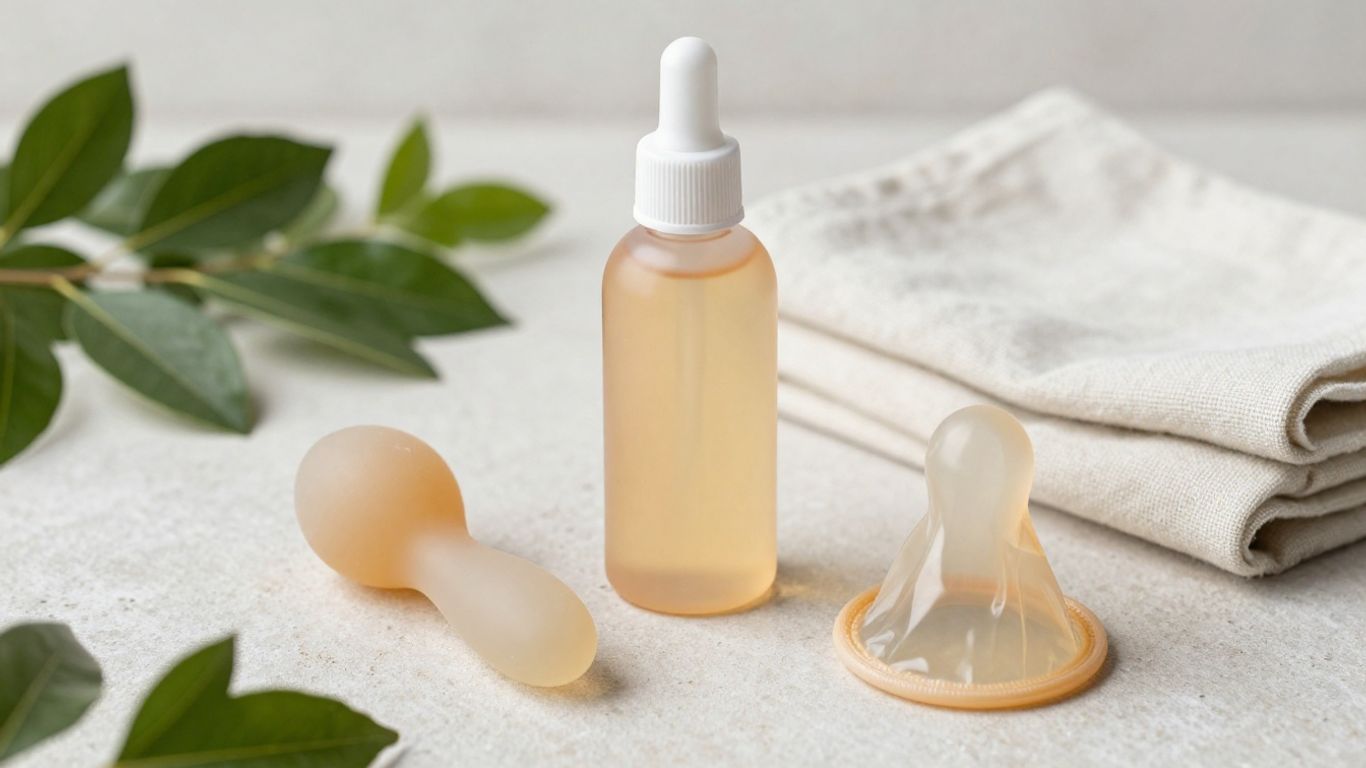
Water-based, silicone-based, and oil-based formulas
Water-based formulas are usually easy to wash away and are commonly chosen for general use, though they may need reapplication. Silicone-based formulas tend to last longer, but the label should be checked for toy compatibility. Oil-based products can feel rich, but they are not suitable with latex condoms. The base is only one part of the decision; additives and intended use matter just as much.
Matching the lubricant to condoms and sex toys
Read both product labels before combining a lubricant with a condom or toy. Water-based lubricants are broadly useful, while silicone-based lubricant may not be suitable for every silicone toy. Oil can weaken latex, so it should not be paired with latex barriers. The documented guidance for ArouselLube Intensifying Gel also addresses latex compatibility, making label instructions especially relevant when selecting a product for protected sex.
Considering pH and vaginal compatibility
For vaginal use, pH-balanced labeling can be helpful because the vagina has a naturally acidic environment that may be disrupted by some products. pH alone does not tell you everything: osmolality, preservatives, fragrance, and personal tolerance still matter. If a product repeatedly causes dryness, burning, or discharge changes, stop using it even if the label says it is balanced. Ongoing vaginal dryness itself may deserve a clinical assessment.
Checking labels for unnecessary additives
A short, transparent ingredient list can make it easier to avoid known triggers. Look for clear directions, intended body areas, expiration information, and condom or toy compatibility. You may prefer to avoid fragrance, dyes, strong flavors, and warming agents when irritation is a concern. A product’s natural positioning should support, not replace, careful reading of the actual label.
What to do if a lubricant causes a reaction
When symptoms appear, pause and treat the reaction as information rather than something to ignore. Remove the product, avoid further friction, and give the affected area time to settle. Do not use another new cream or lubricant at the same time, because that can make the trigger harder to identify. The severity, duration, and associated symptoms determine whether self-care is reasonable or medical evaluation is needed.
When to stop using the product
Stop immediately if the gel causes burning, itching, swelling, rash, or pain that is more than fleeting. Do not test it again internally just to confirm the reaction. Save the packaging or photograph the ingredient list, especially if you may need to discuss it with a clinician. A repeated reaction is a strong reason to avoid that formula in the future.
How to rinse away residue without worsening irritation
Use lukewarm water and clean hands to remove external residue, without scrubbing. Avoid douches, perfumed washes, antiseptics, and hot water, which can further disturb or dry delicate tissue. Pat dry with a soft towel and wear loose, breathable clothing if the area remains tender. Internal rinsing is not a substitute for evaluation and may worsen irritation.
Distinguishing irritation from a yeast infection or STI
Irritation often begins soon after exposure and may improve when the product is stopped, but symptoms overlap with infections. Yeast infections, bacterial vaginosis, and STIs can involve itching, discharge, odor, pain, sores, or burning with urination. A new partner, unprotected exposure, fever, pelvic pain, or symptoms that do not improve should raise the priority of testing. Avoid self-treating repeatedly based only on appearance.
When to contact a doctor or sexual health clinic
Contact a clinician if symptoms are severe, last more than a short period after stopping the product, keep returning, or involve unusual discharge, odor, sores, pelvic pain, or painful urination. A sexual health clinic can provide examination and appropriate testing when infection is possible. Seek urgent care for facial or throat swelling, trouble breathing, faintness, or rapidly worsening hives. Bring the lubricant packaging if you have it.
How to reduce the risk of side effects
Prevention is mostly about reducing friction, limiting unnecessary exposure, and paying attention to changes in your body. Use lubricant as directed and communicate if it feels uncomfortable rather than continuing. Good storage and hygiene also protect the product from contamination. These small habits can make intimate essentials easier to use with confidence.
Testing a small amount before broader use
For external skin, apply a small amount to an area such as the inner forearm and wait to see whether irritation develops. This is not a guarantee that internal tissue will tolerate the product, but it may reveal an obvious skin reaction before sexual use. Avoid patch testing on already irritated genitals. If any reaction appears, wash the area gently and do not proceed with the product.
Using enough lubricant to limit friction
Too little lubricant can allow friction to build, particularly during longer or more vigorous activity. Apply enough to keep contact comfortable and reapply according to the product’s directions. Pain is a signal to pause, add lubrication, change position, or stop. A product such as ArouselLube Intensifying Gel is described as reducing friction and heightening pleasure, but individual comfort still determines whether it is a good fit.
Cleaning sex toys and storing gel properly
Clean reusable toys according to their material and the manufacturer’s directions, and allow them to dry before storage. Keep lubricant closed, away from excessive heat and direct sunlight, and avoid touching the nozzle to skin or surfaces. Do not share a container in a way that could transfer bodily fluids. These steps help preserve the product and reduce avoidable contamination.
Avoiding products with expired or damaged packaging
Check the expiration date and discard gel whose color, smell, texture, or consistency has changed. A broken seal, leaking container, or damaged pump can also compromise the product. Do not dilute lubricant with water or mix it with other formulas in the bottle. When selecting a new option, transparent labeling and intact packaging are basic safety checks.
Recognizing urgent symptoms that need medical care
Most mild irritation is not an emergency, but certain symptoms need prompt attention. Seek urgent medical care for:
- Trouble breathing, facial swelling, or swelling of the lips or tongue.
- Faintness, widespread hives, or a rapidly spreading rash.
- Severe pelvic or abdominal pain, fever, or heavy bleeding.
- New sores, intense pain, or inability to urinate.
These signs may indicate a serious allergic reaction or another condition that lubricant cannot explain. When symptoms are persistent or severe, professional evaluation is the safest next step.
Conclusion
Sex lubricant gel can support smoother, more comfortable intimacy, but a reaction should never be dismissed. Choosing a simple, compatible formula, using enough to reduce friction, and stopping promptly when symptoms appear can lower avoidable risk. Persistent or unusual symptoms deserve care from a qualified health professional.
Frequently Asked Questions
Can lubricant cause burning or itching?
Yes. Burning or itching may result from irritation, an allergic reaction, friction, or an ingredient such as fragrance, flavoring, or a warming agent. Stop using the product and rinse gently if symptoms are unpleasant or persistent.
How long does lubricant irritation last?
Mild irritation may improve after the product is removed, but the timing varies. If symptoms continue, worsen, or return repeatedly, contact a doctor rather than repeatedly trying different home treatments.
Can lubricant change vaginal discharge or odor?
It can leave residue, but changes in discharge or odor may also signal an infection or another vaginal condition. New, unusual, or persistent changes should be assessed by a healthcare professional.
Are water-based lubricants safer for sensitive skin?
Water-based formulas are often easy to wash away, but “water-based” does not guarantee that a product will suit sensitive skin. Check the full ingredient list and avoid any formula that causes symptoms.
Can oil-based lubricant be used with latex condoms?
Oil-based lubricant can weaken latex and may increase the risk of condom breakage. Use only a lubricant labeled as compatible with the barrier you plan to use.
Should I douche after using lubricant?
No. Douching and perfumed cleansing products can worsen irritation and disturb the vaginal environment. Gently wash external residue with lukewarm water instead.
When should I get tested for an STI after irritation?
Consider testing when symptoms follow a new or unprotected sexual exposure, or when there are sores, unusual discharge, pelvic pain, painful urination, or symptoms that do not improve after stopping the lubricant.
Visit Our store here: https://www.arousellube.com/
For more Blogs Click here: https://www.arousellube.com/blogs/news
For arousellube shop Click here: https://www.arousellube.com/collections/shop-all-arouselube
For affiliate Click here: https://www.arousellube.com/pages/affiliate-programs





































































