

Posted by Mike
on July 23, 2026

Key Takeaways
Creating your own intimate care products can be a rewarding way to ensure you know every component touching your skin.
- Natural bases like Aloe vera provide a clean, gentle glide.
- Always perform a patch test on your inner arm to check for sensitivities.
- Water-based DIY mixtures are prone to bacteria without proper preservation.
- Oil-based lubes can compromise the integrity of latex barriers.
- Sanitation of all mixing equipment is mandatory to maintain safety.
Understanding the basics of homemade lubricants
Making a personal lubricant recipe at home requires a shift in how you view skin health and product permeability. Your skin absorbs what you put on it, making it essential to choose items that are not just effective but also gentle on delicate tissues. The goal is to maximize sensation while minimizing the chance of developing irritation or discomfort during intimacy.
Identifying ingredient safety and skin sensitivity
Before you gather supplies, you have to consider your specific body chemistry. Some individuals react strongly to essential oils or food-grade additives that others find perfectly soothing. You must identify if you have any history of allergies to common plants or thickeners.
The role of pH balance in personal care products
Maintaining the natural acidic mantle of your intimate areas is critical for long-term wellness. Many household items are alkaline, which can disrupt your internal flora and potentially lead to unwanted itching or infections. Understanding that formulas should be pH-balanced is part of why ArouselLube focuses on precision-engineered composition rather than random kitchen mixing.
Why store-bought ingredient concerns drive the demand for DIY
Many conventional lubricants contain parabens and glycerin, which some users try to avoid due to concerns about their effects on hormonal balance or yeast growth. It is quite common for people to seek alternatives that feel cleaner. While many brands offer high-quality options, the DIY movement is fueled by a desire for total transparency in ingredient lists.
Common ingredients and their properties
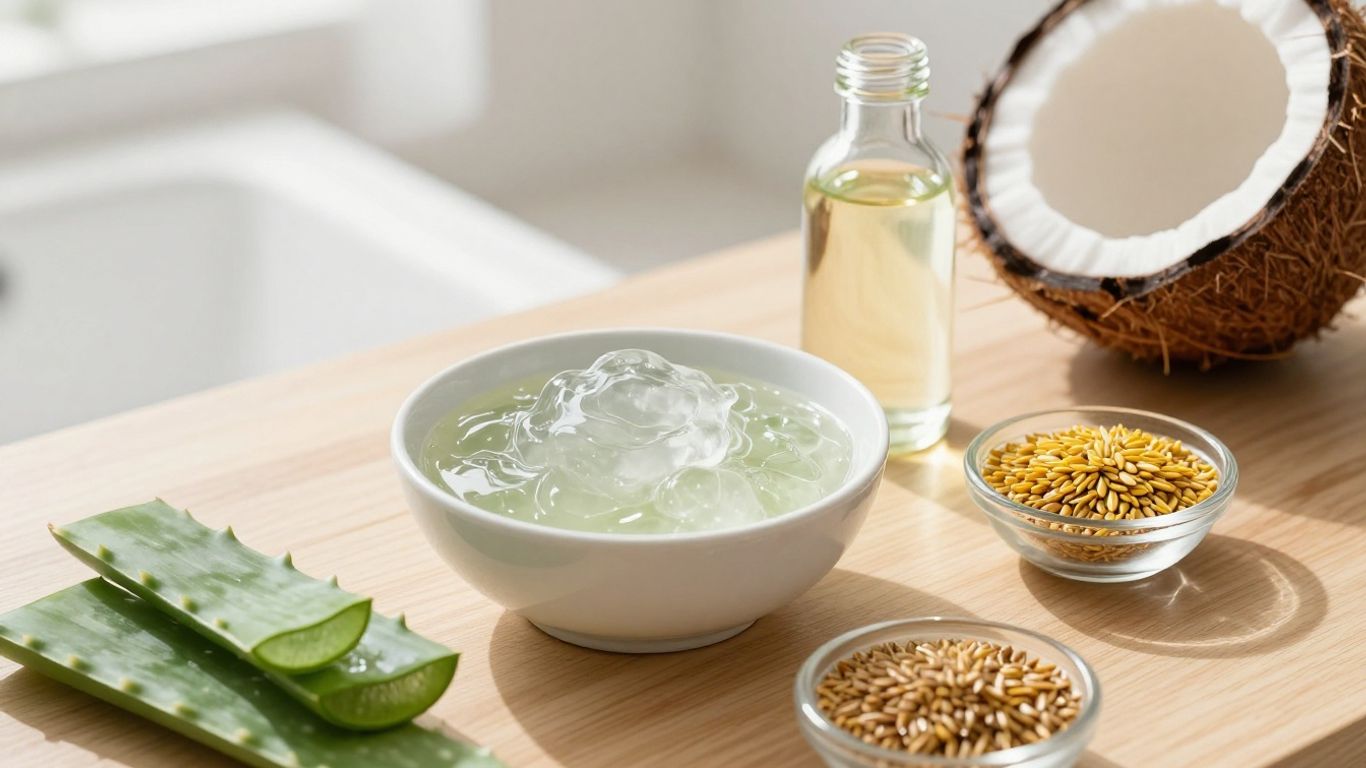
Choosing the right texture often comes down to the base ingredient you select. Water-based options are generally easier to clean, while oil-based alternatives provide a longer-lasting experience for specific activities. Understanding these differences allows you to customize your experience to meet your immediate needs.
The benefits of aloe vera gel as a base
Aloe vera is widely prized for its humectant properties, meaning it helps draw moisture to the skin. It feels cool, light, and is generally safe for people who avoid thick, sticky substances. You should look for pure, food-grade aloe to ensure there are no added fragrances.
Using oils versus water-based formulations
When deciding between a slippery oil or a light gel, consider how each interacts with your skin and surrounding materials. The following table provides a breakdown of common bases.
| Ingredient | Best For | Compatibility |
|---|---|---|
| Aloe Vera | Water-based glide | High (Toys/Condoms) |
| Coconut Oil | Longer duration | Low (Latex only) |
| Cornstarch | Texture adjustment | Medium (Washable) |
These distinctions help you choose the right lubricant alternatives based on whether you are using synthetic materials or prefer natural sensations. Once you understand these properties, you can adjust the base to better suit your preferences.
Why glycerin and parabens are often avoided
These ingredients are common preservatives or humectants that might be too harsh for sensitive individuals. They can create an osmotic pressure imbalance, drawing moisture away from cells instead of keeping them hydrated. Choosing glycerin-free options is a cornerstone of safe intimate self-care.
Essential safety precautions for DIY lubricants
Designing your own mixture means you become your final quality control agent. Without the lab testing that supports products like ArouselLube, your DIY projects need rigorous attention to cleanliness and ingredient selection. Never assume that "natural" automatically means "risk-free" for internal use.
Conducting a patch test before primary application
Before you use any new batch, put a small amount on your wrist to see how your skin reacts. Follow these steps for reliable testing:
- Cleanse a small area of your inner arm.
- Apply a pea-sized amount of your mixture.
- Wait at least twenty minutes.
- Observe for redness, itching, or inflammation.
- Discard the batch if any discomfort appears.
If you find the result is clear, you can feel much more confident using the blend during more intimate times. This simple step saves you from potential discomfort.
Evaluating the antimicrobial stability of homemade mixtures
Water is a breeding ground for organisms, and keeping your lubricant stable in the absence of laboratory-grade preservatives is incredibly difficult. You should always prepare small batches that you can use up in a single session. Once water is mixed with organic ingredients, it essentially becomes food for bacteria, making it a temporary solution at best.
Preventing bacterial growth in water-based solutions
To increase safety, ensure that the water you use is distilled or boiled, and keep the environment as clean as possible. Avoid double-dipping your fingers into the container after any contact with skin to prevent contaminating the remaining mixture. Always prioritize body-safe ingredients to avoid introducing contaminants into sensitive zones.
Step-by-step recipes for different needs
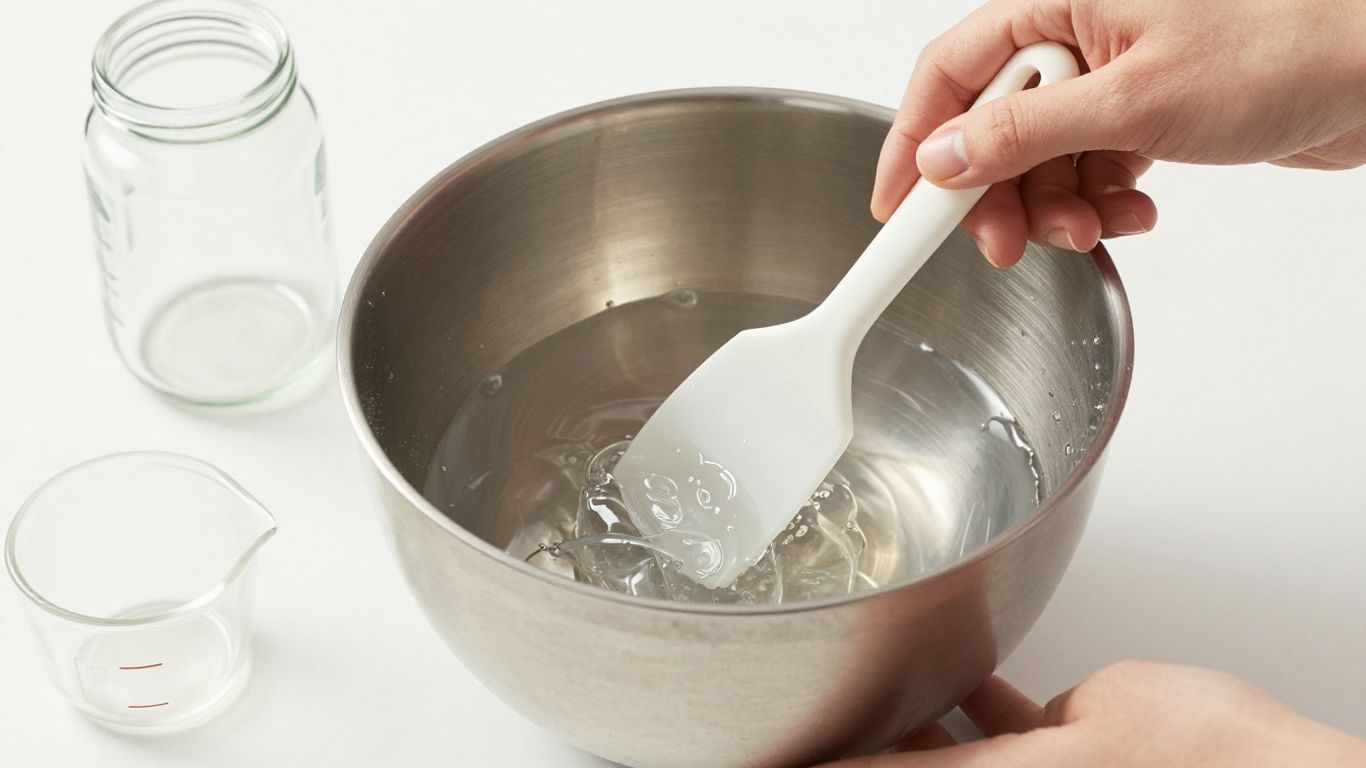
Finding the right personal lubricant recipe involves trial and error to get the consistency perfect. Whether you want something light or a bit more viscous, the process usually involves gentle heating and combining components until smooth. Remember that DIY is for those who enjoy the hands-on aspects of intimacy preparations.
Creating a simple aloe vera-based lubricant
A basic aloe blend is perfect for those who want a light, natural texture. Mix three parts pure, non-fragranced aloe vera gel with one part water, and whisk until the mixture is fully incorporated. This should result in a thin, smooth gel that feels soothing upon application.
Developing a botanical oil blend for long-term glide
If you need something that lasts through longer sessions, an oil-based blend might work better. You can combine a high-quality, cold-pressed oil with a touch of wax if you want thickness, though be careful to avoid anything that could solidify into an uncomfortable mess. Always prioritize your comfort and start with light applications.
Adjusting consistency with thickening agents like cornstarch
If your mixture feels too watery, cornstarch can act as a simple thickener when stirred into warm water. You must boil the mixture briefly to activate the gelatinous properties of the starch, then let it cool completely before use.
Storage and shelf life management
Homemade lubricants lack the heavy preservation cycles of store-bought versions to keep them sterile. You must manage them with the understanding that they are perishable goods that should rarely be kept for more than a few days. Treating your mixture with respect ensures you avoid any issues with spoilage.
Proper sanitation of mixing tools and containers
Before you start, sterilize your spoons, bowls, and jars in boiling water. Even invisible traces of dust or old soap can ruin your batch and introduce germs. Clean surfaces are the foundation of any hygienic DIY project.
Recognizing the signs of ingredient spoilage
Keep a close eye on the smell and visual consistency of your batch. If it smells sour, changes color, or begins to look cloudy in an unusual way, it has likely begun to spoil. If you are ever in doubt, throw it away rather than risking an infection.
Optimizing storage conditions to maximize product freshness
Storing your lubricant in a cool, dark, and dry place is essential. The refrigerator can help prolong its life by a day or two, but it does not make the product permanent. Always keep the lid tightly sealed to prevent outside contaminants from entering the jar.
Compatibility with intimate products and materials
Understanding how different bases interact with sex toys or condoms is perhaps the most important safety aspect of using lubricants. Oil-based products, for instance, can degrade latex very quickly. Ensure your chosen formula is compatible with whatever materials you plan to use before you apply it.
Testing friction reduction on silicone versus latex
Silicone toys are generally durable, but they should never be used with silicone-based lubes as they can break down the surface of the toy. Water-based mixtures are usually the safest bet for a wide variety of materials, making them a great starting point if you are unsure.
Understanding how oil-based formulas affect condoms
Oil-based liquids are a known enemy of latex condoms, significantly increasing the risk of breakage. If you use latex barriers, stick strictly to water-based intimate essentials. Using ArouselLube is one method to guarantee your lubricant is safe for high-quality barrier products.
Selecting ingredients that won't degrade barriers over time
When in doubt, choose water-based lubricant ingredients that wash away easily and have little interaction with synthetic polymers. Protecting your sexual health while exploring DIY alternatives is a balancing act that requires constant care and informed decision-making.
Conclusion
Exploring your own needs through a customized personal lubricant recipe is a fascinating aspect of intimate ownership, yet it carries the responsibility of hygiene and material safety. While the draw of natural ingredients is powerful, you must maintain a realistic view of shelf life and compatibility. Whether you stick to simple DIY batches for quick use or decide that ArouselLube offers the level of consistency and safety you require, you are taking an active role in defining your pleasure. Always prioritize your physical well-being, stay informed about ingredient interactions, and ensure your exploration of intimacy remains as safe as it is satisfying.
Frequently Asked Questions
Is it safe to use homemade lubricant daily?
Using homemade lubricant daily is generally not recommended because most DIY formulas lack the preservatives necessary to prevent bacterial buildup. Without professional laboratory stabilization, mixtures can quickly lose their safety profile, making them better suited for occasional, short-term usage rather than as a primary, recurring product.
Why should I avoid essential oils in my lubricant?
Essential oils are highly concentrated plant extracts that can cause severe irritation, burning, or allergic reactions on sensitive mucosa. Unlike the skin on your hands, intimate tissues are extremely delicate, and even mild oils can disrupt the natural pH balance, leading to lingering discomfort.
Can I use food as a thickener in all recipes?
While some food items like cornstarch work effectively for texture, you should avoid sugary items like syrups or honey. Sugar is known to increase the risk of yeast infections, as it feeds the natural flora in a way that can result in overgrowth.
How does homemade lube compare to professional products?
Professional products undergo rigorous third-party testing and use clinical-grade stabilizers to ensure safety, efficacy, and hygiene. Homemade lubes, while cost-effective and natural, are typically short-lived and do not provide the same levels of predictable performance, pH balance, or antimicrobial protection.
What is the best way to clean up homemade lubricant?
Water-based homemade lubricants are usually easy to wash away with simple warm water. If you create an oil-based variant, you will likely need soap and water to ensure you remove all residue from your body, toys, or bedding, especially if the oil is thick or viscous.
Does temperature affect the quality of homemade lubricant?
Temperature fluctuations, especially heat, can significantly accelerate the spoilage process of natural ingredients. If your lubricant contains oils or water, storing it at a consistent, room-temperature environment—or even the refrigerator for shorter periods—is essential to help maintain its freshness as long as possible.
Can I adjust the viscosity of a water-based recipe?
You can certainly adjust viscosity by changing the ratio of water to your thickening agent, like cornstarch or aloe. However, increasing the amount of thickeners can sometimes change the overall pH or the way the product feels on the skin, so it is best to make small adjustments and test them thoroughly.





































































