

Posted by Mike
on August 16, 2026

Key Takeaways
A warming lubricant can add a gentle heat sensation, but comfort and compatibility come first.
- Warming formulas create sensation through specific ingredients that respond to touch, movement, or body heat.
- Water-based, silicone-based, and oil-based lubricants differ in cleanup, texture, and barrier compatibility.
- Patch-test a new product and begin with a small amount before applying more.
- Check labels carefully when using condoms, dental dams, or sex toys.
- Stop if warmth becomes burning, painful, or irritating, and seek medical advice for persistent symptoms.
What warming lubricant is and how it works
A warming lubricant is a personal lubricant formulated to create a noticeable heat sensation during intimate contact. The warmth may feel subtle at first and become more apparent as the product is spread or friction increases. It should add sensory interest without replacing the basic goals of lubrication: reducing uncomfortable friction and supporting ease. The right experience depends on the formula, the amount used, and individual sensitivity.
How warming ingredients create a heat sensation
Warming ingredients interact with sensory receptors in the skin, producing a feeling of heat even when the product itself is not substantially hotter than the surrounding skin. Some formulas use plant-derived extracts or other sensation-focused ingredients, while others create warmth as movement distributes the lubricant. The response is personal, so a mild sensation for one person may feel intense to another. Read the ingredient list rather than assuming every product labeled “warming” works in exactly the same way.
The difference between warming, cooling, and tingling formulas
Warming formulas are designed to feel hot or gently heated, whereas cooling formulas create a crisp or chilled sensation. Tingling products tend to produce a buzzing or prickling feeling that may overlap with either category but is not identical to warmth. These labels describe sensory effects, not a guarantee of increased pleasure. If you are curious about the broader range of warming, cooling, and tingling sensations, treat each new formula as a separate product and test it cautiously.
Why body temperature and friction affect the experience
The same lubricant can feel different depending on skin temperature, the amount applied, and how much movement occurs. Friction spreads the formula across a larger area and may make the sensation build, while a cooler room or less movement can make it seem quieter. Natural moisture, recent bathing, and individual skin sensitivity also shape the result. Comfort should guide intensity, not the label or someone else’s experience.
How long the warming effect typically lasts
There is no universal duration for a warming effect. It may fade as the product is absorbed, wiped away, diluted by natural moisture, or no longer stimulated by movement. Reapplying can change the intensity, but adding more is not always the best answer if the sensation already feels strong. Give the product time to develop before deciding whether you need another small amount.
How to choose the right warming lubricant
Choosing a warming lubricant involves more than selecting the strongest sensation. Consider the base, the ingredients, your intended activity, and whether you or your partner has a history of skin sensitivity. A clear label should explain where the product is intended to be used and what it is compatible with. For a broader overview of choosing a personal lubricant, compare the formula with your actual needs rather than relying on marketing language alone.
Water-based, silicone-based, and oil-based formulas
Water-based formulas are usually easy to rinse away and can be a practical starting point for people who want a lighter feel. Silicone-based products generally offer a longer-lasting glide, though their compatibility with silicone toys must be checked. Oil-based formulas can feel rich and persistent, but they require extra care around latex barriers and some intimate materials. The base affects both sensation and cleanup, so it deserves as much attention as the warming ingredient.
Ingredients to look for and potential irritants to avoid
Look for a complete ingredient list and directions that match your intended use. Fragrance, flavoring, and certain botanical extracts may bother sensitive skin, even when they sound gentle or natural. Some people also react to ingredients commonly used to adjust texture or preserve a formula. The ArouselLube Intensifying Gel guide discusses warming and cooling sensations, base formulas, patch testing, and ingredient considerations for sensitive skin, making it a useful companion when screening a label.
Choosing a formula for sensitive skin
If your skin reacts easily, choose the simplest formula that meets your needs and avoid introducing several new products at once. A warming lubricant may not be the best first choice if you already experience vulvar, penile, perianal, or general contact sensitivity. Test a small amount on an external area and wait to see how your skin responds before considering intimate use. Do not use a product on broken, freshly shaved, or irritated skin.
Selecting the right texture, size, and dispenser
Texture affects how much product you need and how often you may want to reapply. A small tube can be convenient for occasional use, while a larger bottle may suit regular use if it can be closed securely and handled hygienically. Pumps and narrow openings can help limit unnecessary contact with the remaining product. A dispenser that is easy to operate with clean hands is a small feature, but it can make the experience smoother.
Warming lubricant and sexual health compatibility
A product can feel comfortable yet still be unsuitable for a particular barrier or toy. Before use, check the lubricant label and the instructions for the condom, dental dam, or device. Compatibility depends on the base and the material, not simply on whether the product feels smooth. When the label is unclear, choose a different formula or ask a healthcare professional or manufacturer for guidance.
Condom and dental dam considerations
Water-based and many silicone-based lubricants are commonly used with latex barriers, but the product label should have the final say. Oil-based formulas may weaken latex and increase the chance of breakage. Dental dams also need adequate lubrication without an incompatible oil layer underneath. Apply lubricant to the outside of the barrier as directed, and use a fresh barrier if it slips, tears, or becomes questionable.
Compatibility with sex toys and intimate devices
Toy material matters, particularly when a silicone-based lubricant is being considered for a silicone toy. Some formulas can affect the surface of a device, leaving it tacky or damaged over time. Check both product instructions and the toy maker’s care guidance, then test a small amount on a less visible area when appropriate. Cleaning the toy after use also helps prevent residue from accumulating.
When oil-based formulas may cause problems
Oil-based lubricants may provide a lasting, cushiony glide, but that benefit comes with compatibility and cleanup considerations. They can be difficult to remove from fabric and may not be suitable with latex condoms or certain toys. The guide to oil lubricant safety and storage covers these practical concerns, including why clear labeling matters. If you use an oil formula, confirm its intended use before intimate contact rather than treating it as interchangeable with water-based gel.
How pH and vaginal or anal use can affect product choice
Vaginal and anal tissues have different needs, and neither should be treated like ordinary external skin. A product’s pH, osmolality, preservatives, and intended-use instructions may all matter, especially for people prone to irritation or recurrent discomfort. Anal use also benefits from generous lubrication because the tissue does not self-lubricate in the same way. If a label does not clearly describe internal use, do not assume that it is appropriate.
How to use warming lubricant safely
Safe use starts with a slower introduction than the excitement of a new product may suggest. Read the directions, tell your partner what you are trying, and keep communication open as the sensation develops. A warming lubricant should be easy to stop using if it feels wrong. The goal is a controlled change in sensation, not an endurance test.
Performing a small skin patch test
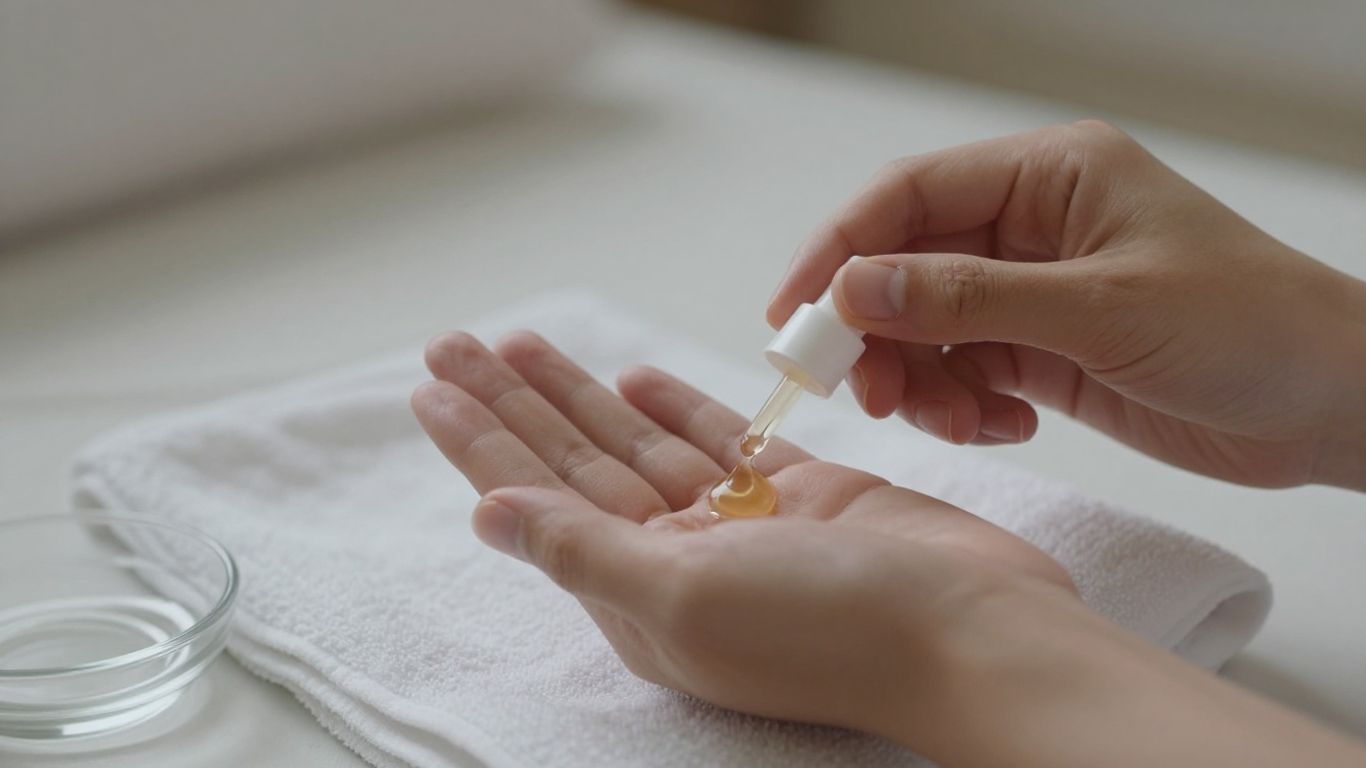
Apply a small amount to an external, non-intimate area such as the inner forearm and wait according to the product directions. Notice redness, itching, swelling, stinging, or persistent heat rather than judging only the first few seconds. A patch test cannot predict every internal reaction, but it can reveal some contact sensitivities before intimate use. Do not patch-test on broken skin.
Starting with a small amount and adding more gradually
Begin with less than you think you need, especially when the formula is unfamiliar. Spread it over a limited external area and pause while the sensation develops. If it remains comfortable, add a little more rather than applying a large amount at once. These simple steps are also consistent with the lube application tips that cover starting small, reapplying, and matching lubricant to the activity.
A gradual approach is especially useful when more than one person is involved. Each person should be able to say that the sensation is comfortable before the product is used more widely.
Applying lubricant to skin, condoms, or toys
Use clean hands and apply the product to the contact points where additional glide is needed. If using a condom or dental dam, follow the barrier directions and confirm compatibility first. For a toy, apply only a suitable lubricant and avoid mixing products whose bases may react with the material. Keep the container from touching skin or surfaces unnecessarily so the remaining product stays cleaner.
Washing off residue after use
Rinse water-based residue with warm water and use a mild, fragrance-free cleanser externally if needed. Silicone and oil-based products may require more deliberate washing, especially around skin folds or fabrics. Avoid scrubbing irritated tissue, douching, or using harsh soaps to chase away a sensation. Pat dry and give the skin time to settle.
Common risks, reactions, and troubleshooting
Most problems with warming lubricant come from sensitivity, too much product, an unsuitable ingredient, or a mismatch between the formula and the activity. Heat can be difficult to judge when anticipation is high, so pay attention to physical signals rather than trying to push through discomfort. A small change in product or amount may solve a minor issue, but pain deserves a clear response. When in doubt, stop and rinse.
Telling normal warmth from excessive burning
Normal warmth should remain tolerable and should not feel like sharp pain, intense burning, or escalating irritation. It may be noticeable, but you should still be able to relax and communicate comfortably. Burning, swelling, hives, numbness, or severe stinging are warning signs rather than proof that the product is working well. Remove the lubricant if the sensation feels excessive.
What to do if irritation or discomfort occurs
Stop sexual activity and gently rinse the area with lukewarm water. Do not add another lubricant, scented wash, oil, or home remedy in an attempt to neutralize the sensation. If a barrier was involved, replace it before resuming later, and only if all discomfort has resolved. Record the product and ingredient list so you can avoid the likely trigger in the future.
Common causes of dryness, stickiness, or too much heat
Dryness may mean the formula has started to evaporate, the amount is too small, or the activity needs more frequent reapplication. Stickiness can come from a drying water-based formula, residue, or too much product drying on the skin. Excessive heat may reflect individual sensitivity, a concentrated sensation ingredient, damaged skin, or repeated layers applied too quickly. Adjust one variable at a time so you can tell what helped.
When to stop using the product and seek medical advice
Stop using the lubricant and seek medical advice if pain, swelling, rash, sores, unusual discharge, bleeding, or burning persists after washing. Urgent care may be appropriate for breathing difficulty, widespread hives, facial swelling, or other signs of a serious allergic reaction. Recurrent irritation also deserves professional attention, since the lubricant may not be the only possible cause. Do not restart the product simply because symptoms briefly improve.
Ways to get the best experience with warming lubricant
A good experience is usually less about maximum heat and more about matching the product to the pace of intimacy. Use the sensation as one small part of connection, not as a substitute for arousal, communication, or sufficient lubrication. Start when both people feel ready and leave room to change course. The best formula is the one that feels comfortable enough to enjoy.
Combining lubricant with foreplay and gradual stimulation
Warmth tends to be easier to appreciate when stimulation builds slowly. Begin with touch that does not require the lubricant, then introduce a small amount once you and your partner are relaxed. Pause to check the sensation before increasing pressure or movement. This approach gives the body time to distinguish pleasant novelty from irritation.
Adjusting the amount for different types of intimacy
Different activities call for different amounts and application points. External touch may need only a thin layer, while penetration may require more frequent reapplication and careful attention to friction. Anal intimacy generally calls for generous lubrication and a slower pace. If the product feels too intense, adding more will not necessarily make it more comfortable; rinsing and switching formulas may be wiser.
Storing the product to preserve its texture and performance
Close the bottle or tube after each use and keep it in a cool, dry place away from direct sunlight. Avoid leaving it in a hot car, damp bathroom, or area where the cap can collect residue. Store it upright when the dispenser design makes leakage possible. Clean the outside of the container so the next application starts with clean hands and a clean package.
Knowing when to replace an opened bottle or tube
Follow the expiration date and any period-after-opening symbol on the packaging. Replace the product sooner if its smell, color, texture, or separation changes, or if the dispenser becomes dirty or damaged. Do not share a container in a way that transfers bodily fluids to the opening. When you cannot remember when it was opened, the safest choice is usually to replace it.
Conclusion
A warming lubricant can bring a new layer of sensation to intimate time when it is chosen thoughtfully and introduced gradually. Check the base, ingredients, barriers, toys, and intended use; patch-test first; and treat burning or persistent irritation as a reason to stop. Comfort, communication, and body-safe choices make the experience more enjoyable than intensity alone.
Frequently Asked Questions
What does warming lubricant do?
It creates a perceived heat sensation on the skin during intimate contact, often becoming more noticeable with movement or friction. The strength and duration vary by formula and individual sensitivity.
Is warming lubricant safe for everyone?
No product is suitable for every person. People with sensitive or irritated skin may react to warming ingredients, fragrances, preservatives, or other components, so patch testing and careful label reading are sensible.
Can warming lubricant burn?
It can feel uncomfortably hot or cause burning if you are sensitive, apply too much, use it on damaged skin, or react to an ingredient. Stop, rinse with lukewarm water, and seek medical advice if symptoms persist or are severe.
Can warming lubricant be used with condoms?
Some warming lubricants are compatible with condoms, while others are not. Check the product label, paying close attention to oil-based formulas, which may weaken latex barriers.
Can warming lubricant be used with sex toys?
That depends on the lubricant base and the toy material. Follow both sets of instructions, and be particularly careful when pairing silicone-based lubricant with silicone toys.
How much warming lubricant should I use?
Start with a small amount and wait for the sensation to develop before adding more. The appropriate amount depends on the activity, the formula’s texture, and how much natural moisture is present.
How should warming lubricant be washed off?
Water-based products generally rinse away with warm water, while oil- and silicone-based formulas may need more thorough external cleaning. Avoid harsh soaps or scrubbing if the skin feels irritated.





































































