

Posted by Mike
on October 14, 2026

Key Takeaways
Water-based lubricant can be a practical option for many kinds of personal use, but formulas vary. Start with the label, follow product and device instructions, and let your comfort guide you.
- Compare ingredients and texture rather than relying on broad marketing terms.
- Use a small amount first, then add more if needed.
- Check condom and device instructions before use.
- Stop using a product if it causes irritation or discomfort.
- Seek medical advice for persistent symptoms, pain, or new concerns.
What water-based personal lubricant is
Water-based personal lubricant uses water as its primary base and may contain other ingredients to shape its texture, feel, and shelf life. It can reduce friction during personal use, though the experience varies from one formula to another. A search for “water based lubricant personal” often brings up many options, so it helps to understand the broad differences before choosing. Arousellube offers water-based, edible personal lubricants made with natural ingredients.
How water-based formulas differ from silicone- and oil-based lubricants
The base can influence how a lubricant feels, how easily it cleans up, and what products it can be used with. Water-based formulas tend to rinse away with water, while silicone- and oil-based formulas have different cleanup and compatibility considerations. The product label and condom or device instructions are the safest place to confirm whether a particular combination is suitable.
| Lubricant base | General feel and cleanup | Compatibility check |
|---|---|---|
| Water-based | Often rinses away with water; may need reapplication | Check the specific condom and device instructions |
| Silicone-based | May feel slick and can take more effort to rinse away | Confirm compatibility, especially with silicone devices |
| Oil-based | Can leave residue and may be harder to wash off | Check condom packaging; oils can damage some condom materials |
These are general tendencies, not a guarantee for every formula or product. If you are comparing types, a guide to personal lubricant options can help you think through feel and compatibility alongside the label.
Common ingredients and what they do
Formulas may include water, ingredients that help thicken or hold moisture, and preservatives that help maintain the product. The exact list varies, and an ingredient’s presence does not tell you by itself how your body will respond. Arousellube describes its offerings as water-based, edible personal lubricants made with natural ingredients; as with any product, read the individual ingredient list if you have a known sensitivity.
Who may find water-based lubricant useful
Some people choose a water-based formula because they want a lubricant that rinses away with water or because the instructions for a condom or personal device allow it. Others may prefer a different texture or a formula that stays slippery longer. There is no single best option for everyone, so consider the activity, the products you plan to use, and your own comfort.
What to know about drying and reapplication
Water-based lubricant can begin to feel tacky or less slippery as it dries, and the timing depends on the formula and circumstances. If that happens, pause and add more according to the product directions rather than continuing through discomfort. For a closer look at choosing and using water-based gel, consider how the product’s texture and reapplication guidance fit your needs.
How to choose a formula
Choosing a formula is less about finding a universally perfect product and more about matching the label to your body and intended use. Look at the full ingredient list, directions, and compatibility notes rather than relying on a single front-label phrase. If you have a history of irritation, take extra care when trying a new formula. Arousellube offers water-based, edible personal lubricants made with natural ingredients, but the specific product label remains the place to check its details.
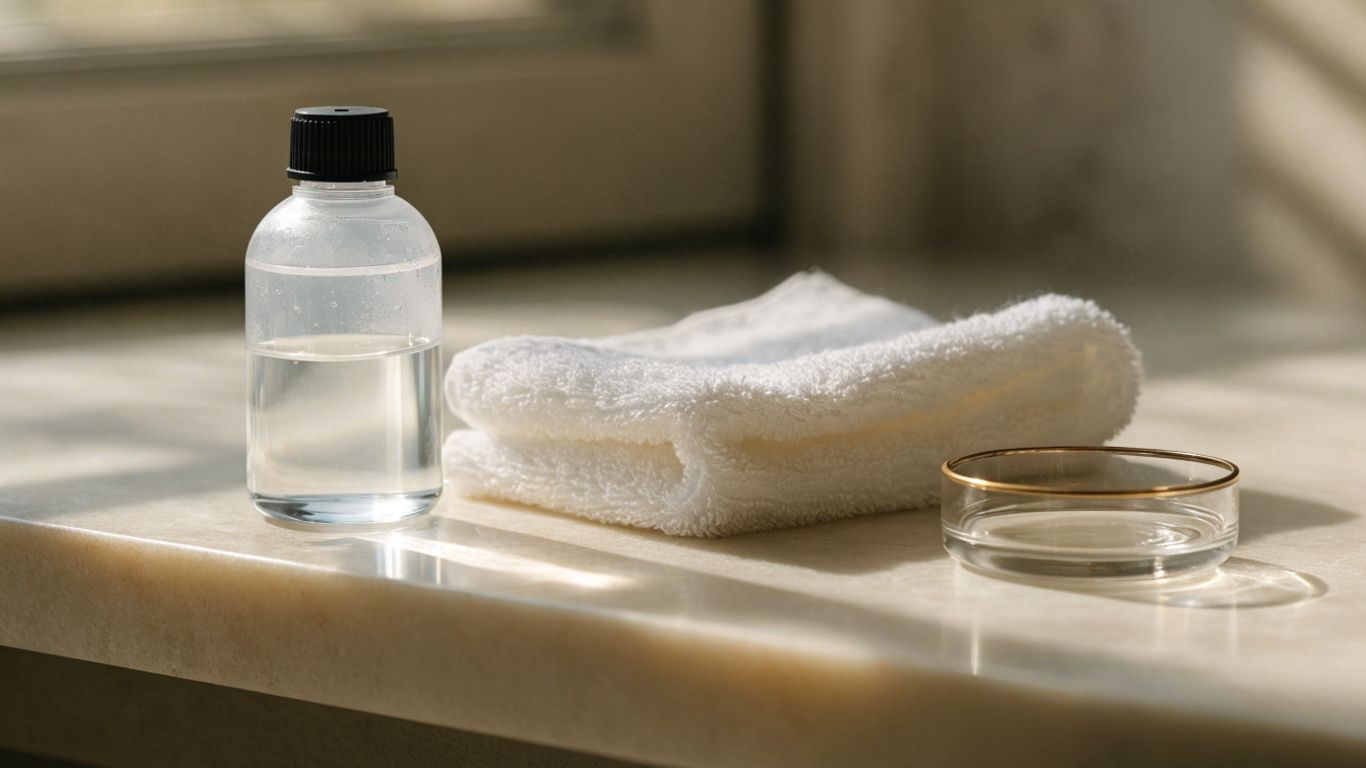
Check the ingredient list for potential irritants
If you know that certain ingredients bother you, scan for them before using a product and ask a healthcare professional if you are unsure what to avoid. A shorter list is not automatically gentler, and the word “natural” does not rule out sensitivity. When trying something new, use it as directed and stop if you notice a reaction.
Consider fragrance, flavor, and warming additives
Fragrance, flavor, or warming ingredients can change the sensory experience, but they may not suit everyone. If you are prone to irritation, a simpler formula without optional sensory additives may be a reasonable starting point. Read the label closely, since product names and packaging may not make every ingredient or use instruction obvious.
Match the formula to your comfort and intended use
Think about how much glide you prefer, whether you mind reapplying, and whether you plan to use a condom or personal device. Product directions can also specify whether the formula is intended for particular kinds of use. For more context on general uses of water-based lubricants, compare those considerations with your own plans rather than assuming one formula suits every situation.
Compare product labels without relying on “natural” claims
Marketing language can be appealing, but it does not replace details about ingredients, intended use, or compatibility. Arousellube’s stated product offering is water-based, edible personal lubricants made with natural ingredients; check the label for the exact product’s directions and ingredient list. When comparing options, these questions can help keep the decision grounded:
- Which ingredients do I recognize or need to avoid?
- Does the label explain the product’s intended use?
- Are condom and device compatibility instructions available?
- Does the texture sound comfortable for my preferences?
Use the answers to narrow your choices, then follow the directions on the product you select. A claim on the front of a package should not be treated as a substitute for specific instructions.
How to use it comfortably
A comfortable experience depends on using enough lubricant, applying it where needed, and responding to how it feels. Read the label first, since directions can vary across products. If you are using a personal device or condom, check its instructions as well. Arousellube offers water-based, edible personal lubricants made with natural ingredients; follow the directions on the specific product rather than assuming all formulas are used in exactly the same way.
Apply a small amount and add more as needed
Begin with a small amount and spread it where you want to reduce friction. If you still feel drag, add a little more instead of trying to push through discomfort. Taking a moment to adjust can make it easier to notice what amount feels right for you.
Reapply if the lubricant begins to feel tacky or dry
A water-based formula may lose some of its slippery feel as it dries. If it starts to feel tacky, pause and reapply according to the label. Adding more can be more comfortable than continuing with too little, but persistent dryness or pain deserves attention beyond simply increasing the amount.
Use it with fingers or compatible personal devices
You can apply lubricant with clean fingers or use it with a personal device when the product and device instructions allow. Wash your hands before and after use, and clean the device as directed by its maker. The details matter: a formula that works with one device material may not be appropriate for another.
Stop using it if you notice irritation or discomfort
If you feel burning, itching, swelling, or other discomfort after application, stop using the product and gently rinse the area with water if appropriate. Do not keep applying it to see whether the sensation passes. If symptoms persist, become severe, or include signs of an allergic reaction, contact a healthcare professional.
Compatibility with condoms and personal devices
Compatibility depends on the exact lubricant, condom, and device—not just the broad category printed on the bottle. Read each product’s instructions before use, and choose a combination that both manufacturers say is suitable. When directions are unclear, pause and check with the manufacturer or a healthcare professional instead of guessing.
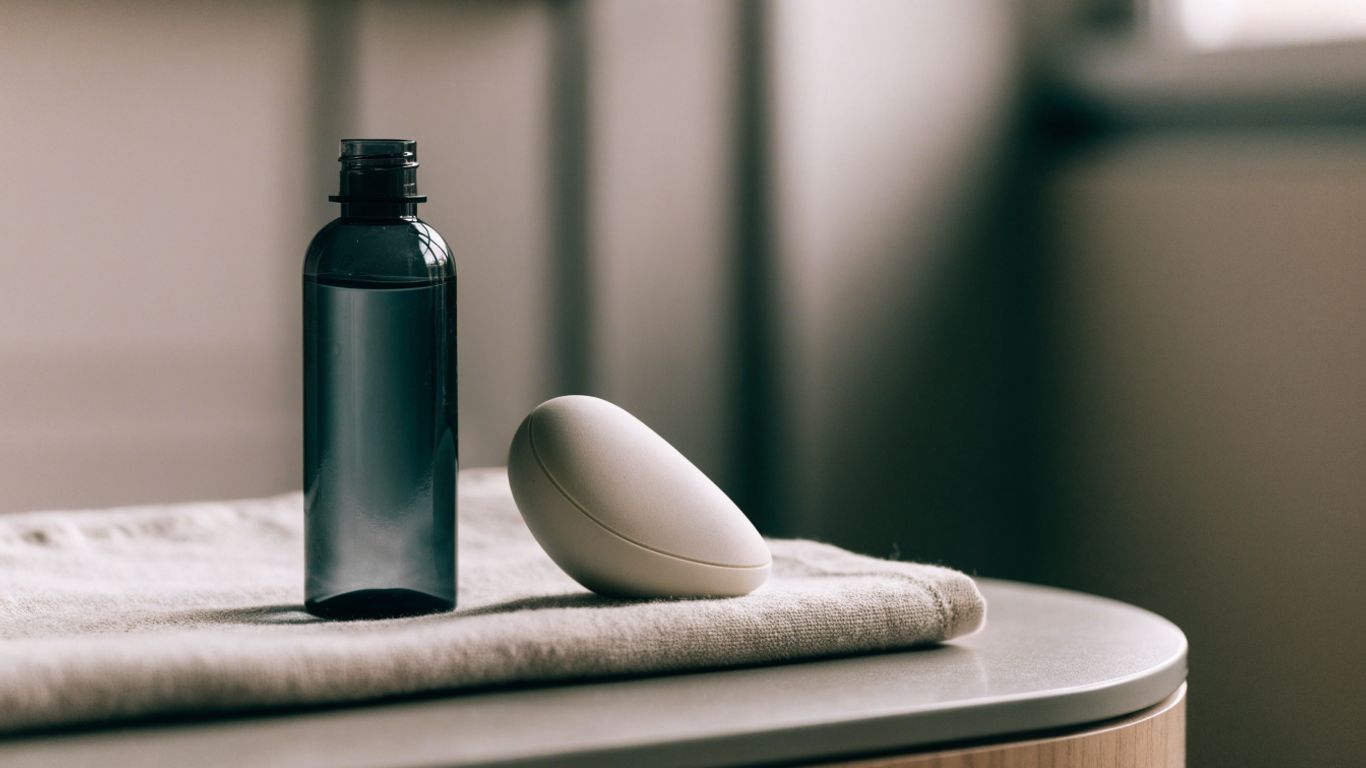
Check condom packaging and lubricant instructions
Look at the condom packaging and lubricant label for compatibility information. Some lubricant bases can damage particular condom materials, so do not assume that a formula is suitable just because it is marketed for personal use. Follow the instructions for both products, including any warnings about use or storage.
Understand compatibility with common device materials
Device materials can respond differently to lubricants, and the product’s general base does not settle every compatibility question. In particular, check the device maker’s guidance before using a lubricant with a silicone device. If the instructions do not answer your question, contact the manufacturer rather than testing an uncertain combination during use.
Follow the device maker’s cleaning and care guidance
Clean personal devices as the manufacturer directs, including any guidance about the cleaning product, water exposure, and drying. Lubricant residue can remain on a device, so do not assume a quick rinse is enough for every material. Following the device-specific care instructions helps avoid damage and keeps cleaning practices consistent.
Avoid assuming every formula works with every product
A label that mentions condoms or devices may still have limits, so look for the exact compatibility details. If you use more than one product together, check the instructions for each item. Compatibility is a practical part of choosing a lubricant, not a detail to leave until after you have started.
Storage, hygiene, and product safety
Good storage and handling help you follow the product’s intended use and notice when something may be wrong. Keep the container and directions available, and use the lubricant only as the label instructs. If the package is damaged or the contents appear changed, set it aside rather than taking a chance.
Check the expiration date and packaging condition
Before use, look for an expiration date and inspect the container for leaks, damage, or a broken seal. Do not use a product past its stated date or from packaging that appears compromised. If the date is missing or unreadable, contact the seller or manufacturer for guidance.
Store the product as directed on its label
Storage conditions can vary by formula, so follow the label rather than assuming every bottle belongs in the same place. Keep it away from conditions the manufacturer warns against, such as excessive heat. If the directions are unclear, seek clarification from the manufacturer.
Keep the bottle clean and avoid sharing it
Wash your hands before handling the container and avoid letting its opening touch skin or other surfaces. Close the cap promptly after use, and do not share a bottle if that could transfer germs between users. Clean handling is a simple habit that helps keep the product and its opening in better condition.
Discard products that change in smell, color, or texture
A noticeable change in smell, color, or texture can be a reason to stop using the product, even if the expiration date has not passed. Do not try to restore it by shaking or mixing it with another lubricant. Replace it or ask the manufacturer what to do.
When to seek medical advice
Occasional discomfort may have several possible causes, including a reaction to a product, but it is not always possible to identify the reason at home. Stop using a formula that seems to trigger symptoms, and seek care when symptoms are persistent, severe, or new. A healthcare professional can help distinguish sensitivity from other concerns and discuss options suited to your circumstances.
Get guidance for persistent irritation or allergic symptoms
Stop using the product if irritation continues or returns, and contact a healthcare professional for guidance. Seek urgent care for severe symptoms such as significant swelling or trouble breathing. If you suspect an allergy, keep the product packaging or ingredient list available to share with the clinician.
Discuss ongoing dryness or pain with a healthcare professional
Ongoing dryness or pain may have causes that lubricant alone will not address. A clinician can discuss possible contributors and help you decide whether a different product or another form of care is appropriate. Do not feel that you need to tolerate pain during personal activity.
Seek care for unusual discharge, sores, or other new symptoms
Unusual discharge, sores, or other new symptoms should be assessed by a healthcare professional, particularly if they persist or worsen. Avoid using a product that seems to aggravate the area while you arrange care. The clinician can advise whether testing, treatment, or a change in product use is needed.
Ask about lubricant choices if you have a diagnosed sensitivity
If you have a diagnosed sensitivity or have reacted to products before, ask a healthcare professional which ingredients or product types to avoid. Bring the ingredient list of any lubricant you are considering. That conversation can help you make a more informed choice without relying on broad claims such as “gentle” or “natural.”
Conclusion
Water-based lubricant can be a convenient choice for personal use, but the best fit depends on the formula, your comfort, and what you plan to use it with. Read the label, follow condom and device instructions, and stop if irritation occurs. If symptoms persist or you have ongoing pain or dryness, a healthcare professional can help you decide what to do next.
Frequently Asked Questions
What is water-based personal lubricant?
It is a lubricant with water as its primary base. Other ingredients may affect its texture, feel, and shelf life, so check the label for the details of a particular formula.
Does water-based lubricant dry out?
It can begin to feel tacky or less slippery as it dries. If that happens, pause and reapply according to the product directions.
Can I use water-based lubricant with condoms?
Check both the lubricant label and condom packaging for compatibility instructions. Do not assume every product is suitable for every condom material.
Is water-based lubricant safe to use with personal devices?
It may be suitable with some devices, but compatibility depends on the formula and device material. Follow the device maker’s guidance and the lubricant instructions.
How much lubricant should I use?
Start with a small amount and add more if you need it. Follow the product directions and stop if you notice discomfort.
What should I do if lubricant causes irritation?
Stop using it and rinse the area with water if appropriate. Contact a healthcare professional if symptoms persist, worsen, or seem severe.
When should I seek medical advice about dryness or pain?
Discuss ongoing dryness or pain with a healthcare professional, especially if it is persistent or affects your comfort. Seek care as well for unusual discharge, sores, or other new symptoms.





































































