

Posted by Mike
on August 31, 2026

Key Takeaways
A homemade personal lubricant may seem simple, but intimate tissue has specific needs that pantry ingredients do not always meet. A cautious approach protects comfort, barriers, and sexual health.
- Prefer simple, unscented, body-safe formulas made for intimate use.
- Remember that oils can weaken latex condoms and dental dams.
- Treat homemade mixtures as highly perishable because they lack controlled preservation.
- Consider pH, osmolality, allergies, tissue sensitivity, and the activity involved.
- Choose a professionally made lubricant when consistency, testing, and shelf life matter.
Understand what makes a lubricant body-safe
A lubricant should reduce friction without disturbing the tissues it touches. That means more than choosing something that feels slippery on the hand. The formula’s pH, osmolality, ingredients, preservation, and barrier compatibility all matter. For a useful overview of these principles, see this guide to body-safe personal lubricants.
How pH and vaginal health affect ingredient choices
The vagina has a naturally acidic environment, and changes in that environment can affect comfort and microbial balance. A homemade mixture rarely comes with verified pH information, so its effect may be unpredictable, especially for someone prone to irritation, bacterial vaginosis, or yeast infections. Fragrance-free, uncomplicated formulas are generally a more cautious choice than mixtures containing botanicals, flavorings, or household additives.
Vaginal dryness can also have many causes, including hormonal changes, medication, stress, and insufficient arousal. Lubricant can ease friction, but recurring dryness, burning, unusual discharge, odor, or pain deserves a conversation with a clinician rather than repeated experimentation at home.
Why osmolality matters for comfort and tissue health
Osmolality describes how many dissolved particles a solution contains compared with body fluids. A lubricant with substantially higher osmolality may draw water away from surface cells, potentially contributing to stinging, dryness, or tissue irritation. You cannot reliably estimate this property from a recipe or from the way a mixture feels between your fingers.
That uncertainty is one reason professionally formulated products can be useful. Manufacturers can measure and adjust properties that are difficult to assess in a kitchen, alongside testing the formula for stability and contamination. Comfort is a safety signal, not merely a matter of preference; stop if a product burns or causes persistent irritation.
The difference between lubrication and moisturizing
Lubrication temporarily reduces friction during sexual activity. Moisturizing products, by contrast, are intended to remain on tissue and support ongoing comfort between sexual encounters. A homemade gel may feel hydrating, but that does not make it a suitable vaginal moisturizer or treatment for an underlying condition.
Use products according to their intended purpose, and do not assume that “natural” means appropriate for internal use. People with sensitive skin may want to patch-test a small amount externally first, although a patch test cannot prove that an ingredient is safe inside the vagina or rectum.
Evaluate common homemade lubricant ingredients
Many homemade personal lubricant ideas begin with water, starch, aloe, or oil. Each category behaves differently, and each carries trade-offs involving preservation, cleanup, tissue tolerance, condoms, and toys. The fact that an ingredient is edible or commonly used on skin does not automatically make it suitable for intimate use.
Water-based options and their limitations
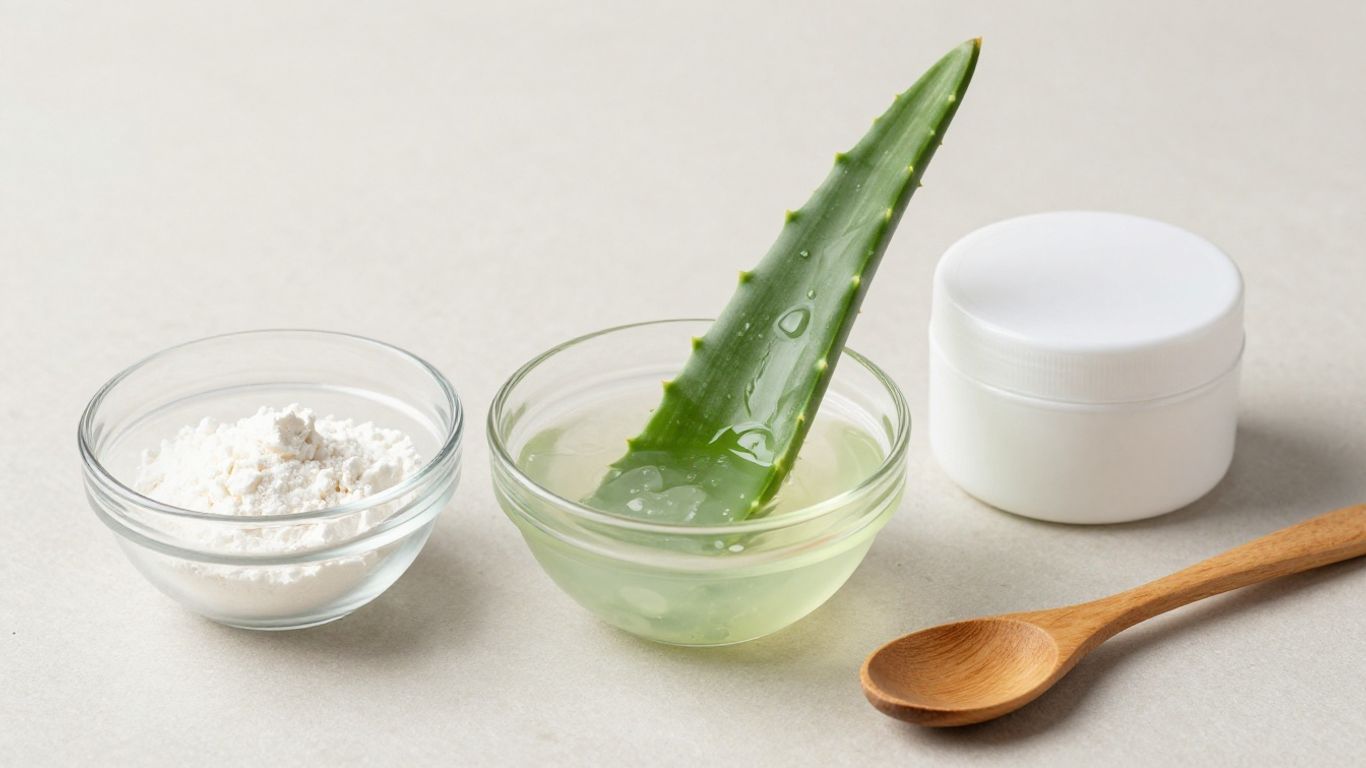
Water-based mixtures usually rinse away easily and are less likely than oils to interfere with latex barriers. Aloe vera gel may feel soothing, but a product intended for sunburn or skincare can contain alcohol, fragrance, preservatives, or other additives that sting delicate tissue. If considering aloe, look for a simple, unscented ingredient profile and avoid applying products with ingredients you cannot identify.
Starch-and-water mixtures can become thick and slippery after heating, but their texture and safety depend on preparation. They are not automatically pH-balanced, sterile, or preserved. A water-based DIY recipe guide may explain a preparation method, but following a recipe still does not provide the quality controls of a tested intimate product.
Oils, butters, and petroleum-based products
Coconut, olive, almond, and similar oils can provide a lasting glide, while butters and petroleum jelly may feel occlusive. They can also be difficult to wash away and may trap residue against tissue. Plant origin does not remove allergy concerns, and nut-derived oils deserve particular caution for anyone with a nut allergy.
Oil is the central compatibility problem. It can weaken latex condoms, dental dams, and latex gloves, increasing the chance of barrier failure. Petroleum-based products are also not designed as personal lubricants and may irritate some users or disrupt cleanup.
The following comparison helps separate a pleasant texture from a practical choice:
| Homemade base | Possible advantage | Main concern | Barrier note |
|---|---|---|---|
| Water and starch | Inexpensive, washable texture | Spoilage and uncertain pH | Usually less problematic for latex, but test product directions |
| Aloe vera gel | Light, cooling feel | Additives and contamination | Check the complete formula |
| Coconut or olive oil | Long-lasting glide | Allergy, residue, tissue irritation | Not compatible with latex |
| Petroleum jelly | Occlusive texture | Difficult cleanup and unsuitable formulation | Not compatible with latex |
The table is a starting point, not a safety certification. If a barrier is part of your sexual-health plan, use a lubricant specifically labeled as compatible with that barrier.
Food ingredients such as aloe vera, cornstarch, and yogurt
Aloe vera and cornstarch are often discussed because they can produce a smooth or gel-like texture. Yogurt is sometimes suggested because it contains cultures, but food products are not sterile intimate-care products and may contain sugars, proteins, or other components that irritate tissue or support microbial growth. “Edible” and “safe for insertion” are different claims.
If you are comparing recipes, a natural lubricant ingredient guide can help frame questions about aloe, thickeners, fragrances, and compatibility. Still, a recipe’s simplicity cannot replace controlled manufacturing, an expiration date, or a clear intended-use statement.
Know which homemade ingredients to avoid
The safest homemade lubricant is not necessarily the one with the longest ingredient list. Sensitive tissue can react to substances that smell pleasant, taste sweet, or feel warming on ordinary skin. Avoiding predictable irritants is more sensible than trying to correct irritation after it begins.
Irritating additives, fragrances, and essential oils
Fragrance, dyes, menthol, cinnamon, peppermint, and essential oils can cause burning or contact dermatitis. Essential oils are highly concentrated and are not made safer simply by adding a few drops to a homemade mixture. Warming or tingling sensations can be signs of irritation rather than evidence that a product is working well.
The same principle applies to scented body lotions, soaps, and cosmetic gels. For delicate tissue, choose an unscented formula with a short, transparent ingredient list. If symptoms persist after stopping a product, seek medical advice.
Sugary ingredients and the risk of yeast overgrowth
Honey, sugar, syrups, and sweetened food products can make a mixture sticky and may encourage unwanted microbial growth. They can also irritate tissue, particularly when left in warm, moist areas. A product marketed as flavored is not necessarily suitable for vaginal or anal insertion; read its intended-use directions.
For oral sex, a product specifically formulated and labeled for that purpose is a more predictable choice than adding kitchen sweeteners to a homemade base. Flavor should never outweigh tissue comfort, barrier compatibility, or ingredient transparency.
Products that can damage latex condoms
Oil-based ingredients, including cooking oils, coconut oil, olive oil, massage oils, body butters, and petroleum jelly, can compromise latex. The same warning applies to latex dental dams and gloves. When barrier protection matters, water-based or silicone-based products labeled compatible with the barrier are generally easier choices.
Keep the packaging for both the lubricant and the barrier nearby. If you are unsure whether a toy, condom, or dental dam contains latex or another material, check the manufacturer’s instructions rather than guessing. A condom-compatible lubricant guide offers another useful way to think through these trade-offs.
Reduce contamination and spoilage risks
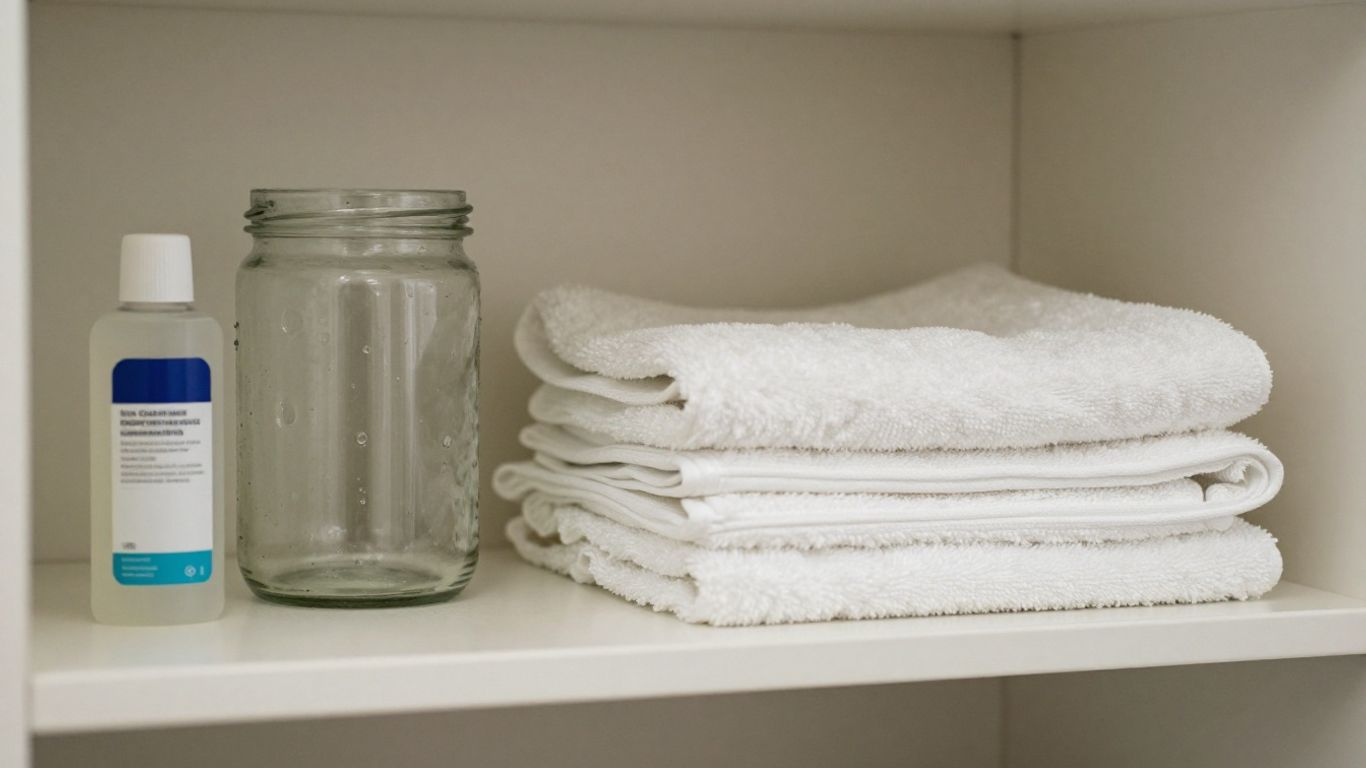
A kitchen-made mixture is exposed to hands, utensils, containers, air, and water quality. Even when every ingredient looks clean, the finished product may support bacteria, yeast, or mold. Preservation systems, sterile filling, and stability testing are difficult to reproduce at home.
Why homemade mixtures can grow bacteria and mold
Water-rich mixtures are especially vulnerable because microorganisms need moisture to multiply. Starch, aloe, dairy, and food residues can provide additional nutrients. Refrigeration may slow growth, but it does not make a mixture sterile or guarantee safety.
A mixture can be unsafe before visible mold appears. Changes in odor, color, separation, gas, texture, or surface growth are useful warning signs, but the absence of those changes is not proof that the product remains suitable.
Clean preparation and storage considerations
If someone chooses to make a small amount despite these limitations, clean hands, freshly washed utensils, a clean container, and minimal handling reduce—but do not eliminate—contamination risk. Do not dip fingers into a shared jar, add water later, or combine an old batch with a new one. Date the container and follow a deliberately short storage window rather than relying on memory.
A cautious preparation routine includes:
- Making only a small amount for immediate use.
- Using a clean, closable container and avoiding repeated finger contact.
- Keeping the mixture away from heat, sunlight, and bathroom splashes.
- Discarding leftovers instead of trying to refresh or reboil them.
These steps are risk reduction, not a substitute for preservation or laboratory testing. For broader hygiene thinking, even a general manual handling safety guide illustrates the value of planning, clean technique, and avoiding preventable exposure.
Warning signs that a mixture should be discarded
Discard a homemade lubricant if it smells sour or unusual, changes color, develops lumps or a film, separates unexpectedly, becomes unusually watery or stringy, or causes stinging. Do not taste a questionable mixture to decide whether it is still usable. When in doubt, throw it away; replacing a small batch is preferable to treating an infection or skin reaction.
If burning, swelling, rash, pain, bleeding, unusual discharge, or odor develops, rinse gently with water and stop using the product. Avoid inserting another product to mask the symptoms, and contact a clinician if they are severe, persistent, or recurrent. A general dependable repair service may be useful for household problems, but intimate symptoms call for healthcare expertise.
Match lubricant choices to sexual activity
There is no single best lubricant for every body or every activity. Vaginal, anal, and external tissues differ, as do the demands of penetration, toy use, oral sex, and water exposure. Choosing by activity first helps prevent avoidable discomfort and incompatibility.
Vaginal use and irritation concerns
For vaginal use, prioritize a simple formula that feels comfortable and does not cause burning, dryness, or itching. A water-based lubricant is often easy to clean, while a silicone-based formula may last longer. Individual tolerance matters, so stop using any product that repeatedly triggers symptoms even if its ingredient list looks appealing.
Recurring pain or dryness should not be treated as a recipe problem alone. A clinician can assess hormonal, dermatological, infectious, or medication-related causes and suggest appropriate treatment.
Anal use and the need for longer-lasting lubrication
The rectum does not self-lubricate in the same way as the vagina, so adequate lubricant and reapplication are especially important for comfort. A thicker water-based formula or a silicone-based formula may provide longer-lasting glide, depending on personal preference and toy compatibility. Go slowly, communicate, and stop with pain or bleeding.
Lubricant reduces friction but does not eliminate the need for a suitable barrier, gentle technique, and attention to bodily signals. Do not move a toy or penis from the anus to the vagina without cleaning it or changing the condom, since this can transfer bacteria.
Compatibility with condoms, dental dams, and sex toys
Read the lubricant and barrier instructions together. Latex generally requires avoiding oils, while silicone toys may be affected by some silicone-based lubricants; when in doubt, test only according to the toy maker’s guidance or choose a water-based formula. Materials labeled TPE or TPR can also require special care.
For household safety planning, the idea behind gutter and downspout solutions is surprisingly applicable: the right system depends on directing exposure away from vulnerable areas. In intimate care, that means matching the lubricant base to the barrier and toy material rather than assuming one formula fits all.
Choose safer store-bought alternatives
A professionally made lubricant offers consistency that a homemade personal lubricant usually cannot. It can be manufactured with controlled ingredients, measured properties, preservation, packaging, and an expiration date. Arousellube offers water-based, edible personal lubricants made with natural ingredients, giving shoppers a product category designed specifically for intimate use rather than repurposed pantry ingredients.
How to compare water-based, silicone-based, and oil-based formulas
Water-based lubricants are versatile and usually easy to rinse away, though they may need reapplication. Silicone-based formulas tend to last longer and work well around water, but they require attention to toy-material compatibility. Oil-based formulas can offer a rich, lasting feel but are not suitable with latex barriers.
Use the activity, barrier, and cleanup requirements as your first filters:
| Formula type | Often suits | Cleanup | Key caution |
|---|---|---|---|
| Water-based | General vaginal use and many toys | Easiest | May dry sooner |
| Silicone-based | Longer sessions and water exposure | More involved | Check silicone-toy compatibility |
| Oil-based | Non-latex situations | Can leave residue | Weakens latex barriers |
Arousellube offers water-based, edible personal lubricants made with natural ingredients, which may suit readers who want a natural-ingredient option with a clear intimate-care purpose. Compare the actual label and directions rather than relying on the word “natural” alone.
Ingredients and certifications to look for
Look for a complete ingredient list, intended use, batch or lot information, expiration guidance, and clear condom and toy-compatibility directions. People with sensitivities may prefer fragrance-free, dye-free formulas and may want to avoid ingredients they already know trigger reactions. Terms such as vegan, cruelty-free, or organic can describe meaningful values, but they do not by themselves confirm pH, osmolality, preservation, or personal tolerance.
Arousellube describes its products as non-GMO, vegan, third-party tested, and pH-balanced, with natural ingredients and a focus on plant-derived comfort. Those are useful qualities to compare against the needs of your own body, provided the current package and product information support the specific formula you are considering. For a broader label-reading framework, see this personal lubricant buying guide.
A health-and-safety mindset also means checking provenance in other sensitive categories; for example, FDA-approved peptide options are discussed in terms of regulated sourcing and verification. The same habit—look for traceability rather than attractive wording—belongs in intimate-care shopping too.
When to stop using a product and contact a clinician
Stop using a lubricant if it causes burning, itching, rash, swelling, pain, bleeding, or a new change in discharge or odor. Wash the external area gently with water, avoid douching, and do not keep testing the product to see whether symptoms improve. Seek prompt care for severe pain, significant swelling, breathing symptoms, or signs of an allergic reaction.
For symptoms that are mild but persistent or recurring, a clinician can help identify infection, dermatitis, hormonal dryness, or another cause. A product that feels good initially is not worth continuing if your body consistently objects.
Conclusion
A homemade personal lubricant can be tempting when you want a quick, inexpensive option, but intimate safety depends on more than slipperiness. pH, osmolality, contamination, preservation, tissue sensitivity, and compatibility with barriers and toys all deserve attention. When those details are uncertain, a clearly labeled, professionally made lubricant is often the more reassuring intimate essential.
Frequently Asked Questions
Is homemade personal lubricant safe?
It can be difficult to verify because homemade mixtures are rarely tested for pH, osmolality, preservation, or contamination. A simple ingredient list does not guarantee suitability for vaginal or anal use.
Can I use aloe vera gel as lubricant?
Some people tolerate a simple, unscented aloe gel, but skincare products may contain alcohol, fragrance, or preservatives that irritate intimate tissue. Check the complete ingredient list and stop if it stings.
Is cornstarch and water a safe lubricant?
A cornstarch-and-water mixture may feel slippery, but it is perishable and its pH, microbial safety, and barrier compatibility are uncertain. It should not be treated as equivalent to a tested lubricant.
Can coconut oil be used with condoms?
Coconut oil and other oils can weaken latex condoms, dental dams, and gloves. Do not combine oil-based products with latex barriers.
Why should sugar and honey be avoided?
Sugary ingredients can irritate tissue and may encourage microbial growth. They are not a reliable way to make an intimate lubricant safer or more comfortable.
What lubricant is best for anal sex?
Choose a product that provides lasting glide, use enough of it, and reapply as needed. A thicker water-based or silicone-based formula may work well, but compatibility with condoms and toys still matters.
When should I see a clinician after using lubricant?
Seek medical advice for persistent burning, itching, rash, swelling, pain, bleeding, unusual discharge, odor, or recurring symptoms. Severe pain or allergic symptoms require prompt care.
Visit Our store here: https://www.arousellube.com/
For more Blogs Click here: https://www.arousellube.com/blogs/news
For arousellube shop Click here: https://www.arousellube.com/collections/shop-all-arouselube
For affiliate Click here: https://www.arousellube.com/pages/affiliate-programs