

Posted by Mike
on July 31, 2026

Key Takeaways
Choosing a lubricant for men is less about finding one universal “best” product and more about matching the formula to your body, activity, and barrier method.
- Water-based formulas are versatile and easy to clean.
- Silicone-based formulas usually provide longer-lasting glide.
- Oil-based products can weaken latex condoms.
- Ingredients, fragrance, and additives matter for sensitive skin.
- Stop using a product if it causes burning, itching, or pain.
Understanding what lubricant for men does
Personal lubricant reduces friction between skin, condoms, or toys. That can make sexual activity feel smoother and help prevent discomfort caused by dryness or repeated rubbing. A good lubricant for men should feel comfortable, suit the activity, and work safely with anything else being used.
How lubricant reduces friction and improves comfort
Lubricant creates a slippery layer that helps surfaces move more easily. This can be useful during partnered sex, masturbation, or toy use, especially when natural moisture is limited or a session lasts longer than expected. Comfort should guide the choice, not assumptions about what a particular body needs.
The right texture is personal. A thinner gel may feel light and clean, while a thicker formula can provide more cushioning and stay where it is applied.
When to use lubricant during sex or masturbation
Apply lubricant before friction becomes uncomfortable rather than waiting until the skin feels sore. It can be used on the body, on a condom, or on a compatible toy, depending on the product instructions. For solo sessions, our guide to male masturbation lubricants offers a useful way to think about viscosity, texture, and cleanup.
Start with a small amount and add more as needed. Lubricant can also be helpful during transitions between activities, when a condom is put on, or whenever the original application begins to feel less slippery.
How personal preferences affect the best choice
Some people prefer a barely-there texture, while others want a denser, silkier feel. Taste, scent, cleanup, and the frequency of reapplication can all affect satisfaction. A water-based, edible lubricant made with natural ingredients may appeal to people who want a versatile intimate essential with a simpler sensory profile.
Personal preference also includes the setting. A formula for a quick solo session may not be the same one you choose for a longer partnered experience or toy play.
Signs that a lubricant may be irritating
Irritation can appear as stinging, itching, redness, swelling, or a burning sensation. Stop using the product and rinse gently with lukewarm water if symptoms begin. Avoid adding another scented product to the area, since that can make it harder to identify the cause.
If symptoms continue or become severe, seek medical advice. Recurring irritation may reflect an ingredient sensitivity or an unrelated skin or genital health concern.
Comparing the main types of lubricant
The four broad categories are water-based, silicone-based, oil-based, and hybrid formulas. Each has a different balance of glide, cleanup, longevity, and material compatibility. Reviewing a personal lubricant buying guide can help organize those trade-offs, but the label for the product in your hand remains the final reference.
Water-based lubricants for versatility and easy cleanup
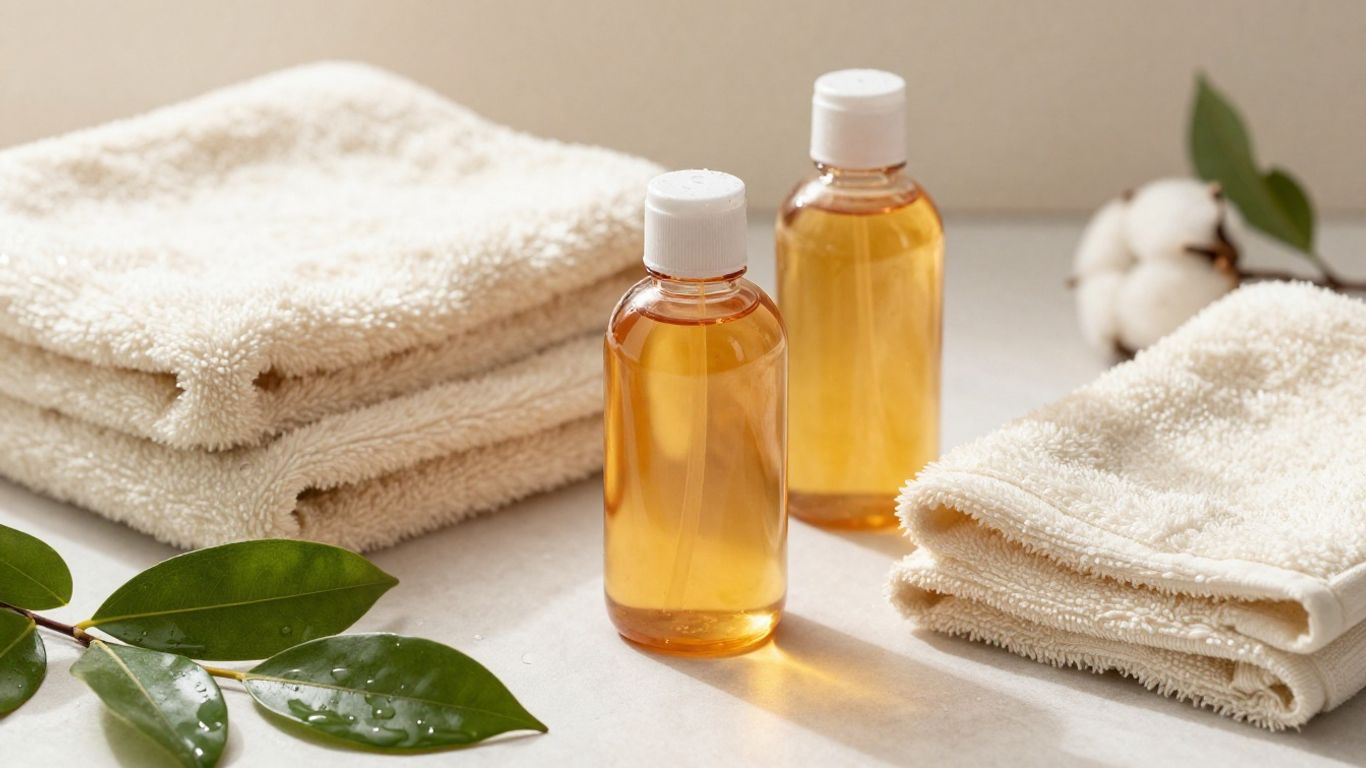
Water-based lubricants are often a practical starting point because they rinse away easily and generally work with many condoms and toys. They may dry sooner than silicone-based products, particularly during longer sessions, but reapplication is straightforward. Arousellube offers water-based, edible personal lubricants made with natural ingredients and designed to enhance pleasure and intimacy.
When choosing one, look at its thickness as well as its base. A lightweight gel may be preferable for everyday versatility, while a richer texture can feel more substantial.
Silicone-based lubricants for longer-lasting glide
Silicone-based lubricants tend to maintain their slipperiness for longer, which can be useful in situations where frequent reapplication is inconvenient. They are not automatically compatible with every toy, however, so check the toy material and the manufacturer’s guidance before use.
They also take more effort to wash from skin and fabrics than water-based formulas. That is not necessarily a drawback, but it is part of the practical choice.
Oil-based lubricants and their material limitations
Oil-based lubricants include products made with plant oils and other oil ingredients. They can feel rich and persistent, but they are a poor match for latex condoms because oil can weaken latex. Oils may also be difficult to remove from fabrics and may not suit every toy material.
For background on the differences between refined and unrefined coconut oil, see this coconut oil comparison. That information is useful for general personal-care decisions, but it does not replace checking condom compatibility.
Hybrid formulas and when they may be useful
Hybrid formulas combine water with silicone or another base to balance easier cleanup with a longer-lasting feel. Their exact performance varies, so read the label rather than assuming every hybrid behaves the same way. They can be appealing when a water-based formula feels too quick to dry but a full silicone formula feels too difficult to clean.
The most useful comparison is the one that reflects your actual routine: activity, condom use, toy use, preferred texture, and willingness to reapply.
Choosing ingredients that support comfort and safety
The base is only one part of a lubricant. Preservatives, humectants, fragrances, flavors, and sensation-producing additives can change how a product feels on delicate tissue. People who are prone to irritation may want a shorter, clearer ingredient list and a formula designed with pH and body comfort in mind.
Ingredients that may help sensitive skin
A simple formula without unnecessary fragrance or strong sensory additives may be easier for sensitive skin to tolerate. Look for clear labeling, body-safe ingredients, and directions that explain intended use. Arousellube’s positioning centers on natural ingredients, pH-balanced formulas, and third-party tested formulations, so readers interested in that approach can review ArouselLube Intensifying Gel for its documented product information.
“Natural” does not guarantee that a product will suit everyone. Plant-derived ingredients can still cause a reaction, which is why a cautious first use makes sense.
Fragrances, flavors, and warming additives to evaluate
Scented, flavored, warming, cooling, or tingling products can add sensory variety, but they also introduce more ingredients. If you have reacted to personal-care products before, begin with an unscented formula and avoid several new additives at once.
Flavor matters especially when oral contact is planned. Confirm that the product is labeled for that use rather than relying on its smell or taste alone. Choosing a fragrance for the body is a different exercise; a signature fragrance guide explains how scent families and skin can affect perfume choices, though those principles do not make perfume suitable as lubricant.
Glycerin, parabens, and other commonly discussed ingredients
Glycerin and parabens are often discussed by shoppers looking for simpler formulas. Their presence or absence is not the only measure of safety, and online claims about ingredients can be oversimplified. Read the complete label and consider your own history of sensitivity.
Other points may include osmolality, pH, preservatives, and whether the formula is vegan or cruelty-free. If you want a natural-focused comparison, this natural lubricant guide discusses ingredient choices and compatibility considerations.
How to read the product label before buying
Start with the lubricant’s base, intended use, and compatibility statements. Then check the ingredient list, expiration date, storage directions, and any warnings. A label should make it possible to answer the basic questions before the bottle is opened.
A quick review can follow this order:
- Identify whether the formula is water-, silicone-, oil-, or hybrid-based.
- Check whether it is compatible with your condom and toy materials.
- Look for fragrance, flavor, warming, cooling, or numbing additives.
- Confirm the intended use and expiration date.
This small habit reduces guesswork. It also makes it easier to compare products without being distracted by packaging or broad marketing language.
Matching lubricant to condoms and sex toys
Compatibility is a safety issue, not merely a question of texture. A lubricant that feels excellent can still be unsuitable for a latex condom or a particular toy. Before use, identify the material involved and follow the lubricant and accessory manufacturers’ instructions.
Why oil-based lubricant can damage latex condoms
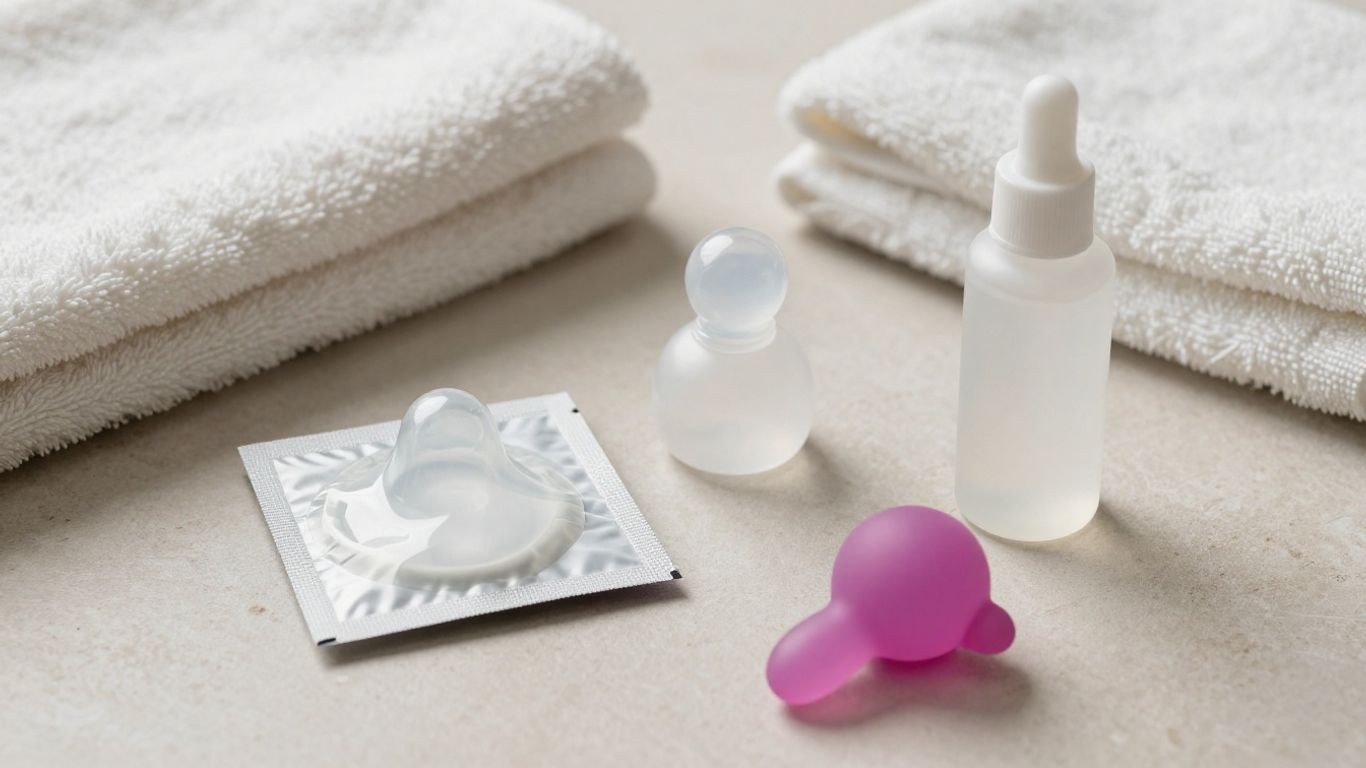
Oil can weaken latex and increase the chance that a condom will break. This includes many household oils, massage oils, and oil-based personal lubricants. If latex protection is part of the plan, choose a formula specifically labeled as compatible with latex instead.
Do not assume that a small amount of oil is harmless. The safest approach is to keep oil-based products away from latex barriers.
Lubricants that work with silicone, glass, and plastic toys
Glass and many hard plastic toys are generally less reactive to lubricant bases, but the exact product and toy instructions still matter. Silicone toys require extra care because some silicone-based lubricants may affect the toy’s surface. When uncertain, use a compatible water-based formula or test a small, inconspicuous area according to the manufacturer’s guidance.
Clean the toy after use as directed. Lubricant compatibility and cleaning compatibility are related but not identical questions.
Checking compatibility with polyurethane and polyisoprene condoms
Polyurethane and polyisoprene condoms do not have exactly the same material properties as latex condoms. Their packaging should state which lubricant bases are suitable. If the information is unclear, ask the manufacturer or select a product with explicit compatibility guidance.
This is one reason a general personal lubricant use guide can be helpful before shopping, especially when condoms, toys, and different activities are part of the same routine.
When to follow the manufacturer’s care instructions
Manufacturer instructions take priority over general rules. They may specify which lubricants to use, how to clean a toy, whether a condom material is compatible, and how the product should be stored. Keep the packaging or save the care page if the information may be needed later.
For a wider perspective on choosing durable materials for everyday products, this advice on outdoor furniture materials is a reminder that material selection matters; intimate products require their own specific compatibility guidance.
Using lubricant correctly
Good application is simple, but a few small habits improve comfort and reduce waste. Use clean hands, apply enough to cover the area involved, and reapply when the glide changes. The goal is a smooth experience, not a fixed amount measured in advance.
How much lubricant to apply and when to reapply
Begin with a small amount, spread it, and add more if friction returns. A thicker product may require less than a thin one, while water-based formulas may need more frequent reapplication. Apply lubricant to the body, condom, or toy only where the product instructions allow.
There is no universal correct quantity. Let comfort, movement, and the product’s texture determine the next application.
Testing a product on a small area of skin
A small skin test can reveal whether a product causes an obvious reaction before more extensive use. Apply a little to an area such as the inner forearm and wait, following the product’s directions. This does not guarantee that sensitive genital tissue will tolerate it, but it is a sensible first precaution.
If the test area becomes red, itchy, or painful, wash it off and do not use the product on intimate areas.
Preventing spills, stains, and contamination
Keep the bottle upright and close it promptly after dispensing. Avoid touching the nozzle to skin, toys, or other surfaces, since that can transfer bacteria into the container. A washable towel beneath the products can make cleanup easier without introducing lotions or household substitutes.
Travel and storage choices also affect hygiene. A smaller, tightly sealed container may be more practical than carrying a large bottle that can open in a bag.
Storing lubricant and checking its expiration date
Store lubricant in a cool, dry place away from direct sunlight unless the label says otherwise. Heat and repeated exposure to air can affect a product over time. Check the expiration date before use, and discard a bottle if its smell, color, or texture changes unexpectedly.
For additional application and storage pointers, see these lubricant application tips. The same basic principle applies: follow the label and keep the product clean.
Avoiding common lubricant mistakes
Most lubricant mistakes come from treating all slippery products as interchangeable. Household oils, lotions, saliva, and personal lubricants have different ingredients and different purposes. Taking a moment to check the base can prevent irritation, stains, or barrier failure.
Why household oils and lotions may be poor substitutes
Body lotion and facial moisturizer may contain fragrance, alcohol, or other ingredients that irritate genital tissue. Household oils can be difficult to clean and may damage latex. Even a product that feels gentle on an arm is not necessarily designed for intimate use.
A purpose-made lubricant is easier to evaluate because its intended use, ingredients, and compatibility information are presented together. This guide to lubricant alternatives explains why common household products deserve caution.
How incompatible products can cause condom breakage
Using an oil-based product with a latex condom can weaken the material, sometimes without an obvious change in appearance. A damaged barrier may no longer provide the expected protection. When using condoms, match the lubricant to the condom material before applying it.
If you are unsure which base is safe, choose one with clear compatibility labeling rather than guessing from its texture.
What to do if burning, itching, or pain occurs
Stop the activity and remove the product if burning, itching, or pain develops. Rinse gently with lukewarm water and avoid scrubbing. Do not try to cover the reaction with another lubricant or scented cleanser.
Mild irritation may settle after the product is removed, but worsening symptoms should not be ignored. Note the product and ingredients so you can discuss them accurately if help is needed.
When discomfort may require medical advice
Seek medical advice for persistent pain, swelling, sores, unusual discharge, bleeding, or symptoms that do not improve after stopping the product. Medical guidance is also appropriate when irritation keeps returning or when condom failure creates concern about pregnancy or infection.
Lubricant can improve comfort, but it cannot diagnose or treat an underlying condition. Prompt advice is better than repeatedly experimenting with new formulas.
Selecting a lubricant for specific needs
The best lubricant for men depends on the situation rather than gender alone. Consider sensitivity, duration, activity, barrier method, toy material, and cleanup before choosing a bottle. The male intimacy lubricant guide provides another useful overview of how these factors can affect comfort and sensation.
Options for sensitive or easily irritated skin
Choose a product with a straightforward ingredient list and avoid unnecessary fragrance, warming, cooling, or tingling additives when sensitivity is a concern. A water-based formula can be a practical starting point because it is versatile and easy to rinse away. Patch testing and careful first use remain worthwhile even when a product is marketed as natural or gentle.
If irritation persists, speak with a healthcare professional rather than cycling through increasingly specialized products.
Lubricants for longer sessions
For longer sessions, a silicone-based formula or a thicker hybrid may reduce the need for frequent reapplication. A water-based product can still work well if you are comfortable adding more as needed. The choice should also account for condom and toy compatibility, since longevity is not useful if the formula cannot be used safely.
Keep the bottle within reach and reapply before friction becomes uncomfortable.
Choosing a formula for anal sex
Anal sex typically benefits from generous, gradual application because the area does not self-lubricate in the same way as the vagina. A thicker water-based, silicone-based, or compatible hybrid formula may feel more cushioning. Avoid numbing products that could mask pain, and use only formulas compatible with the condom and toy materials involved.
Move slowly, communicate clearly, and stop if pain occurs. This anal lubricant guide covers base types, ingredients, and application considerations in more detail.
Travel-friendly packaging and discreet storage
For travel, choose a securely sealed bottle in a size that fits your routine. Keep it in a leak-resistant pouch and follow airline or destination rules for liquids. Discreet storage should not mean leaving the product in a hot car or an unclean bag.
A small, clearly labeled container is easier to inspect for leaks and expiration than an improvised refill. Privacy can be practical without compromising hygiene.
Conclusion
Choosing a lubricant for men becomes easier when you begin with the activity, then check the base, ingredients, condom or toy compatibility, and your own skin response. Start with a small amount, reapply as needed, and treat discomfort as useful feedback rather than something to push through.
Frequently Asked Questions
What is the best lubricant for men?
There is no single best option for everyone. Water-based formulas are versatile, silicone-based formulas can last longer, and the right choice depends on sensitivity, activity, condoms, toys, and preferred texture.
Is water-based lubricant safe with condoms?
Water-based lubricant is generally compatible with latex condoms, but read the product label to confirm. Compatibility statements are more reliable than assumptions based only on texture or brand category.
Can I use oil with a latex condom?
No. Oil-based products can weaken latex and raise the risk of condom breakage. Choose a lubricant labeled as compatible with the condom material instead.
How often should I reapply lubricant?
Reapply whenever the surface begins to feel dry or friction returns. Water-based formulas may require more frequent application, while silicone-based formulas often last longer.
Can lubricant be used with sex toys?
Yes, but the base must match the toy material. Check the toy manufacturer’s instructions, especially with silicone toys and silicone-based lubricant.
What should I do if lubricant burns?
Stop using it, rinse gently with lukewarm water, and avoid adding other products to the area. Seek medical advice if symptoms persist, worsen, or include significant pain, swelling, sores, or unusual discharge.
Does lubricant expire?
Yes. Check the expiration date and discard the product if it has passed that date or if its smell, color, or texture changes unexpectedly. Store it as directed on the label.





































































