

Posted by Mike
on September 05, 2026

Key Takeaways
Choosing a lubricant for men is less about finding one universal best option and more about matching the formula to your skin, activity, and intimate products.
- Water-based formulas are versatile and easy to clean.
- Silicone-based options usually last longer during extended activity.
- Oil-based lubricants need extra care around latex condoms.
- Fragrance and specialty additives can irritate sensitive skin.
- Persistent pain, dryness, or irritation deserves medical attention.
Understand what lubricant for men is designed to do
Personal lubricant is designed to reduce friction when natural moisture is not enough or when extra glide would make intimacy more comfortable. It can be useful during masturbation, partnered sex, and sex-toy use. The right formula should feel comfortable rather than distracting. This personal lubricant guide offers another useful overview of bases, compatibility, and dryness.
Reduce friction and improve comfort
Friction can make intimate activity feel rough, uncomfortable, or tiring. A small amount of lubricant creates a smoother surface between skin and skin, or skin and a toy, which may help reduce tugging and irritation. It does not need to feel heavy to work; texture and quantity both matter.
A lubricant for men can also make it easier to adjust pace and pressure. If the product starts to drag, add a little more rather than continuing through discomfort. Comfort should guide the process, not the assumption that a certain amount or sensation is normal for everyone.
Support masturbation and partnered intimacy
Lubricant can make solo touch feel smoother and can support more comfortable partnered intimacy. It may also help when arousal takes time, when activity lasts longer than expected, or when a condom adds friction. Personal preference matters: some people prefer a thin, quick-rinsing gel, while others like a silkier feel that lasts longer.
For solo use, consider how the formula feels on the hand and whether cleanup is simple. A dedicated personal lubricant is generally a better choice than household lotions, which may contain ingredients that are not intended for intimate skin. Solo lubricant guidance can help you think through texture, viscosity, and ingredient considerations.
Address dryness, sensitivity, and prolonged activity
Dryness can happen for many ordinary reasons, including stress, medication, hormonal changes, insufficient arousal, or simply individual differences. Lubricant can improve surface comfort, but it does not correct every underlying cause. If dryness is occasional, a compatible formula may be enough; if it is persistent, recurring, or painful, look beyond the bottle.
During prolonged activity, reapplication is normal. A formula that feels smooth at first may become tackier as it dries, particularly if it is water-based. Adding a small amount of fresh lubricant can restore glide without requiring a large quantity all at once.
Know when lubricant cannot replace medical care
Lubricant should not be used to mask ongoing pain, burning, bleeding, sores, unusual discharge, or marked irritation. Stop the activity if something hurts and wash away the product gently. Seek advice from a qualified clinician when symptoms continue or return.
A product can improve friction, but it cannot diagnose an infection, treat a skin condition, or resolve unexplained sexual pain. Medical care is especially appropriate when discomfort is new, severe, or associated with other changes in sexual or urinary health.
Compare the main types of personal lubricant
The main lubricant bases behave differently, so the best option depends on what you are doing and what you plan to use with it. Water-based products are often the easiest starting point, while silicone and oil formulas can suit more specific situations. Hybrids sit between those categories, but their exact behavior depends on the ingredients. Use this comparison as a starting point, then check the package instructions.
Water-based lubricant for versatility and easy cleanup
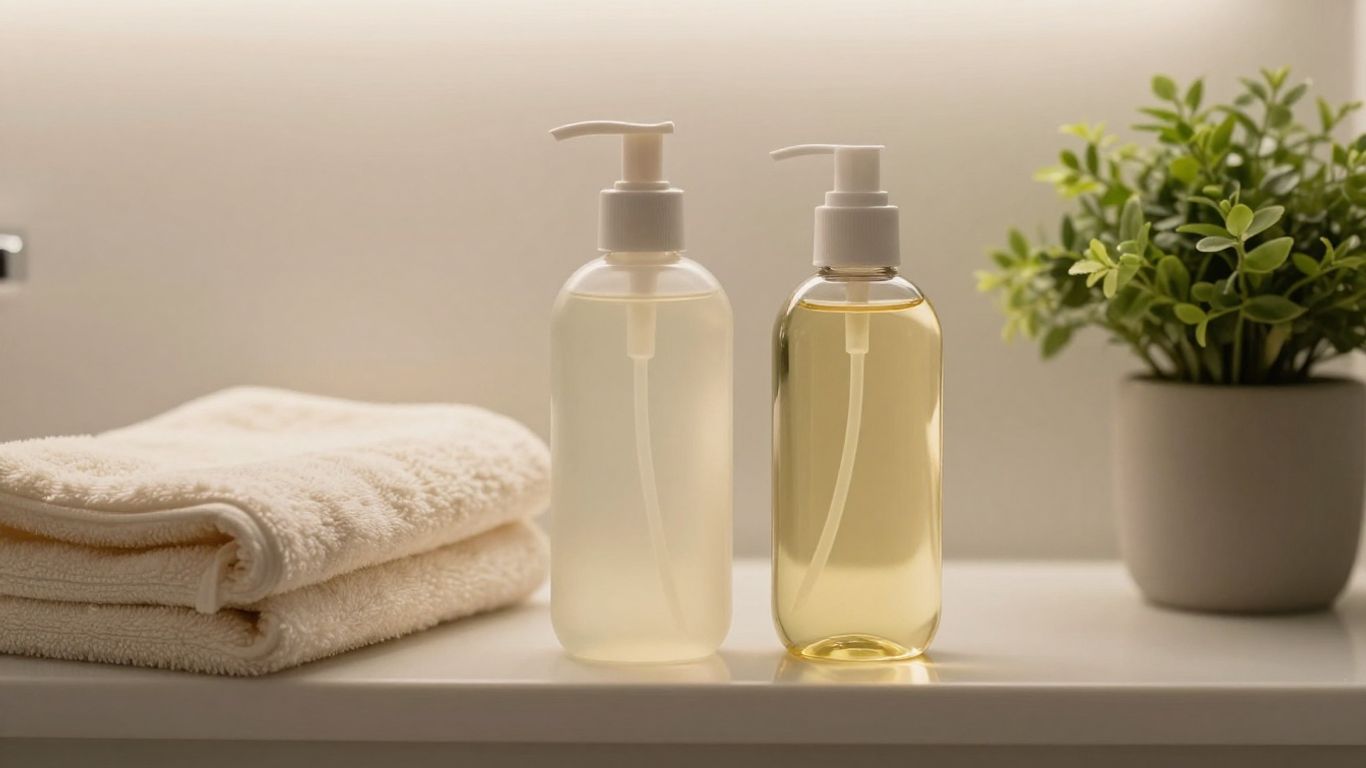
Water-based lubricant is popular because it is generally versatile, easy to rinse away, and suitable for many everyday uses. It can work for masturbation, partnered intimacy, condoms, and many sex toys, provided the label confirms compatibility. The tradeoff is that it may dry sooner than silicone-based lubricant and may need reapplication.
Arousellube makes water-based, edible personal lubricants with natural ingredients, designed to enhance pleasure and intimacy. That positioning may appeal to people who want a plant-derived option, but individual ingredient tolerance still matters. Check the complete label rather than choosing only by the base.
Silicone-based lubricant for longer-lasting glide
Silicone-based lubricant generally stays slick longer, making it useful for extended activity or situations where frequent reapplication is inconvenient. It is also less likely to rinse away immediately in water. However, silicone products can feel more difficult to wash from skin and fabrics, and they are not automatically compatible with every silicone sex toy.
When choosing one, check both the lubricant label and the toy manufacturer's guidance. A small test on a noncritical area of the toy may reveal whether the surface becomes tacky or changes texture, but following the manufacturer's instructions is the safer approach.
Oil-based lubricant for specific uses and limitations
Oil-based lubricants can feel rich and long-lasting, and some people choose them for activities where latex protection is not involved. Oils may be difficult to wash from fabric and skin, and they can leave a coating that does not suit everyone. They also require careful compatibility checking.
The biggest practical limitation is latex. Many oils can weaken latex condoms, increasing the risk of breakage. If pregnancy or STI prevention depends on a latex condom, choose a condom-compatible water-based or silicone-based formula instead, unless the product instructions specifically say otherwise.
Hybrid formulas for balancing feel and durability
Hybrid lubricants combine features of more than one base, often pairing water with silicone. They may offer a smoother, longer-lasting feel than a basic water-based formula while remaining easier to clean than a fully silicone product. The balance varies considerably between formulas.
Read the ingredient list and compatibility directions before use. A hybrid is not automatically suitable for every condom or toy, and a pleasing texture at first application does not tell you how it will behave after several minutes.
Check ingredients and skin compatibility
A lubricant touches sensitive tissue, so the ingredient list deserves as much attention as the advertised sensation. Natural does not automatically mean irritation-free, and a formula that suits one person may bother another. If you are comparing products, focus on the full list, intended use, and any clear testing or safety information. The ingredient and comfort guide provides a useful framework for making that comparison.
Ingredients that may cause irritation
Potential irritants vary by person, but heavily fragranced formulas, certain preservatives, and high concentrations of some sweeteners may be uncomfortable for sensitive users. Osmolality and pH can also matter for intimate comfort, especially when a product is used frequently. Product labels do not always provide every detail, so ask the manufacturer when information is unclear.
A short ingredient list may be easier to assess, but it is not proof that a product will suit you. Pay attention to your own response after use. Stinging, itching, redness, or persistent dryness is a reason to stop rather than push through.
Fragrance, flavor, warming, and cooling additives
Flavored and scented lubricants can make oral intimacy more appealing, while warming and cooling products create a noticeable sensory effect. Those additives are optional, not essential to good lubrication. They may also increase the chance of irritation for people with reactive skin.
Try specialty formulas only when you genuinely want the added sensation. Avoid applying a warming or cooling product to already irritated skin, and discontinue it if the sensation becomes painful rather than pleasantly mild.
Choosing a formula for sensitive skin
For sensitive skin, begin with a simple, unscented formula and avoid adding several new products at once. Look for clear labeling, body-safe ingredients, and instructions that match your intended use. If you prefer natural ingredients, confirm that the product also provides adequate compatibility and usage information.
Arousellube describes its formulations as natural, non-GMO, vegan, and third-party tested, with pH-balanced properties. Those are useful quality points to investigate, but they do not remove the need to read the label or consider your personal sensitivities.
When to patch-test a new lubricant
A patch test can offer an early indication of how your skin responds, though it cannot predict every reaction on intimate tissue. Apply a small amount to less sensitive external skin and wait according to the product's instructions. Do not use a patch test as permission to ignore burning, swelling, or other symptoms.
If the test is comfortable, introduce the lubricant gradually and use only a modest amount at first. Stop immediately if discomfort develops, rinse gently with water, and seek medical advice if the reaction is severe or does not settle.
Match lubricant to condoms and intimate products
Compatibility is a safety step, not a minor shopping detail. The wrong base can weaken a condom or damage a toy, even when the lubricant itself feels comfortable. Check the package every time you switch products, since formulas and materials differ. This matters particularly when barrier protection is part of your sexual-health plan.
Lubricant compatibility with latex condoms
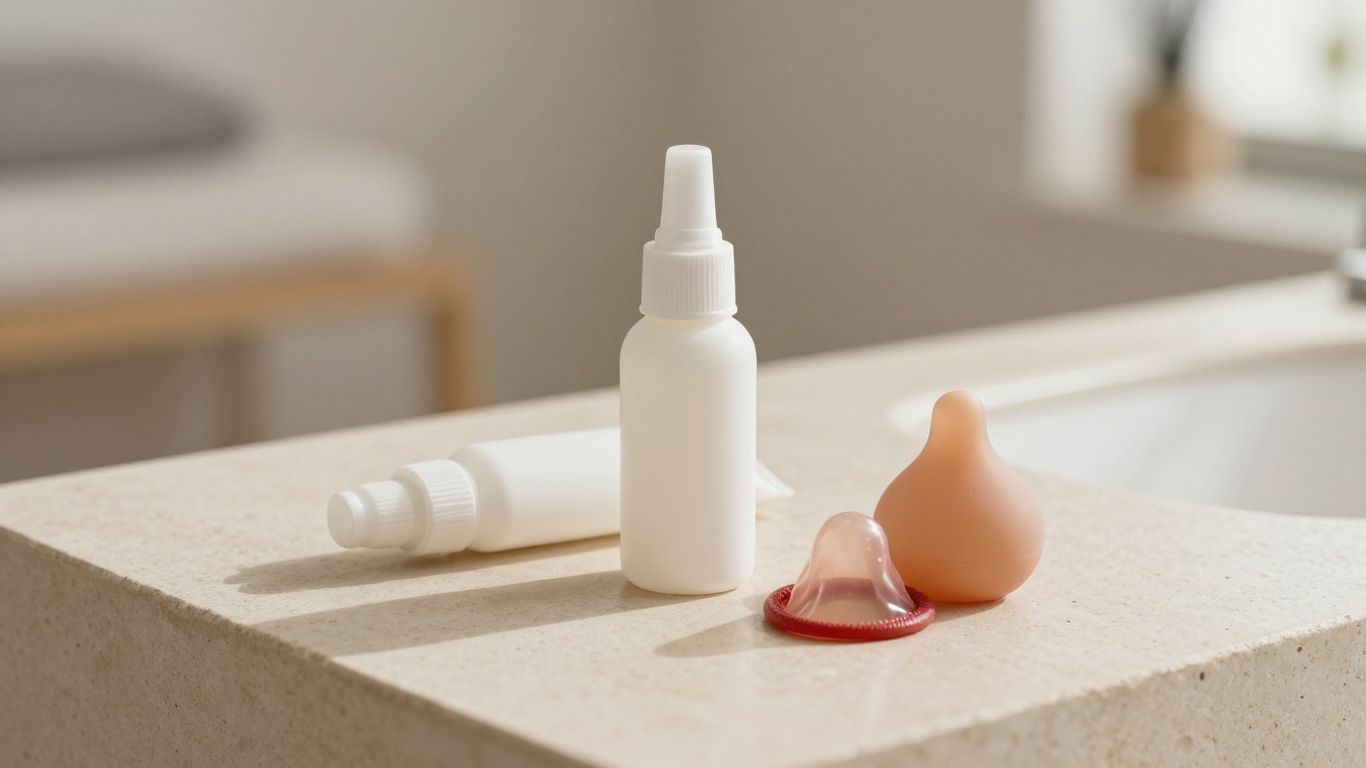
Oil-based lubricants can weaken latex, so keep oils, petroleum jelly, and oil-heavy products away from latex condoms unless the condom manufacturer explicitly approves them. Water-based and silicone-based lubricants are commonly used with latex, but the product label remains the final check.
Apply lubricant to the outside of the condom after it is in place, and use enough to reduce friction without compromising grip. If a condom slips, breaks, or feels damaged, stop and follow appropriate sexual-health guidance.
Using lube with polyurethane and polyisoprene condoms
Polyurethane and polyisoprene condoms have different material properties from latex. Their compatibility with water-, silicone-, and oil-based lubricants can vary by product, so read the condom packaging rather than relying on a general rule.
When the instructions are unclear, choose a lubricant specifically listed as compatible or contact the manufacturer. A few seconds spent checking can prevent an avoidable failure during intimacy.
Choosing lubricant for sex toys
Water-based lubricant is often a practical choice for many toys because it is easy to clean and commonly compatible with a range of materials. Silicone-based lubricant may not be suitable for silicone toys, as it can affect the surface of some products. Oil-based formulas may also be unsuitable for porous materials.
Wash toys according to their care instructions after use. If you are unsure whether a toy is porous, nonporous, silicone, rubber, or a blend, check the original documentation before selecting a lubricant.
Avoiding materials and formulas that degrade products
Do not assume that a product labeled “natural” or “premium” is compatible with every condom and toy. Look for explicit material guidance, especially when using silicone, rubber, latex, or porous toys. A change in tackiness, swelling, softening, or surface texture means the combination should be discontinued.
Keep the lubricant in its original container so the usage and compatibility instructions remain available. When in doubt, choose the simpler compatible option rather than experimenting with a valuable intimate product.
Apply lubricant effectively for better results
Application is mostly a matter of starting small, paying attention, and adding more when needed. Warm a little between clean fingers if that feels comfortable, and avoid dispensing far more than you can use. Lubricant works best when it supports the activity rather than becoming a distraction. These lube application tips cover similar practical points for solo use, partnered intimacy, toys, and condoms.
How much lubricant to start with
Begin with a small amount, roughly a pea-sized drop, and spread it over the areas that need glide. The right quantity depends on the formula, the activity, and personal preference. It is easier to add more than to manage an unnecessarily large amount.
If the lubricant feels sticky or creates drag, that may mean it is drying or that the formula does not suit you. Add a little water for some water-based products, or add fresh lubricant, following the product's directions.
Where and when to apply it
Apply lubricant to clean external skin, the outside of a condom, or a compatible toy. It can be applied before activity begins or added during intimacy when friction increases. If using a condom, put it on correctly first, then apply lubricant to the outside rather than placing lubricant inside the condom.
Avoid getting products into areas where the label does not recommend use. Keep the bottle within reach so applying more does not require interrupting the mood or continuing through discomfort.
How to reapply during intimacy
Reapplication is normal, particularly with water-based formulas. Pause briefly, check how the skin feels, and add a small amount where glide has reduced. There is no benefit to waiting until friction becomes painful.
If you need to reapply repeatedly and the product dries almost immediately, consider whether the formula, amount, or activity is the issue. A longer-lasting base may be more practical, provided it is compatible with the condom or toy involved.
Adjusting the amount for different activities
Different activities require different amounts of product and different textures. A light layer may be enough for brief solo use, while extended or higher-friction activity may call for more frequent application. Toys with textured surfaces can also need additional lubricant.
Use this simple sequence when you are unsure:
- Start with a small amount on the skin or compatible product.
- Move slowly enough to notice drag, stinging, or discomfort.
- Add a little more before friction becomes unpleasant.
- Stop and change formulas if irritation continues.
This approach keeps application responsive rather than prescriptive. Your comfort and the product's compatibility instructions should determine the final amount.
Choose, store, and troubleshoot your lubricant
A good lubricant is one you will actually use comfortably and consistently. Texture, package design, ingredient transparency, compatibility, and price all matter more than dramatic marketing language. Consider the activity first, then narrow the choice by skin needs and cleanup preferences. A thoughtful personal lube buying guide can help organize those decisions.
How to evaluate texture, packaging, and value
Texture is personal: some people like a thin gel, while others prefer a denser, silkier product. Look for packaging that allows controlled dispensing and can be closed securely between uses. A larger bottle is not better value if the formula does not suit your skin or dries before you finish it.
Compare the amount, intended uses, ingredient information, and compatibility guidance rather than judging by price alone. For Arousellube, the brand's stated focus is water-based, edible personal lubricant made with natural ingredients for pleasure and intimacy; whether that fits your routine still depends on your own preferences.
Proper storage and expiration dates
Store lubricant in a cool, dry place away from direct sunlight and excessive heat. Keep the cap closed to limit contamination and evaporation, and do not transfer the product into an unmarked container. Check both the expiration date and any period-after-opening guidance.
Discard a lubricant if its smell, color, texture, or consistency changes unexpectedly. Do not use a product whose packaging is damaged, leaking, or visibly contaminated.
What to do if the lubricant feels sticky or dries quickly
Sticky texture may mean the product is drying, that too little was applied, or that the formula simply does not suit your skin. With a water-based lubricant, a small amount of water may restore glide, but follow the label and avoid diluting the contents inside the bottle.
If the same issue continues, switch to a formula with a different viscosity or base. A silicone-based option may last longer, while a different water-based product may offer a lighter feel and easier cleanup.
Signs to stop using a lubricant and switch formulas
Stop using a lubricant if you notice burning, itching, swelling, rash, unusual discomfort, or symptoms that continue after washing it away. Do not retry the product just to confirm the reaction. If symptoms are severe or persistent, contact a healthcare professional.
Arousellube emphasizes body-safe ingredients and third-party testing, but no product is guaranteed to suit every individual. The most reliable choice is the one that remains comfortable, compatible, and easy to use over time.
Conclusion
The best lubricant for men is the one that matches your activity, skin, condom or toy materials, and preferred feel. Start with a compatible formula, use a modest amount, reapply before friction becomes uncomfortable, and treat any persistent irritation or pain as a reason to seek medical advice.
Frequently Asked Questions
What is the best lubricant for men?
There is no single best formula for everyone. Water-based lubricant is a practical starting point for versatility and cleanup, while silicone-based or hybrid options may suit longer activity when compatible with the products being used.
Is water-based lubricant safe with condoms?
Water-based lubricant is commonly compatible with latex condoms, but you should still check the lubricant and condom packaging. Follow the manufacturer's instructions, particularly when using specialty condoms or products with added ingredients.
Can men use lubricant for masturbation?
Yes. Personal lubricant can reduce friction and make masturbation more comfortable. Choose a formula that feels good on your skin, is easy to clean, and does not contain additives that cause irritation.
Can lubricant cause irritation?
Yes, some people react to fragrances, flavors, warming or cooling agents, preservatives, or other ingredients. Stop using a product if it burns, itches, or causes a rash, and seek medical advice if symptoms persist.
How often should lubricant be reapplied?
Reapply whenever glide decreases or friction becomes noticeable. Water-based formulas may need more frequent application than silicone-based formulas, but the right timing depends on the product, activity, and your personal comfort.
Can oil-based lubricant be used with latex condoms?
Oil-based lubricant can weaken latex, so it should generally not be used with latex condoms. Check the specific instructions for the condom and lubricant, and choose a compatible water-based or silicone-based product when in doubt.
When should I see a doctor about dryness or pain?
Seek medical advice when dryness or pain is persistent, severe, recurrent, or accompanied by bleeding, sores, unusual discharge, burning, or urinary symptoms. Lubricant can reduce friction but cannot diagnose or treat an underlying medical condition.