

Posted by Mike
on September 05, 2026

Key Takeaways
Choosing a personal lubricant is mostly about matching the formula to your body, activity, and accessories. A few minutes spent reading the label can make intimate essentials more comfortable and predictable.
- Water-based formulas are versatile and usually easy to clean.
- Silicone and oil-based lubricants have different compatibility limits.
- Fragrance, warming agents, and other additives may bother sensitive skin.
- Always check condom and toy compatibility before applying lubricant.
- Stop using a product that causes burning, itching, or ongoing discomfort.
Understand the personal lubricant options at CVS
When you shop for personal lubricant CVS products, start with the base rather than the packaging promise. Water, silicone, and oil formulas feel different, last for different lengths of time, and work with different condoms or toys. The best choice depends on how you plan to use it and what your skin tolerates.
Water-based lubricants for versatile everyday use
Water-based lubricant is often a practical first choice because it is generally easy to rinse away and works with many types of condoms and toys. It may need reapplication as it dries, especially during longer activity. For shoppers interested in plant-derived comfort, Arousellube offers natural, edible, body-safe lubricants, according to its listed product coverage.
Silicone-based lubricants for longer-lasting glide
Silicone-based formulas tend to maintain slip longer than water-based options, which can be useful when frequent reapplication is inconvenient. They can be harder to wash off and are not automatically compatible with every silicone toy. Read both the lubricant label and the toy manufacturer's guidance before use.
Oil-based formulas and their compatibility limits
Oil-based lubricants can feel rich and long-lasting, but their main limitation is barrier compatibility. Many oils can weaken latex, so they are a poor match for latex condoms. Oils may also leave more residue on skin, fabric, and toys, making cleanup part of the decision.
Lubricants designed for sensitive skin
Sensitive skin usually benefits from a short, transparent ingredient list rather than a heavily scented or highly stimulated formula. A plain water-based lubricant can be a reasonable starting point, but personal reactions vary. The personal lubricant selection guide offers a useful overview of bases, ingredients, and sensitive-skin considerations.
Compare ingredients before you buy
The front of a bottle rarely tells the whole story. Turn it around and look at the ingredient list, intended use, directions, and warnings. Ingredient awareness does not require memorizing every chemical name; it means noticing patterns that may affect your comfort.
Glycerin, parabens, and other commonly discussed ingredients
Glycerin and parabens are frequently discussed by people comparing personal lubricants, but a label alone cannot predict how every body will respond. Some people prefer to avoid particular ingredients because of past irritation, while others tolerate them without trouble. If you have recurring symptoms, ask a healthcare professional rather than assuming one ingredient is the sole cause.
Fragrances, flavors, and warming or cooling additives
Fragrance, flavor, warming, cooling, and tingling additives can change the sensory experience, but they also add more potential irritants. If you are prone to sensitivity, begin with an unscented, unflavored formula and introduce extras only if your body handles the simpler product well. More sensation is not always more comfort.
Ingredients to avoid when irritation is a concern
When irritation is a concern, be cautious with strong fragrance, essential oils, harsh preservatives, and products not designed for intimate use. “Natural” is not a guarantee of gentleness; botanical ingredients can still trigger a reaction. A small patch test on external skin may provide useful information, although it cannot guarantee internal comfort.
How pH and osmolality can affect comfort
pH and osmolality are technical terms with practical relevance, especially for vaginal use. A formula that is not well suited to delicate tissue may feel uncomfortable even when it seems smooth at first. Look for clear information from the manufacturer, and consider ingredient and pH guidance when comparing products.
Match the lubricant to your needs
There is no single best lubricant for everyone. Dryness, the type of sexual activity, condom use, toy material, and fertility goals can all change the answer. Think about the setting first, then narrow the shelf or online search to formulas that meet those requirements.
Choosing lubricant for vaginal dryness
For vaginal dryness, choose a product that feels comfortable without stinging and that can be reapplied easily. A water-based formula may suit everyday use, while a longer-lasting option may be preferable when repeated application is distracting. Persistent dryness, pain, or bleeding deserves medical attention rather than simply adding more lubricant.
Selecting lubricant for anal sex
Anal tissue does not produce the same natural lubrication as the vagina, so generous application and reapplication may be necessary. Select a formula intended for the activity, use plenty from the beginning, and slow down if there is pain. A thicker texture can feel reassuring, but compatibility with condoms and toys still comes first.
Finding a formula for use with condoms
If condoms are part of your safer-sex routine, choose a lubricant specifically labeled as compatible with the condom material. Water-based and many silicone-based formulas are commonly considered with latex, but the package is the final authority. Never guess when the label is unclear.
Considering fertility-friendly lubricant options
People trying to conceive may want a lubricant labeled fertility-friendly or sperm-friendly rather than choosing solely by texture. These products are formulated with reproductive goals in mind, but they do not improve fertility by themselves. If conception is taking longer than expected, discuss lubricant choices and other factors with a clinician.
Check condom and toy compatibility
Compatibility is one of the easiest details to overlook because a lubricant can feel excellent and still be unsuitable for a particular accessory. Check the material of the condom or toy, not just the lubricant's base. When in doubt, pause and look for specific package guidance.
Which lubricants are compatible with latex condoms
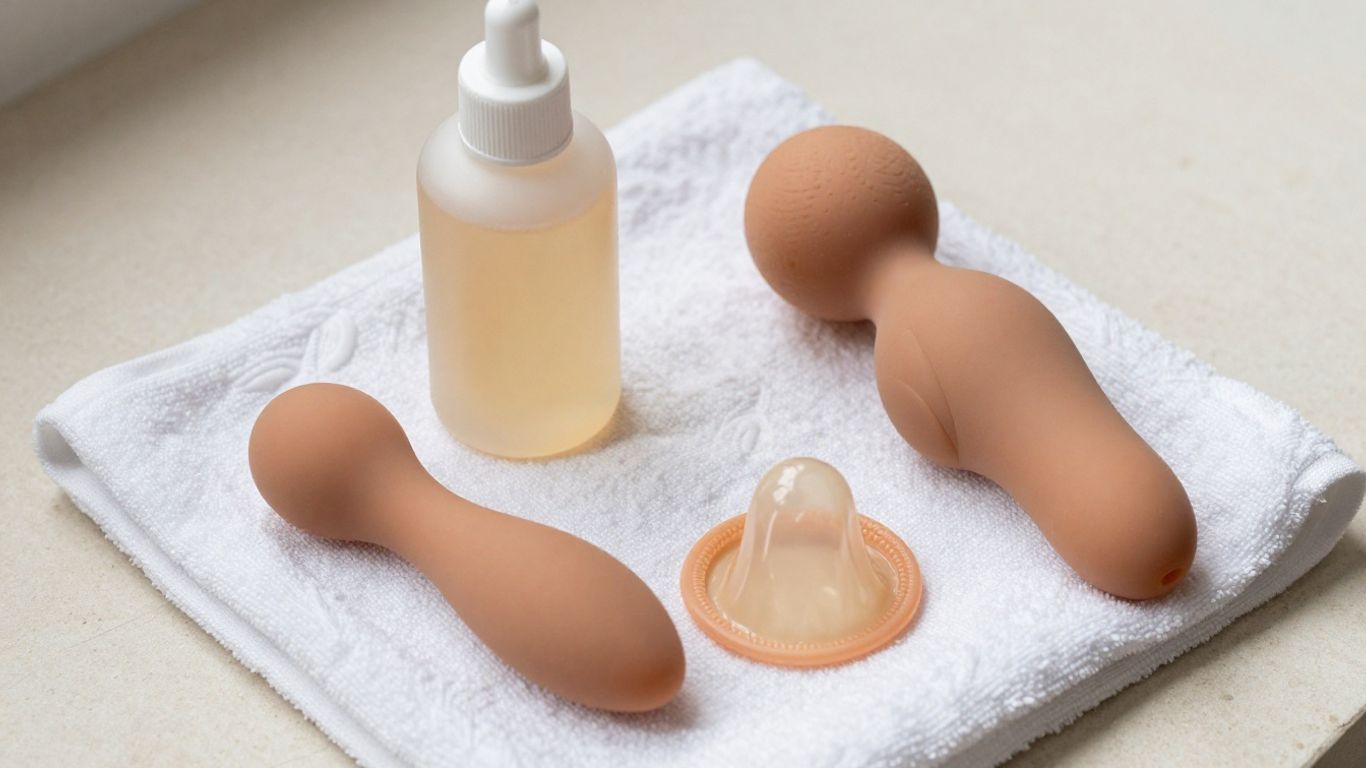
Water-based lubricants are generally a straightforward choice with latex condoms, and many silicone-based products are also labeled for that use. Confirm the wording on the bottle before applying it. The same check should be repeated whenever you switch formulas, since products from the same category can have different directions.
Why oil-based products can damage latex
Oil can weaken latex and increase the chance that a condom breaks or slips. That includes many oils and oil-containing household products, not only bottles marketed as lubricant. If latex protection matters, keep oil-based formulas out of the plan and choose a labeled alternative.
Using lubricant safely with silicone toys
Silicone-based lubricant may interact with some silicone toys, potentially affecting the toy's surface. A small, inconspicuous spot test can help, but following the toy maker's instructions is safer. Water-based lubricant is often the simpler option when the toy material is known but the compatibility guidance is limited.
Reading package labels for compatibility guidance
Look for statements about latex, polyurethane, polyisoprene, silicone toys, and intended use. Also check directions for warnings about external or internal application. Body-safe lubricant guidance can help you build a label-reading habit without relying on marketing language alone.
Use personal lubricant correctly
A good formula still needs thoughtful application. Start with clean hands, use more than a tiny drop when needed, and treat discomfort as information rather than something to push through. Comfort comes before convenience whenever you are deciding whether to continue.
How much lubricant to apply initially
Begin with enough to cover the area involved and the outside of a condom or toy, then add more as needed. There is no universal measurement because bodies, textures, and activities differ. For anal sex or noticeable dryness, starting with too little is a common reason friction returns quickly.
When to reapply during sex
Reapply when the lubricant begins to feel tacky, thin, or less effective. Water-based formulas may need more frequent application, while silicone-based products can last longer. Pause rather than continuing through friction, since added pressure can worsen irritation.
How to combine lubricant with condoms
Put the condom on according to its directions, then apply lubricant to the outside and, if appropriate, a small amount inside the tip. Avoid sharp nails or jewelry that could damage the condom. Use only a formula labeled compatible with the barrier, and replace the condom if it breaks or slips.
Cleaning up and storing the product
Follow the package directions for cleanup, using warm water and a mild cleanser when appropriate. Close the cap promptly and store the bottle in a cool, dry place away from direct heat and sunlight. Do not share a container in a way that transfers bodily fluids to the nozzle.
A simple routine keeps the product fresher and makes irritation easier to trace:
- Wash and dry your hands before handling the bottle.
- Keep the nozzle from touching skin, toys, or other surfaces.
- Wipe the opening clean before replacing the cap.
- Discard the product if its smell, color, texture, or packaging changes.
These steps are small, but they reduce contamination and make the product easier to use consistently. If burning or itching continues after washing, stop using the lubricant and seek medical advice.
Shop for personal lubricant at CVS with confidence
Shopping in a store or online can feel awkward, but the decision itself is straightforward when you know what to compare. Focus on base, ingredients, compatibility, size, and expiration date before judging the front-label claims. Online availability may change, so verify the current product details before traveling for a specific item.
Comparing product labels, sizes, and prices
Compare the cost per ounce rather than only the sticker price. A smaller bottle may be sensible when you are testing a formula or have sensitive skin, while a larger size may offer better value once you know it works. Check whether the product is edible, scented, warming, or intended for a particular activity only if those features genuinely fit your needs.
Deciding between CVS store pickup and delivery
Store pickup can let you confirm availability and avoid a trip for an item that is out of stock. Delivery may be more convenient when privacy, mobility, or timing matters. In either case, review the exact product page and size so a similar-looking substitute does not create an unexpected compatibility issue.
Checking expiration dates and package condition
Before buying, inspect the seal, cap, and bottle for leaks or damage. Check the expiration date when it is visible, especially if you are purchasing a multipack or rarely use lubricant. Do not use a product with a broken seal, unusual odor, separated texture, or packaging that appears compromised.
When to ask a pharmacist or healthcare professional
A pharmacist can help clarify label directions, condom compatibility, and whether a product is appropriate alongside certain personal-care needs. Speak with a healthcare professional about recurring pain, unusual discharge, sores, bleeding, or symptoms that continue after stopping a product. For additional product context, CVS lubricant information provides a relevant starting point, but it does not replace individualized medical advice.
A short video can also make label and application basics easier to review before shopping.
Conclusion
The right personal lubricant is the one that fits your body, your planned use, and your condom or toy requirements without creating irritation. Read beyond the front label, start with a manageable size, and give yourself permission to stop or switch products when comfort changes.
Frequently Asked Questions
Is water-based lubricant a good first choice?
Often, yes. It is generally versatile, easy to clean, and suitable for many condoms and toys, though it may require reapplication as it dries.
Can oil-based lubricant be used with latex condoms?
No. Oil-based products can weaken latex and may increase the chance of condom breakage or slipping. Choose a lubricant labeled compatible with the condom material instead.
How can I choose lubricant for sensitive skin?
Start with a short ingredient list and avoid fragrance, flavor, and strong warming or cooling additives. Stop using any product that causes burning, itching, or persistent discomfort.
Does lubricant expire?
Yes. Check the expiration date and discard lubricant if its texture, color, smell, or packaging changes, even if the date has not passed.
Is silicone lubricant safe with silicone toys?
Not always. Some silicone lubricants may affect some silicone toys, so check both product labels and the toy manufacturer's instructions before use.
How much lubricant should I use?
Use enough to reduce friction comfortably, then reapply when the surface begins to feel dry or tacky. The amount depends on the formula, activity, and individual needs.
When should I seek medical advice about lubricant discomfort?
Seek advice for recurring or severe pain, bleeding, sores, unusual discharge, or symptoms that continue after you stop using the product. A clinician can help identify causes beyond simple product sensitivity.





































































