

Posted by Mike
on August 26, 2026

Key Takeaways
Choosing a personal lubricant is mostly about matching texture, ingredients, intended use, and material compatibility to your body and routine.
- Water-based formulas are versatile and usually easy to clean.
- Oil-based formulas can last longer but may weaken latex condoms.
- Apply a modest amount first, then reapply when friction returns.
- Read ingredient, pH, osmolality, expiration, and compatibility information.
- Stop using a lubricant if it causes burning, swelling, rash, or persistent discomfort.
What Yes personal lubricant is and how it works
Personal lubricant is designed to reduce friction during intimate contact, whether used with a partner, during solo activity, or for certain forms of product insertion. The best choice depends on where it will be used, what materials it will touch, and how your skin responds. A formula that feels comfortable for one person may feel sticky, drying, or irritating to another. Thinking about lubricant as an intimate essential, rather than an afterthought, makes selection easier.
Water-based, oil-based, and other lubricant formats
Water-based lubricants are generally versatile, washable, and suitable for many situations. Oil-based formulas tend to feel richer and may provide a longer-lasting glide, while silicone-based products are often chosen when durability and water resistance matter. Hybrid formulas combine characteristics from more than one base, so the label deserves a close reading rather than a quick assumption.
The personal oil lubricants guide offers a useful overview of how oil, water, and silicone formats differ, particularly around texture, cleanup, and condom compatibility. Yes personal lubricant is often discussed in the context of water-based and plant-based options, but the right format still comes down to personal comfort and intended use.
How lubrication supports comfort and reduces friction
Natural moisture can vary with stress, medication, hormonal changes, hydration, arousal, and the length or type of activity. Lubricant adds slip between surfaces, which can make contact feel more comfortable and help reduce the tendency to continue through unwanted friction. It should never be used to mask pain that keeps returning.
Start with enough to create a comfortable layer, then pay attention to how the product feels as activity continues. Comfort comes before endurance: a thicker layer is not automatically better, and more product cannot solve irritation caused by an unsuitable ingredient or material combination.
Key ingredients and what they contribute
The base gives a lubricant much of its texture and behavior, while humectants, botanical ingredients, preservatives, and sensory additives can affect feel and tolerance. “Natural” does not automatically mean suitable for every body, and a short ingredient list is not a substitute for understanding what each component does. If you have recurring sensitivity, compare labels and choose a product with clear ingredient information.
pH and osmolality may also matter, especially for vaginal use. Product claims should be read carefully, and medical-device or certification details should be verified on the packaging or manufacturer’s current information rather than assumed from marketing language.
Who may benefit from using personal lubricant
Anyone who experiences friction, dryness, or a preference for a smoother sensation may find lubricant useful. It can be helpful during penetrative sex, external touch, and solo activity, and it may make some intimate products easier to use. It is also reasonable to use lubricant even when dryness is not a concern; comfort and pleasure are sufficient reasons.
If dryness is new, severe, or accompanied by itching, unusual discharge, bleeding, or pain, consider discussing it with a healthcare professional. Lubricant can improve surface comfort, but it does not diagnose or treat an underlying condition.
How to choose the right Yes lubricant
Choosing the right formula starts with a practical question: what do you want it to feel like, and where will you use it? Consider whether you prefer a light, silky layer or a more cushioning texture, and whether easy cleanup matters. Then check the label for intended use, ingredients, and compatibility before opening the bottle.
Matching the formula to your comfort preferences
Some people prefer a nearly weightless formula, while others want a thicker product that stays in place. A water-based lubricant may be a convenient everyday option, especially when washable cleanup is a priority. If a product feels tacky, dries quickly, or creates warmth that you did not expect, that is useful feedback rather than something to ignore.
A small trial amount can help you assess slip, residue, scent, and after-feel. Give yourself time to notice how the formula behaves as it warms and spreads; first impressions from a fingertip are not always the whole experience.
Choosing a lubricant for vaginal, anal, or external use
The intended location affects the qualities you may value. Vaginal use may call for attention to pH and osmolality, while anal use often benefits from generous application and a formula that maintains cushioning because the tissue does not self-lubricate in the same way. For external use, sensory preferences and skin tolerance may matter most.
No lubricant replaces gradual pacing, communication, and attention to pain. For any use involving a condom or toy, add material compatibility to the selection process instead of treating it as a separate detail.
Considering sensitive skin and ingredient concerns
Sensitive skin often does better with products that avoid unnecessary fragrance, flavor, warming agents, cooling agents, and other sensory additives. Read the complete ingredient list, including preservatives, and be cautious with any formula that has previously caused stinging or redness. A patch test on a small external area may provide an early indication, although it cannot guarantee that a product will be comfortable everywhere.
The personal lubricant buying guide is another helpful reference for comparing ingredient lists, viscosity, pH balance, and sensitivity considerations. Use outside guidance as a starting point, then confirm the product’s own label.
When texture, thickness, or longevity matters
Texture can influence both sensation and practicality. A light formula may spread easily and rinse away quickly, whereas a thicker one may feel more protective during longer activity. Longevity can also vary with friction, moisture, temperature, and the amount applied.
Rather than choosing by a promise such as “long lasting,” think through your setting and likely need for reapplication. A formula that is easy to add again may be more convenient than one that feels heavy from the beginning.
How to use Yes personal lubricant effectively
Using lubricant well is simple, but small choices affect comfort. Begin with clean hands and a small amount, apply it where friction is occurring, and increase gradually. Keep the bottle within reach so reapplication does not require interrupting the moment or continuing after the formula has dried.
How much lubricant to apply at the start
There is no universal correct amount. Begin with a small layer on the external skin, condom, or product surface as appropriate, then add more if movement still feels rough. For anal use, a more generous amount may be needed, with additional product available throughout activity.
Avoid pouring a large amount simply because more seems safer. Excess can become messy, obscure changes in skin comfort, and make it harder to notice whether the underlying issue is friction, pressure, or irritation.
Where and when to reapply it
Reapply whenever the surface begins to feel dry, draggy, or uncomfortable. You can add lubricant to the external area, to a condom, or to a compatible product, following the product label and safer-sex guidance. If reapplication does not restore comfort, pause and reassess rather than pushing through.
A few practical habits make this easier:
- Keep the cap or pump clean while applying.
- Use a fresh amount rather than touching the nozzle to skin repeatedly.
- Add small quantities so you can adjust the texture.
- Reapply before friction becomes painful.
These steps keep the experience more controlled and reduce avoidable contamination. They also make it easier to learn how much your body typically needs.
Combining lubricant with condoms and sexual wellness products
Check the lubricant label against the condom and product materials every time, especially when trying a new combination. Water-based formulas are commonly compatible with latex condoms, but the package directions remain the final reference. A lubricant should not be assumed safe with every toy material merely because it feels gentle on skin.
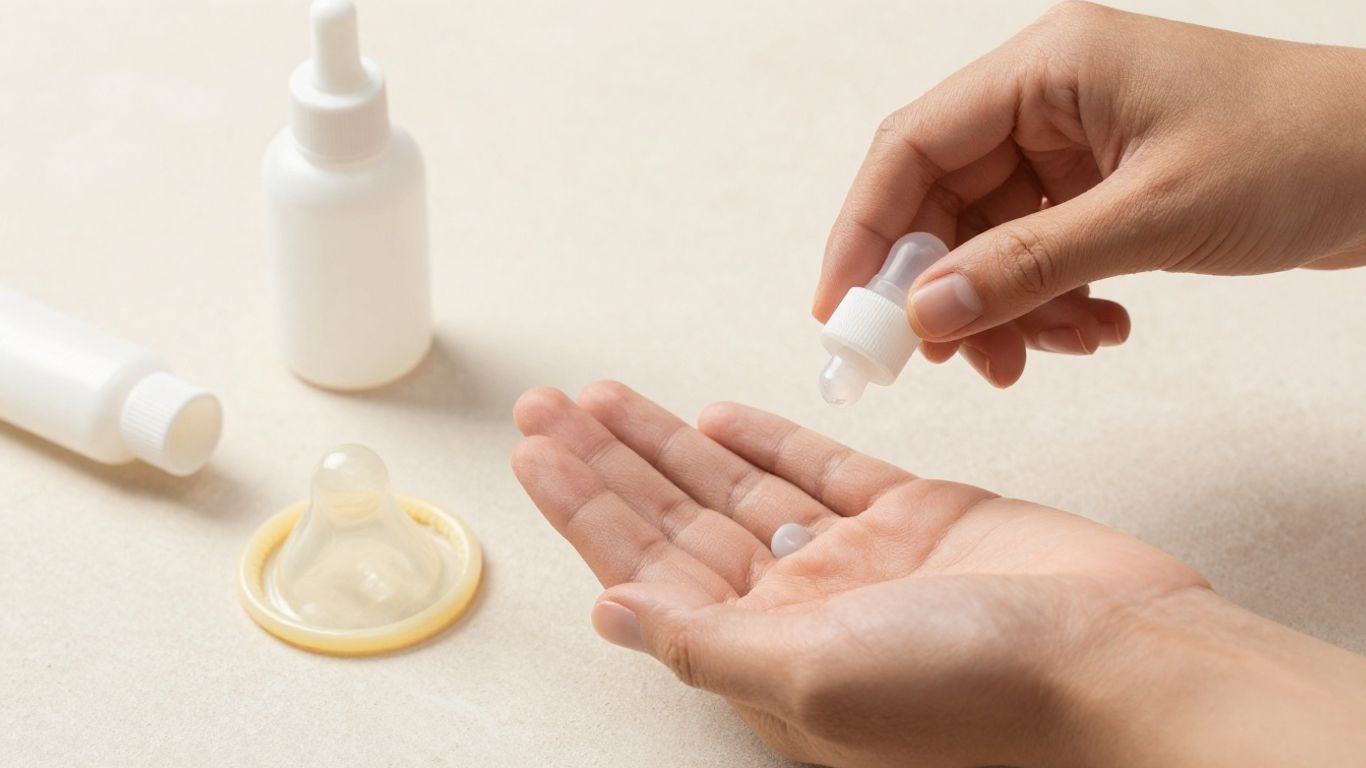
For readers interested in the product-specific background, YES WB water-based lubricant is described as a pH-matched, plant-based, certified-organic formula that is condom-compatible. Those are product claims; they should still be checked against the current packaging and instructions before use.
Cleaning up after use without irritating the skin
Water-based lubricant can usually be removed with warm water and gentle, unscented cleanser if needed. Avoid scrubbing, douching, or using fragranced products on delicate tissue. Oil and silicone formulas may require more thorough washing or a cleanser suited to the residue, but aggressive cleaning can create its own irritation.
Pat the area dry rather than rubbing it. If discomfort remains after cleanup, stop using the product until the cause is clearer.
Yes personal lubricant and material compatibility
Compatibility is a safety question, not only a matter of convenience. A lubricant may feel excellent but still be unsuitable for a particular condom or sexual wellness product. When the label is unclear, pause and look for manufacturer guidance instead of relying on appearance or texture.
Using water-based lubricant with latex condoms
Water-based lubricant is generally the simplest pairing for natural rubber latex condoms because it does not have the same oil-related weakening concern. Apply enough to reduce friction and reapply as necessary. Always inspect the condom package, follow its directions, and use a new condom if it slips, breaks, or becomes compromised.
Compatibility does not prevent every problem. Friction, incorrect sizing, heat, expired condoms, and improper storage can also affect performance.
Checking compatibility with silicone products
Silicone-based lubricants may interact with some silicone sexual wellness products, potentially affecting their surface. The result depends on the specific materials and formulation, so broad rules are unreliable. Look for explicit compatibility information from the toy or lubricant manufacturer.
When guidance is absent, a small test on an inconspicuous area can be considered, but testing is not a guarantee. A water-based formula is often the more straightforward choice when material information is limited.
Why oil-based formulas require extra caution
Oil can weaken natural rubber latex, which may increase the chance of condom failure. This includes many familiar oils and oil-containing household products, even when they seem mild or skin-friendly. Oil-based lubricant may be appropriate in some settings, but not when it conflicts with the barrier method being used.
The oil-based lubricant safety guide explains why condom checks, ingredient awareness, and skin testing matter with this format. If latex protection is part of your plan, select a compatible base instead of trying to work around the conflict.
Reading product labels before combining materials
Look for statements about condom compatibility, intended body area, toy materials, expiration, and storage. If the package names a specific material, compare it with the product you plan to use. Do not infer compatibility from terms such as “natural,” “organic,” or “body-safe” alone.
A label can also reveal whether the formula contains fragrance, flavor, oils, or sensory additives that you would rather avoid. Careful reading takes less time than dealing with a damaged product or an irritated body.
Safety and skin comfort considerations
A lubricant should make intimate contact feel more comfortable, not create a new source of burning or inflammation. Bodies vary, and a reaction can appear immediately or after repeated exposure. Pay attention to changes in sensation during use and afterward.
Recognizing irritation, discomfort, or allergic reactions
Stinging, itching, redness, swelling, hives, or a persistent change in comfort can signal irritation or an allergic reaction. Mild unfamiliarity may pass quickly, but discomfort that increases is a reason to stop. Rinse gently if appropriate and avoid applying more of the same product while assessing what happened.
Keep track of the formula and any other new products involved. That information can help identify a pattern if symptoms recur.
Avoiding products with ingredients that may cause sensitivity
Fragrance, flavor, warming or cooling agents, and certain preservatives can bother some people. Glycerin or other ingredients may also be a personal concern, but ingredient tolerance is individual and labels should be interpreted carefully. Choose transparent formulas and avoid products whose full ingredient information is unavailable.
“Plant-derived” is not the same as universally non-irritating. Even botanical ingredients can cause sensitivity, so a cautious approach remains sensible.
When to stop using the lubricant and seek medical advice
Stop using the lubricant if symptoms are significant, persistent, or worsening. Seek medical advice for swelling, intense pain, breathing difficulty, widespread hives, sores, unusual discharge, bleeding, or symptoms that do not settle after the product is removed. Urgent symptoms deserve prompt care rather than home experimentation.
A healthcare professional can help distinguish contact irritation from infection, dermatological conditions, or another cause of discomfort. Bring the product or its ingredient list if you can.
How lubricant use fits into safer-sex practices
Lubricant can reduce friction, but it does not prevent sexually transmitted infections or pregnancy. Use condoms or other appropriate barriers, discuss testing and consent, and follow the directions for any contraceptive method. For shared products, clean them according to their material and the manufacturer’s instructions, and consider barriers between users.
Good sexual health includes comfort, communication, and the ability to pause. Lubricant is one helpful part of that wider practice.
How to store and handle Yes personal lubricant
Storage affects cleanliness, texture, and product condition. A bottle that is left open, exposed to heat, or handled with unwashed hands may be less pleasant to use and more vulnerable to contamination. Simple habits protect both the formula and the person using it.
Keeping the bottle clean and tightly closed
Wash and dry your hands before handling the bottle. Avoid letting the nozzle touch skin, surfaces, or other products, and wipe away residue around the opening before closing it. A tightly sealed cap helps prevent spills, drying, and unwanted contact with air or contaminants.
If the packaging uses a pump, keep the pump surface clean and do not share the bottle in a way that transfers bodily fluids. Clean handling is especially useful when the product is used regularly.
Protecting the formula from heat, light, and contamination
Store lubricant in a cool, dry place away from direct sunlight, radiators, and hot vehicles. A bathroom cabinet may be convenient, but repeated heat and humidity can be less suitable than a dry drawer. Keep the bottle away from dirty surfaces and from products that could leak into it.
If you travel, place it in a sealed pouch and avoid leaving it in a parked car. These modest precautions help preserve the product’s intended condition.
Checking the expiration date and product condition
Check the expiration date before use and inspect the formula periodically. Changes in smell, color, separation, texture, or packaging can indicate that the product should no longer be used. Do not try to restore a changed formula by shaking it vigorously or adding water.
When in doubt, discard it. The cost of replacing a bottle is small compared with the discomfort or uncertainty of using a product that appears altered.
Knowing when to replace an opened bottle
Follow the package directions for use after opening, if an open-jar symbol or specific period is provided. Replace the bottle sooner if the cap has been left open, the nozzle has been contaminated, or the product has been stored in poor conditions. A bottle used frequently may also need replacing before its printed expiration date if its handling history is uncertain.
Date-opening the bottle with a small removable label can make rotation easier. It is a simple way to avoid guessing months later.
How to compare Yes personal lubricant with alternatives
Comparison should focus on evidence and fit, not on the most dramatic promise. Consider the formula’s base, ingredient transparency, intended use, material compatibility, and the experience it creates for your body. Price matters, but a cheaper product is not a good value if it causes irritation or cannot be used with your preferred barrier or toy.
Evaluating ingredient transparency and certifications
A clear ingredient list lets you compare formulas and avoid known triggers. Certifications may provide additional information about production or ingredient standards, but their meaning varies, so check what the certification actually covers. Claims such as vegan, cruelty-free, organic, or third-party tested should be supported by visible, verifiable information.
The most useful label is one that tells you what the product contains, where it is intended to be used, and how it should be stored. Vague language should prompt further checking.
Comparing pH and osmolality information
For vaginal products, pH and osmolality information can be relevant to tissue comfort and the surrounding environment. A product may advertise that it is pH-balanced, but the specific context and intended use still matter. If values are not provided, you can contact the manufacturer or choose a product with more detailed technical information.
These measurements do not tell you everything about a lubricant. Ingredients, preservatives, texture, compatibility, and your personal response remain part of the decision.
Weighing organic, fragrance-free, and specialty formulas
Organic certification, fragrance-free labeling, and specialty claims can be useful filters, but they are not automatic guarantees of comfort. Decide which characteristics matter most to you, then verify them in the full product information. A formula designed for a particular use may be preferable when its texture and compatibility match your needs.
Avoid choosing solely because a package says “natural.” The complete formulation and your own response deserve equal attention.
Balancing price, packaging, and intended use
Compare the amount provided, dispensing design, portability, and how often you expect to reapply. A pump may be convenient at home, while a smaller tube may travel more easily. Applicators or larger formats can suit some routines, but only when their handling and storage remain hygienic.
The most sensible purchase is one that fits your actual use, stays within its expiration period, and can be stored cleanly. A slightly higher upfront price may be reasonable if the format prevents waste and the formula is well matched to your comfort.
Conclusion
The best personal lubricant is the one that suits your body, activity, barrier methods, and practical routine. Start with a modest amount, reapply before friction becomes uncomfortable, read compatibility and ingredient information, and store the bottle carefully. When symptoms persist or a product causes a reaction, stop using it and seek professional advice rather than trying to tolerate the discomfort.
Frequently Asked Questions
Is water-based lubricant a good general choice?
Water-based lubricant is often a versatile option because it is typically easy to clean and suitable for many condom and toy combinations, provided the product label confirms compatibility.
How much lubricant should I use?
Begin with a small amount and add more until movement feels smooth and comfortable. Anal use may require more product and more frequent reapplication.
Can lubricant prevent sexually transmitted infections?
No. Lubricant can reduce friction, but it does not replace condoms, dental dams, testing, vaccination, or other safer-sex practices.
Can I use oil with latex condoms?
Oil-based products can weaken natural rubber latex. Choose a lubricant specifically identified as compatible with the barrier method you are using.
What should I do if lubricant burns?
Stop using it and gently remove the product if possible. Seek medical advice if burning is intense, continues, or occurs with swelling, rash, pain, or other concerning symptoms.
Does “natural” mean a lubricant is irritation-free?
No. Natural or botanical ingredients can still cause sensitivity. Read the complete ingredient list and consider a cautious external patch test when appropriate.
How should lubricant be stored?
Keep it tightly closed in a cool, dry place away from direct sunlight and contamination. Check the expiration date and discard the product if its smell, color, texture, or packaging changes.