

Posted by Mike
on August 03, 2026

Key Takeaways
Edible lubrication can add flavor and variety to intimacy, but the label deserves as much attention as the taste. A body-safe choice should work with your protection, your skin, and the kind of sexual contact you have in mind.
- Choose a lubricant made for intimate use and intended to be ingested.
- Check the base, sweeteners, fragrances, and other potential irritants.
- Confirm compatibility with condoms, dental dams, and sex toys.
- Test a small amount first and stop if discomfort appears.
- Store the product properly and never rely on it for STI prevention.
What edible lubrication is and how it works
Edible lubrication is a personal lubricant formulated for intimate contact and oral use. It may reduce friction while adding flavor, a smoother texture, or a more playful sensory element. The word “edible,” however, should not be treated as a shortcut for “safe everywhere on the body.” Read the product’s intended-use guidance and ingredient list before applying it.
How edible lubricants differ from standard personal lubricants
A standard personal lubricant is primarily designed to reduce friction during sexual activity. An edible formula is also made with oral contact in mind, so its flavor and ingredients are selected with that use considered. Some standard products may be flavored but still carry directions that limit ingestion, while some edible products may not be suitable for every type of internal use.
The difference is therefore about formulation and labeling, not simply whether a product tastes pleasant. For a broader comparison of bases, textures, and application, this edible lubricant guide offers another useful perspective.
Common textures, flavors, and formulations
Edible lubricants can feel thin and watery, silky, gel-like, or slightly thicker. Water-based formulas are often easy to rinse away and may need reapplication as they dry. Flavor profiles range from fruit to dessert-inspired options, but sweetness is not required for a product to be enjoyable.
Texture matters just as much as flavor. A thin formula may suit oral contact, while a more viscous gel may feel better when you want longer-lasting glide. Try to match the product to the activity rather than choosing by flavor alone.
When edible lubrication can improve intimacy
For some couples, a flavored lubricant makes oral sex feel more relaxed or introduces a small element of novelty. It can also help when dryness or friction distracts from pleasure. The best use is collaborative: talk about the flavor, amount, and sensation before or during intimacy, and treat either partner’s feedback as useful information.
A product should enhance comfort, not create pressure to continue. If the taste, stickiness, or sensation is unwelcome, switch to an unflavored option or stop using it. Comfort comes before novelty, every time.
Why “flavored” does not always mean fully edible
“Flavored” describes taste, but it may not clearly describe whether a product is intended to be swallowed. Some formulas contain ingredients that are acceptable for external use but can be unpleasant or irritating when ingested. Packaging should state whether the lubricant is edible or intended for oral use, and the directions should be specific.
When the label is vague, contact the manufacturer or choose a product with clearer guidance. Do not assume that a familiar food flavor makes the entire formulation a food product.
How to choose an edible lubricant
Choosing an edible lubricant starts with the kind of intimacy you expect, then moves to compatibility and sensitivity. Consider whether you need easy cleanup, a longer-lasting feel, condom use, or a formula for particularly reactive skin. Ingredients and instructions matter more than colorful packaging.
A careful choice can still be pleasurable. Look for transparent labeling, clear directions, and claims that are narrow enough to understand. If you are comparing natural options, this guide to natural personal lubricants can help frame questions about plant-derived ingredients and pH balance.
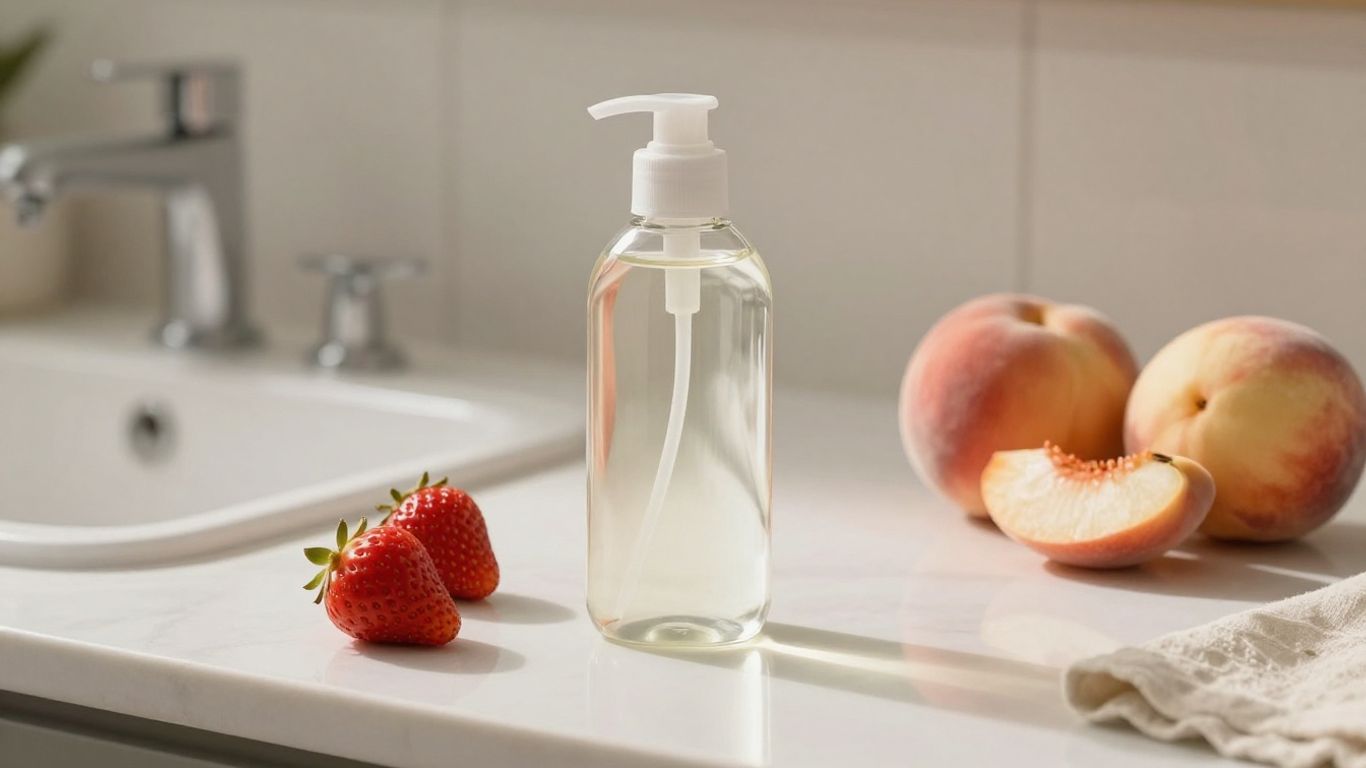
The image suggests the sensory side of edible products, but the bottle label remains the more useful starting point. Flavor should support the experience; it should not distract from safety information.
Water-based, oil-based, and hybrid formulas
Water-based lubricants are usually versatile, rinse away relatively easily, and are commonly chosen for oral contact. Oil-based formulas can feel rich and long-lasting, but they require extra care with latex barriers. Hybrid formulas combine characteristics of more than one base, so their compatibility instructions should be checked rather than guessed.
| Formula | Common advantage | Main question to check |
|---|---|---|
| Water-based | Easy cleanup and broad versatility | Will it dry during extended use? |
| Oil-based | Rich feel and slower evaporation | Is it compatible with the barrier being used? |
| Hybrid | A blend of sensory qualities | Which materials and body areas are approved? |
The table is a starting point, not a substitute for the package directions. If barrier protection is part of your plan, compatibility should settle the decision before texture or flavor does.
Ingredients to look for in a body-safe product
Look for a complete ingredient list and plain-language directions. Depending on the formula, people may prefer water, aloe-derived ingredients, or other clearly identified components, especially when they want a lighter feel. A pH-balanced formula may be a useful consideration for vaginal use, but no single ingredient guarantees that every person will tolerate a product.
Arousellube makes water-based, edible personal lubricants with natural ingredients, designed to enhance pleasure and intimacy. That positioning fits shoppers who want plant-derived comfort alongside clear attention to intimate use, but individual sensitivity still deserves a small-area test.
Ingredients that may cause irritation
Potential irritants vary from person to person. Fragrance, warming or cooling agents, alcohol, strong flavor compounds, and some preservatives may cause stinging or redness, particularly on sensitive tissue. Sweeteners can also be a concern for people who are prone to recurrent vaginal irritation or yeast infections.
Do not treat “natural” as an automatic safety guarantee. A botanical ingredient can still trigger an allergy, and a product marketed as gentle can still feel wrong for your body. This body-safe lubricant guide provides another checklist for considering ingredients, sugars, and compatibility.
How flavor, sweetness, and texture affect your choice
Flavor can make oral contact more inviting, but intense sweetness may leave a sticky residue and can be less comfortable for some users. A subtle flavor or lightly flavored formula may be easier to use repeatedly. Texture is equally personal: some people prefer a barely-there glide, while others want a thicker cushion.
Start with one product and pay attention to how it feels during and after use. If the flavor is distracting or the formula dries too quickly, that is practical feedback for your next choice, not a failure of the experience.
Edible lubrication and sexual health
Edible lubrication supports comfort, but it does not replace barrier protection, testing, or medical care. The most important health questions concern material compatibility, tissue sensitivity, and whether the product changes your usual routine. Keep the product’s intended use in view from the beginning.
Vaginal and vulvar tissue can be sensitive to changes in ingredients, moisture, and pH. Anal tissue has different needs and does not self-lubricate in the same way. When symptoms are persistent or unusual, a healthcare professional is the right source of individualized advice.
Compatibility with condoms and dental dams
Check the lubricant label for compatibility with the specific condom or dental dam material. Water-based products are often selected when latex barriers are involved, but the package directions remain authoritative. If the product does not clearly address the barrier you are using, choose one with clearer compatibility information.
Barrier compatibility also matters for sex toys. Materials differ, and a lubricant that feels fine on skin may damage or interact with a toy. Keep the packaging available until you know the product works with your full setup.
How oils can affect latex protection
Oil can weaken latex, increasing the chance that a condom or dental dam will break. This includes many cooking oils and oil-based personal lubricants, even when they seem mild or familiar. If latex protection matters, avoid improvising with household oils.
For example, an article about olive oil for dogs may discuss food use in an entirely different context; that does not make olive oil appropriate for intimate lubrication or latex barriers. Use a product specifically labeled for sexual use and compatible with your chosen protection.
The relationship between edible lubricants and vaginal health
A sweetened or heavily flavored product may not suit everyone’s vaginal environment. Some people notice irritation or recurrent symptoms after using products with sugars, glycerin, fragrances, or other additives, while others tolerate them without trouble. There is no need to force a product that consistently causes discomfort.
A simpler, clearly labeled formula may be a sensible place to start if you are sensitive. If you develop unusual discharge, odor, persistent itching, or pain, pause the product and seek medical advice rather than trying to mask the symptoms.
When to avoid a product or stop using it
Avoid a product if the label conflicts with your planned use, if the package is damaged, or if an ingredient is known to bother you. Stop promptly if you notice burning, itching, swelling, rash, or pain. Rinsing with lukewarm water may remove residue, but do not scrub irritated tissue.
Seek medical care for severe symptoms, breathing difficulty, significant swelling, or discomfort that does not settle. A product should never make you feel that you have to tolerate pain to complete an intimate activity.
How to use edible lubrication safely
Safe use is straightforward when the product, barrier, and body area all match. Begin with less than you think you need, communicate as you go, and keep a clean cloth or water nearby. Reapplication is normal, especially with water-based formulas.
Edible lubrication can be part of oral intimacy without becoming the focus of the experience. These oral intimacy tips offer a related way to think about flavor, texture, and internal versus external use.
Applying a small amount and testing for sensitivity
Apply a small amount to an external area first, particularly if you have sensitive skin or are trying a new flavor. Give yourself time to notice stinging, redness, or an unpleasant sensation before using more. A patch test is helpful, though it cannot predict every reaction on delicate tissue.
Keep the cap or pump clean, and avoid touching the opening to skin or other surfaces. Starting with a modest amount makes it easier to adjust texture and reduces unnecessary mess.
Using edible lubricant during oral sex
Use only a product whose label clearly permits oral contact. Apply it to the body or barrier rather than pouring a large amount into the mouth, and add more gradually if desired. Be mindful of allergies, strong flavoring, and any numbing or warming sensation that could make it harder to notice discomfort.
A short educational video can help partners think through preparation and communication, but it cannot replace the product directions or professional medical advice. Keep the experience guided by mutual consent and comfort.
Reapplying when friction or dryness returns
Dryness is a signal to pause and add more lubricant, not to push through friction. Water-based formulas may become tackier as moisture evaporates, especially during longer sessions or when exposed to air. Reapply as needed and check the barrier if it has shifted or feels damaged.
If you repeatedly need more product than expected, consider whether the formula or activity is a good match. More lubricant is not always the answer; changing the base or slowing down may help more.
Cleaning up after use
Follow normal hygiene without over-washing. Lukewarm water can remove many water-based formulas, while oil-based products may need a gentle cleanser compatible with the skin. Avoid douching or using fragranced products internally, since these can disturb natural tissues.
Wash reusable toys according to their material and the manufacturer’s instructions. Dry them fully before storage, and clean the lubricant bottle’s exterior if it became sticky during use.
Common risks and mistakes to avoid
Most problems come from treating an edible lubricant like a food, a household remedy, or a complete sexual-health product. Labels, barriers, and bodily feedback are more reliable than assumptions. A cautious approach can still feel relaxed and pleasurable.
The following mistakes are especially easy to make when a product has an appealing flavor or a natural-sounding name. Each one is avoidable with a few seconds of checking.
Confusing food products with intimate lubricants
Food products are not formulated, tested, or packaged as personal lubricants. Cooking oils, syrups, honey, and other kitchen ingredients may be sticky, difficult to clean, irritating, or incompatible with latex. They can also introduce microbes or disturb the local environment.
Even when a food is safe to eat, that does not establish its suitability for genital or anal tissue. For a broader discussion of household substitutions, see these lubricant alternatives, then apply the same caution to edible products.
Using products with alcohol, sugar, or harsh additives
Alcohol, strong fragrances, intense flavor compounds, and some sweeteners can be uncomfortable on delicate tissue. Sugar-containing formulas may be a poor choice for people who are prone to yeast infections or irritation. Read the full ingredient list rather than relying on front-label claims such as “fresh” or “natural.”
If you want to compare a product with a homemade formula, remember that home preparation raises additional concerns about pH, contamination, and shelf life. A sourcing article about LED products, for instance, may discuss manufacturing checks, but those checks have no bearing on whether a kitchen ingredient is safe as intimate lubrication.
Ignoring burning, itching, or other irritation
A mild tingling sensation is not automatically harmless, and burning is not proof that a product is working. Stop using the lubricant when irritation appears, rinse gently if needed, and observe whether symptoms improve. Do not apply more to overpower an unpleasant sensation.
Persistent or severe symptoms deserve medical attention. If you suspect an allergy or infection, bring the product or its ingredient list to your clinician when possible.
Relying on edible lubricant to prevent sexually transmitted infections
Edible lubricant does not prevent sexually transmitted infections or pregnancy. Condoms, dental dams, testing, vaccination where appropriate, and honest communication each play a separate role in sexual health. Lubricant can reduce friction and help make barrier use more comfortable, but it is not a barrier itself.
Use protection suited to the activity and check it throughout intimacy. A comfortable lubricant routine should support safer sex, not replace it.
How to compare and store edible lubricants
Comparison becomes easier when you separate sensory preferences from safety requirements. First confirm the intended use, ingredients, barrier compatibility, and expiration information. Then consider flavor, viscosity, packaging, and cleanup.
A product that suits one person may not suit another, particularly where allergies or recurrent irritation are involved. Keeping brief notes about what worked can make future choices less frustrating.
Reading ingredient labels and product claims
Look for a full ingredient list, directions for oral and intimate use, base type, and compatibility information. Claims such as “natural,” “vegan,” or “hypoallergenic” should be read alongside the actual ingredients, not instead of them. If a claim is unclear, ask the manufacturer for clarification.
This intimate lubricant selection guide can help organize the practical questions around dryness, toys, protection, and cleanup. The label on the product in your hand still takes priority.
Checking expiration dates and packaging
Do not use a lubricant past its expiration date or if its smell, color, texture, or separation has changed unexpectedly. A broken seal, leaking cap, or swollen package is another reason to discard it. Write the opening date on the bottle if the package gives a period-after-opening recommendation.
Avoid transferring lubricant to another container. The original packaging carries information about the formula, storage, and batch details that may be useful if a problem occurs.
Choosing products for sensitive skin
Sensitive-skin shoppers may prefer fewer additives, no strong fragrance, and a formula with straightforward directions. Patch-test a small amount and introduce only one new product at a time, so it is easier to identify a trigger. “Hypoallergenic” is not a promise that no individual will react.
A product described as pH-balanced may be worth considering for vaginal use, but symptoms should guide your next step. If irritation keeps returning, take a break and discuss it with a healthcare professional.
Storing lubricant safely between uses
Keep the bottle closed and store it in a cool, dry place away from direct sunlight and excessive heat. Do not leave it in a hot car or a damp bathroom where temperature changes and moisture may affect the packaging. Store it where children and pets cannot access it.
Clean the dispenser or cap before putting it away, and avoid sharing an opened applicator. These small habits help preserve the product and keep future use more hygienic.
Conclusion
Edible lubrication can bring flavor and ease to intimate moments when it is chosen thoughtfully and used according to its label. Prioritize a clearly formulated product, check barrier compatibility, test for sensitivity, and treat any irritation as a reason to stop. The result should be a more comfortable experience, never a compromise to your sexual health.
Frequently Asked Questions
Is edible lubrication safe to swallow?
A lubricant labeled for oral or edible use is formulated with ingestion in mind, but individual ingredients can still cause allergies or sensitivity. Use a small amount first and follow the package directions.
Can edible lubricant be used vaginally?
Some edible lubricants are intended for vaginal use, while others are designed mainly for oral contact. Check the label, consider the ingredients and pH guidance, and stop if irritation develops.
Is edible lubricant safe with latex condoms?
Compatibility depends largely on the formula’s base. Oil-based products can weaken latex, so check the package and choose a product specifically confirmed as compatible with the barrier you are using.
Does edible lubricant prevent sexually transmitted infections?
No. Lubricant may reduce friction, but it does not prevent sexually transmitted infections. Use condoms or dental dams, consider testing, and communicate with partners.
Can food be used instead of edible lubricant?
Food is not a reliable substitute for a personal lubricant. Kitchen ingredients may irritate tissue, be difficult to clean, or damage latex barriers.
What should I do if edible lubricant burns?
Stop using it and gently rinse away residue with lukewarm water if needed. Seek medical care if symptoms are severe, persistent, or accompanied by swelling, rash, or breathing difficulty.
How long does edible lubricant last after opening?
Follow the expiration date and any period-after-opening instruction on the package. Discard the product if its smell, color, texture, or packaging changes unexpectedly.





































































