

Posted by Mike
on September 02, 2026

Key Takeaways
A homemade personal lubricant can seem simple, but intimate tissues need more than a slippery texture. These practical checks can help you reduce avoidable irritation, contamination, and compatibility problems.
- Water-based mixtures are generally the easiest DIY option to pair with condoms and many toys, but they spoil quickly.
- Aloe vera products vary widely; choose only simple, body-safe formulas without fragrances or irritating additives.
- Oils can weaken latex barriers and may damage some toy materials, even when they feel comfortable on skin.
- Sugar, honey, soap, essential oils, and fragrances are poor choices for intimate use.
- Stop if you notice burning, itching, pain, unusual discharge, or other signs of irritation, and seek medical advice when needed.
Understand what makes a personal lubricant safe
A lubricant should reduce friction without upsetting the tissues it touches. That means considering the site of use, the product’s pH and osmolality, its ingredients, and how it will be stored. A slippery feel alone does not confirm that a formula is suitable for intimate contact.
Vaginal, anal, and external-use considerations
Vaginal, anal, and external tissues do not have identical needs. Vaginal tissue has a naturally acidic environment, while the anal canal has no natural lubrication and can be more vulnerable to friction-related injury. External skin may tolerate some ingredients that cause discomfort on more sensitive tissue, so a mixture that feels fine on a hand is not automatically appropriate internally.
If you are comparing ingredients, the personal lubricant safety guide offers a useful overview of these different use areas. For anal use especially, apply enough to minimize friction and remember that lubricant does not replace barrier protection or safer-sex practices.
How pH and osmolality affect comfort
pH describes acidity and alkalinity, while osmolality describes the concentration of dissolved substances in a solution. A formula that is far from the surrounding tissue’s conditions can sting, feel drying, or contribute to discomfort. Homemade mixtures are difficult to measure accurately, especially when ingredients vary from one batch to another.
This is one reason professionally formulated products can be easier to evaluate. A pH-balanced formula is not a guarantee against every reaction, but it gives you more information than a pantry mixture with no testing or specification.
Why irritation and infection risks matter
Intimate tissues can react to fragrances, flavoring agents, essential oils, preservatives, and concentrated sweeteners. Water-rich mixtures can also become contaminated with bacteria or fungi when utensils, containers, hands, or storage conditions are not clean. Clean preparation matters because contamination may not be visible or immediately noticeable.
Pay attention to recurring irritation rather than repeatedly changing ingredients at random. Burning, itching, swelling, pain, unusual odor, or unusual discharge deserves attention, particularly if symptoms persist after you stop using the mixture.
When homemade products are not appropriate
DIY lubricant is not a good experiment if you have an active infection, unexplained genital or anal pain, open sores, significant skin sensitivity, or a history of reactions to multiple personal-care products. It is also a poor choice when you need a product with a verified pH, osmolality, preservative system, or specific condom and toy compatibility.
People who are pregnant, immunocompromised, or managing a recurrent condition may want to ask a clinician before using a homemade formula. When comfort or safety is uncertain, a clearly labeled, professionally made lubricant is the more predictable intimate essential.
Evaluate common homemade lubricant ingredients
The most common DIY ideas use water, aloe vera, starch, or oils. Each has limitations that are easy to overlook when a recipe focuses mainly on texture. Natural or edible does not mean sterile, pH-balanced, or tested for internal use.
Water-based mixtures and their limitations
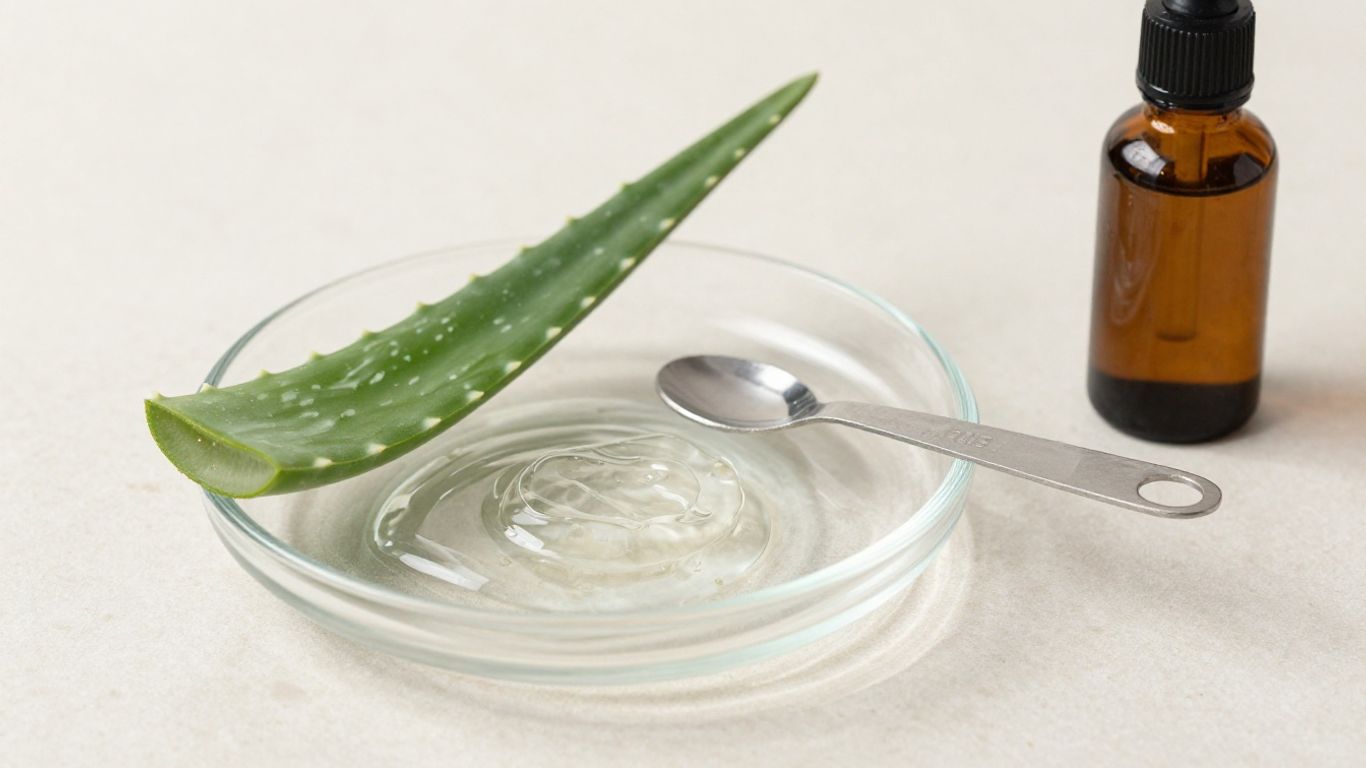
Water-based mixtures are usually easier to wash away and are less likely than oils to interfere with latex. A simple starch-and-water gel may provide temporary glide, but its consistency can change as it cools, separates, or dries. Without a validated preservative system, it can also support microbial growth.
Use small batches only, avoid sharing a container between people, and do not assume refrigeration makes a homemade product safe indefinitely. A DIY water-based lubricant guide can provide general context, but any recipe should be treated as short-lived rather than equivalent to a tested commercial formula.
Aloe vera gel: labels, preservatives, and purity
Aloe vera gel is often suggested because it feels soothing and spreads easily. The label matters: many cosmetic aloe products contain alcohol, fragrance, colorants, or other additives that may sting sensitive tissue. Choose a plain product intended for skin, and remember that even a simple topical gel may not be sterile or designed for internal use.
Avoid fresh plant material, since homemade extraction can introduce latex from the leaf and can be difficult to prepare hygienically. Test a small amount externally first, and stop if it causes warmth, itching, redness, or burning.
Oils such as coconut, olive, and vegetable oil
Coconut, olive, and other cooking oils can feel smooth and long-lasting, but they are not universal lubricants. They can be difficult to remove, may trap residue, and may irritate some people. Nut-derived oils also create an allergy concern for anyone with a relevant sensitivity.
Oil-based products are especially risky when latex condoms, gloves, or dental dams are involved. For a closer look at oil formulas and their limitations, see this guide to personal oil lubricants before choosing one for intimate use.
Ingredients that can cause burning or irritation
A short ingredient list is not enough if one of the ingredients is harsh. Fragrance, essential oils, menthol, alcohol, strong acids, concentrated botanicals, and warming agents can all be uncomfortable on delicate tissue. Glycerin and other ingredients may also be unsuitable for some individuals, even though reactions vary.
When comparing a homemade formula with a ready-made option, look for transparent labeling and avoid adding scent or flavor simply to make the mixture seem more appealing. Intimate comfort should come from a compatible base, not from a tingling sensation.
Make a simple water-based lubricant more safely
If you decide to try a homemade personal lubricant despite its limitations, keep the process conservative. Use a small amount, a simple formula, clean equipment, and a clearly defined discard point. Do not improvise with food, cosmetics, or household products just because they are available.
Choosing clean, body-safe ingredients
Select ingredients with a clear label and a known purpose, such as sterile or distilled water where appropriate and a plain, additive-free thickener intended for personal-care use. Avoid dairy, raw food products, sweeteners, and anything with fragrance. A recipe described as natural still needs scrutiny for purity, allergies, and intended use.
A homemade lubricant recipe guide can help you think through ingredient selection and texture, but it does not remove the need to assess your own sensitivity or the mixture’s compatibility with barriers and toys.
Basic preparation and contamination control
Wash your hands, clean the work surface, and use a freshly washed and thoroughly dried utensil and container. Prepare only a small quantity, keep the container closed, and dispense rather than repeatedly touching the contents. Never dip used fingers or a toy into the storage container.
A practical sequence is useful here:
- Clean and dry the container and utensils before measuring.
- Prepare the smallest batch likely to be used promptly.
- Label the container with the preparation date.
- Use a clean applicator or clean hands each time.
These steps reduce avoidable exposure, but they cannot turn a home mixture into a sterile medical product. If the process becomes complicated enough to require guesswork, buying a tested lubricant is usually the safer choice.
Storage, refrigeration, and expiration
Refrigeration may slow spoilage, but it does not establish a reliable shelf life. Keep a homemade water-based mixture cold, tightly covered, and away from bathroom heat and moisture. Use it promptly rather than storing it for weeks, and never top up an old batch with fresh ingredients.
Commercial products provide an expiration date because their formula and packaging have been assessed for stability. A homemade mixture has no equivalent assurance, so write down when it was made and choose a cautious discard date.
Signs the mixture should be discarded
Discard the mixture if it develops an unusual odor, color, separation, sliminess, clumps, gas, mold, or a noticeable change in texture. Also discard it if the container was left open, contaminated, or stored at room temperature for an uncertain period. When in doubt, throw it away rather than testing it on sensitive tissue.
Do not try to rescue a questionable batch by reheating it, adding more water, or mixing in a preservative. Those changes can create new inconsistencies without making the product reliably safe.
Know what to avoid in DIY lubricant recipes
Many homemade recipes fail because they treat the body like a kitchen surface. Ingredients that are harmless in food or acceptable on intact skin can behave differently on mucous membranes. Avoiding a few tempting additions is one of the simplest ways to lower risk.
Petroleum jelly and mineral oil
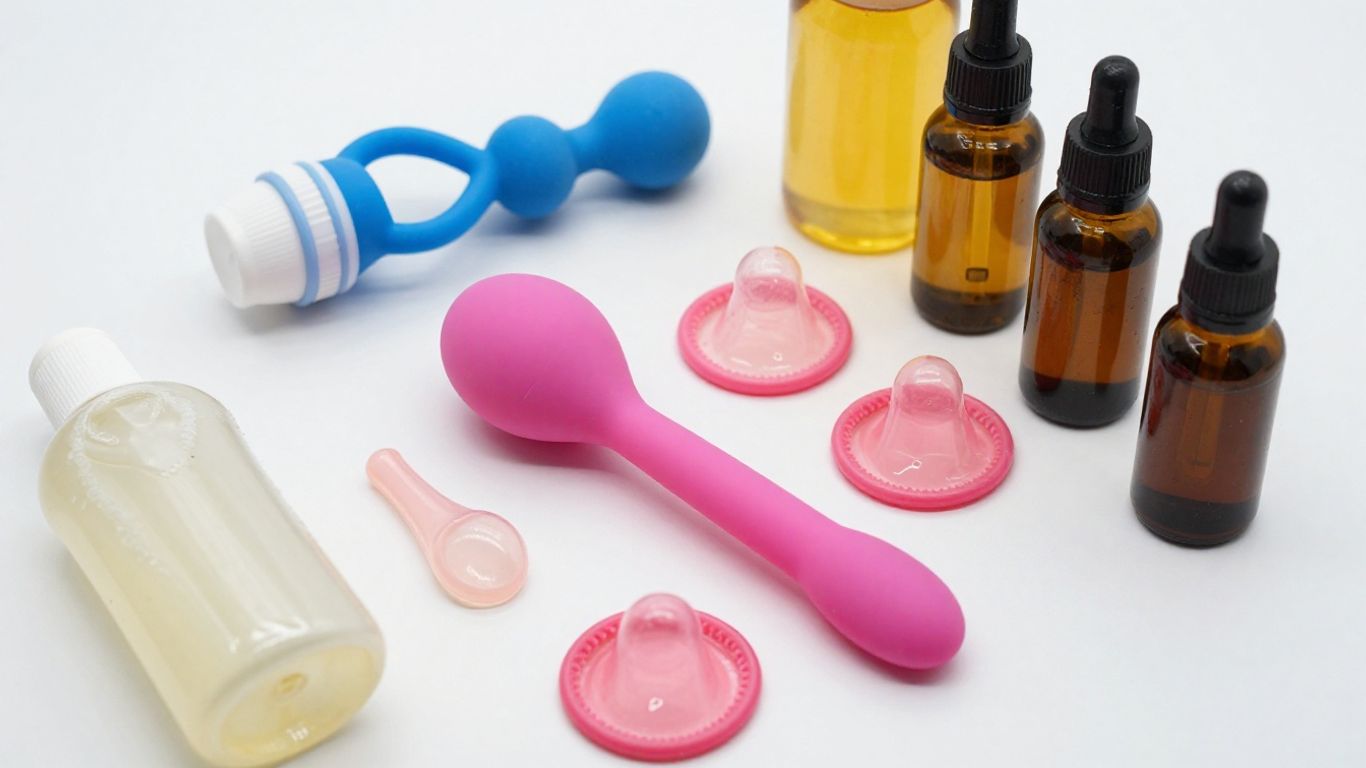
Petroleum jelly and mineral oil are occlusive and persistent, so they are difficult to rinse away from intimate areas. They can also increase the chance of latex barrier failure. That makes them unsuitable with latex condoms, dental dams, and latex gloves.
Their thick texture can also conceal whether enough lubrication is present underneath, especially during anal sex. If you need an oil-based product, first confirm the barrier and toy materials, and consider whether a professionally made formula offers clearer instructions.
Soap, shampoo, and household cleansers
Soap, shampoo, body wash, and household cleansers are formulated to remove oils and dirt, not to lubricate intimate tissue. Their surfactants, fragrance, preservatives, and pH may cause stinging, dryness, or irritation. Even a diluted cleanser is not a safe lubricant substitute.
Rinse the area with plain water if exposure causes discomfort, and do not scrub in an attempt to remove the sensation. Persistent symptoms should be evaluated rather than treated with more products.
Sugar, honey, and other sticky ingredients
Sugar, honey, syrup, and similar ingredients can feel slippery at first, but they are sticky and difficult to control in a water-rich environment. They may encourage microbial growth and can leave residue that is uncomfortable to wash away. Edibility is not the same as intimate-care suitability.
The same caution applies to yogurt, dairy, and other food-based recipes. If flavor is desired, a labeled edible lubricant with clear use instructions is more predictable than adding food to a homemade gel.
Essential oils, fragrances, and warming additives
Essential oils and fragrances can irritate sensitive tissue, even when diluted for other cosmetic uses. Menthol, cinnamon, peppermint, clove, and warming or cooling additives are particularly likely to create a burning or tingling sensation that some people mistake for effectiveness.
Skip these ingredients entirely in a DIY intimate product. A pleasant scent is not worth risking pain, swelling, or a delayed reaction.
Check compatibility with condoms and sex toys
Compatibility should be decided before application, not after a barrier slips or a toy’s surface changes. Check the condom and toy packaging, identify the material, and match it with a lubricant base. When the material is unknown, a simple water-based product is generally the more cautious starting point.
Why oil-based products weaken latex condoms
Oils can degrade natural rubber latex, making condoms, dental dams, and gloves more likely to tear or fail. Coconut oil, olive oil, petroleum jelly, and mineral oil should therefore not be paired with latex barriers. Washing afterward does not undo damage that occurred during use.
If latex protection is part of your plan, choose a lubricant labeled compatible with latex and keep oils away from the barrier. This is a materials issue, not a judgment about whether an oil feels comfortable.
Safer pairings for polyurethane and polyisoprene condoms
Polyurethane and polyisoprene condoms have different material properties from latex, but the exact product instructions still control. Some alternatives may be compatible with a wider range of lubricant bases, while others have specific restrictions. Read the package rather than relying on a general internet rule.
If the barrier’s material or instructions are unclear, choose a water-based lubricant and replace the condom if it has been exposed to a potentially incompatible oil. Never assume that “non-latex” means compatible with every homemade mixture.
How homemade formulas interact with silicone toys
Silicone toys can react poorly to silicone-based lubricants, and oils may affect some elastomers or porous materials. Homemade mixtures are particularly hard to assess because their ingredients, concentration, and stability can change. For expensive or treasured toys, follow the manufacturer’s care instructions first.
A small amount of water-based lubricant is often the least complicated pairing, but “silicone toy” is not always a complete material description. If the toy is made from TPE, TPR, rubber, or an unknown material, be more cautious.
Patch-testing and material-compatibility checks
Patch-test a new mixture on a small area of external skin and wait to see whether irritation develops. For a toy, place a drop on an inconspicuous area and look for tackiness, swelling, clouding, or surface change after rinsing. This does not prove internal safety, but it can reveal an obvious material problem.
Do not use a damaged condom or toy to complete a test. If anything feels different from the manufacturer’s instructions, stop and choose a clearly labeled alternative.
Use and monitor homemade personal lubricant
Even a carefully prepared mixture should be introduced gradually. Start with clean hands, a small amount, and a setting where you can stop easily. More lubricant is not always better if the formula itself is irritating or incompatible.
Applying a small amount before wider use
Apply a little to external skin first, then wait briefly for any immediate reaction. If it feels comfortable, use a small amount where needed and avoid transferring the mixture between the anus, vagina, and mouth without washing or changing barriers. Cross-contamination can move bacteria between areas.
The same cautious approach applies to shared products: each person should have clean hands, and a container should not become a communal source of contamination.
Reapplying when friction or dryness returns
Water-based mixtures can dry faster than silicone- or oil-based formulas, so reapplication may be necessary. Do not continue through friction, pain, or burning simply because the mixture was homemade. Add more only when the product remains fresh and compatible with the barrier or toy in use.
If dryness is persistent, consider possible medication, hormonal, dermatological, or pelvic-floor causes and discuss them with a healthcare professional. Lubricant can improve comfort, but it may not address the reason dryness is happening.
Symptoms that mean you should stop
Stop using the mixture immediately if you notice burning, itching, swelling, hives, rash, bleeding, new pain, or unusual discharge or odor. Rinse gently with lukewarm water and avoid applying additional fragranced or medicated products unless a clinician recommends them.
Symptoms may appear later, so keep track of what you used and when. That information can help a clinician identify an irritant or infection more efficiently.
When to seek medical advice
Seek medical advice for severe pain, bleeding, swelling, sores, fever, pelvic pain, persistent symptoms, or signs of an allergic reaction. You should also seek care if symptoms return repeatedly after sex or after trying several lubricants.
A clinician can assess infection, dermatitis, vaginal dryness, anal fissures, or other conditions that a lubricant cannot treat. Professional guidance is especially sensible for people with recurrent infections, immune conditions, or known allergies.
Consider safer store-bought alternatives
A professionally made lubricant is not automatically perfect, but it usually gives you more information about ingredients, intended use, packaging, and expiration. That predictability can matter more than saving a small amount of money or avoiding a single-use container. The best choice depends on your body, activity, barriers, and toys.
Comparing water-based, silicone-based, and oil-based formulas
Water-based lubricants are versatile, easy to clean, and commonly compatible with latex barriers, though they may need reapplication. Silicone-based products tend to last longer and work well in water, but they require careful toy-material checks. Oil-based products can provide lasting glide but are incompatible with latex and may be harder to clean.
A comparison table can make the trade-offs easier to see:
| Formula | Main advantage | Main caution | Typical compatibility check |
|---|---|---|---|
| Water-based | Easy cleanup and broad versatility | Can dry sooner | Confirm additives and expiration |
| Silicone-based | Long-lasting glide | May affect some silicone toys | Check the toy manufacturer’s guidance |
| Oil-based | Persistent, smooth texture | Weakens latex barriers | Confirm condom and toy materials |
| Hybrid | May balance glide and cleanup | Ingredients vary by product | Read the complete label |
The table is only a starting point. Always follow the specific product instructions, especially when condoms, dental dams, or toys are involved.
Reading ingredient labels for sensitive skin
Choose a short, transparent ingredient list when your skin is reactive. Fragrance-free and clearly labeled formulas may be easier to assess, while glycerin, flavorings, warming agents, and botanical extracts deserve extra attention if you have reacted to them before.
For broader guidance on selecting ingredients, this body-safe lubricant guide explains why pH, osmolality, additives, and material compatibility belong in the same decision. Patch-test externally when appropriate, but remember that an external test cannot rule out every internal reaction.
Choosing products for vaginal or anal use
Look for products that clearly state their intended use rather than relying on vague “natural” or “clean” language. Vaginal use may call for attention to pH and osmolality, while anal use generally requires generous, durable lubrication and careful attention to friction. Neither label replaces listening to your body.
Arousellube offers water-based, edible personal lubricants made with natural ingredients, making Arousellube lubricants one example of a labeled alternative to an improvised mixture. Review the product’s own directions and ingredients before use, particularly if you have sensitivities.
Selecting lubricant based on condoms and toys
Make compatibility part of the purchase decision. Water-based options are often the simplest choice when you use latex or several different toy materials, while silicone and oil formulas require more specific checks. Keep the original packaging for both the barrier and the toy so you can verify their instructions later.
Arousellube’s water-based, edible positioning may suit readers seeking a natural option for intimate use, but individual tolerance still varies. For help comparing bases, this personal lubricant buying guide can support a more deliberate choice; check the label rather than assuming every formula behaves the same way.
Conclusion
A homemade personal lubricant may offer a temporary solution, but it cannot easily match the testing, stability, labeling, and material guidance of a professionally made product. If you do try a simple water-based mixture, keep it small, clean, short-lived, and free from oils, sugars, fragrances, and household cleansers; when comfort or compatibility is uncertain, choose a clearly labeled alternative and listen to your body.
Frequently Asked Questions
Is homemade personal lubricant safe?
It can be difficult to make safely because homemade mixtures may lack reliable pH, osmolality, sterility, preservation, and compatibility testing. A simple water-based mixture used promptly is generally less complicated than an oil- or food-based recipe, but it is not risk-free.
Can I use coconut oil as personal lubricant?
Coconut oil may feel smooth, but it can weaken latex condoms and may not suit every person or toy. Avoid it with latex barriers and check for allergies and material compatibility before considering it for external use.
Is aloe vera gel safe to use as lubricant?
Only a plain, additive-free product intended for skin is worth considering, and even that may not be sterile or designed for internal use. Avoid fragrance, alcohol, colorants, and fresh plant preparations, and stop if irritation occurs.
Can I use a homemade lubricant with condoms?
Water-based mixtures are generally the least complicated pairing, but homemade products still lack dependable compatibility testing. Never use oil-based mixtures with latex condoms, dental dams, or gloves.
Why should sugar and honey be avoided?
Sugar and honey are sticky and can leave residue in a warm, moist environment. They may encourage microbial growth and are not dependable substitutes for a formulated intimate lubricant.
How long does homemade lubricant last?
There is no universal safe shelf life for a homemade mixture. Prepare a small batch, refrigerate it if appropriate, label the date, use it promptly, and discard it at the first sign of odor, mold, separation, or texture change.
When should I see a doctor about lubricant irritation?
Seek medical advice for severe or persistent burning, itching, swelling, sores, bleeding, unusual discharge, unusual odor, fever, or pelvic pain. Recurrent symptoms also deserve evaluation because lubricant may not be the underlying cause.





































































