

Posted by Mike
on August 28, 2026

Key Takeaways
A homemade lubricant can be simple, but intimate tissue and barrier materials need more care than ordinary skin. Use the smallest practical batch, keep it free from unnecessary additives, and stop if anything feels wrong.
- Water-based formulas are generally the easiest to clean and the most broadly compatible.
- Avoid sugar, honey, dairy, fragrances, essential oils, and irritating household products.
- Oil can weaken latex barriers, while silicone lubricant may not suit every silicone toy.
- Homemade mixtures spoil quickly because they usually lack a tested preservative system.
- Ongoing pain, dryness, burning, or unusual discharge deserves medical advice.
Start with personal lubricant safety
Lubricant reduces friction, but “natural” does not automatically mean suitable for intimate use. Vaginal, anal, and external tissues have different sensitivities, moisture levels, and exposure patterns. A formula that feels fine on a hand may sting delicate tissue or disturb its normal environment. Think of a personal lubricant recipe as a short-term experiment, not a preserved personal-care product.
Why vaginal, anal, and external use have different needs
Vaginal tissue has a naturally acidic environment, while the rectum does not have the same protective conditions and does not self-lubricate in the same way. Anal use often calls for generous application and reapplication because friction can cause tiny tears. External skin may tolerate more ingredients, but it can still react to fragrance, botanicals, or concentrated additives.
For any internal use, choose plain ingredients and avoid adding scent or flavor for novelty. A product intended for oral contact is not necessarily appropriate for vaginal or anal use, either; the route of exposure still matters. Barrier protection and communication matter just as much as glide.
How pH, osmolality, and irritation affect comfort
pH describes acidity, while osmolality describes the concentration of dissolved particles in a liquid. A homemade mixture rarely has either value measured, so its apparent simplicity can hide uncertainty. Highly concentrated formulas may draw water from tissue and feel dry, tight, or burning rather than soothing.
The safest practical approach is restraint: use a plain, diluted base, avoid sweeteners and strong botanical extracts, and discontinue use at the first sign of stinging. Readers who want a deeper ingredient-focused overview can review this personal lubricant safety guide alongside advice from a qualified clinician.
When a homemade lubricant is not a safe choice
Skip a homemade formula if you have broken skin, a current infection, unexplained bleeding, or a known allergy to any proposed ingredient. It is also a poor choice when you need dependable compatibility with condoms, dental dams, or a valuable toy and cannot verify the materials. People who are pregnant, immunocompromised, or prone to recurrent irritation may reasonably prefer a tested product.
A short experiment should never delay care. Burning, swelling, sores, persistent itching, unusual odor, or discharge is a reason to stop and seek medical guidance rather than adjusting the recipe repeatedly.
Choose ingredients for a water-based recipe
Water-based mixtures are attractive because they rinse away easily and can be made with a small number of ingredients. They are also the easiest homemade option to use with many barriers, although “water-based” alone does not guarantee safety or preservation. Start with a plain, food-grade or cosmetic-grade base whose ingredients you can identify.
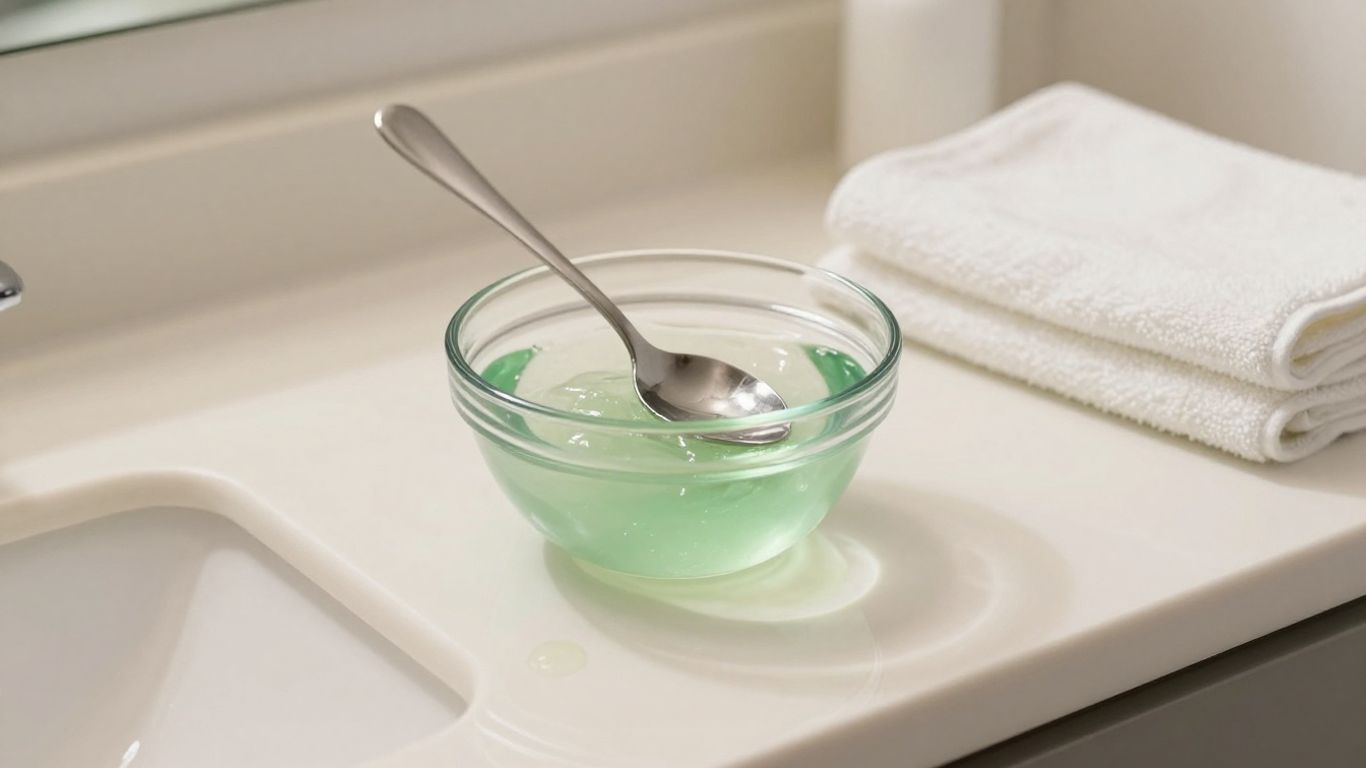
Safer base options and their limitations
A plain aloe vera gel without alcohol, fragrance, or unnecessary additives is often considered a gentler starting point than a complicated pantry mixture. A cooked starch-and-water gel can provide body, but it must be cooled promptly and treated as highly perishable. Neither option has the validated pH, osmolality, preservation, or stability testing of a manufactured intimate product.
The useful rule is to make only what you expect to use soon. Do not assume that adding more starch makes a formula safer or that a thicker texture means better protection from friction. This DIY lubricant guide offers another ingredient-and-storage perspective, but any homemade method still calls for caution.
Ingredients that may cause burning, irritation, or infection
The vagina and rectum are not mixing bowls for kitchen experiments. Sugar, honey, syrups, dairy, and other nutrient-rich ingredients can encourage microbial growth. Essential oils, menthol, warming agents, perfume, and fragranced moisturizers may burn or trigger contact irritation, even when diluted elsewhere.
Keep the formula boring. Avoid petroleum jelly when barrier compatibility is uncertain, and do not use a food ingredient simply because it is edible. Plain is often safer than a recipe crowded with oils, flavors, extracts, and “natural” embellishments.
How condoms and sex toys affect ingredient choices
Check the barrier and toy manufacturer’s material guidance before applying anything. Water-based lubricant is usually the simplest direction when latex barriers or toys of uncertain composition are involved, but homemade water-based mixtures still need hygiene and short storage. Oil can damage latex, and some silicone products can interact with silicone lubricant.
Compatibility is easier to assess when you know the material, the lubricant base, and the intended use. If any one of those is unclear, choose a tested formula or use a barrier over the toy as appropriate. A broader water-based lubricant comparison can help organize those choices without treating every formula as interchangeable.
Make and use a simple personal lubricant recipe
A cautious personal lubricant recipe should be small, plain, and temporary. One conservative approach is to combine clean water with a modest amount of plain, additive-free aloe vera gel, or to prepare a thin starch-and-water gel using clean heat-safe equipment. The goal is glide, not a perfect commercial texture.
Basic preparation principles for a short-term formula
For an aloe mixture, begin with a small spoonful of plain gel and add clean water gradually until the texture is smooth and slippery. For a starch gel, disperse a small amount of starch in cool water first, heat it gently while stirring until it thickens, then cool it completely before use. Do not add sugar, honey, oils, fragrance, or essential oils.
Homemade textures vary, so apply a little and reapply rather than making a dense batch. If it becomes tacky, grainy, hot, or uncomfortable, wash it away. There is no benefit in trying to rescue a mixture that feels wrong.
How to reduce contamination during mixing
Clean hands, utensils, and a small container are more useful than a large batch. Use fresh ingredients, avoid dipping used fingers into the container, and never pour leftovers back into the original ingredients. Make the mixture immediately before use when possible.
A simple preparation sequence keeps the process controlled:
- Wash and dry the work surface, hands, utensils, and container.
- Prepare only a one-use or very small quantity.
- Transfer the mixture with a clean spoon rather than repeated finger contact.
- Discard anything left after the short storage window or exposed during use.
These steps reduce opportunities for contamination, but they do not turn a kitchen mixture into a sterile or shelf-stable product. If you enjoy keeping careful notes about ingredients and dates, a personal knowledge base can be a practical place to record what your skin tolerated.
How to perform a small skin-sensitivity test
Apply a tiny amount to an intact patch of skin, such as the inner forearm, and leave it alone. Watch for immediate burning as well as later redness, itching, swelling, or rash. This is not a guarantee that internal tissue will tolerate the mixture, but it can help identify an obvious external reaction.
Do not patch-test on irritated tissue or use a test as permission to ignore symptoms. If a reaction appears, rinse gently, stop using the ingredient, and seek clinical advice if the response is severe or persistent.
Understand oil-based and silicone-based alternatives
Oil and silicone are not simply richer versions of a water-based lubricant. They behave differently on skin, fabrics, barriers, and toys, and cleanup can be more involved. Homemade alternatives deserve especially careful material checks because the ingredients and concentrations may not be standardized.
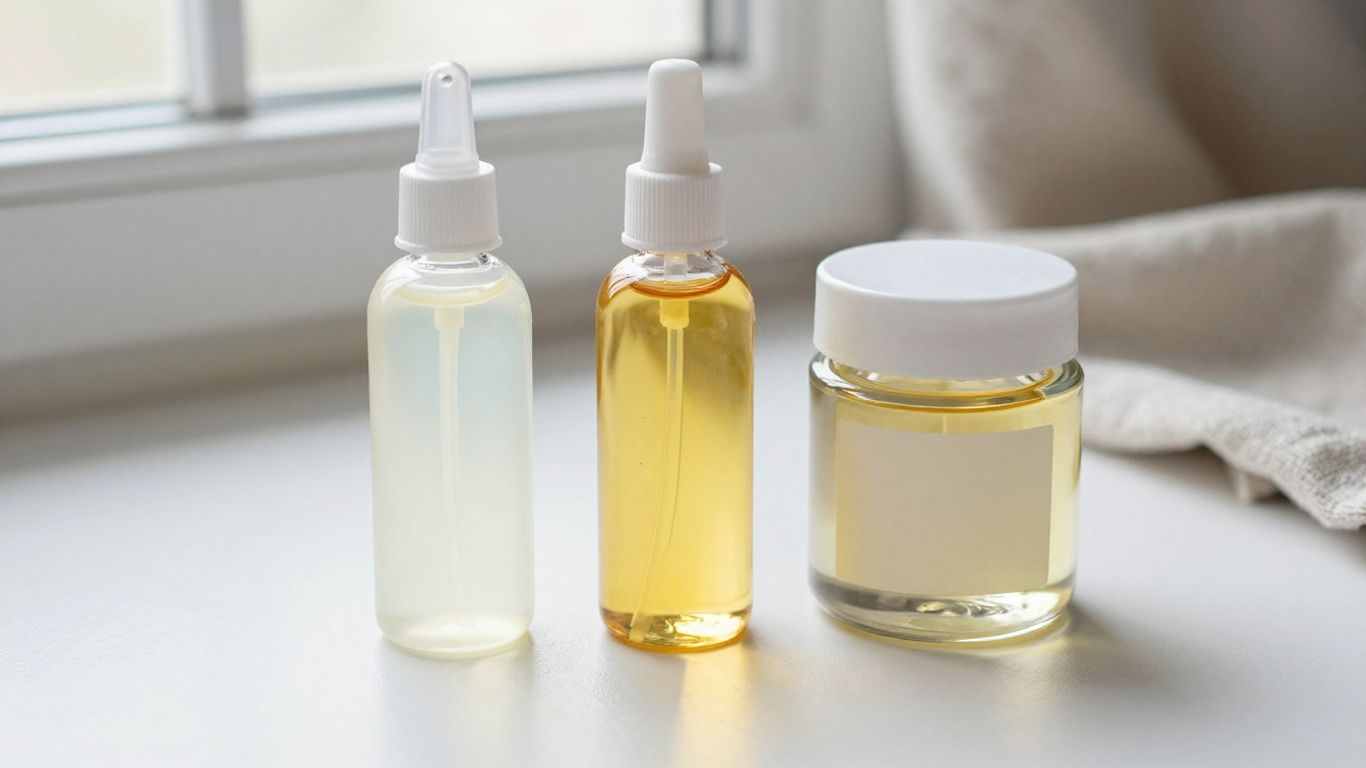
When oils may damage latex condoms
Oil can weaken latex and increase the chance that a condom or dental dam will fail. That includes many cooking oils, body oils, massage oils, and oil-based homemade blends. If latex protection is part of the plan, do not pair it with an oil-based lubricant.
Material uncertainty is also a reason to avoid oil. If the package does not clearly identify the barrier or toy material, a water-based, tested option is the more cautious choice. See this oil lubricant guide for a focused discussion of use and compatibility.
Which household oils can create irritation or mess
Coconut, olive, avocado, almond, and similar oils may feel smooth, but they can stain fabric, be difficult to rinse, and cause irritation or allergy in some people. Nut-derived oils deserve particular caution for anyone with a nut allergy. Essential oils are a separate concern and should not be added to intimate mixtures.
Oil also stays on tissue longer than water, which can make symptoms harder to interpret if irritation develops. If you do use an oil outside a latex-barrier context, keep the ingredient list short and stop at the first sign of discomfort.
Why silicone products require special toy-compatibility checks
Silicone lubricant can last longer than water-based lubricant, but some silicone toys may become tacky, cloudy, or otherwise damaged when exposed to it. The result depends on the particular materials and finish, so a general promise of compatibility is not enough.
Follow the toy maker’s instructions and perform a small, inconspicuous compatibility check when the manufacturer permits one. A dedicated silicone lubricant guide can help explain the questions to ask before use, while a water-based formula remains the less complicated homemade direction for many toys.
Store homemade lubricant safely
Water and plant-derived ingredients create an inviting environment for unwanted microbes. Homemade lubricant generally lacks the preservation system, controlled manufacturing conditions, and stability testing used for commercial products. Storage should therefore be conservative, clearly labeled, and secondary to making a fresh, small batch.
Choosing clean containers and utensils
Use a clean, dry, lidded container made from a material suited to the ingredients, and reserve it for this purpose if possible. A narrow opening can reduce repeated contact, but it does not make the mixture sterile. Do not use a container that smells of detergent, has scratches that are hard to clean, or previously held a questionable substance.
A calm, orderly bathroom setup can help keep clean and used items separate. If you are also planning a renovation, All City Bathroom Remodeling discusses organized bathroom projects, though its services are unrelated to lubricant preparation. The practical lesson here is simply to protect a clean preparation area from splashes and clutter.
Refrigeration, labeling, and short storage windows
Label the container with the ingredients and preparation date, then refrigerate it if the ingredients and container allow. Homemade water-based mixtures should be treated as short-lived—ideally used promptly rather than saved for a week. A refrigerator slows some changes but does not guarantee safety.
Keep the container closed, never share a used batch, and discard it if you cannot remember when it was made. A written date is more reliable than memory; BillsRemodeling.com is about bathroom renovation rather than storage, but the same preference for clear planning applies here only in a general organizational sense.
Signs the mixture has spoiled or changed
Discard the mixture if it develops an unusual smell, discoloration, separation that does not resolve with gentle mixing, gas bubbles, mold, unexpected thinning, or a grainy texture. A change in feel can matter even when the mixture looks acceptable. Never taste a batch to decide whether it is still usable.
When in doubt, throw it away. The cost of replacing a tiny batch is lower than the cost of dealing with irritation or infection, and a fresh preparation is easier to evaluate than an old one.
Know when to choose a commercial lubricant
Homemade lubricant can offer ingredient control, but commercial formulas offer something a kitchen cannot easily reproduce: controlled manufacturing and product testing. For people who want reliable performance, frequent use, or a predictable experience, that difference is meaningful. Arousellube makes water-based, edible personal lubricants with natural ingredients, an option aligned with readers who value plant-derived comfort and a more consistent intimate essential.
Benefits of tested water-based and silicone formulas
Commercial water-based lubricants are typically designed for consistent texture and easier cleanup, while silicone-based products are often selected when longer-lasting glide is useful. The right category depends on the activity, barrier, toy material, and personal sensitivity. Read the label rather than assuming that a product’s base answers every compatibility question.
Arousellube’s positioning centers on natural ingredients and water-based, edible personal lubricants. That does not make every formula suitable for every person, but it illustrates why a manufactured product can be preferable when consistency and clearly presented ingredients matter.
Features to look for with sensitive skin
Look for a short, transparent ingredient list and avoid known personal triggers. Depending on your needs, you may prefer a pH-balanced formula, no added fragrance, and no ingredients that have caused previous reactions. “Natural” is not a substitute for reading the label or testing a small amount externally.
Arousellube describes its lubricants as vegan, non-GMO, and third-party tested, with body-safe, natural ingredients. Those are documented positioning points, not a promise that irritation is impossible; individual responses still vary, and stopping use remains the right response to discomfort.
When pain, dryness, or irritation calls for medical advice
Lubricant can reduce friction, but it cannot diagnose the reason for pain or persistent dryness. Symptoms may relate to medication, hormonal changes, skin conditions, infection, pelvic-floor tension, or another health concern. Repeatedly changing products without investigating the cause can prolong the problem.
Seek medical advice for ongoing pain, bleeding, sores, swelling, unusual discharge, repeated infections, or symptoms that do not settle after stopping a product. Good intimate care also includes honest communication and mutual consent; a resilience-focused partnership communication guide may be useful for couples navigating difficult conversations, while hearing-related concerns belong with an audiology professional through resources such as hearing aid guidance.
Conclusion
A homemade lubricant can be a reasonable short-term experiment when it is plain, freshly prepared, used cautiously, and kept away from incompatible barriers and toys. Still, tested products are often the more dependable choice, especially for sensitive skin or recurring dryness. Comfort is the measure: if a formula burns, changes, or creates uncertainty, stop using it and choose a safer path.
Frequently Asked Questions
Can I use water as personal lubricant?
Water alone evaporates quickly and may not provide enough lasting glide. It is better viewed as a temporary aid than a complete lubricant, particularly for prolonged or anal use.
Is aloe vera gel safe as a homemade lubricant?
Plain aloe vera gel without alcohol, fragrance, or irritating additives may be tolerated by some people, but it is not automatically safe for internal use. Check the full ingredient list, patch-test externally, and discard it if it stings or changes.
Can I use cornstarch and water as lubricant?
A cooked cornstarch-and-water gel is sometimes used as a short-lived water-based mixture, but it has no validated preservation, pH, or osmolality. Prepare very little, keep it clean, and discard it promptly.
Is coconut oil safe to use with condoms?
Coconut oil and other oils can weaken latex barriers. Do not use an oil-based lubricant with latex condoms or dental dams; choose a compatible water-based or silicone-based option instead.
Can homemade lubricant cause a yeast infection?
Sugary or nutrient-rich ingredients such as honey, syrups, and dairy may encourage microbial growth and can irritate intimate tissue. Avoid them, and seek medical advice for itching, discharge, odor, or recurrent symptoms.
How long does homemade lubricant last?
Homemade water-based lubricant should be used promptly and stored only for a very short period if it must be kept. Refrigeration does not make it shelf-stable, so discard anything old, contaminated, or changed in appearance or smell.
When should I stop using a lubricant?
Stop immediately if you feel burning, itching, swelling, pain, or unusual dryness. Persistent or severe symptoms, bleeding, sores, or unusual discharge require medical evaluation rather than another recipe experiment.