

Posted by Mike
on August 04, 2026

Key Takeaways
A natural oil based lubricant can offer a rich, lasting glide, but it is not automatically compatible with every body, condom, or toy.
- Oil-based formulas usually last longer than water-based options but can be harder to clean.
- Coconut, olive, almond, and other plant oils differ in texture, scent, and allergy potential.
- Oils can weaken latex condoms, so barrier compatibility must be checked before use.
- “Natural” and “organic” describe sourcing or ingredients, not a guarantee of intimate safety.
- A short ingredient list, clear labeling, fresh packaging, and thoughtful testing are useful quality signals.
What a natural oil based lubricant is
A natural oil based lubricant uses an oil or blend of oils as its primary glide-producing ingredient. Plant-derived formulas may feel cushiony and remain on the skin longer than many water-based products. That same persistence can make them appealing for massage and external intimacy, while also creating compatibility and cleanup considerations. The best choice depends on where the product will be used and what barriers or devices are involved.
How oil-based lubricants differ from water- and silicone-based formulas
Oil-based lubricants do not evaporate or dry in quite the same way as water-based formulas, so many people need fewer applications. Water-based products are generally easier to rinse away and are often more versatile with condoms and toys. Silicone-based formulas can also provide lasting glide, but their ingredients and device compatibility require separate label checks. This oil lubricant comparison offers another useful overview of glide, ingredients, latex concerns, and cleanup.
Common plant oils used in natural lubricants
Coconut oil is popular for its smooth, rich feel, while olive oil tends to be heavier and may have a more noticeable scent. Almond oil can feel light and silky, but it is not suitable for people with tree-nut allergies. Shea butter, jojoba oil, and other botanical ingredients may appear in blends, each changing the finished texture. A natural oil based lubricant is therefore not one uniform category; the exact ingredient list matters.
What “natural,” “organic,” and “body-safe” really mean
“Natural” usually suggests ingredients derived from plants, minerals, or other non-synthetic sources, but the term can be used broadly. “Organic” may refer to certified agricultural practices, yet certification standards vary by region and product type. “Body-safe” is useful only when a maker explains the intended body area, testing, and material compatibility behind the claim. For a wider discussion of natural lubricant ingredients, look for guidance that addresses pH, allergens, and additives rather than relying on front-label language alone.
Why texture, scent, and ingredients vary between products
A raw or unrefined oil may smell more strongly and feel thicker than a refined version. Blending, filtering, adding waxes, or including botanical extracts can alter slip, absorbency, and storage life. Fragrance can make a product more appealing, but it may also be unwelcome on sensitive skin. The small details on the back label often explain why two products that sound similar feel very different.
Potential benefits of natural oil based lubricant
Oil-based formulas are often chosen for their substantial glide and moisturizing feel. They can be useful when repeated reapplication is inconvenient, especially during external touch or massage. Still, “natural” does not mean universally better, and comfort is personal. Patch testing and careful attention to condom instructions remain part of the benefit calculation.
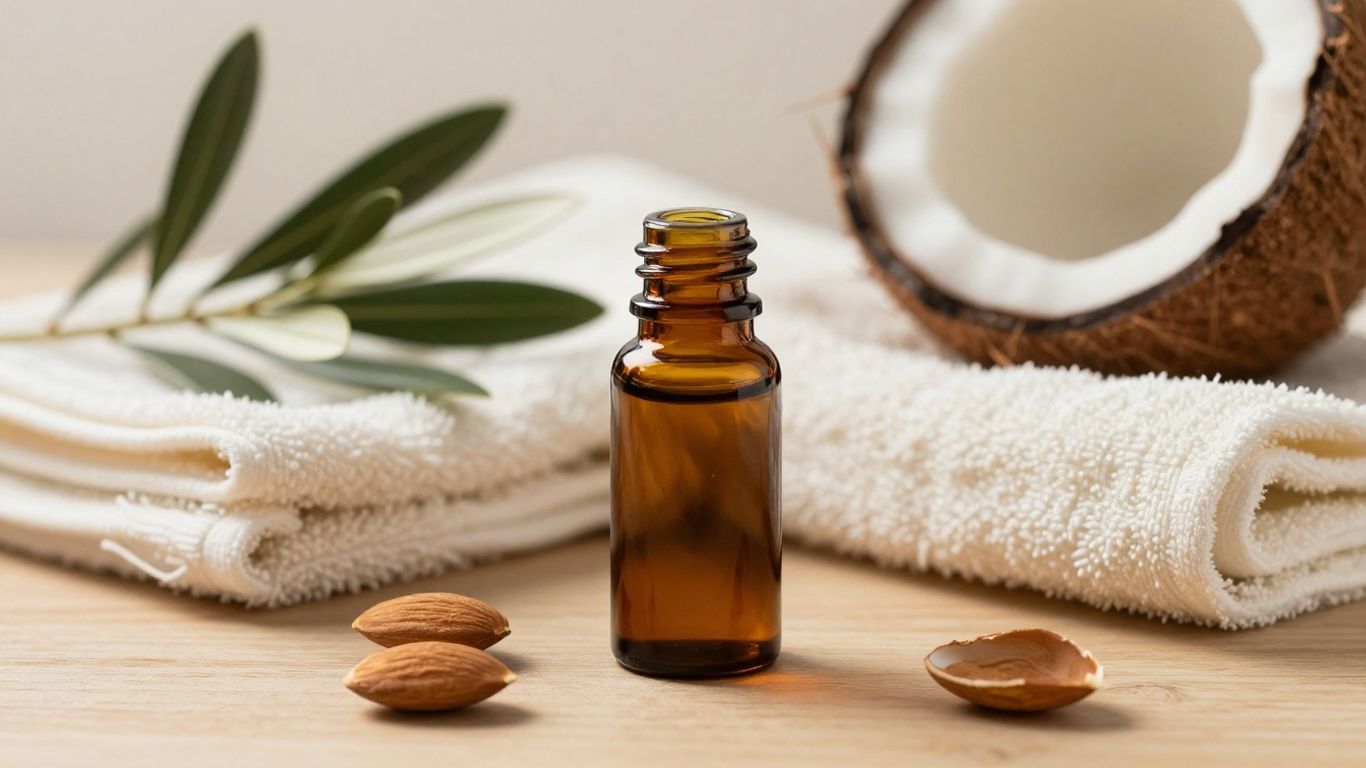
Long-lasting moisture and reduced reapplication
Because oils remain on the skin rather than drying quickly, they may provide a more continuous cushion against friction. This can be helpful for massage or external use when a thin layer of product is preferred over frequent topping up. However, a long-lasting feel does not remove the need to add more when friction returns. Too much product can also make handling slippery and cleanup more difficult.
How natural oils can support a smoother experience
Oils create a soft emollient layer that can reduce the sensation of skin dragging across skin. Some people enjoy the dense, silky texture, while others find it too rich or difficult to spread. Comfort comes before longevity: if the product stings, feels hot, or causes persistent irritation, wash it off and discontinue use. The goal is a pleasant, controlled glide rather than simply the thickest formula available.
When oil-based formulas may work well for massage
An oil-based lubricant can double as a massage medium for external skin, provided its label supports that use. Its slower absorption gives hands time to move across the body without immediately needing more product. Keep the bottle away from eyes and broken skin, and remember that massage use does not make an oil safe with latex barriers. A dedicated massage towel can also reduce worries about staining.
Benefits and limitations for sensitive skin
A short ingredient list may make it easier to identify a possible irritant, but plant oils can still trigger allergy or irritation. Essential oils, flavorings, and fragrance are common reasons a simple-looking product may not suit delicate skin. People prone to recurrent irritation or infections may prefer a professionally formulated, pH-balanced option intended for intimate use. The coconut oil safety guide is a helpful reminder that popularity does not erase limitations.
Choosing the right natural oil based lubricant
Choosing an oil is less about finding a universally “best” ingredient and more about matching its properties to your skin and activity. Consider scent, thickness, allergies, cleanup, and whether a condom or toy will be used. Cooking oils and cosmetic oils may not have been tested for intimate application, even when their ingredients sound familiar. A purpose-made product with clear directions is usually easier to evaluate.
Coconut, olive, almond, and other popular oil options
Coconut oil usually feels smooth and moderately thick, though it may solidify in cooler rooms. Olive oil stays liquid but can feel heavier and carry a distinct aroma. Almond oil is often lighter, yet it creates an obvious concern for anyone with a nut allergy. Jojoba and shea-based blends may offer different slip and firmness, so the name of the oil is only a starting point.
Refined versus unrefined oils
Refining can remove some odor, color, and naturally occurring compounds, producing a more neutral sensory experience. Unrefined oils may retain more of their original character but can vary more from batch to batch. Neither choice automatically proves that a product is suitable for internal use. Look for manufacturing details, intended-use directions, and storage guidance alongside the refining description.
Fragrance-free and additive-free formulas
Fragrance-free products are often a sensible first consideration for reactive skin because they avoid one potentially unnecessary source of irritation. “Additive-free” needs closer inspection: a product can omit fragrance while still containing extracts, preservatives, flavorings, or waxes. If oral use is relevant, verify that the label specifically addresses it rather than assuming an edible ingredient makes the whole formula edible. Personal preference matters, but simplicity is often useful when troubleshooting sensitivity.
How to read ingredient labels and product claims
Read the full ingredient list, not just the words “organic,” “clean,” or “plant-based” on the front. Check whether the product names a body area, condom material, toy material, shelf life, and testing approach. A simple comparison can help organize the decision:
| Question | Why it matters | What to look for |
|---|---|---|
| What is the base? | It predicts glide and cleanup | Oil, water, silicone, or a blend |
| Is latex involved? | Some oils can damage latex | A clear compatibility statement |
| Is sensitive skin a concern? | Fragrance and allergens may irritate | Full ingredient disclosure |
| How will it be used? | Internal and external use differ | Specific, plainly written directions |
After reading the label, compare its claims with the actual instructions. A product that is transparent about limits is more useful than one that promises every benefit at once.
Safety and compatibility considerations
Safety depends on the interaction between the lubricant, the body, the barrier, and the activity. Oil-based products deserve particular care because they can affect latex and may be harder to remove completely. They can also trap residue in places where moisture and bacteria are unwelcome. If there is uncertainty about a symptom or repeated irritation, a clinician can offer more reliable advice than a product label.
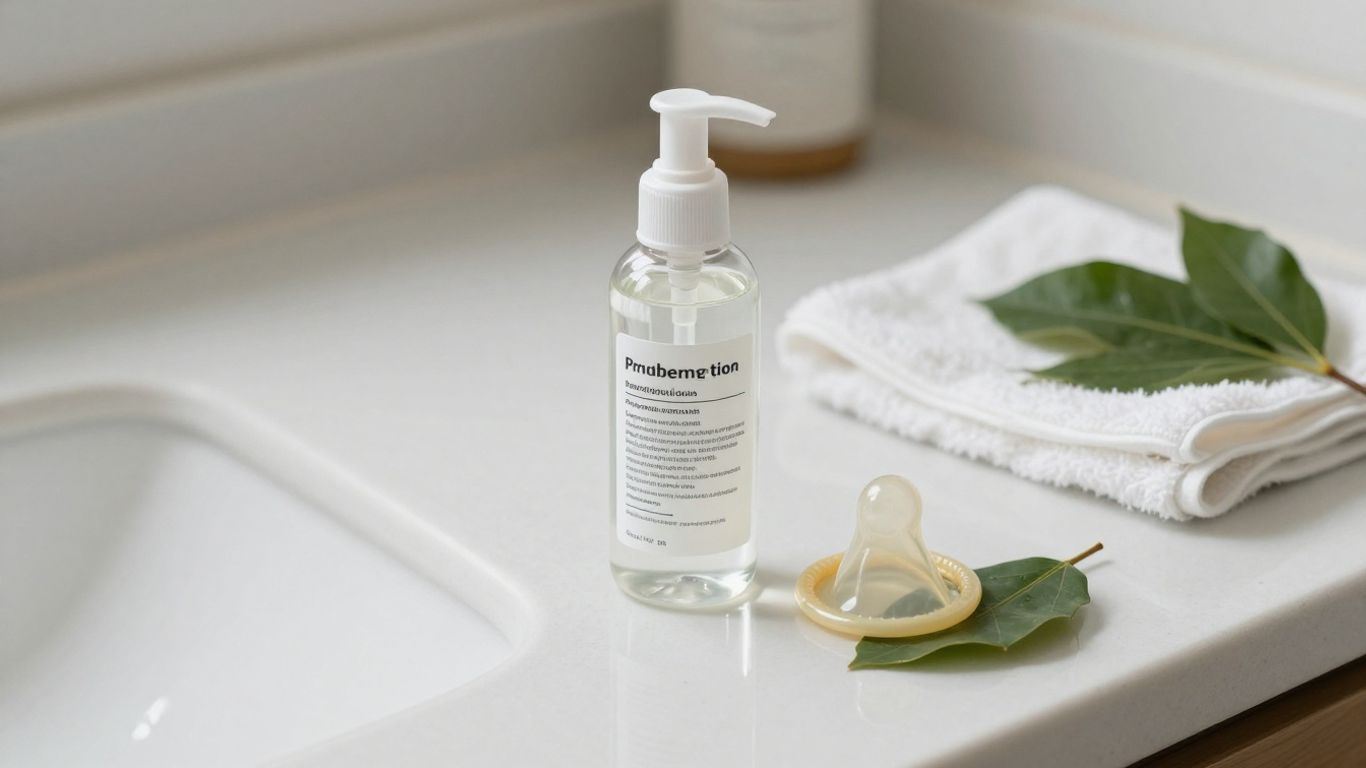
Why oil-based lubricants can weaken latex condoms
Oil can deteriorate latex, making a condom more likely to break or slip. This includes many plant oils, blends, and oil-containing cosmetic products, not only formulas marketed as lubricants. Never treat “natural,” “organic,” or “edible” as a latex-safe signal. If latex protection is part of the plan, choose a lubricant whose label explicitly confirms compatibility or use a different base.
Safer alternatives for use with latex barriers
Water-based lubricants are commonly selected with latex because they are easier to pair with that barrier material, though the package should still be checked. Some silicone-based products may also be compatible, but formulas vary and should be reviewed for toy materials and intended use. A lubricant alternatives guide explains why professional water- and silicone-based products are often preferred when latex compatibility is essential.
Allergies, irritation, and patch testing
Apply a small amount to an inconspicuous area of external skin first, then wait according to the product’s directions. Stop if you notice burning, itching, swelling, rash, or unusual discomfort. Almond and other nut-derived oils deserve special caution for people with known allergies, while fragrances and essential oils can bother otherwise non-allergic skin. Do not use a patch test as permission to ignore symptoms during intimate use.
When to avoid oils with vaginal or anal use
Avoid an oil if the label does not clearly state that it is intended for the body area you have in mind. People with recurrent vaginal irritation, infections, fissures, or unexplained pain may want to avoid experimenting and speak with a healthcare professional first. Anal tissue can be especially vulnerable to friction and small injuries, so lubrication alone is not a substitute for patience, communication, and barrier planning. Never use a product that causes pain or bleeding.
Hygiene, storage, and contamination risks
Use clean hands, avoid touching the bottle opening to skin, and close the container promptly. Store the product in a cool, dry place away from direct sunlight, and discard it if the smell, color, or texture changes. Do not share an open bottle casually or transfer it into an unmarked container. These small habits limit contamination and make it easier to track the product’s freshness.
How to use a natural oil based lubricant
Using an oil-based formula well is mostly a matter of starting small and paying attention. A thin layer is easier to spread, less wasteful, and simpler to clean than a large pour. Keep a towel nearby, communicate about comfort, and check barrier instructions before any intimate activity. If you are comparing options, this personal lubricant selection guide covers base, sensitivity, viscosity, and use-case questions.
Preparing the skin and applying the right amount
Wash and dry external skin, then warm a small drop between clean fingertips. Apply gradually to the area where external lubrication is wanted, adding more only if friction remains. Avoid eyes, broken skin, and any area the product label excludes. A controlled amount gives you a better sense of the formula’s slip without immediately creating a cleanup problem.
Combining lubricant with massage and intimacy
Oil can work comfortably for external massage when the label permits it and when no latex barrier is being exposed to it. Begin with broad, gentle movements and adjust pressure or product as needed. For intimate use, talk about sensation rather than assuming more lubricant is always better. Water-based options from ArouselLube may be worth considering when an edible, water-based format better fits the activity and barrier needs.
Cleaning oil from skin, fabrics, and surfaces
Wipe away excess oil before washing, then use warm water and a mild cleanser on external skin. Launder fabrics according to their care labels; a pre-treatment may help with an oily mark. Clean smooth surfaces promptly so they do not remain slippery. Keeping a washable cloth nearby makes the experience feel more relaxed and avoids improvising afterward.
When to reapply or stop using the product
Reapply when friction returns, but pause if the skin feels tender, hot, itchy, or unusually dry. More product cannot correct pain caused by pressure, insufficient arousal, or an underlying health issue. Stop completely if there is burning, swelling, rash, or bleeding, and seek medical advice when symptoms persist. A lubricant should support comfort, not require endurance.
Natural oil based lubricant versus other options
The most useful comparison is practical rather than ideological. Oil, water, and silicone each create a different balance of glide, reapplication, cleanup, and compatibility. A natural label may appeal to your ingredient preferences, but the base still determines much of the product’s behavior. Consider the complete situation, including barriers, toys, skin sensitivity, and where cleanup will happen.
Oil-based versus water-based lubricant
Oil-based products generally feel richer and last longer on skin, while water-based formulas tend to rinse away more easily and work across more settings. Water-based products may need reapplication as they dry, but that can be an advantage when you want a lighter feel. Arousellube offers water-based, edible personal lubricants made with natural ingredients, which may suit people prioritizing an edible format and straightforward cleanup. Always follow the specific product label.
Oil-based versus silicone-based lubricant
Both can provide lasting glide, but silicone formulas are not oils and should not be judged by oil-based rules. Silicone may be useful where water resistance matters, although some silicone toys can be affected by particular silicone lubricants. Oil usually leaves a more moisturizing film, while silicone often feels smoother and less absorbent. Ingredient and material compatibility checks are essential for both.
Choosing based on condoms, sensitivity, and cleanup
When several needs compete, rank them before shopping. The following sequence keeps the decision grounded:
- Confirm whether a latex or other barrier will be used.
- Identify known allergies, fragrance sensitivities, or recurring irritation.
- Decide whether long wear or easy rinsing matters more.
- Check compatibility with any intimate device.
That order prevents a pleasant texture from overshadowing a basic safety issue. The right product is the one that fits the whole use case, not merely the one with the most appealing marketing.
Selecting a formula for vaginal, anal, or external use
External massage has different requirements from vaginal or anal use, and a product suitable for one setting may not be suitable for another. Look for explicit directions, rather than inferring safety from an ingredient’s reputation. For vaginal use, sensitivity and pH considerations deserve attention; for anal use, adequate glide and gentle pacing are especially important. When in doubt, a purpose-formulated water- or silicone-based product may offer clearer guidance.
How to find a high-quality natural oil based lubricant
Quality is visible in the details a manufacturer is willing to provide. Look for a complete ingredient list, clear intended use, batch or expiration information, and realistic compatibility statements. Ethical preferences such as vegan or cruelty-free production may also matter, but they do not replace safety information. A polished package is pleasant; transparent documentation is more meaningful.
Third-party testing and certification
Third-party testing can provide additional confidence when the testing scope is clearly described. Organic certification, if present, should identify the certifying body and the standard used. Testing does not mean a product will suit every person, nor does it automatically establish latex or toy compatibility. Ask what was tested and whether the result applies to the finished formula.
Packaging, shelf life, and freshness
A well-sealed, clearly dated container helps protect oils from heat, light, and oxidation. Pumps or narrow openings may reduce repeated contact with the remaining product, while opaque packaging can limit light exposure. Check storage directions and avoid buying a bottle that has been sitting in a hot car or direct sun. Freshness affects both scent and texture, so changes should be taken seriously.
Transparent sourcing and manufacturing standards
A trustworthy maker explains where key ingredients come from and how the formula is produced without making vague promises about purity. Claims such as vegan, non-GMO, or cruelty-free should be supported by an accessible policy or certification where appropriate. Arousellube emphasizes natural ingredients, body-safe formulations, and third-party testing, which are useful standards to look for when comparing intimate essentials.
Warning signs of misleading natural lubricant claims
Be cautious when a product uses “chemical-free” language, hides its full ingredients, or calls itself condom-safe without naming the barrier material. Unusually broad promises about treating dryness, infections, or irritation also deserve skepticism. A natural lubricant article may sit beside unrelated claims online, from Terpinolene information to teen dual diagnosis treatment, Costa Rica ocean-view condos, expat borrower insurance, or online slot sites; that mixed context is a reminder to judge each claim by its evidence, not by the surrounding page design.
Conclusion
A natural oil based lubricant can be a satisfying choice for lasting external glide and massage, but its benefits only make sense alongside careful checks for allergies, intended use, latex compatibility, freshness, and cleanup. Read the full label, start with a small amount, and choose the base that supports comfort and protection in your particular setting.
Frequently Asked Questions
Is a natural oil based lubricant safe with latex condoms?
Generally, oils should not be used with latex condoms because they can weaken the material. Choose a product explicitly labeled compatible with the barrier, or use a different lubricant base.
Is coconut oil a good natural lubricant?
Coconut oil may provide smooth, lasting external glide, but it is not suitable with latex condoms and may not suit everyone’s skin or intimate health needs. Check the intended-use guidance and stop if irritation occurs.
Can olive oil be used as an intimate lubricant?
Olive oil can feel slippery, but household cooking oils are not necessarily formulated or tested for intimate use. Consider a purpose-made product with complete labeling and clear directions instead.
Are oil-based lubricants better for sensitive skin?
Not automatically. A short ingredient list can be helpful, but plant oils, fragrances, extracts, and nut-derived ingredients may still irritate sensitive skin.
Can oil-based lubricant be used with sex toys?
Compatibility depends on the toy material and the lubricant formula. Check both manufacturers’ instructions, especially with porous materials and silicone devices.
How do you remove oil-based lubricant from fabric?
Blot excess oil, pre-treat the mark according to the fabric-care instructions, and wash promptly. Heat can set some oily stains, so check the fabric before drying.
When should someone stop using a lubricant?
Stop if there is burning, itching, swelling, rash, pain, unusual discharge, or bleeding. Persistent or recurring symptoms warrant advice from a qualified healthcare professional.