

Posted by Mike
on September 07, 2026

Key Takeaways
A homemade personal lubricant can seem simple, but intimate tissue needs more than a slippery texture. The safest approach is usually a professionally made, clearly labeled formula.
- Water-based ingredients are generally easier to rinse away, but homemade mixtures are difficult to preserve safely.
- Oils can weaken latex condoms and may not suit every vaginal or anal-use situation.
- Sugar, dairy, fragrance, soap, essential oils, and warming additives are poor choices for intimate tissue.
- pH, osmolality, contamination, and toy compatibility all matter alongside texture.
- Stop using any lubricant that causes burning, itching, swelling, pain, or unusual discharge.
What to know before making a personal lubricant recipe
A personal lubricant recipe is not automatically body-safe because its ingredients are natural or familiar. Intimate tissues can react to acidity, preservatives, microbes, and concentrated additives in ways ordinary skin may not. Before mixing anything, consider where it will be used, what barrier or toy materials are involved, and how quickly the mixture can be discarded.
Why homemade lubricant safety matters
Homemade mixtures rarely receive the testing applied to commercial intimate products. Water-based gels can support microbial growth, while a pleasant texture says little about pH, osmolality, or compatibility. A clean-looking mixture is not sterile, and refrigeration does not make it sterile.
The DIY lubricant safety guide offers a useful overview of plain ingredients, small batches, prompt use, and reasons to avoid unnecessary additives. Those principles are more valuable than chasing a recipe that promises to work for everyone.
How vaginal, anal, and external use differ
Vaginal tissue has its own microbial environment and can be sensitive to products that alter pH or introduce irritants. Anal tissue does not self-lubricate and can be vulnerable to friction, so adequate glide and slow reapplication matter; lubricant does not replace barriers or safer-sex practices. External skin may tolerate more ingredients, but broken, inflamed, or recently shaved skin can still sting.
A mixture intended only for external touch should not automatically be used internally. If there is a history of recurrent irritation, infections, allergies, fissures, or pain, a clinician can help identify a safer option.
When a store-bought lubricant is the safer choice
A commercial lubricant is usually the safer choice when you need predictable preservation, disclosed ingredients, tested compatibility, or regular use. This is especially true for vaginal or anal penetration, shared use, sensitive skin, or situations involving condoms and toys.
A professionally made formula can also make it easier to compare pH, osmolality, base, and intended use. Arousellube offers water-based, edible personal lubricants made with natural ingredients, so its clearly defined product format is more predictable than an improvised kitchen mixture.
Signs to stop using a homemade lubricant
Stop immediately if the product burns, stings, itches, dries quickly enough to increase friction, or causes swelling. Discomfort that continues after washing the area deserves attention rather than another test application. Seek prompt medical help for severe swelling, hives, trouble breathing, significant bleeding, fever, or intense pain.
If symptoms are mild, rinse gently with lukewarm water and avoid sex, fragranced washes, and further experiments until the tissue feels normal. Do not use leftover mixture to see whether the reaction happens again.
Choosing ingredients for a water-based recipe
Water-based mixtures are appealing because they rinse away easily and generally fit more condom situations than oil-based mixtures. Still, water also creates a setting where bacteria, yeast, and mold can multiply. The ingredient list must therefore be short, the preparation careful, and the storage period very brief.
Suitable water-based ingredients
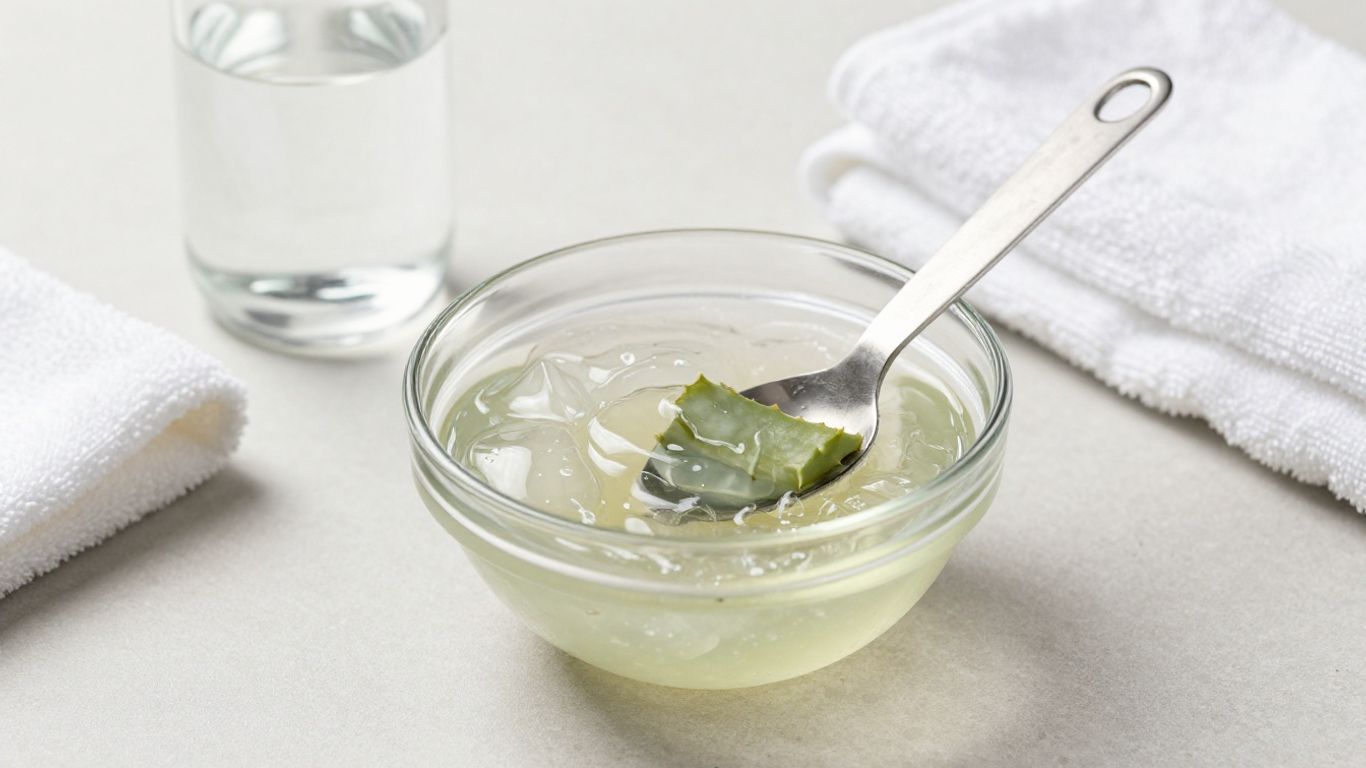
For a purely educational, short-lived external-use experiment, people often consider distilled water with a small amount of plain, unscented thickener or a simple aloe gel whose label contains no alcohol, fragrance, essential oils, or added sugar. Even these choices are not guaranteed to be suitable for internal use, and commercial intimate formulas remain more predictable.
The personal lubricant recipe guide discusses ingredient safety, pH, sanitation, storage, and compatibility together rather than treating slipperiness as the only goal. That broader view is the right starting point.
Ingredients to avoid near sensitive tissue
Avoid ingredients chosen mainly for taste, scent, tingling, or convenience. Sugar and dairy can encourage microbial growth; soap and shampoo can strip or irritate tissue; oils can interfere with latex; and essential oils may cause burning or allergic contact dermatitis.
The same caution applies to products marketed as natural. Plant-derived does not mean sterile, pH-balanced, or suitable for mucosal tissue. A short ingredient list is helpful, but it is not a substitute for testing.
Why pH and osmolality matter
pH describes acidity, while osmolality describes how strongly dissolved substances draw water across tissue. A formula with an unsuitable pH may irritate the vaginal environment, and a highly hyperosmolar formula can pull water from surface cells, increasing dryness or discomfort. These properties are difficult to measure accurately in a kitchen.
| Factor | Why it matters | What a home mixer can do |
|---|---|---|
| pH | Affects tissue comfort and the vaginal environment | Avoid strongly acidic or alkaline additives |
| Osmolality | Can influence water movement and irritation | Avoid concentrated sugar or salt solutions |
| Preservation | Limits microbial growth during storage | Make very small batches and discard promptly |
| Compatibility | Protects condoms and toys from material damage | Check labels before use |
The table shows why “natural” and “slippery” are incomplete safety tests. If a product will be used internally or often, choose one with relevant information from the maker instead of trying to infer performance from kitchen ingredients.
How texture and slipperiness affect comfort
A thick gel is not always a better gel. If it becomes tacky, pills, dries rapidly, or requires forceful reapplication, it may increase friction rather than reduce it. Anal use often calls for a longer-lasting glide, while external use may favor a lighter texture and easy cleanup.
Test a tiny amount on intact skin first, but remember that a patch test cannot prove internal safety. Reapply before friction becomes uncomfortable, and stop if the product changes texture or starts to feel warm or gritty.
How to make a simple personal lubricant recipe
There is no universally safe homemade lubricant recipe for internal use. If someone still chooses to experiment, the least complicated approach is a tiny, temporary water-based batch made with clean equipment and discarded quickly. Treat it as an external-use experiment, not as a replacement for a tested intimate product.
Basic preparation and equipment
Use a clean saucepan, heat-safe spoon, measuring tools, a clean small container, and distilled water. Wash hands and equipment thoroughly, then allow them to dry before mixing. Avoid jars that are difficult to clean, reused food containers with lingering residue, and any ingredient whose label includes fragrance, flavor, alcohol, or essential oils.
Do not prepare a large batch to save time. A smaller amount reduces waste and limits the period in which contamination can multiply.
Step-by-step mixing method
A cautious method is to combine distilled water with a very small amount of plain cornstarch, heat it while stirring until it thickens, and then cool it completely. This is similar to a basic starch gel, but cooking does not create a sterile product or establish safe pH and osmolality.
For an additional perspective, this zero-waste water-based method describes a cornstarch-and-water approach, while also illustrating why simple ingredients do not remove the need for hygiene and prompt disposal. If the mixture smells different, separates oddly, develops lumps, or feels irritating, discard it.
Adjusting thickness and consistency
Change consistency only in tiny increments. Adding more starch can make the gel pasty or increase drag as it dries, while adding water can make it runny and may increase the opportunity for contamination. Cool the mixture before judging it because starch gels often thicken as they stand.
Apply a small amount to clean external skin and assess glide without rubbing hard. Never add oil, sugar, honey, fragrance, or essential oils to improve the feel.
Keeping the recipe free from contamination
Keep fingers out of the container and use a clean spoon for each application. Do not share a homemade batch between people, and do not use it on broken skin or with an open container that has been sitting out. If a condom or toy touches the mixture, do not return the applicator or toy to the container.
These precautions lower avoidable contamination but cannot provide the quality controls of a manufactured product. For regular intimacy, a sealed commercial lubricant is the more dependable choice.
Preserving and storing homemade lubricant
Preservation is the point at which many homemade recipes become unreliable. A water-rich gel can look normal while microbes multiply inside it, and household refrigeration is not a validated preservation system. Storage advice should therefore be conservative, especially when the mixture may touch mucosal tissue.
Why homemade mixtures spoil quickly
Water, starch, aloe, and other botanical ingredients can provide moisture and nutrients for microbial growth. Repeated opening introduces organisms from hands, air, and surfaces. Without a validated preservative system and microbial challenge testing, there is no dependable way to establish a safe shelf life at home.
The homemade lubricant safety overview explains this limitation well: contamination control, storage, and discard signs matter as much as the initial recipe.
Refrigeration and short-term storage
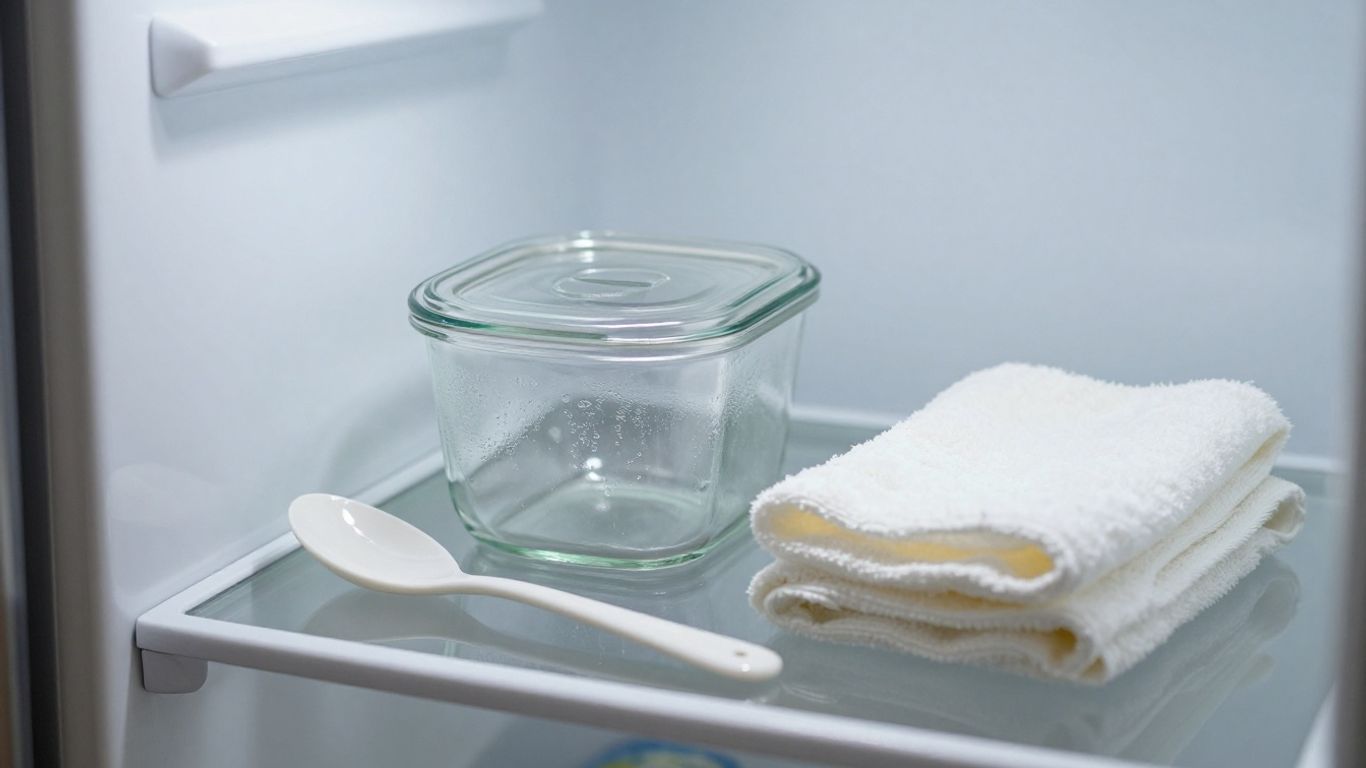
If you make a mixture despite the risks, place it in a clean, sealed container and refrigerate it promptly. Make only enough for immediate or very short-term external use, and discard leftovers rather than trying to extend their life. Never leave a homemade water-based gel in a warm car, bathroom, or bedside drawer for days.
Cold storage slows some growth but does not stop it. Do not freeze and thaw the same batch repeatedly, since changing texture and repeated handling add further uncertainty.
How to recognize spoilage
Discard the mixture if it develops a sour or unusual odor, discoloration, gas, mold, separation, unexpected thinning, or a gritty or slimy feel. A change in texture can be an early warning even when there is no visible mold. When in doubt, throw it away; the cost of replacing a small batch is lower than the cost of treating irritation or infection.
Never taste a questionable batch as a safety test. Edible ingredients do not make a product safe for intimate use, and spoilage may not be obvious to the senses.
Why preservatives require specialized knowledge
Preservatives work within a specific formula, pH range, concentration, packaging system, and microbial environment. Using too little may fail to protect the product, while using too much can irritate tissue. Measuring a preservative by kitchen spoon is not a meaningful substitute for formulation expertise and testing.
That is one reason professionally made products can be a better choice for frequent use. Arousellube describes its formulations as natural, non-GMO, vegan, pH-balanced, and third-party tested; those documented qualities are different from simply adding a preservative to a home mixture.
Personal lubricant recipes and condom compatibility
Compatibility depends on both the lubricant base and the condom material. A mixture that feels comfortable may still weaken a barrier, and a product labeled “natural” may contain oils that are unsuitable with latex. Read both labels before use, and when information is missing, choose a different product or barrier combination.
How oil-based ingredients affect latex
Petroleum jelly, coconut oil, olive oil, massage oil, and other oil-based ingredients can weaken natural rubber latex. That can increase the chance of breakage even when the condom appears intact at first. Oil can also be harder to wash away and may stain fabrics.
If latex protection is part of the plan, use a lubricant explicitly labeled compatible with latex. Do not rely on a quick rinse or a small quantity of oil to make the combination safe.
Compatibility with polyisoprene and polyurethane condoms
Polyisoprene and polyurethane are different materials from latex, but they still require label-specific guidance. A formula suitable for one condom material may not be suitable for another, and homemade mixtures lack reliable compatibility testing.
Check the condom package and lubricant label together. If either package is unclear about oil, silicone, or water compatibility, choose a product with clearer directions rather than guessing.
Lubricant considerations for sex toys
Toy materials vary widely, and porous materials can absorb oils, fragrances, or other additives. Silicone-based lubricant may also interact with some silicone toys, causing a surface change; the toy manufacturer’s instructions take priority. Water-based formulas are often the easiest starting point, but “water-based” alone does not guarantee suitability for every toy.
Use a small amount in an inconspicuous area only when the manufacturer permits testing, and wash the toy according to its instructions. A condom over a toy can add a barrier, but it does not make every lubricant compatible with every material.
How to check product and condom labels
Look for the base, intended uses, condom-material guidance, toy guidance, expiration date, and storage instructions. Avoid products that hide key ingredients behind vague claims when your skin is sensitive. Clear labeling helps you compare products without making assumptions from words such as natural, edible, or gentle.
Arousellube’s positioning around body-safe ingredients and pH-balanced formulas fits this label-first approach, but each user should still follow the specific product and condom directions. If the labels conflict, do not combine the products.
Ingredients and recipes to avoid
Many popular kitchen substitutes are unsuitable because they were designed for food, hair, household cleaning, or massage rather than mucosal contact. Their familiarity can make them seem harmless, yet sugar, fragrance, oil, and concentrated botanical compounds can create very different risks in intimate use.
Petroleum jelly and household oils
Petroleum jelly and cooking oils can damage latex barriers and may trap moisture against tissue. Some people also find oils difficult to remove, and residual product can contribute to irritation. Nut-derived oils create an additional concern for anyone with an allergy.
The oil lubricant safety guide is useful for understanding base differences, cleanup, and condom considerations. For barrier-protected sex, a labeled water-based or compatible silicone product is generally easier to evaluate.
Food products with sugar or dairy
Honey, syrups, sweetened gels, yogurt, cream, and other dairy or sugary foods are poor lubricant choices. They can feed microbes, spoil quickly, and contain proteins or acids that irritate sensitive tissue. Flavor is not a safety feature.
Even if a food is edible, the vagina, anus, and vulvar or penile skin have different needs. Use products formulated for intimate contact rather than turning a dessert ingredient into a lubricant.
Soap, shampoo, and fragranced products
Soap, shampoo, body wash, lotion, and fragranced moisturizers can contain surfactants, alcohols, perfumes, or preservatives that sting mucosal tissue. They may also disrupt the skin barrier and leave residue. Rinsing afterward does not guarantee that irritation will not occur.
Choose plain, purpose-made products and avoid adding scent or flavor to a homemade batch. A fragrance-free label is helpful, but the full ingredient list still deserves attention.
Saliva as a lubricant substitute
Saliva dries quickly and does not provide dependable, lasting lubrication. It also carries microorganisms from the mouth and can transfer infections between partners or body sites. Replacing it with more saliva may increase friction rather than solve the problem.
If lubrication is needed, use a product designed for that purpose and reapply before discomfort begins. Persistent dryness should be addressed rather than covered with repeated substitutes.
Essential oils and warming ingredients
Peppermint, cinnamon, clove, tea tree, menthol, and similar ingredients can cause burning, irritation, or allergic reactions. Diluting an essential oil in another household product does not make it appropriate for internal use. Warming or tingling sensations are not evidence of better lubrication.
This caution also applies to homemade blends promoted as botanical or sensual. Avoid them near sensitive tissue, particularly if you have eczema, allergies, recurrent infections, or a previous reaction to scented products.
Safer alternatives and when to seek medical advice
For most people, the safest alternative to a homemade batch is a clearly labeled commercial lubricant selected for the intended body area and barrier material. Look for transparent ingredients, appropriate testing information, and directions that match your needs. Natural branding can be appealing, but safety depends on formulation and evidence rather than the label alone.
Choosing a commercial water-based lubricant
Water-based lubricant is a practical starting point when easy cleanup, condom use, and broad toy compatibility matter. Look for a formula that states its intended use and provides clear ingredient and storage information. A pH-balanced, body-safe product may be preferable for vaginal use, while anal use may require a thicker, longer-lasting glide.
Arousellube makes water-based, edible personal lubricants with natural ingredients, offering a defined alternative to improvising with pantry items. Apply enough to prevent friction and reapply as needed rather than waiting for discomfort.
When silicone-based lubricant may work better
Silicone-based lubricant can last longer than many water-based formulas and may be useful for extended activity or water exposure. It is commonly compatible with latex, but the label still matters. Because silicone formulas may affect some silicone toys, check the toy maker’s instructions before combining them.
Silicone is not automatically better; it simply offers a different texture, longevity, and cleanup profile. Choose according to the activity, barrier, toy material, and personal response.
What to do after irritation or an allergic reaction
Stop using the suspected product and rinse gently with lukewarm water. Avoid scrubbing, douching, fragranced cleansers, and sex until symptoms settle. If there is swelling, hives, breathing difficulty, severe pain, or rapidly worsening symptoms, seek urgent medical care.
For a milder reaction that does not improve, contact a clinician. Keep the product packaging or ingredient list available, since it may help identify the trigger and guide future choices.
When recurring dryness or pain needs evaluation
Recurring dryness, burning, bleeding, fissures, pain with penetration, unusual discharge, or repeated infections deserve medical evaluation. These symptoms can have many causes, including medication effects, hormonal changes, dermatologic conditions, pelvic-floor problems, infection, or inadequate arousal. More lubricant may not address the underlying issue.
A healthcare professional can help distinguish irritation from infection and recommend appropriate treatment. Comfort and pleasure are valid reasons to seek care, not signs that you should simply tolerate pain.
Conclusion
A homemade personal lubricant recipe may be easy to mix, but reliable intimate safety requires more than familiar ingredients and a smooth texture. For occasional experimentation, keep any batch tiny, simple, external-use only, and short-lived; for regular or internal use, a tested product with clear compatibility and ingredient information is the wiser choice.
Frequently Asked Questions
Is it safe to make personal lubricant at home?
There is no universally safe homemade formula for internal use because kitchen mixtures are difficult to test for pH, osmolality, preservation, and contamination. A professionally made lubricant is generally more predictable.
Can I use cornstarch and water as lubricant?
A cooked cornstarch-and-water gel is sometimes used as a short-lived external experiment, but it is not sterile or reliably preserved. It can become sticky and should not be treated as a tested vaginal or anal lubricant.
Can I use coconut oil with condoms?
Coconut oil and other oils can weaken latex condoms. Check the condom and lubricant labels, and choose a compatible water-based or silicone-based product when using latex barriers.
Is aloe vera gel safe as personal lubricant?
Only a product with a suitable ingredient list may be considered, and plain aloe gel is not automatically sterile, pH-balanced, or appropriate for internal use. Avoid formulas containing fragrance, alcohol, essential oils, or added sugar.
How long does homemade lubricant last?
Homemade water-based lubricant can spoil quickly, especially after repeated handling. Make a very small amount, refrigerate it promptly if keeping it briefly, and discard it at the first sign of odor, discoloration, separation, mold, or texture change.
What should I do if lubricant burns?
Stop using it, rinse gently with lukewarm water, and avoid further irritants. Seek medical care for severe or persistent symptoms, swelling, hives, breathing difficulty, significant pain, bleeding, or unusual discharge.
What lubricant is best for sensitive skin?
Look for a clearly labeled, fragrance-free formula with transparent ingredients and directions suited to your intended use. Patch testing can provide limited information for external skin, but it cannot prove that a product is safe for internal tissue.