

Posted by Mike
on October 14, 2026

Key Takeaways
Silicone lubricant can provide lasting glide or help reduce friction on certain mechanical parts, but the right choice depends on the formula and its intended use. Check labels and material guidance before applying it.
- Silicone formulas tend to resist water and last longer than water-based lubricants.
- Personal lubricants and mechanical lubricants are made for different applications; choose accordingly.
- Check compatibility with condoms, toys, seals, plastics, and rubber rather than assuming one formula suits all.
- Apply a small amount to a clean, dry surface, and keep it off areas where grip matters.
- Follow product directions for cleanup, storage, and any specialized uses.
What silicone lubricant is and how it works
Silicone lubricant is a broad category of products that use silicone-based compounds to reduce friction or provide glide. Personal formulas and lubricants for mechanical components are not interchangeable, even when both are called silicone lubricant. Their ingredients, consistency, and intended uses differ. Reading the label is the best place to start.
Silicone-based ingredients and formulations
Silicone-based lubricants commonly use ingredients such as dimethicone, but a product’s complete formulation varies by use. Personal gels are made for skin contact, while mechanical products may come as sprays, fluids, or greases. These categories have different directions and safety requirements. Formulation matters as much as the base ingredient, so use the product only for applications specified on its label.
How silicone compares with water- and oil-based lubricants
The main practical differences are how a lubricant feels, how it behaves around water, and how easily it cleans up. Silicone formulas often last longer than water-based ones, while water-based products are generally easier to wash away. Oil-based formulas have different material and condom considerations, so they are not a universal substitute. This comparison can help frame the choice, but the individual product label still takes priority.
| Type | Typical practical quality | Cleanup consideration | Check before use |
|---|---|---|---|
| Silicone-based | Often long-lasting and water-resistant | May need more effort to remove | Material and application compatibility |
| Water-based | Generally easy to wash away | Usually simpler with water | Ingredients and directions |
| Oil-based | Formulas and uses vary | Can leave residue | Condom and surface compatibility |
A table can describe broad tendencies, not guarantee how a particular product performs. For personal use, Arousellube offers water-based, edible personal lubricants made with natural ingredients, an option for readers seeking a water-based formula rather than a silicone one. For more on the feel and practical distinctions, see this guide to choosing a personal lubricant.
Why it lasts longer and resists water
Silicone lubricant tends to remain slick in wet conditions because it does not dissolve in water in the way water-based lubricant does. That can mean less frequent reapplication for some uses, although performance depends on the formula and activity. Its water resistance can also make cleanup less immediate. For intimacy, these properties may be useful, but comfort and compatibility still matter more than duration alone.
Common forms, from personal gels to industrial sprays
Personal silicone lubricants are often gels or liquids packaged for controlled application to the body. Mechanical products may be sold as sprays, fluids, or thicker greases intended for components such as seals. Industrial formats may include applicators suited to targeted maintenance. A personal lubricant should not be used to service machinery, and a mechanical lubricant should never be assumed suitable for skin contact.
Common uses for silicone lubricant
Silicone lubricant appears in both personal-care and maintenance settings, but those uses call for purpose-made products. A formulation designed for intimate use is different from grease or spray for equipment. Consider the surface or material involved, the conditions it will face, and the product directions before choosing. This overview of silicone lubricant uses offers a related look at personal and mechanical applications.
Personal lubrication and intimate use
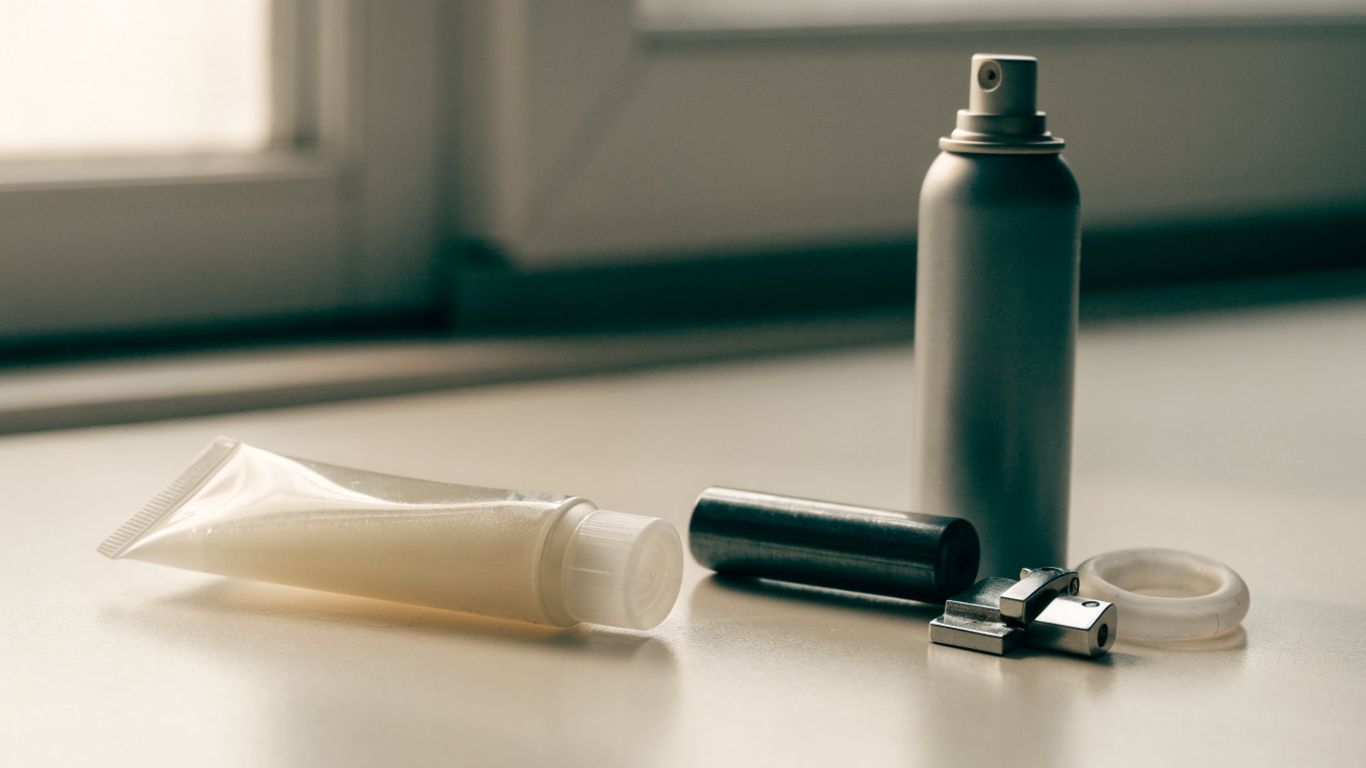
Personal silicone lubricant can offer a smooth glide that lasts in settings where water-based formulas may need more frequent reapplication. Check the packaging for intended use and condom compatibility, since compatibility can vary by formula. Arousellube offers water-based, edible personal lubricants made with natural ingredients for those who prefer that type of intimate lubricant. Choose based on your own needs and the instructions for any condoms or toys involved.
O-rings, seals, and plumbing components
Some silicone lubricants are used on O-rings, seals, and plumbing components to ease assembly or reduce friction. But the material and the product must be compatible: “silicone” on the label does not mean safe for every rubber or plastic. Apply only a product specified for the component and task, and avoid using personal lubricant in place of a mechanical product. For technical uses, follow the equipment or seal manufacturer’s recommendations.
Hinges, tracks, and other household mechanisms
A silicone spray or fluid may suit some household mechanisms, including hinges or sliding tracks, when the product label lists that use. Start with a small amount and protect nearby surfaces from overspray. Lubricant can make a handle, step, or floor dangerously slick, so keep it away from places where people need traction. If the mechanism has specific maintenance instructions, follow those instead of relying on a general-purpose product.
Industrial equipment and facility maintenance
Facility maintenance may involve moving parts, metal components, and seals exposed to moisture, but the appropriate lubricant depends on the machine and operating conditions. Check the equipment documentation for the required product type and application method. For one example of the category, this industrial silicone grease reference describes a brush-top product for seals, electrical connections, and moving parts. That example is not a substitute for checking a specific machine’s requirements.
How to choose the right silicone lubricant
Begin with the task, not just the word “silicone” on the package. Personal comfort, a plumbing seal, and a sliding track each call for a product intended for that use. Then check material compatibility and application directions. A guide to silicone lubricant for materials can provide a starting point, but the product label and equipment instructions should guide the final choice.
Match the formula to the intended application
A suitable product should explicitly list the intended application, whether it is personal lubrication or mechanical maintenance. For personal use, check that the lubricant is made for intimate contact; for equipment, consult its service instructions and choose a lubricant intended for the component. A quick way to narrow options is to ask these questions before buying:
- Is the product intended for personal use or mechanical maintenance?
- Does the label name the surface, component, or application?
- Will it be exposed to water, heat, or repeated movement?
- Are there specific directions from the manufacturer of the item?
Those checks help rule out products that merely share a silicone base. If the intended use is not clear on the package, choose a product with clearer directions rather than guessing.
Check material compatibility, including plastics and rubber
Compatibility is not universal across plastics, rubbers, coatings, or seal materials. A lubricant that works on one component may affect another, and personal products should not be used on equipment unless the manufacturer permits it. When the surface is uncertain, check both the lubricant label and the component manufacturer’s guidance. If necessary, test a small, inconspicuous area only when product instructions allow it.
Consider viscosity, packaging, and application method
A thin fluid can spread readily, while a thicker grease may stay in place more easily; neither is automatically better for every task. Sprays can reach awkward areas, but they can also travel onto nearby surfaces where slickness is unwanted. Tubes and brush-top containers can offer more controlled placement. Match the package and consistency to the work, and avoid applying more than the directions recommend.
Review product labels and manufacturer recommendations
The label should state what the product is for, how to apply it, and any relevant cautions. For equipment, compare those directions with the machine or component manual; for personal use, check condom and toy compatibility information. A product’s general description cannot replace specific instructions for a particular material or use. When guidance conflicts, ask the manufacturer before applying the lubricant.
How to apply silicone lubricant safely
A careful application can reduce mess and help prevent accidental transfer to surfaces that need traction. Start by reading the directions and preparing the area, then use only the amount needed. Keep the product away from eyes and any surface where a slippery film could create a hazard. For a step-by-step look at personal formulas, this personal lubricant use guide covers application and cleanup considerations.
Clean and dry the surface before application
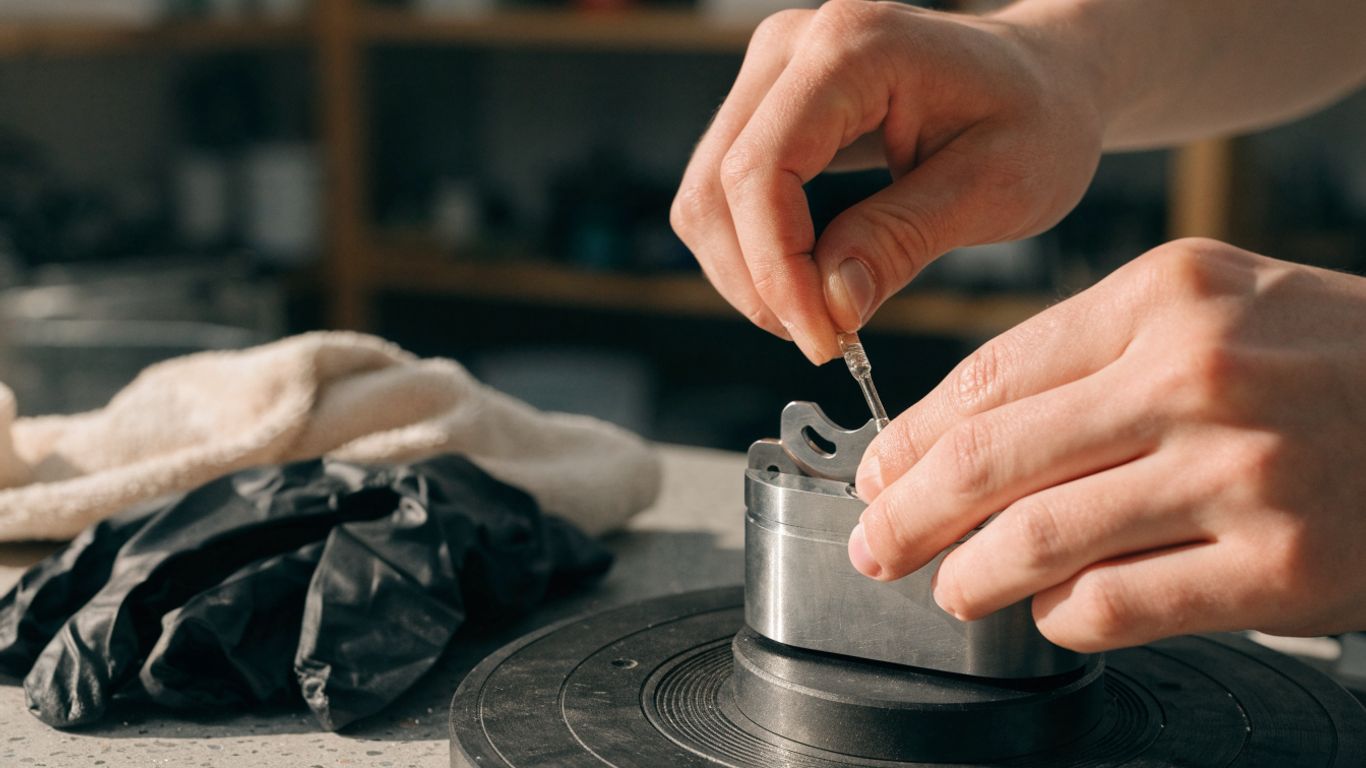
Dust, old residue, and moisture can interfere with an even application or cause contamination. Clean the surface using a method that is safe for its material, then let it dry fully. For personal use, follow the product directions and use clean hands. Avoid harsh cleaners on sensitive surfaces unless their manufacturer recommends them.
Use a small amount and spread it evenly
Start with a small amount, since excess product can spread beyond the target area and make cleanup harder. Apply it where friction needs to be reduced, then spread it evenly if the instructions call for that. With a spray, use controlled bursts and protect surrounding surfaces. Add more only if needed and permitted by the directions.
Keep lubricant away from surfaces where grip is needed
A slick film can create a fall or handling risk on floors, stairs, handles, pedals, and tool grips. If lubricant transfers to one of these areas, stop using it until it has been cleaned and dried. Cover nearby surfaces before applying a spray or liquid. This is especially useful in shared spaces, where someone else may not expect a treated surface to be slippery.
Follow ventilation and protective-equipment guidance
Some mechanical lubricants are sprays or contain ingredients that call for ventilation or protective equipment. Use the label’s guidance, keep products away from flames when instructed, and avoid breathing mist. Personal formulas have their own use directions and should not be treated like industrial products. Do not mix products or apply them in a way the label does not permit.
Compatibility and safety considerations
The same lubricant can behave differently across bodies, condoms, toys, and mechanical materials, so compatibility deserves a separate check. Product labels are more reliable than broad assumptions about silicone as a category. When an item has its own care instructions, follow them too. If irritation or discomfort occurs during personal use, stop using the product and seek appropriate medical advice if symptoms persist.
Check condom compatibility for personal use
Do not assume that every personal lubricant works with every condom material. Check the lubricant packaging and condom manufacturer’s directions for compatibility, and use only combinations they permit. Oil-based products can be unsuitable with some condom materials, which is another reason to rely on the specific instructions rather than category names. When in doubt, choose a product clearly labeled for the condom in use.
Avoid using silicone lubricant with silicone sex toys
Silicone lubricant may interact with some silicone toys, so water-based lubricant is often the simpler choice unless the toy maker says otherwise. Check both the toy-care instructions and the lubricant label. A small patch test is sometimes suggested, but it should not override manufacturer directions. For more detail, review this lubricant guide for silicone toys.
Confirm suitability for food-contact or medical applications
A product being silicone-based does not mean it is approved for food contact, medical devices, or clinical use. These applications may have specific standards and product requirements. Use only a lubricant whose labeling and documentation explicitly support the intended setting, and follow the relevant manufacturer’s instructions. Do not rely on a general-purpose spray or personal lubricant for a specialized application.
Do not assume one formula works for every seal or material
Seals and plastics vary, as do the formulations sold for their care. A product suitable for one O-ring or gasket may not be suitable for another, even if both look similar. Confirm the exact material when possible and consult the part manufacturer’s guidance. If compatibility remains uncertain, do not apply the lubricant until you have reliable direction.
Storage, cleanup, and alternatives
Silicone formulas can leave a persistent slick residue, so it helps to plan for storage and cleanup before opening the package. Keep personal products separate from mechanical lubricants and retain their labels. Use cleaning methods that are appropriate for the surface, and avoid aggressive solvents unless the manufacturer approves them. When the priority is easy washing, a different lubricant base may fit better.
Store products as directed and check expiration dates
Keep the original packaging so product directions and warnings remain available. Store the container at the temperature and conditions on its label, close it securely, and keep it away from children and pets. For personal products, check the expiration date and discard anything that has changed in appearance, smell, or consistency. Do not transfer lubricant into an unlabeled container.
Remove residue without damaging the surface
For skin, use the cleaning method recommended by the personal lubricant’s label. On household surfaces, begin with a mild cleaner suitable for that material and follow with a clean, dry cloth; repeat if a slick film remains. Fabric may need pretreatment before laundering, but check its care instructions first. Avoid abrasive tools or strong solvents that could damage finishes.
Choose water-based lubricant when easier cleanup is a priority
Water-based personal lubricants are generally easier to rinse away than silicone formulas, though feel and ingredients differ among products. They may need reapplication sooner, depending on use. Arousellube offers water-based, edible personal lubricants made with natural ingredients for readers who would rather choose that base. Consider the intended use and product directions alongside cleanup preference.
Consider grease or oil-based products for application-specific needs
A mechanical task may call for a grease or another lubricant specified by the equipment maker, rather than a silicone fluid. Oil-based products also have application-specific limitations and may be incompatible with some condom materials or surfaces. Choose based on documented requirements, not on a general assumption that a thicker or more familiar formula will work. If the application is specialized, use the product recommended by its manufacturer.
Conclusion
Silicone lubricant can be useful for lasting glide or selected maintenance tasks, but its performance depends on choosing a formula made for the intended application. Check the label, verify material compatibility, apply only as directed, and consider cleanup and storage before use. When those details are uncertain, consult the product or equipment manufacturer rather than guessing.
Frequently Asked Questions
What is silicone lubricant used for?
It is used in personal lubricants and in some products for mechanical maintenance, such as reducing friction on compatible components. The formula and intended use differ, so select a product labeled for the task.
Does silicone lubricant wash off with water?
It resists water more than water-based lubricant, so it may take more effort to remove. Follow the product directions and use a cleaning method suitable for the surface.
Is silicone lubricant safe with condoms?
Compatibility depends on the lubricant formula and condom material. Check both manufacturers’ instructions and use only products labeled as compatible.
Can silicone lubricant be used with silicone toys?
It may affect some silicone toys, so check the toy maker’s care guidance. Water-based lubricant is often an easier alternative when compatibility is uncertain.
Can I use personal silicone lubricant on household mechanisms?
No, not unless its label specifically allows that use. Personal formulas and mechanical lubricants have different intended applications and safety requirements.
How much silicone lubricant should I apply?
Start with a small amount and follow the product directions. Add more only if the instructions allow it and the application still needs it.
How should silicone lubricant be cleaned from a surface?
Use a mild cleaner suitable for the surface, then wipe it dry and check for remaining slick residue. Follow the surface manufacturer’s care instructions, especially for fabric or delicate finishes.





































































