

Posted by Mike
on November 04, 2026

Key Takeaways
The word “silky” describes a feel, not one specific formula. Compare the base, ingredients, intended use, and product directions to find an option that suits you.
- “Silky” usually refers to a smooth, slippery feel rather than a standardized formula.
- Water-based, silicone-based, and hybrid lubricants can differ in glide, staying power, and cleanup.
- Check the label for condom and toy compatibility instead of assuming all products work with all materials.
- Start with a small amount, add more if needed, and stop if you experience irritation or discomfort.
- Review the ingredient list, directions, storage guidance, and expiration information before use.
What silky lubricant is and how it feels
Silky lubricant is a description of texture, not a distinct formula category. One product may feel light and fluid, while another feels more cushiony or lasting. The base and the full ingredient list help explain those differences. A little label reading can make the term more useful when you compare options.
What “silky” usually means in product descriptions
“Silky” is commonly used to describe a smooth, slippery glide, but it does not tell you exactly how a lubricant will feel or how long it will last. Brands may use the word for water-based, silicone-based, or hybrid formulas. Treat it as a starting point, then check the formula type and directions. If a texture matters to you, reviews can add practical impressions, though individual experiences vary.
How texture and glide can vary by formula
A lubricant’s thickness, spread, and staying power can depend on its base and ingredients. Water-based options can feel light and are often easy to rinse away, while silicone-based products may maintain glide longer and take more effort to wash off. Hybrid formulas combine water and silicone, so the feel and cleanup can vary from one product to another. For a broader guide to texture and ingredient comparisons, consider how those details fit your own preferences rather than relying on a single adjective.
What to expect from water-based, silicone-based, and hybrid lubes
The formula type offers a more concrete comparison than the word “silky.” Water-based products are often straightforward to clean up; silicone-based ones may offer longer-lasting glide; hybrids bring together water and silicone, with results that depend on the particular formulation. Arousellube offers water-based, edible personal lubricants made with natural ingredients. That description identifies the brand’s stated formula base and ingredient positioning, but the product label remains the place to check specific directions and compatibility.
| Formula type | Feel and glide may be | Cleanup may be |
|---|---|---|
| Water-based | Light or fluid | Easier to rinse away |
| Silicone-based | Longer-lasting or slick | More involved than water alone |
| Hybrid | A blend of water and silicone | Dependent on the formula |
These are broad tendencies, not guarantees about every product. A hybrid formula, for example, can differ in texture and cleanup from another hybrid, so use the individual label as your guide.
How to choose a formula
Choosing a silky lubricant is a matter of matching the product to your preferences and intended use. Consider the feel you enjoy, how much reapplication you are comfortable with, and what cleanup will be like afterward. If you have had sensitivity to a particular ingredient, check the full ingredient list before trying something new. There is no single texture or base that suits everyone.

Match the formula to your preferences and intended use
Think about whether you prefer a lighter feel, a glide that may last longer, or something between the two. Also consider where you intend to use the product and whether you want a formula that rinses away easily. Arousellube offers water-based, edible personal lubricants made with natural ingredients; if considering those products, check the individual label to confirm its directions and suitability for your intended use. A silky lubricant selection guide can also help organize the factors to compare.
Consider sensitivity to ingredients, fragrances, or additives
If you know that fragrance, flavor, or another ingredient tends to bother you, check for it directly on the label. “Natural” does not necessarily mean that a product will suit every person, and a familiar-sounding ingredient can still be a source of sensitivity for some. When you are unsure, review the complete ingredient list and follow the product’s directions. If irritation develops, stop using the lubricant.
Compare how long the lubricant lasts and how easily it washes off
Staying power and cleanup often pull in different directions, so think about which matters most in the moment. Water-based formulas are commonly easier to wash away; silicone-based formulas may last longer but can take more effort to remove. Hybrids vary, making the exact label and reviews useful context. You can also look at comparisons of silky lubricant formulas for a closer look at how formula type shapes feel and use.
Compatibility with condoms and products
Compatibility depends on the specific lubricant and the material it will be used with. A label that names a condom type or toy material is more useful than a general description such as “body-safe.” Check the package before use, especially if you are combining products. When instructions are unclear, contact the manufacturer or choose an option with directions that address your intended use.
Check the label for condom compatibility
Look for the condom materials listed on the lubricant’s label, and make sure they match the condom you plan to use. Do not assume that compatibility with one material means compatibility with every type. For instance, the Oasis Silk product listing identifies compatibility with latex, nitrile, and polyisoprene condoms. Read the instructions on both products and follow any restrictions stated there.
Consider how lubricant may interact with silicone toys
Some lubricant formulas may not be recommended for use with silicone toys. The materials and product guidance matter, so check the toy manufacturer’s instructions as well as the lubricant label. If either source warns against combining them, follow that advice. When the guidance is not clear, ask the manufacturer rather than guessing.
Follow product guidance for use with other materials
Other materials can have their own care and compatibility requirements. Check the directions for any item that will come into contact with the lubricant, including toys or washable fabrics, and follow its cleaning instructions afterward. Label-specific guidance matters more than assumptions based on a product’s texture or marketing language. If the label does not address your intended use, seek clarification before proceeding.
How to use silky lubricant
Start by reading the package directions, since application details can vary by product. Begin with a small amount and add more if the glide changes or you want additional coverage. Clean up according to the label and any instructions for the materials involved. If discomfort or irritation occurs, stop using the product.
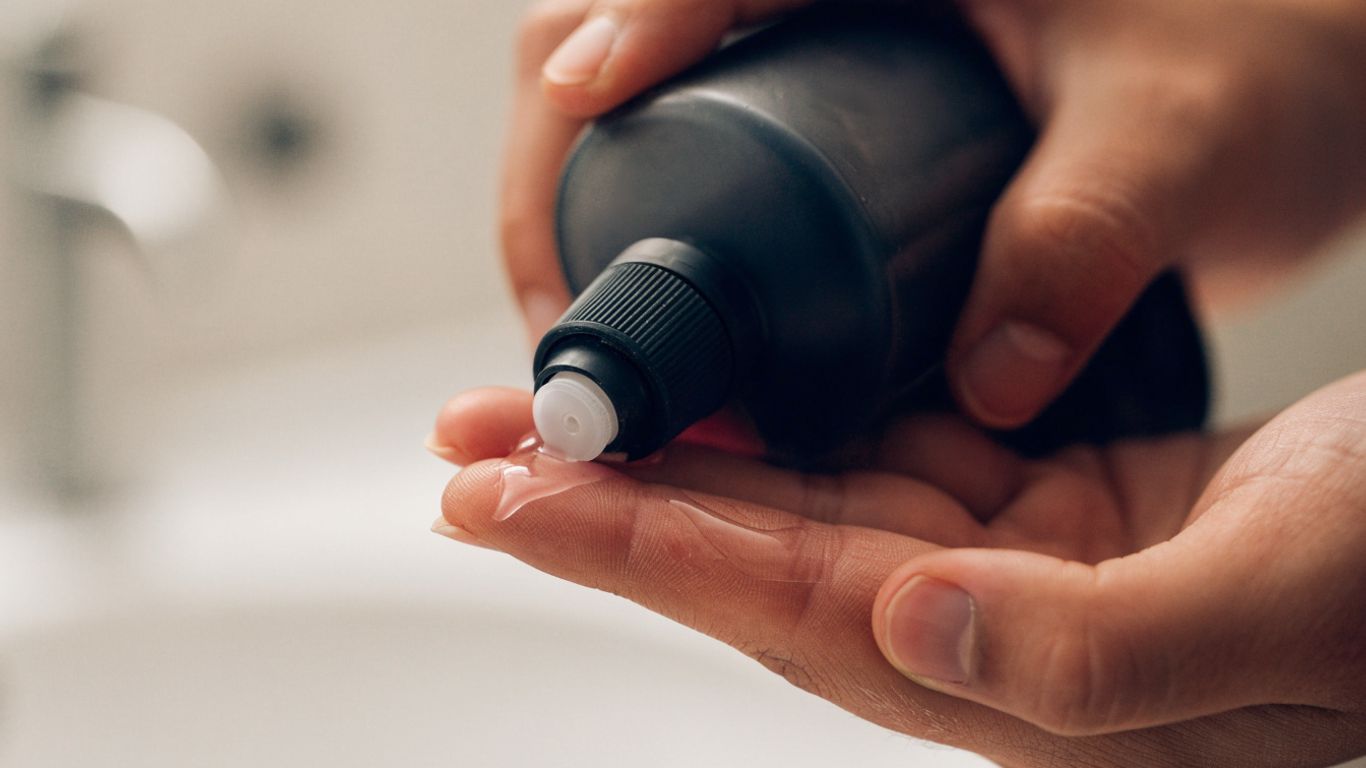
Start with a small amount and add more as needed
A small amount gives you a chance to notice how the product feels and spreads before using more. Apply it as directed on the package, then add a little at a time if you want additional glide. There is no need to use a fixed amount for every person or situation; follow the product’s instructions and your comfort. Keep the container’s opening clean and close it after use.
Reapply if the glide changes or the product dries
Some formulas may need reapplication sooner than others. If the glide changes, check the product directions and add more only as needed. With water-based products, the feel can change as the product dries; a formula that lasts longer may still need reapplication depending on the circumstances. This guide to lubricant application and reapplication offers another way to think through use and product guidance.
Stop using it if irritation or discomfort occurs
A product that feels comfortable at first may still cause irritation or discomfort for some people. Stop using it if you notice an unwanted reaction, and rinse the area gently if appropriate for the product and your circumstances. If symptoms are severe, persist, or concern you, seek advice from a healthcare professional. Do not keep applying a product that seems to be causing discomfort.
Ingredients and label details to review
A clear label helps you make a more informed choice. Check the full ingredient list, directions, storage information, and expiration details before opening a product. These details can also help you compare options if you have sensitivities or specific preferences. Arousellube offers water-based, edible personal lubricants made with natural ingredients; review the label of any individual product for its own ingredients and directions.
Look for a complete ingredient list and clear directions
The ingredient list lets you check for components you prefer to avoid, while directions explain how the product is intended to be used. If the label is incomplete or hard to understand, consider contacting the manufacturer before buying or using it. A quick label scan can focus on a few practical details:
- The complete ingredient list
- Directions for application and reapplication
- Stated condom and toy compatibility
- Storage guidance and expiration information
Taken together, these details give a clearer picture than a short front-label description. If a key detail is missing, do not assume that the product is suitable for your needs.
Check for added fragrance, flavor, or warming ingredients
Fragrance, flavor, and warming ingredients can affect how a product feels or smells, and they may not suit everyone. Read the ingredient list and any caution statements rather than relying only on front-label claims. If you are sensitive to a specific additive, check for it by name where possible. When unsure, choose a product whose label provides enough detail to make an informed decision.
Review storage instructions and expiration information
Follow the storage instructions on the package, and check the expiration date before use. Close the container securely and keep it in the conditions specified by the manufacturer. If a product has changed noticeably in appearance or smell, check its directions and consider replacing it. Avoid using a product past its stated expiration date.
How to compare products
A useful comparison considers more than a silky feel. Look at formula type, intended use, ingredients, compatibility, cleanup, and the packaging you will actually use. Reviews can help describe texture and dispensing, but experiences are personal and do not replace label information. For a wider view, consult personal lubricant comparison factors and use them to narrow your own priorities.
Compare formula type, texture, and intended use
Begin with the formula base, then compare how the product is described and what its directions say. Look for information about glide, reapplication, cleanup, and compatibility that matches your intended use. Arousellube offers water-based, edible personal lubricants made with natural ingredients; when comparing a specific product, verify its label details rather than assuming every formula shares the same directions or ingredient list. A simple side-by-side check can make differences easier to see.
Read reviews for useful details about feel and cleanup
Reviews may describe whether a product feels thin or cushiony, how it spreads, and how easy it is to clean up. Those observations can help you decide what questions to ask, but they are individual impressions rather than a promise of how the product will feel for you. Pay attention to recurring practical details, then confirm formula and compatibility information on the label. Short, specific comments are often more useful than broad praise.
Choose packaging that suits your storage and dispensing needs
Packaging affects how easily you can dispense the lubricant and store it between uses. Consider whether you prefer a pump or a cap, how much product you want to keep on hand, and where it will be stored. Check that the container can be closed securely and that its size suits your routine. A convenient package is helpful, but it does not replace checking the product’s directions and expiration information.
Conclusion
The best silky lubricant for you is one whose formula, feel, ingredients, and directions fit your preferences and intended use. Treat “silky” as a description rather than a guarantee, compare the label details, and follow compatibility guidance for condoms and other products. Start with a small amount, adjust as needed, and stop if irritation or discomfort occurs.
Frequently Asked Questions
What does “silky” mean in lubricant?
It usually describes a smooth, slippery feel, but it is not a standardized formula type. Check the base and product directions to understand what to expect.
Is silky lubricant water-based or silicone-based?
It can be water-based, silicone-based, or hybrid. The word “silky” alone does not identify the formula, so check the label.
Which lubricant formula lasts the longest?
Silicone-based formulas may maintain glide longer than water-based ones, but products vary. Use the directions and reviews for product-specific context.
How do I know if a lubricant is compatible with condoms?
Check the lubricant label for the specific condom materials it names, and follow the directions on both products. Do not assume compatibility across all materials.
Can I use silky lubricant with a silicone toy?
Check both the lubricant label and the toy manufacturer’s guidance. Some products may not be recommended for use with silicone toys.
How much lubricant should I use?
Start with a small amount and add more as needed, following the product directions. The right amount can vary by product and personal preference.
What should I do if lubricant causes irritation?
Stop using it and follow appropriate product directions. Seek advice from a healthcare professional if symptoms are severe, persistent, or concerning.


