

Posted by Mike
on September 05, 2026

Key Takeaways
Warming lubricant can add a gradual heat sensation, but comfort depends on the formula, the amount used, and individual sensitivity.
- Warming formulas create sensation through ingredients that respond to body heat, friction, or touch.
- Water-, silicone-, and oil-based lubricants differ in cleanup, longevity, and barrier compatibility.
- Start with a small amount and test a new product on less sensitive skin first.
- Check condom, dental dam, and sex-toy compatibility before intimate use.
- Burning, pain, swelling, or persistent irritation are reasons to stop and wash the product away.
What warming lubricant is and how it works
Warming lubricant is a personal lubricant formulated to feel warmer than a standard product during use. The sensation may build gradually with friction or movement rather than arriving all at once. A product’s base, additives, concentration, and texture all affect the experience. For a broader overview of how warming lubricants work, it helps to think about both the formula and the body’s response to it.
How warming sensations are created
Warming sensations usually come from ingredients that stimulate temperature-sensitive nerve endings or create a gentle spicy, minty, or tingling impression. Friction and body heat can make the effect more noticeable as activity continues. The word “warming” does not guarantee a particular intensity, so the label and ingredient list matter more than the marketing name. Some formulas feel subtle, while others become much more pronounced with movement.
Common ingredients in warming formulas
Ingredients vary widely, but warming products may contain botanical extracts, spices, or compounds chosen for their sensory effect. Capsaicin, the heat-producing compound associated with chili peppers, is one example found in some formulas; other products may use mint-like or peppery components. A natural origin does not automatically make an ingredient suitable for everyone. If you have reacted to fragrances, flavors, botanical extracts, or other personal-care ingredients before, read the complete label carefully.
How warming lubricant differs from regular lube
Regular lubricant is primarily designed to reduce friction and add glide. Warming lubricant does that while also introducing a deliberate sensory effect, which can make the experience feel more active or intense. That extra sensation is not automatically better: some people enjoy it, while others find it distracting or uncomfortable. A simple, non-warming formula may be the better choice when the main goal is dependable moisture and minimal stimulation.
Why sensitivity varies from person to person
Genital skin and mucous membranes can respond differently to the same ingredient. Existing dryness, irritation, allergies, hormonal changes, or a history of sensitivity may make warming sensations feel sharper. Even the same person can have a different response depending on the amount used and whether the product is applied externally or internally. Personal comfort should guide the pace, not the promise of a stronger sensation.
How to choose a warming lubricant
Choosing a warming lubricant starts with the base, then moves to ingredients, intended use, and cleanup. Water-based options are often versatile, while silicone and oil formulas can offer a different feel and duration. No base is ideal for every situation, particularly when condoms or toys are involved. This personal lubricant selection guide offers a useful way to compare comfort, safety, and compatibility before buying.
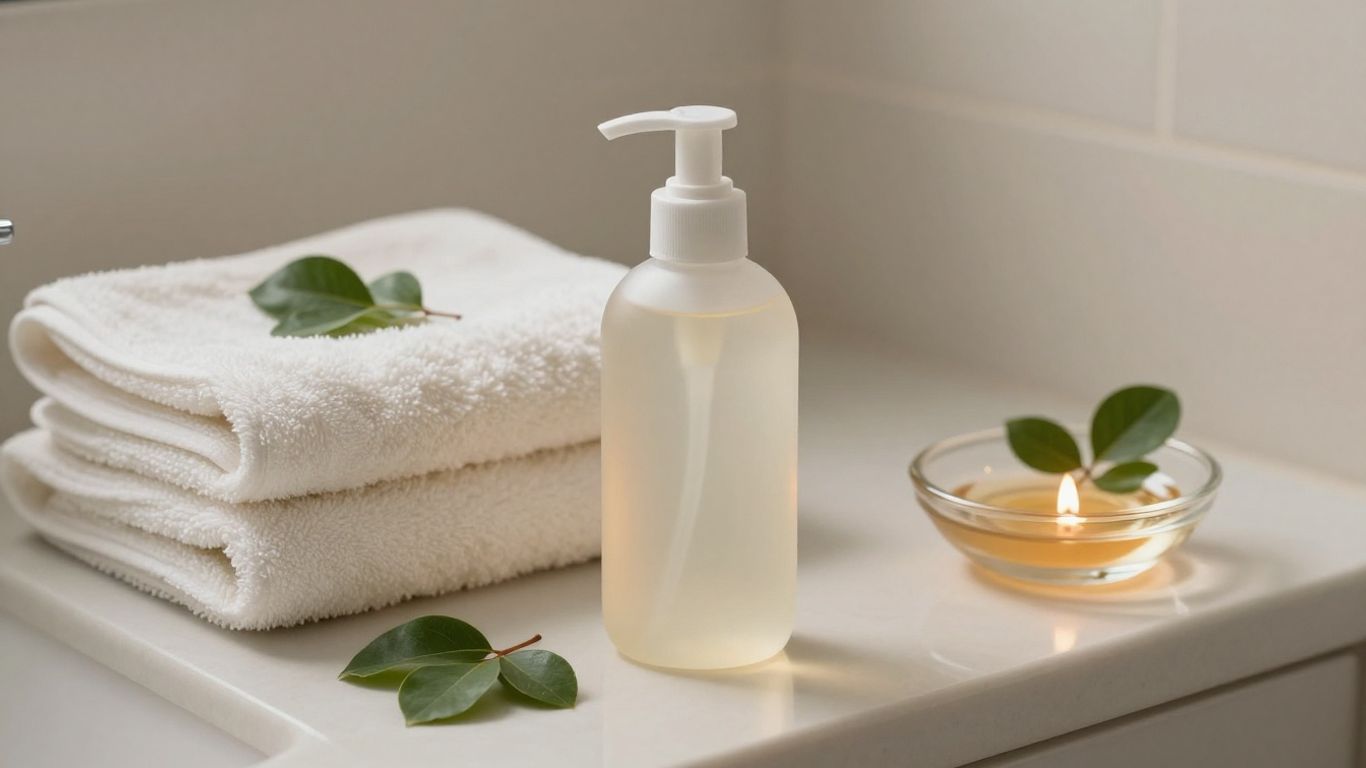
Water-based, silicone-based, and oil-based options
Water-based warming lubricants are generally easy to rinse away and can suit many kinds of intimate use, though they may need reapplication. Silicone-based formulas often provide longer-lasting glide, but they require careful checking before use with silicone toys. Oil-based products can feel rich and lasting, yet they may damage latex barriers and can be harder to clean. The right choice depends on the activity, the materials involved, and how much cleanup you are comfortable with.
Ingredients to look for and avoid
Look for a complete ingredient list and clear directions rather than relying on phrases such as “natural” or “extra hot.” If your skin is reactive, you may prefer fewer additives and may choose to avoid fragrance, flavor, or known personal triggers. ArouselLube Intensifying Gel is described as an option involving warming or cooling sensations and guidance around ingredients such as glycerin and propylene glycol, so it illustrates why the full formula deserves attention. Never assume that a plant-derived ingredient will be irritation-free for every user.
Choosing a formula for sensitive skin
Sensitive skin usually benefits from a cautious approach: select a transparent label, avoid ingredients you already know cause reactions, and test a small amount away from the genitals. A product designed for intimate use still may not suit every body. If you are prone to recurring irritation, seek advice from a qualified healthcare professional before experimenting with warming additives. The gentlest option may be a plain lubricant without a warming effect.
Matching the lubricant to your intended use
Consider whether you need a product for external touch, vaginal or anal use, massage, oral contact, toy play, or a combination of activities. Then check whether the formula is intended for that use and whether it matches your barrier method and toy material. Water-based products are often a practical starting point when versatility and easy cleanup matter. For more guidance on matching lubricant to your needs, compare texture and compatibility alongside the promised sensation.
How to use warming lubricant safely
A warming lubricant is best introduced slowly, especially when the formula is unfamiliar. Begin with less product than you think you need, allow the sensation to develop, and communicate with anyone else involved. Keep a towel and clean water nearby so you can remove the product easily if necessary. These simple steps make experimentation more controlled and less stressful.
Applying a small amount before full use
Place a small amount on a fingertip first rather than applying a large quantity directly to sensitive tissue. Spread it gradually and wait to understand how the warmth develops before adding more. More product can mean more sensation, but it can also increase the chance of discomfort. Arousellube Intensifying Gel is covered with application and patch-testing guidance in its product information, a useful reminder that controlled introduction matters.
Testing the product on your skin
Patch-testing can help you notice a reaction before intimate use, although it cannot predict every response on genital or mucosal tissue. Apply a small amount to an inconspicuous area of external skin and wait according to the product’s directions. Do not test on broken, freshly shaved, or already irritated skin. If redness, itching, or discomfort appears, wash the area and do not continue.
Adjusting the amount and intensity
Warmth may increase with movement, friction, and added product, so pause before deciding that the first impression is too mild. If the sensation remains comfortable, add only a little at a time. Keep communication open with a partner, since one person’s pleasant warmth may feel excessive to another. A slower pace usually gives you more control than trying to create maximum intensity immediately.
Stopping if burning, pain, or irritation occurs
A mild, temporary warmth is different from sharp burning, pain, itching, swelling, or persistent irritation. Stop using the lubricant if the sensation crosses that line, then rinse gently with lukewarm water and avoid adding other products to the area. Do not try to counteract discomfort with another lubricant or scented wash. If symptoms continue or become severe, contact a healthcare professional.
Warming lubricant and sexual health considerations
Sexual health decisions involve more than sensation. Barrier materials, toy surfaces, oral contact, and the condition of the skin can all affect whether a formula is suitable. Read the package directions every time you try a new product, because compatibility is formula-specific. The same care applies whether the product is used alone, with a partner, or with an accessory.
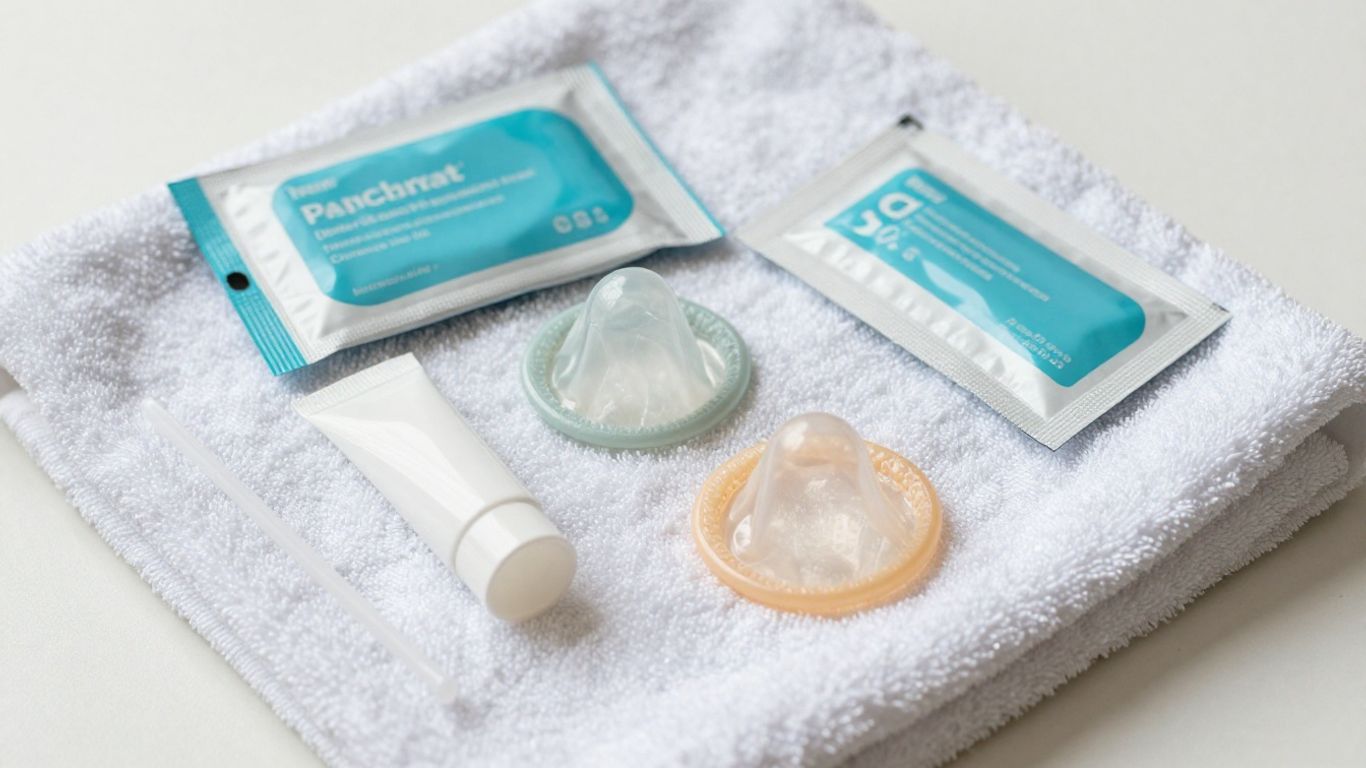
Compatibility with condoms and dental dams
Check the product label for compatibility with the exact barrier material you use. Oil-based lubricants can weaken latex, while water- and silicone-based formulas may have different compatibility instructions. Do not assume that a warming product is safe with condoms or dental dams simply because another lubricant is. When the packaging is unclear, ask the manufacturer or choose a product with explicit guidance.
Use with sex toys and intimate accessories
Toy material matters, especially with silicone-based lubricant and silicone toys. Follow both the toy maker’s instructions and the lubricant label, and clean the accessory according to its care guidance after use. If you are unsure, a water-based formula is often the simpler starting point, but the individual product directions still take priority. Inspect toys for damage before and after use.
When warming sensations may be uncomfortable
Warmth can feel unpleasant when tissue is dry, irritated, recently shaved, or sensitive to a particular ingredient. It may also be unwelcome when someone prefers predictable, low-stimulation glide. ArouselLube Intensifying Gel is described as offering warming or cooling sensations, but any sensation-focused product should be approached according to personal tolerance rather than assumed to be universally comfortable. Consent includes the freedom to stop or switch products at any point.
Situations that call for extra caution
Use extra caution if you have a known allergy, recurrent genital irritation, unexplained pain, open skin, or a condition that makes sexual activity uncomfortable. Do not use a product internally unless its labeling clearly indicates that use. Pregnancy, fertility concerns, and treatment for an intimate-health condition may also be reasons to ask a clinician for individualized advice. A new product is not a substitute for medical evaluation when symptoms are recurring.
Common problems with warming lubricant
Most problems become easier to manage when you distinguish the intended sensation from a reaction. Amount, friction, ingredient sensitivity, and the product’s base can all contribute to an uncomfortable experience. Keep the packaging available so you can review the ingredients and directions if something feels wrong. Do not ignore symptoms simply because the product is marketed as gentle or natural.
Distinguishing mild warmth from irritation
Mild warmth usually feels gradual, tolerable, and limited to the area where the lubricant was applied. Irritation may feel sharp, itchy, painful, or increasingly intense, and it may come with redness or swelling. The boundary is personal, so you do not need to wait for a dramatic reaction before stopping. If your body is signaling discomfort, treat that signal as useful information.
What to do if the sensation feels too strong
Stop activity and remove the lubricant with lukewarm water. Avoid scrubbing, hot water, alcohol-based products, or fragranced cleansers, which may aggravate sensitive tissue. Give the area time to settle and do not reapply the same product to “test” whether the reaction has passed. Seek medical advice if pain, swelling, rash, or burning persists.
Preventing stickiness, staining, or residue
Use only the amount needed for comfortable glide and keep a washable towel nearby. Water-based products usually rinse more easily, while silicone and oil formulas may require more deliberate cleaning of skin, fabrics, or accessories. A pump or narrow applicator can also help control the amount and reduce spills. These practical details matter when comparing products, not just the promised sensation.
When to wash off the product and seek medical advice
Wash off the lubricant promptly if you notice burning, itching, pain, swelling, hives, or unusual discharge. Medical advice is appropriate for severe symptoms, breathing difficulty, symptoms that do not improve, or repeated reactions to intimate products. Do not diagnose an allergy from a single experience, but do record the product and ingredients so a clinician can help identify a pattern. Persistent dryness or pain also deserves professional attention.
How to compare warming lubricant products
A good comparison considers safety and experience together. The strongest sensation is not necessarily the best fit, and a low price may not represent good value if the product causes irritation or requires frequent replacement. Read the label, consider your intended use, and think about how the bottle will work in real life. A lubricant comparison guide can help organize those decisions around formula, longevity, cleanup, and compatibility.
Checking the ingredient list and product claims
Compare the full ingredient list rather than relying on front-label language such as “natural,” “gentle,” or “intense.” Look for clear directions, intended-use information, and warnings about sensitivities or barrier compatibility. Claims about warming, cooling, or enhanced sensation should be understood as descriptions of the product experience, not promises that every person will respond the same way. A transparent label gives you more control over the choice.
Evaluating texture, longevity, and cleanup
Texture affects how easily the product spreads, while longevity determines whether you will need to pause and reapply. Water-based formulas may be convenient to rinse, silicone-based formulas may last longer, and oil-based formulas can leave a richer residue. The comparison below is a starting framework; the exact formula and manufacturer directions always control.
| Base | Typical feel | Cleanup consideration | Main check before use |
|---|---|---|---|
| Water-based | Light to silky | Usually rinses easily | Reapplication and ingredient sensitivity |
| Silicone-based | Smooth and long-lasting | May require more washing | Compatibility with silicone toys |
| Oil-based | Rich and lasting | Can leave residue | Compatibility with latex barriers |
Use the table to narrow the field, then read the product label for details that a base category cannot answer. Texture is personal, and a formula that lasts well may still be a poor choice if its ingredients do not suit your skin.
Considering packaging and application style
Packaging can influence how much control you have over each application. A pump may help dispense a small amount, while a wide opening can make it easier to apply more than intended. Choose a container that closes securely, stores cleanly, and allows you to read the directions without guesswork. Good design supports safer experimentation without replacing careful use.
Balancing sensation, comfort, and value
Value comes from the whole experience: a comfortable formula, suitable ingredients, useful longevity, manageable cleanup, and packaging that prevents waste. A warming lubricant should add pleasure rather than create a problem you have to solve afterward. If you are uncertain, prioritize a transparent formula and gentle introduction over a dramatic claim. The best product is the one that fits your body, boundaries, and intended use.
Conclusion
Warming lubricant can add a gradual, distinctive sensation to intimate play, but the right choice is personal and should be approached with patience. Compare the base and ingredients, confirm compatibility with barriers and toys, test cautiously, and stop at the first sign of pain or irritation. Comfort, clear communication, and body-safe decision-making matter more than intensity.
Frequently Asked Questions
What is warming lubricant?
Warming lubricant is a personal lubricant designed to create a heat-like sensation while reducing friction. The effect may come from specific sensory ingredients and can become more noticeable with movement or friction.
Does warming lubricant actually increase body temperature?
Usually, the sensation does not mean the product is significantly raising tissue temperature. It is generally a sensory response created by the formula and how it interacts with nerve endings, friction, and body heat.
Is warming lubricant safe for everyone?
No product suits everyone. People with allergies, sensitive skin, recurring irritation, open skin, or unexplained intimate pain should use extra caution and consider asking a healthcare professional before trying one.
How much warming lubricant should I use?
Start with a small amount and wait for the sensation to develop before adding more. Using too much at once can make the effect stronger and harder to control.
Can warming lubricant be used with condoms?
Some formulas are compatible with certain condoms, while others are not. Check the product label for the exact barrier material, and avoid assuming compatibility based only on the lubricant’s base.
Can warming lubricant be used with sex toys?
That depends on the lubricant base, the toy material, and the manufacturer’s instructions. Check both labels carefully, particularly when using a silicone-based lubricant with a silicone toy.
What should I do if warming lubricant burns?
Stop using it, rinse the area gently with lukewarm water, and avoid scrubbing or applying additional products. Seek medical advice if burning, swelling, rash, pain, or other symptoms persist or become severe.





































































