

Posted by Mike
on July 28, 2026

Key Takeaways
Transitioning to bulk sourcing for intimate wellness supplies requires careful planning regarding formula types, safety standards, and storage. These strategies ensure your inventory remains high-quality while providing significant cost savings.
- Identify the specific formula base best suited for your intended application.
- Verify manufacturing certifications to ensure adherence to safety standards.
- Implement rigorous storage conditions to maintain the integrity of natural ingredients.
- Adopt aseptic dispensing methods to prevent contamination in high-volume settings.
- Regularly rotate stock to optimize product freshness and efficacy.
Understanding the different types of bulk lubricants
Choosing the right lubricant volume begins with understanding the core chemical composition, as different bases offer distinct physical properties for various user experiences. Whether you are stocking a clinic or managing personal inventory, the viscosity and longevity of the product dictate its utility. By selecting ArouselLube formulas, users can access plant-derived comfort that aligns with modern expectations for high-performance and safe intimate care.
Water-based formulas for easy cleanup
Water-based options are widely favored for their non-staining nature and compatibility with the widest range of materials, including silicone toys and latex. These products leverage solubility to ensure that cleanup is straightforward, requiring nothing more than mild soap and warm water. For those exploring the best water-based lubricant options, it is helpful to look for formulations that incorporate soothing botanical additives without the inclusion of synthetic irritants.
Silicone-based options for long-lasting performance
Silicone lubricants provide a significantly longer-lasting glide, making them ideal for activities that require reduced friction over extended periods. Because they are not absorbed into the skin as quickly as water-based alternatives, they remain effective throughout longer sessions. It is essential to remember that silicone formulas should be used with caution when paired with devices made from similar materials, as this can degrade the surface of the item over time.
Hybrid blends for versatile applications
Hybrid lubricants attempt to bridge the gap between water and silicone by combining their unique strengths into a single formula. These blends often offer the initial silkiness of a silicone product with a slightly easier cleanup process. They provide a versatile application that caters to users who desire more friction-free comfort but are not prepared to commit fully to the higher density of pure silicone lubricants.
Target audiences for large-volume purchases
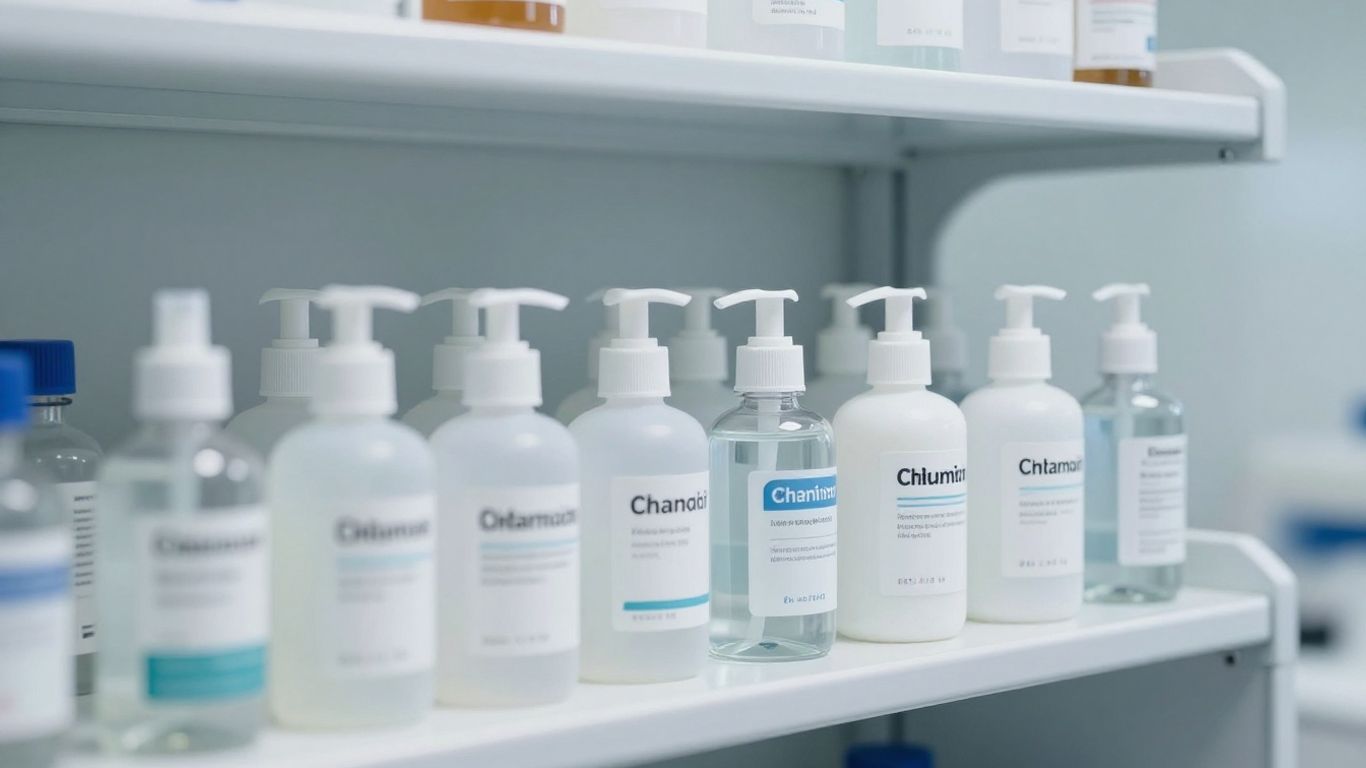
Investing in large-volume lubricant requires identifying your specific usage patterns, as professional and amateur needs often differ regarding storage and daily turnover. Understanding who benefits from bulk procurement helps in selecting the right packaging, from singular pump bottles to large-scale refillable drums. By identifying your specific audience, you can avoid over-purchasing and preserve bodily wellness through consistent stock replenishment.
Professional massage and wellness clinics
Wellness clinics rely on large volumes to support frequent client interactions throughout the working day. These environments demand products that are both effective and hypoallergenic to ensure safety for a wide spectrum of skin types. The emphasis here is on reliability and professional presentation, often prioritizing clinical-grade reliability to maintain standards during wellness sessions.
Wholesale distribution for retail businesses
Retailers looking to refresh their inventory often source in bulk to improve their margins while providing a variety of options for their customers. This segment frequently utilizes wholesale personal lubricants for resale, which involves stock rotation that necessitates efficient packaging and clear batch labeling. Businesses must focus on consistency, as retail clients often have long-term loyalty to specific formulations.
Frequent home users looking for cost-efficiency
Individuals who require personal lubricants for regular daily use often find that purchasing smaller bottles is inconvenient and expensive. Stocking up allows for better financial management of intimate essentials, ensuring that inventory never runs low. This practice often involves moving away from single-use packaging to more sustainable, large-format containers that serve the home user's long-term health needs.
Key factors to weigh during your purchase
When evaluating high-volume lubricant options, the chemical stability and consistency of the product should be major considerations for any buyer. Discrepancies in quality at a large scale can significantly impact the effectiveness and safety of your intimate experiences. It is vital to perform thorough research before finalizing your procurement decisions to ensure that the volume you acquire maintains its quality throughout the entire lifecycle of the product.
Shelf life and expiration cycles
Tracking the longevity of your supply is essential to prevent degradation, especially when handling inventory that may sit in storage for several months. Many manufacturers use specific preservatives to extend shelf life, but these will eventually wane in efficacy. Refer to the product's batch information to understand expected turnover windows.
| Feature | Importance Level | Management Strategy |
|---|---|---|
| Batch Dating | High | Implement FIFO system |
| Preservatives | Moderate | Check for stability claims |
| Storage Temp | High | Maintain room temperature |
Maintaining strict inventory documentation is a crucial element of standard procurement protocols.
Viscosity levels for specific use cases
Viscosity refers to the thickness or "flow" of the lubricant, which dictates how it spreads and maintains coverage. A product that is too thin may disappear too quickly, while an overly viscous product might feel sticky or heavy during use. Before selecting a bulk variant, consider the primary application, as specialized lubrication viscosity requirements vary significantly between solo sessions and partnered intimacy.
Ingredient sensitivity and allergen concerns
Safety is non-negotiable when selecting intimate products in large volumes, as you are responsible for the well-being of the individuals using the supply. ArouselLube remains committed to body-safe ingredients that avoid common synthetic allergens and parabens. Always review the full ingredient disclosure to confirm that the formulation is pH-balanced and gentle enough for sensitive users.
Optimal storage practices for product integrity

Protecting the chemical structure of your lubricant starts long before the product is used, requiring diligent control over the environment where it is stored. Fluctuations in temperature can accelerate the breakdown of active components, potentially altering the texture and effectiveness of the lubricant. To maintain high standards, consider the following environmental factors that support long-term storage and efficacy.
Maintaining climate control for ingredient stability
Consistency in ambient temperature is the best way to safeguard the chemical bonding of your product. Exposure to extreme heat or cold can cause separation of ingredients, potentially ruining large quantities of your supply. Aim to store your lubricant in a climate-controlled room where the temperature remains stable throughout the cycle of the seasons.
Avoiding UV exposure to prevent degradation
Direct sunlight contains UV radiation that can penetrate plastic and glass containers, potentially breaking down essential components over time. Even tinted bottles may not provide full protection if they are left in windowed areas for prolonged periods. To keep lubricant fresh:
- Keep containers inside original opaque shipping cartons.
- Store product on shelves away from indirect light sources.
- Minimize the time containers spend in transit through non-climate areas.
- Use dark-colored cabinets to house secondary storage units.
By isolating the lubricant from light, you protect the core integrity of the formula and preserve its sensory properties.
Container sealing to prevent bacterial growth
Air exposure is a primary vector for contamination, which can introduce bacteria into the product or cause it to dry out prematurely. Always verify that lids are tightened properly between uses, especially for large refillable canisters. If you notice any warping in the seal, it is safer to replace the closure immediately to ensure the environment inside the bottle remains sealed.
Implementing sanitary dispensing protocols
Establishing a system for how these products are dispensed is as important as the product itself, particularly in settings where multiple people might use the same supply. Without proper protocols, the efficiency of your bulk purchase could be undermined by hygiene issues. Implementing these standards helps maintain a safe and pleasurable standard of care for every user.
Using clinical-grade pump mechanisms
Standard pump caps are often exposed to environmental debris, but clinical-grade locking pumps offer a superior barrier against external contaminants. These mechanisms are designed to seal the contents away from the air when not in use, making them an excellent choice for large-format bottles meant for professional use. By selecting robust dispensers, you protect the remaining bulk supply from potential issues caused by improper handling.
Best practices for preventing cross-contamination
Cross-contamination occurs when a dispenser nozzle comes into contact with skin or an application surface. To prevent this, always dispense the required amount onto a clean cloth or gloved hand, ensuring the nozzle remains untouched by any potentially contaminated surface. Using barrier films on pump handles or switches can also mitigate the risk of pathogen transfer in busy clinical or public-use settings.
Routine cleaning schedules for refillable stations
If you are operating a station where smaller containers are filled from a larger vessel, you must clean the dispensing equipment periodically to avoid build-up. Residue can accumulate at the tip of the spout, serving as a medium for bacterial growth if left unaddressed. Develop a clear schedule for sanitizing your refill station to keep the product fresh and safe.
Verifying quality and manufacturing standards
Reliability is the cornerstone of any high-quality lubricant business, and verifying the supply chain is essential for risk mitigation. You should only work with manufacturers who prioritize transparency and submit their products to rigorous testing. By choosing brands like ArouselLube, you opt for products that have been subjected to third-party testing and adhere to strict safety documentation protocols.
Checking for cGMP and ISO certifications
Certifications like current Good Manufacturing Practice (cGMP) and ISO standards indicate that a facility follows strict international guidelines for product safety and quality assurance. These documents serve as proof that the environment was clean and the processes were standardized throughout the production run. Always request these certificates before finalizing a major contract to ensure your products meet the industry's most stringent expectations.
Understanding FDA medical device classifications
Many personal lubricants are regulated as medical devices, meaning they must comply with specific FDA guidelines regarding composition, biocompatibility, and intended use. This classification exists to ensure that intimate products do not interfere with delicate tissues or compromise health. A provider who can explain how their products align with these official classifications offers a significant layer of safety assurance to their clients.
Reviewing batch testing and material safety data
Every legitimate manufacturer should keep detailed records of batch testing, which proves the consistency of the formulation from lot to lot. Additionally, check for a valid Material Safety Data Sheet (MSDS) for every product you purchase in bulk. These documents list all hazardous properties, handling instructions, and emergency procedures, providing the necessary information to keep your staff and clients safe during daily use.
Conclusion
Investing in bulk personal lubricant is a strategic move for businesses and frequent users who value both cost-effectiveness and product quality. By prioritizing body-safe formulations, maintaining proper environmental storage, and adhering to strict sanitary dispensing standards, you can ensure a reliable supply that enhances comfort and wellness. Staying informed about certifications and manufacturing standards will help you build a robust and safe inventory that serves its purpose flawlessly.
Frequently Asked Questions
How long can I keep bulk lubricant stored?
Most lubricants remain shelf-stable for 12 to 24 months, provided they are stored in a cool, dark environment away from temperature swings.
Can I mix different brands of bulk lubricant?
It is generally recommended to avoid mixing brands, as different stabilizers, thickeners, and preservatives may interact unpredictably, potentially causing irritation or texture issues.
What are the risks of using expired lubricant?
Expired products may lose their intended texture, and their preservative systems may fail, potentially allowing for the growth of bacteria or mold over time.
Is bulk lubricant always cheaper in the long run?
Buying in large volumes almost always lowers the cost per ounce significantly, though it requires an upfront investment and adequate storage capacity to be truly cost-effective.
Are bulk pump bottles easy to refill?
Many professional-grade pump bottles are designed for refilling, but you must ensure the internal mechanisms are thoroughly cleaned between refills to prevent contamination.
What ingredients should I avoid in bulk lubricants?
Look to avoid harsh additives like parabens, added fragrances, or glycerin if you have sensitive skin, as these are common triggers for irritation during more extended intimate sessions.
Does the material of the storage container matter?
Yes, opaque, high-density polyethylene (HDPE) or glass containers are ideal for maintaining product integrity, as they offer the best resistance to light penetration and chemical leaching.





































































